Gallbladder disease is serious and as I have said often the gallbladder is not a dispensable organ.This little sac is there to collect bile – it’s there for a reason, and should be cared for. But sometimes things go wrong, however, IF you CAN save your gallbladder please please do so. No good crying over spilt milk of course, but this operation – which should be an emergency operation only – has now become just another ‘routine’ one like Caesar births and hysterectomies, both of which should be emergency surgeries.
The main function of the gallbladder is to store bile produced by the liver, used to emulsify fats and create fatty acids for absorption by the body. When bile production is poor, serious health consequences may occur. Gallstones and gallbladder disease is completely avoidable. Interestingly, a review study published in the British Medical Journal found that 50% of patients who had gallbladder surgery saw no improvement in their complaints.
THE FUNCTION OF BILE
Bile has some very important functions in the body:
1. Kills pathogenic microbes – bacteria in the small intestine do this too, but they are there thanks to the bile salts produced. Candida, SIBO or parasites may thrive if there is poor bile production
2. To metabolise fatty acids – they emulsify dietary fats into a bioavailable form, so we can utilise our fat soluble vitamins A, D, E & K.
3. Excrete waste products – while the liver metabolises and neutralises toxins, bile grabs hold of these and excretes them via the large intestine.
4. Encourages peristaltic action – if you have a ‘lazy bowel’ – it may just be your bile is insufficient, as bile drives faecal matter through the body instead of allowing it to build up.
5. Important for blood sugar metabolism – bile’s needed to break down the fatty acids once emulsified – poor fat metabolism will cause blood sugar dysregulation.
6. Bile is important for lipid (fat) regulation as well and carbohydrate metabolism as well – and believe it or not, bile is very important in modulating the inflammatory response in the body.
CAUSES OF GALLSTONES
Contrary to popular opinion, diet is incredibly important in completely avoiding gallstones. Here are 11 causes:
1. Estrogen dominance
2. Blood sugar dysregulation
3. Low stomach acid production (don’t try to ‘alkalanise’!)
4. Obesity
5. Rapid weight loss (crash dieting)
6. Low fat diets (higher fat diets are HEALTHY for the gallbladder)
7. Food allergies
8. Chronic stress
9. A diet low in fibre
10. Cholesterol lowering medications (statins)
11. Leaky Gut Syndrome
POSSIBLE SYMPTOMS OF GALLBLADDER DISEASE
• Nausea, vomiting, fatty or greasy stools
• Pain between the shoulder blades, especially right side
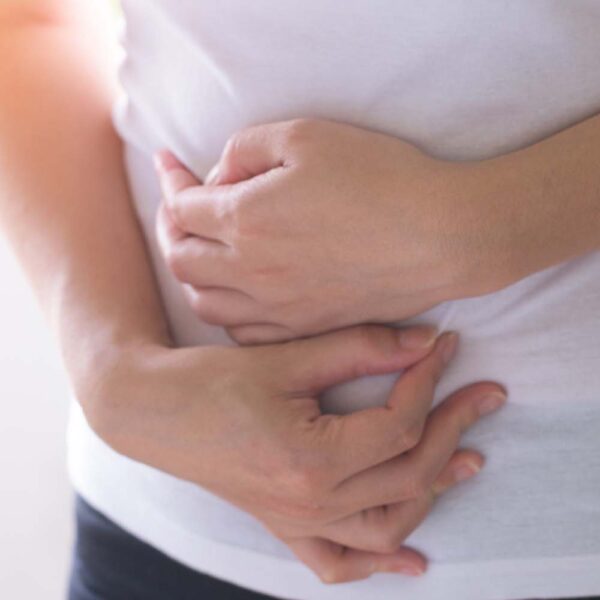
• Abdominal pain
• Chronic gas/bloating
• Itchy skin/rashes/yellowing of the skin
• Headaches/migraines
• Constipation or diarrhoea
• Light coloured stools
• A bitter taste in the mouth
• Fibromyalgia/hypothyroidism
• Loss of appetite/feeling of constant ‘fullness’
• Hormonal problems/infertility
• Dry skin and hair
• Multiple chemical sensitivities
• History of drug-taking of any kind
• Inability to lose weight
• Constant runny nose
Clearly there are other reasons for many of these symptoms, but taken together might give you a clue if you are unsure – and encourage you to check this out with a physician.
HOW TO CARE FOR YOUR GALLBLADDER
You aim must be to strengthen liver function and bile flow formation to improve gallbladder health and bile duct motility. Even if you have had your gallbladder removed, it is even more important to follow these steps to strengthen the liver and the formation of bile.
Try these strategies:
• Lose unwanted weight safely through a low carbohydrate diet with healthy fats which is anti-inflammatory – never do fad fasting type diets
• Drink plenty of water
• Have plenty of healthy fats like avocado, olive oil, grass-fed butter, wild-caught fish, coconut oil, pastured eggs, lard and grass-fed beef – avoid seed oils and margarine
• Your main meal of the day (largest) must be eaten when you are most relaxed
• Avoid foods you are sensitive to
• Eat plenty of broccoli
• Make sure you have a high-fibre diet
• Ensure you have healthy stomach acid levels (NEVER try to go ‘alkaline’!!)
• Get adequate sleep by going to bed early
• Don’t allow yourself to be angry – deal with it – it DOES affect your gallbladder
• Make sure you have enough magnesium
• Use bitter herbs in cooking/salads like rocket
• Eat more eggs and include plenty of greens in your diet
• Eat smaller meals (don’t overdo it at mealtime)
• If you can get ox bile, use it
• Use a Milk Thistle supplement – very important – I have a good on in my online store called Milk Thistle Premium – https://sallyanncreed.co.za/shop
• Use Magnesium Citrate – deficiency reduces the contractile ability of the bile ducts – very important for gallbladder health
• Add a good organic turmeric powder to food wherever possible, and take a Bio-Curcumin supplement plus add an organic apple cider vinegar to your meal or drinking water (all in my online store)
• As a good green supplement BarleyLife powder is unrivalled (find this in my online store too in powder or capsules) – add to smoothies or drink it in water
Hope this helps someone.
You can get all these good supplements here
You can simply click on the name of each product mentioned above (in bold) and a hyperlink will take you directly to the product for an easy purchase.
Originally published on https://www.facebook.com/SallyAnnCreedSA/ in 2019.