
There are 2 schools of thought about fibre, but let’s be clear – the human body is designed to use fibre. The more healthy fibre you get in your diet, the better your digestive system functions. BUT it must be HEALTHY fibre – not wheat or grain fibre, it should be mostly vegetable fibre. It also maintains a steady WEIGHT, maintains healthy CHOLESTEROL levels and keeps you REGULAR.
Like so many other health issues, it all comes back to your gut. The health of your gut affects everything from your immune system to your moods. Poor diets have little fibre, are inflammatory and are full of processed food and sugar. If you don’t get enough fibre, you won’t have enough “food” to feed the healthy bacteria in the gut – it’s their favourite food. And this is KEY to good health. Healthy gut bacteria is everything.
Our digestive enzymes can’t break down the vegetable fibre, so it intact as it moves through the digestive tract. And as it travels, the healthy microbes in our gut feed off the fibre’s vitamins, nutrients, and short-chain fatty acids (SCFAs). Too little fibre will starve these microbes, some die off, others end up eating the mucus lining of the digestive wall, and it becomes permeable, known as Leaky Gut Syndrome. This makes you more prone to infection as well. This weakens the immune system, a large part of which depend on these microbes, the body becomes inflamed and we are more susceptible to illness and obesity.
How Much? Pretty well as much as you can because we just don’t get enough. Fibre-rich foods are a good start. Researchers have found in humans that the balance of bacteria in the gut can quickly change for the worse as soon you stop getting enough fibre. In general, women should get at least 30 grams of daily, while men should get at least 38. Some doctors say diabetics need at least 50g a day for good blood sugar control.
A low-carb diet is an excellent way to eat, but this also means cutting out grains which are a source of fibre, though a very ‘bad’ source of fibre in that they inflame the intestines, cause weight gain and generally are a bad idea. They also lacerate the sides of the colon and grains themselves lead to Leaky Gut Syndrome. And don’t think “whole grains” are any good – they have extremely negative effects that cancel out their so-called benefits, such as the presence of phytic acid, which interferes with the absorption of calcium, copper, iron, magnesium, and zinc.
Researchers found our hunter-gatherer ancestors got about 100g or more of fibre daily from roots, berries, leaves, and other plants. A staggering amount. Whatever you do, don’t suddenly introduce massive amounts of fibre – start slowly, and ALWAYS include more water. Anytime you introduce more protein or fibre into the diet, you add more water.
Best Sources of Fibre: these are generally vegetables and fruit, nuts, seeds, and in many cases a healthy fibre supplement (but there are good and bad ones here too, so be aware).
Good Food Fibre:
- Avocado
- Leafy greens
- Cruciferous vegetables
- Almonds and other nuts
- Chia seeds
- Prebiotic fibre (such as is found in MaxiPrebiotic
- Berries
Adding fibre to your diet is probably the safest way to ensure you get enough.
Here are some good ways to do that:
- Skinny fibre
- MaxiPrebiotic
- Herbal Fibre Blend
- Chia seeds
- 4-seed mix
(All available from our online store at https://sallyanncreed.co.za/shop)
| Food | Serving | Fibre (g) |
| VEGETABLES | ||
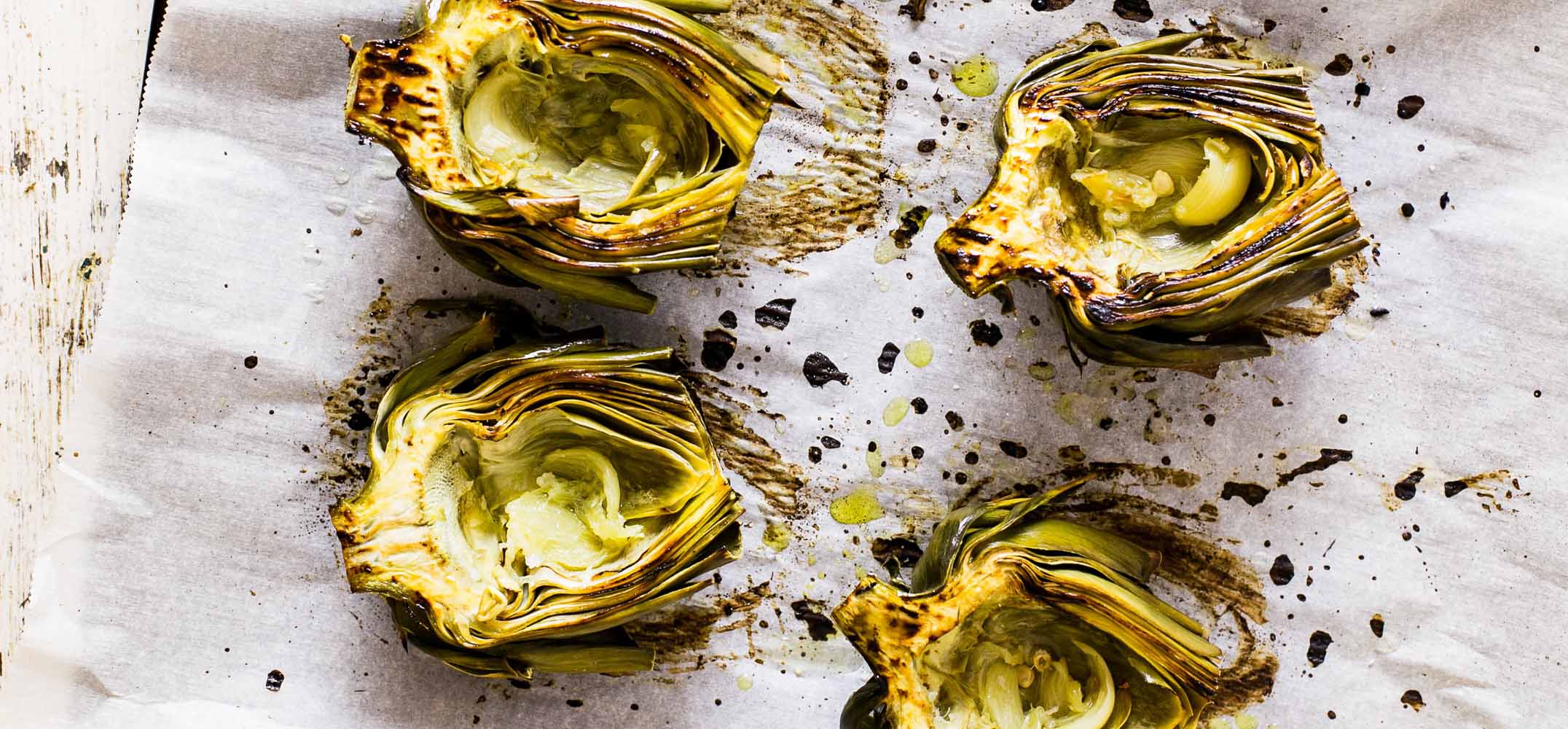
| Artichoke, cooked | 1 medium | 10.3g |
| Asparagus, cooked | 6 spears | 1.8g |
| Brocolli, cooked | ½ cup | 2g |
| Brussel sprouts, cooked | ½ cup | 3g |
| Carrots, raw | ½ cup | 2.3g |
| Edamame beans, cooked | ½ cup | 4.3g |
| Peas, green, cooked | ½ cup | 5.6g |
| Potato/sweet with skin cooked | 1 medium | 3.3-4.3g |
| Spinach, cooked | ½ cup | 3.7g |
| FRUIT | ||
| Avocado | ½ cup | 6.7g |
| Cherries | 20 | 3.4g |
| Guava | 1 fruit | 3g |
| Mango | ½ fruit | 1.7g |
| Orange | 1 medium | 2.3g |
| Pear | 1 medium | 5.3g |
| Raspberries/blackberries | ½ cup | 4-5g |
| WHOLE FOODS, NUTS, SEEDS, SUPPLEMENTS | ||
| Oats, cooked | ¾ cup | 2.8-3.5g |
| Beans, cooked | ¾ cup | 8.6g-13.6g |
| Chickpeas, cooked | ¾ cup | 5.5g |
| Lentils, cooked | ¾ cup | 6.2g |
| Chia seeds | 1 tbsp | 3.7-5g |
| Flaxseeds, ground | 1 tbsp | 1.9 |
| Nuts | ¼ cup | 3-4g |
| Seeds | ¼ cup | 3-3.7g |
| MaxiPrebiotic | Tsp serving | 5.3g |
| Psyllium Husk | 1 tsp | 3.2g-4g |
Ref: Canadian Nutrient File 2015.