Blog

Blog_Oestrogen

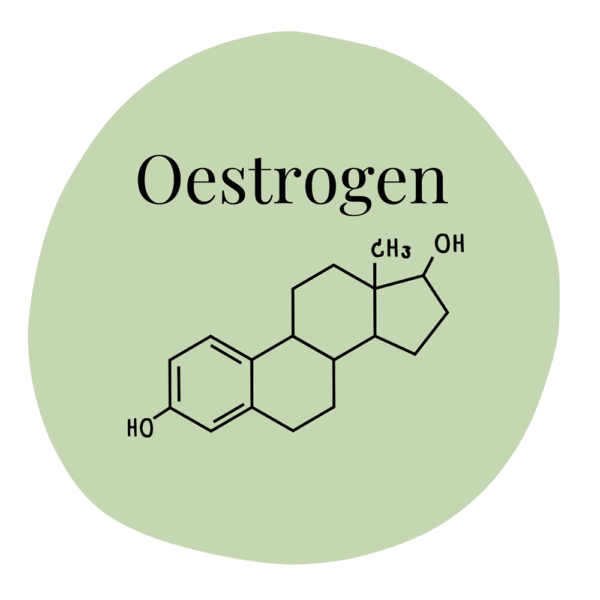
What you need to know about Oestrogen

Oestrogen is often referred to as the matriarch of the female sex hormones, and although one of the most talked about hormones in menopause, there is still so much incredible knowledge about its role in the body that doesn’t get discussed enough. While oestrogen is of course,  well known for...
Blog_Menopause1

What is Menopause?

Menopause is a completely natural biological process that every woman will eventually experience. It’s a hormonal shift where your body transitions to a new normal, following the end of your reproductive years. Around 25 million people experience menopause each year. Even though it impacts half the population, awareness and understanding...
Untitled design

Water Explained

Water Explained Feb 2025   While we can survive weeks without food, we’d only last about three days without water. About 75-85% of our brain tissue, about 83% of our lungs and even 31% of our bones are made up of water.    Not drinking enough water? Here is what...
Untitled design-5

Understanding your blood results

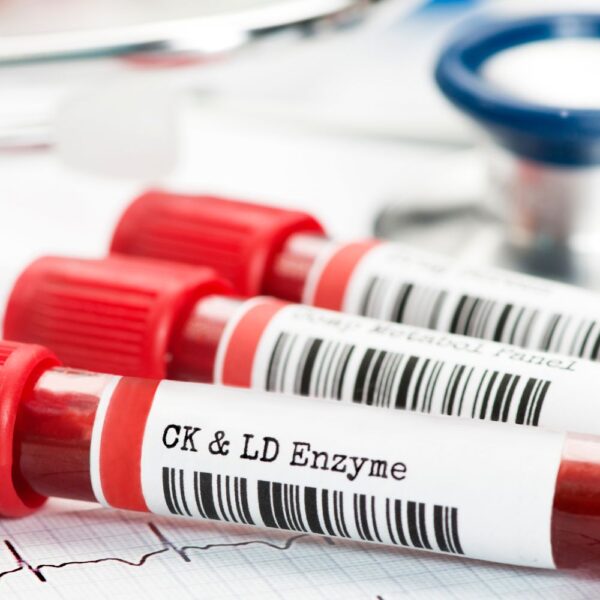
Chances are, if you have ever gone for your yearly check-up, that you have had the fright of your life when your doctor tells you that you have high cholesterol. We know that cholesterol levels can be confusing, and seeing all those different numbers on your blood test might feel...
Blog_NetCarbs

Net Carbs Explained

The concept of net carbs is based on the principle that not all carbohydrates are created equal. Some carbohydrates, like simple or refined starches and sugars, are absorbed rapidly and have a high glycaemic index, causing the blood sugar levels to spike straight after eating. Excess simple carbohydrates are stored...
Blog_Carbs

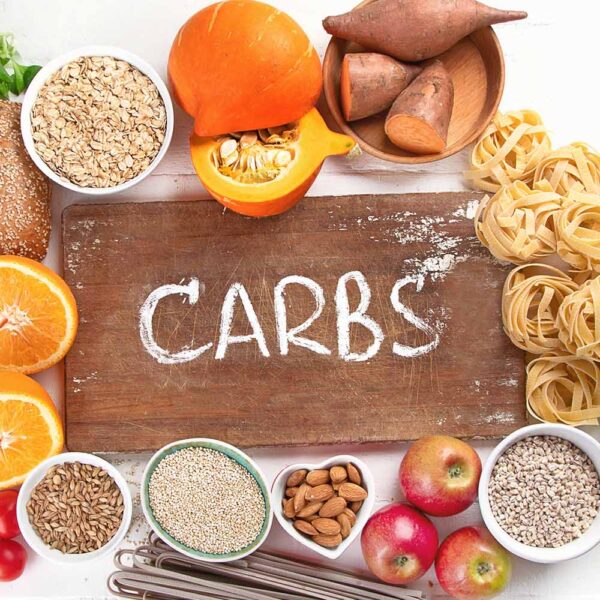
What are carbs exactly?

Carbohydrates are one of the three macronutrients. They are organic compounds like sugars, starches, and fibers, providing energy for the body through glucose. You’ll find carbohydrates in dairy, fruit, vegetables, grains, beans and seeds. The majority of simple carbohydrates eaten eventually turn into glucose molecules after digestion, which is their...
sarcopeniablog

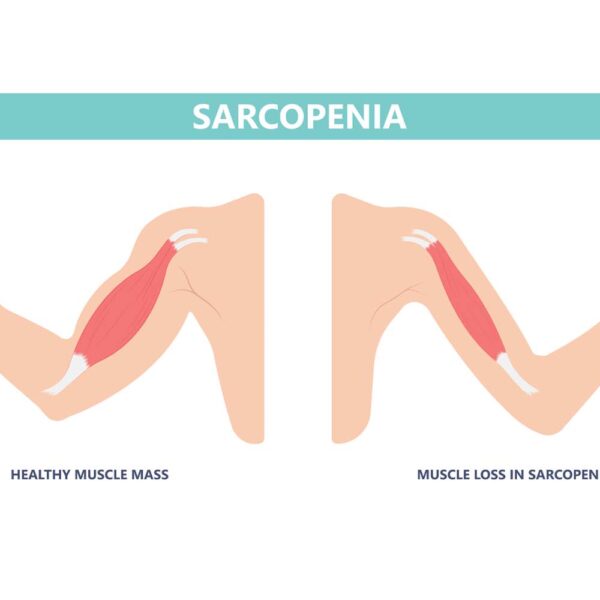
Sarcopenia

Sarcopenia, a Greek term for “poverty of the flesh, ” describes the loss of muscle mass, function and strength from the ageing process. This results in a decreased quality of life, increased falls and injury and inability to perform daily tasks.  “Muscle mass decreases approximately 3–8% per decade after the...
Blog_ImmunoDerm

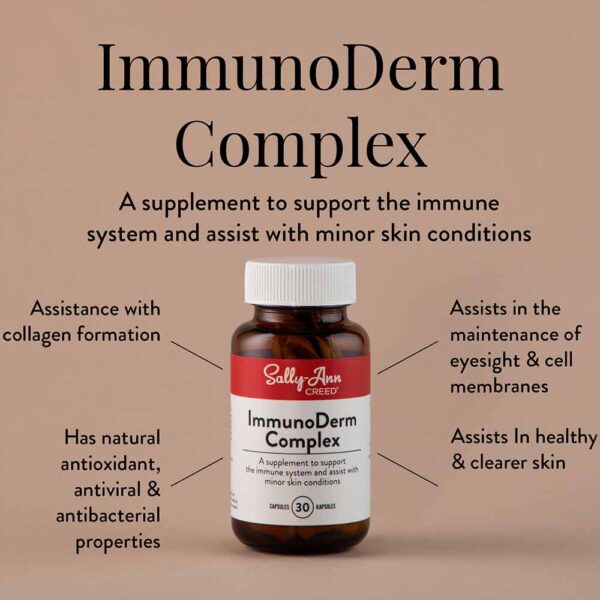
Food and supplements for skin health

This week’s article on foods for your skin is inspired by two articles the office was reading this week. The first article from Cosmetics, a peer-reviewed journal and the second is a 15-year long 2020 study. In the long-term study, they looked at over 700 participants over 45 years of...
Blog_ChocMacadamias

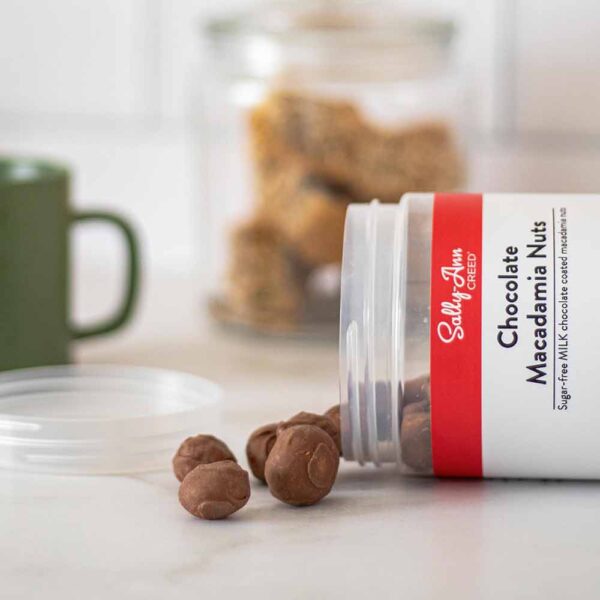
Chocolate Macadamia Nuts

Really – there is nothing better than the deliciousness that you will experience in these air-roasted, chocolate-covered macadamia nuts. An earthy, natural and healthy dessert snack. When feeling like a sweet treat why compromise in health. There’s nothing quite like the combination of smooth, pure sugar-free chocolate and rich, buttery...
Blog_ZincCollagen

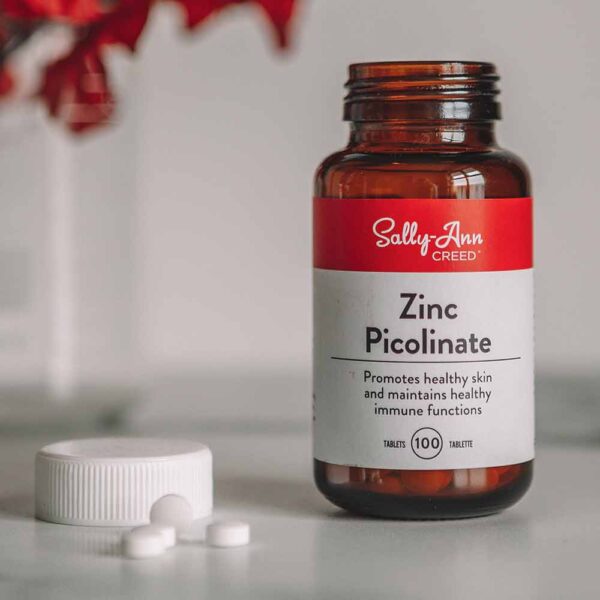
Why Zinc is Critical to collagen absorption

…and what about VITAMIN C? The wonderful thing about taking PURE Hydrolysed Collagen, is that it is easily absorbed, instantly, from the stomach – however there’s a caveat – you need to have the right environment to do so. Collagen-repairing enzymes in the human body are all ZINC-BASED. If you...
Blog_Pirosil

The truth about Pirosil

When we hear the word ‘additive’, we immediately think ‘danger zone’! With growing consciousness around what we put into our bodies, labels that include ingredients such as additives, preservatives, colourants or anything with an ‘E’ followed by a bunch of numbers, are a definite no-no. At Sally-Ann Creed, we advocate...
Blog_Fibre2

The Skinny on Fibre

Why we love fibre: Weight Management: Fibre is perfect for keeping you full and satiated. Sugar Control: Fibre binds to sugar in the gut, releasing them slowly in the blood ensuring that we avoid blood-sugar spikes. Cholesterol Assistance: LDL (type of cholesterol) levels can be reduced as well as their...