Articles


Could low stomach acid be affecting your digestion?
Walk into any pharmacy and you'll see an entire aisle dedicated to one idea: that you have too much stomach acid. Antacids. Acid blockers. Proton pump inhibitors (PPIs) sold over the counter and prescribed by the millions and for many people, they can bring much-needed relief. But there is a narrative that acid is the villain. Suppress it, and everything gets better. Except, like most things in health, the story is more complicated than that. Stomach acid is not the enemy. It is one of the most carefully regulated and biologically expensive secretions the body produces. We need it to digest protein, absorb nutrients, activate enzymes and defend against the microbes that arrive on every bite of food. And while reflux and acid-related irritation are real and most certainly worth treating, there is another side most people have never heard of: stomach acid that is too low. It is called hypochlorhydria when production is reduced, and achlorhydria when it is essentially absent. And the reason it is rarely discussed is not that it is rare. It is because the symptoms look almost identical to the ones we have been taught to blame on the opposite problem. What stomach acid actually does Before talking about what happens when it is low, we should discuss what it does when it is working properly. The stomach maintains a remarkably acidic environment, with a pH between roughly 1.5 and 3.5. That's more acidic than vinegar, on par with lemon juice and a hundred thousand times more acidic than the blood that surrounds it. This acidity does five essential jobs: It unfolds dietary proteins so that digestive enzymes can begin breaking them down into amino acids. It activates pepsin, the main protein-digesting enzyme. Pepsin is released in an inactive form called pepsinogen, and it only becomes active in the presence of acid. It releases nutrients from food. Vitamin B12 must be cleaved from animal protein before the body can use it, and that cleavage depends on acid. Iron, calcium, magnesium and zinc absorption are also influenced by an adequately acidic stomach. It provides a defensive barrier against the bacteria, viruses and parasites that arrive in food and drink, reducing the chance of gastrointestinal infection and bacterial overgrowth further down the digestive tract. It signals the next stage of digestion. When acidic stomach contents move into the small intestine, that acidity triggers the release of bile from the gallbladder and digestive enzymes from the pancreas. Suppress acid for long enough and any of these processes can falter. Why low stomach acid is more common than we think A long-held assumption that gastric acid declines steadily with age has been re-examined in recent years. In healthy adults without underlying disease, acid production actually holds up fairly well into older age. The reason it becomes more common in older people is not age itself, but the accumulated conditions and medications that come with it. The most common contributors to low stomach acid include: Long-term use of acid-suppressing medication, particularly PPIs (omeprazole, lansoprazole and others). These were designed for short-term use, but are frequently taken for years without review. Helicobacter pylori is a bacterium that colonises the stomach lining and can suppress acid secretion over time. It is one of the most common chronic infections in the world. Autoimmune gastritis (also called autoimmune atrophic gastritis), a condition where the immune system mistakenly attacks the cells that make stomach acid (called parietal cells). Because these same cells also produce something called intrinsic factor, a small molecule the body needs to absorb vitamin B12 from food, this condition is closely tied to B12 deficiency and pernicious anaemia (a type of anaemia caused by not being able to absorb B12 properly). Previous gastric surgery, including procedures for weight loss or ulcers. The symptoms (and why they are confusing) The symptoms of low stomach acid overlap almost entirely with the symptoms of too much. Both can cause: Bloating after meals Excessive burping Feeling full quickly Nausea Poor tolerance of protein-rich meals A heaviness or sluggishness after eating Undigested food in the stool Recurrent low iron or B12 on blood tests This is why self-diagnosis is unreliable, and why the standard response "I have indigestion, I'll take an antacid" can sometimes work against you. If reduced acid is part of the picture, suppressing it further may worsen digestion, even if it offers short-term symptomatic relief. How do you actually know if you have low stomach acid? This is one of the harder questions in this whole topic, because there is no single easy test that gives a definitive answer outside of a hospital setting. The baking soda burp test (the traditional at-home version) This is the test that circulates widely online and has been around for decades. The idea is simple chemistry. Mix a quarter teaspoon of baking soda (sodium bicarbonate) into 100–150 ml of cold water and drink it first thing in the morning, on an empty stomach. When sodium bicarbonate meets hydrochloric acid in the stomach, the two react to produce carbon dioxide gas, which causes you to burp. The theory is that if you burp within roughly three minutes you have adequate stomach acid, and if you do not burp at all (or only burp after five or more minutes) your stomach acid may be low. The baking soda test has never been formally validated against a gold-standard medical test and the results are easily influenced by things that have nothing to do with stomach acid such as swallowed air, what you ate the night before, gastric motility, body position and natural fluctuations in stomach pH throughout the day. That said, it is harmless to try and may offer a rough, suggestive clue, particularly if repeated over three to five consecutive mornings and the pattern is consistent. Treat it as a curiosity, not a diagnosis. The Heidelberg pH test Is considered the gold standard for measuring gastric acid. It involves swallowing a small capsule that transmits pH readings from inside the stomach. It is not widely available, and is expensive when accessed privately. Normal Abnormal (low acid) Heidelberg pH test results. In a healthy stomach (left), pH drops sharply after a meal as acid is released. With low stomach acid (right), the pH stays at around 6, indicating little to no acid is being secreted.Source: The Functional Gut Clinic Endoscopy with biopsy Is the definitive test for atrophic gastritis and autoimmune gastritis. A gastroenterologist passes a thin camera into the stomach and takes small tissue samples for analysis. Blood tests Can support the diagnosis and a useful one is serum gastrin (which rises when stomach acid is low, as the body tries to stimulate more production), pepsinogen I and II and the pepsinogen I to II ratio. For suspected autoimmune gastritis, the relevant blood markers are anti-parietal cell antibodies and anti-intrinsic factor antibodies. Indirect markers Indirect markers in routine bloodwork can also raise suspicion: persistently low ferritin, low vitamin B12, low magnesium, or unexplained iron deficiency anaemia. Helicobacter pylori testing Is straightforward and important. It can be done with a non-invasive breath test, stool antigen test, blood test or via biopsy during endoscopy. If positive, it is treatable with a short course of combination antibiotic therapy. A note on reflux Reflux happens when stomach contents move upward into the oesophagus. The oesophagus is not built for acid exposure, so even a normal amount of stomach acid in the wrong place can burn. The crucial point is that reflux is not always a problem of how much acid is being produced. It is often a problem of where the acid is going. The lower oesophageal sphincter, the valve between the stomach and oesophagus, can become weak or relax inappropriately due to hiatus hernia, abdominal pressure, pregnancy, certain foods, smoking, alcohol, obesity or delayed gastric emptying. The acid escapes upward not because there is too much of it, but because the door is not closing properly. This matters because aggressive long-term acid suppression treats the symptom while leaving the underlying mechanical problem untouched, and may introduce new problems of its own. Habits that support healthy digestion Whatever the underlying picture, certain habits support healthy digestion regardless of whether your acid is high, low or perfectly normal: Eat slowly and chew thoroughly. Digestion begins in the mouth. The mechanical breakdown of food and the signalling that prepares the stomach both depend on this first step. Eat in a calm state where possible. The digestive system runs on the parasympathetic nervous system, the "rest and digest" branch. Eating in a rushed, stressed state genuinely impairs digestive function. Include adequate protein. Protein stimulates gastric acid secretion. Eating protein at most meals supports the digestive cascade. Avoid large, heavy meals close to bedtime. Particularly important if you are reflux-prone, since lying flat with a full stomach makes reflux far more likely. Notice your triggers. Alcohol, peppermint, chocolate, deep-fried foods, very spicy foods, coffee and carbonated drinks are common reflux triggers. Triggers are personal. Get the right tests if symptoms persist. If you have ongoing fatigue, hair loss, mouth ulcers, weakness, numbness or tingling, ask your doctor to check iron, ferritin, vitamin B12 and other relevant markers. These can reveal a digestive problem hiding upstream. Be cautious with DIY acid supplements. Supplements designed to replace stomach acid typically contain Betaine Hydrochloride paired with pepsin, taken at the beginning of each meal. Clinically, people often report improvements in bloating, reflux and stool consistency within a few days of starting it. However, this is not a supplement to use casually, particularly if you have reflux, gastritis, ulcers, Barrett's oesophagus or are on anti-inflammatory medication, steroids or blood thinners. It is best used only under the guidance of a qualified practitioner. Try traditional acid-stimulating foods. Cabbage, both fresh and fermented, can be a stimulant of stomach acid production. A small helping of fresh cabbage salad, cabbage juice, or sauerkraut at the start of a meal can be a food-first way to prepare the stomach for what's about to arrive. Bitter greens like rocket and chicory work similarly, as does a small glass of warm lemon water or apple cider vinegar diluted in water before meals. Stomach acid is not the enemy. A healthy digestive system depends on it being present in the right amount, in the right place, at the right time. If your symptoms are persistent, recurring, or not improving with what you have tried, the most useful thing you can do is investigate properly rather than guess. Sometimes the answer is less acid. Sometimes it is more. And sometimes the answer has very little to do with acid at all. The body is not asking us to silence it. It is asking us to listen more carefully. References 1. Maideen NMP. Adverse Effects Associated with Long-Term Use of Proton Pump Inhibitors. Chonnam Medical Journal. 2023;59(2):115–127. pmc.ncbi.nlm.nih.gov/articles/PMC10248387 2. Bhatnagar MS, Choudhari S, Pawar D, Sharma A. Long-Term Use of Proton-Pump Inhibitors: Unravelling the Safety Puzzle. Cureus. 2024;16(1):e52773. pmc.ncbi.nlm.nih.gov/articles/PMC10882567 3. Shahid MS, Ahmed N, Kamal Z, et al. A Systematic Review of Long-Term Use of Proton Pump Inhibitors (PPIs) in Older Adults on Polypharmacy: Do PPIs Deplete Nutrients? Cureus. 2025;17(8):e90888. pmc.ncbi.nlm.nih.gov/articles/PMC12456669 4. Vavallo M, Cingolani S, Cozza G, Schiavone FP, Dottori L, Palumbo C, Lahner E. Autoimmune Gastritis and Hypochlorhydria: Known Concepts from a New Perspective. International Journal of Molecular Sciences. 2024;25(13):6818. pmc.ncbi.nlm.nih.gov/articles/PMC11241626 5. Li P, Zhu W, Ding J, Lei F. Study of Helicobacter pylori infection in patients with chronic atrophic gastritis and its relationship with lifestyle habits and dietary nutrient intake. Medicine (Baltimore). 2024;103(2):e36518. ncbi.nlm.nih.gov/pmc/articles/PMC10783413
Read more
All about Akkermansia
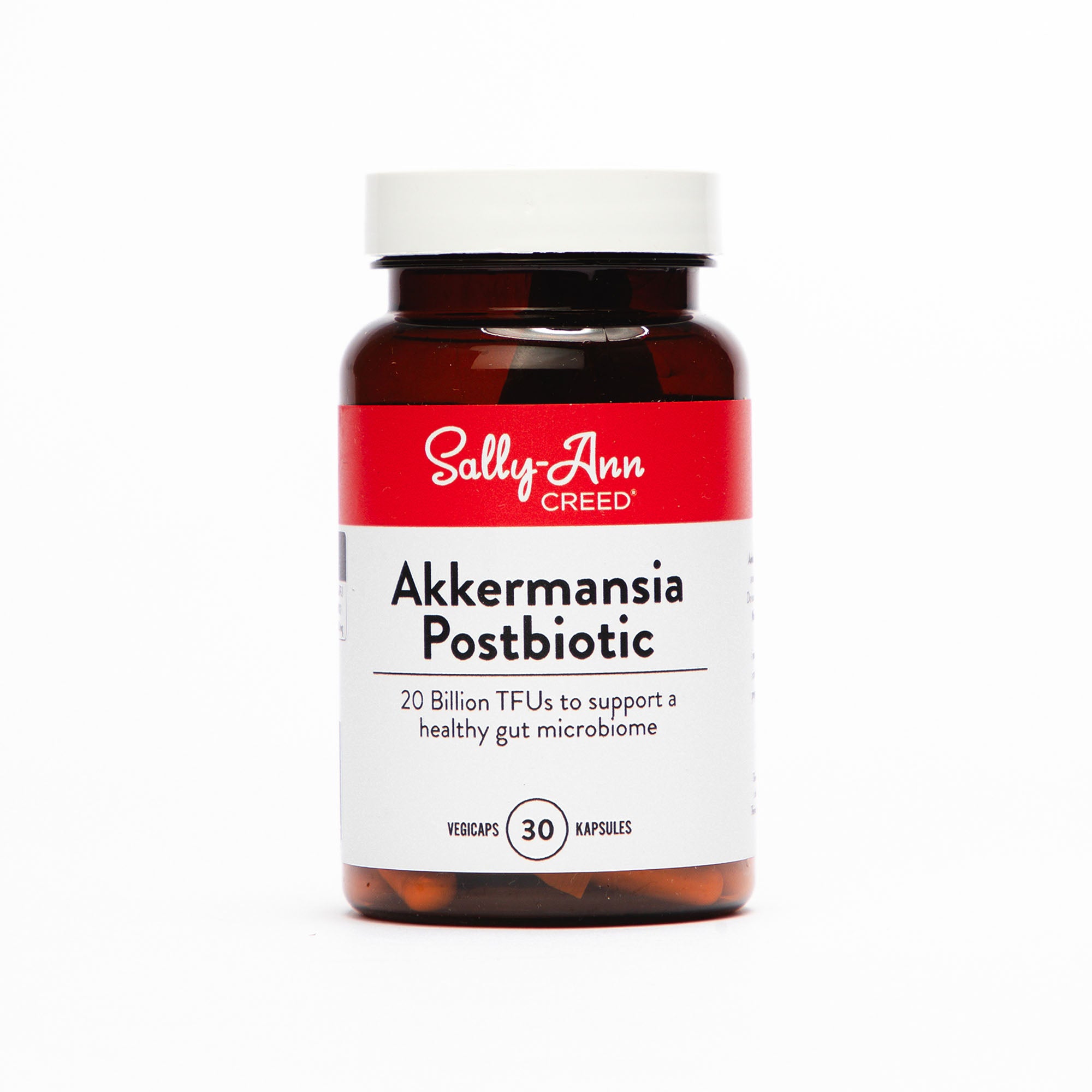
Gut health is a major focus in modern nutrition science. This is because the gut plays a huge role in your immunity, nutrient absorption, metabolism and communication with the rest of the body. That’s why interest in the gut microbiome has grown so rapidly. Among the trillions of microbes that live in the gut, certain species appear to play a more specialised role in supporting gut function and metabolic signalling. If you’ve been hearing more about Akkermansia muciniphila it’s because this unique gut bacterium has shown incredible gut barrier function, metabolic signalling and microbiome health, with human clinical research to support its role. It’s also one of the few so-called “next-generation” gut microbes to be studied in supplement form. Where is Akkermansia muciniphila found? Akkermansia muciniphila is a natural resident of the human gut and was first isolated in 2004, when researchers began identifying microbes that interact directly with the gut’s protective mucus layer. In healthy adults, Akkermansia is estimated to make up around 1-3% of the total intestinal microbiota. While that may sound like a small proportion, its location gives it an outsized influence. Rather than floating freely in the gut, Akkermansia lives in the mucus layer of the large intestine (colon), right next to the gut lining. The mucus layer is the gut’s “protective gel coating” or a physical barrier that helps separate the body from the contents of the digestive tract. Here’s what makes Akkermansia unique: It feeds on mucin, the main building block of this mucus layer In response, the body produces more mucin This helps maintain a strong, healthy gut barrier This discovery reinforced a now well-established concept in nutrition science: the gut microbiota plays an important role in maintaining human health by influencing metabolism and gut barrier function. In population studies, people with higher levels of Akkermansia often show signs of healthier metabolism, such as better blood sugar control, improved insulin sensitivity and lower inflammation. On the other hand, those with lower levels are more likely to show metabolic challenges, including higher blood sugar, insulin resistance and weight gain around the waist. This doesn’t mean Akkermansia causes these outcomes but the association has been observed consistently across multiple studies. Several factors influence Akkermansia levels: Higher fibre intake Colourful, polyphenol-rich plant foods such as berries, pomegranate, cocoa and green tea A generally diverse, plant-rich eating pattern Certain prebiotic fibres, including fructooligosaccharides (FOS) and galactooligosaccharides (GOS), have also been shown to increase Akkermansia levels in some individuals. What is postbiotic Akkermansia? You may be familiar with probiotics (live bacteria), but postbiotics are different. Postbiotics are defined as non-living microorganisms or their components that provide health benefits. In the case of Akkermansia, postbiotic formats typically use pasteurised (heat-inactivated) Akkermansia muciniphila. While the bacteria are no longer alive, their structural components remain intact and can still interact with the gut lining. Akkermansia’s benefits appear to come largely from how it communicates with the gut lining, rather than from colonising the gut long-term like traditional probiotics. Benefits of postbiotic Akkermansia: Interact with the gut mucus layer and gut lining cells Support gut barrier signalling Influence metabolic and immune communication pathways Human research shows in a randomised, double-blind, placebo-controlled trial pasteurised Akkermansia muciniphila was shown to be safe and well tolerated over three months, with improvements in insulin sensitivity and cholesterol markers in overweight, insulin-resistant adults. Is it safe? Yes. The European Food Safety Authority (EFSA) has published scientific opinions concluding that pasteurised Akkermansia is safe (of course not all populations would be suited eg young children, immunocompromised, oncology patients etc). This independent safety assessment provides an added layer of reassurance for consumers. Why choose a postbiotic Akkermansia supplement? As we always say, diet remains the foundation of gut health. Having said that, a postbiotic Akkermansia supplement can be helpful because: You can’t get Akkermansia from food (it’s not found in fermented foods or standard probiotics) Stability and tolerance (because the bacteria are inactivated, postbiotics don’t need to survive digestion and are often perceived as gentler) Our targeted formulation combines: 20 billion TFU of postbiotic Akkermansia muciniphila AKK001 350 mg FOS (fructooligosaccharides), a well-studied prebiotic fibre This dual approach is designed to deliver the studied functional components of Akkermansia, as well as support a fibre-nourished gut environment that benefits the wider microbiome. Rather than focusing on digestion alone, this formula is designed to support gut barrier resilience and metabolic communication- two areas where Akkermansia appears to play a uniquely important role. Sources: Cani PD, de Vos WM. Next-generation beneficial microbes: the case of Akkermansia muciniphila. Front Microbiol. 2017;8:1765. Published September 22, 2017. doi:10.3389/fmicb.2017.01765 Thursby E, Juge N. Introduction to the human gut microbiota. Biochem J. 2017;474(11):1823-1836. Published 2017 May 16. doi:10.1042/BCJ20160510 Geerlings SY, Kostopoulos I, de Vos WM, Belzer C. Akkermansia muciniphila in the human gastrointestinal tract: when, where, and how? Microorganisms. 2018;6(3):75. doi:10.3390/microorganisms6030075 Everard A, Belzer C, Geurts L, Ouwerkerk JP, Druart C, Bindels LB, Guiot Y, Derrien M, Muccioli GG, Delzenne NM, de Vos WM, Cani PD. Cross-talk between Akkermansia muciniphila and intestinal epithelium controls diet-induced obesity. Proc Natl Acad Sci U S A. 2013 May 28;110(22):9066-71. doi: 10.1073/pnas.1219451110. Epub 2013 May 13. PMID: 23671105; PMCID: PMC3670398. Dao MC, Everard A, Aron-Wisnewsky J, Sokolovska N, Prifti E, Verger EO, Kayser BD, Levenez F, Chilloux J, Hoyles L; MICRO-Obes Consortium; Dumas ME, Rizkalla SW, Doré J, Cani PD, Clément K. Akkermansia muciniphila and improved metabolic health during a dietary intervention in obesity: relationship with gut microbiome richness and ecology. Gut. 2016 Mar;65(3):426-36. doi: 10.1136/gutjnl-2014-308778. Epub 2015 Jun 22. PMID: 26100928. Liu E, Ji X, Zhou K. Akkermansia muciniphila for the Prevention of Type 2 Diabetes and Obesity: A Meta-Analysis of Animal Studies. Nutrients. 2024 Oct 11;16(20):3440. doi: 10.3390/nu16203440. PMID: 39458436; PMCID: PMC11510203. Depommier C, Everard A, Druart C, et al. Supplementation with Akkermansia muciniphila in overweight and obese human volunteers: a proof-of-concept exploratory study. Nat Med. 2019;25(7):1096-1103. doi:10.1038/s41591-019-0495-2 EFSA NDA Panel (EFSA Panel on Nutrition, Novel Foods and Food Allergens). Scientific opinion on the safety of pasteurised Akkermansia muciniphila as a novel food pursuant to Regulation (EU) 2015/2283. EFSA J. 2021;19(9):6780. doi:10.2903/j.efsa.2021.6780 EFSA NDA Panel (EFSA Panel on Nutrition, Novel Foods and Food Allergens). Safety of the extension of use of 3-fucosyllactose (3-FL) as a novel food pursuant to Regulation (EU) 2015/2283. EFSA J. 2025;23(4):e9370. doi:10.2903/j.efsa.2025.9370
Read more
Free-range, pasture-raised, organic: what to look for
When it comes to choosing poultry and meats, you’ve probably heard terms like “free range”, “pasture-raised,” and “organic” but what do they really mean? Food labels can be tricky, as many companies use misleading terms to make their products seem more sustainable (a practice known as “greenwashing”). At Sally-Ann Creed, we believe that knowledge is power, and that includes knowing about labels and claims. So let’s learn more about what the terms, free-range, pasture raised and organic really mean, so that we can make better and more informed choices. Free-Range: Currently, in South Africa, there are no specific legislation regulating free-range chicken farming. The South African regulations for poultry meat are set out in R946/1992 by the Department Of Agriculture, Forestry And Fisheries and state: Now what many consumers are asking is, “what if the “access” is only 30cm high and wide?”, “How often do the birds actually get to go outside?” These concerns highlight the need for more transparency and stricter enforcement of standards to ensure that “free range” truly means animals are living in conditions that allow them to behave naturally. Apart from the above, voluntary guidelines set by the South African Poultry Association (SAPA) and the Five Freedoms appeared to be the main used criteria. The South African Meat Industry Company (SAMIC) is assigned to do the audits at various points in the supply chain, including farms, abattoirs, feedlots, deboning facilities and retail outlets. The South African Poultry Association has developed its own minimum standards to guide broiler and layer production. According to their Codes of Practice, all birds, whether raised in housing, cages, free range or organically, should have access to the five basic freedoms identified by the World Animal Organisation. These are: Freedom from hunger, malnutrition and thirst via the availability of freshwater and the appropriate feed. Freedom from fear and distress by providing conditions and care which avoid undue suffering. Freedom from abnormal discomfort via the provision of adequate shelter. Freedom from pain, injury and disease via the provision of appropriate prevention or alternatively, rapid diagnosis and treatment of normal pathological conditions. Freedom to express normal patterns of animal behaviour, by supplying sufficient space in suitable facilities and in the company of the animal’s own kind Interestingly, certain stores and providers have their own “free range guidelines” that their suppliers and farmers have to adhere to. Topic SA did a very interesting article on Free Range Label Claim in Pick n Pay Eggs (read more here). Pasture-Raised Poultry: The terms pasture-raised and free-range are often used interchangeably, but they are not the same. True pasture-raised poultry is raised outdoors year-round, moving regularly (often daily) to fresh pasture. Pasture-raised poultry goes beyond the basic “free-range” definition by emphasising the natural, year-round outdoor lifestyle of the birds. Unlike free-range systems, which may allow birds limited outdoor time, pasture-raised chickens are moved regularly to fresh pasture, giving them more space to roam and forage for insects, seeds and plants. There is also no law governing labelling pasture raised poultry. Though similar to free-range, pasture-raised poultry is a more intensive system. This is more time-consuming and requires a lot more observation and manual control by the farmer. According to pasture-based farmer Darby Simpson: “When you buy pasture-raised poultry, you’re paying for the farmer’s time and care in ensuring their birds live in the best possible conditions.” Organic Poultry: Farmers rely on independent organisations to certify their products as organic. To be considered organic, poultry must meet strict standards, often certified by independent organisations. Each certification body has its own set of requirements, but in general, food can only be considered organic if it is grown or raised as naturally as possible, without antibiotics, synthetic fertilisers or chemical pesticides. The South African Organic Sector Organisation (SAOSO) sets out the standards for smallholders to follow in organic poultry farming. These standards cover various aspects of poultry production, including access to outdoor space, natural feed without genetically modified ingredients, humane treatment and sustainable farming practices. Organic poultry must have space to roam freely, ensuring they are not confined to cages or overcrowded conditions. Their diet should consist of organic feed, free from synthetic additives, growth hormones or animal by-products. So, what’s best for you? The decision between free-range, pasture-raised, and organic poultry depends on your values. Each of these labels has its benefits, but knowing the standards behind them helps ensure that your choice is both healthy and ethical. While some labels are regulated, many are not, making it difficult to determine which claims are trustworthy. The most reliable labels are backed by third-party certification, ensuring the claims are independently verified. This often requires us to be curious consumers.
Read more
Water Explained
Water Explained Feb 2025 While we can survive weeks without food, we’d only last about three days without water. About 75-85% of our brain tissue, about 83% of our lungs and even 31% of our bones are made up of water. Not drinking enough water? Here is what happens in our body. 💧Reduced blood volume – fatigue, dizziness and reduced circulation. 💧Constipation- not drinking enough water can lead to constipation and gas as water helps soften our stool. 💧Impaired temperature regulation- sweat which is made up mainly of water is how our body balances our temperature and cools us down. 💧Dry skin- adequate water intake helps maintain skin hydration by supporting the skin’s natural moisture barrier, which prevents water loss. 💧Reduced kidney function – our kidneys rely on water to help filter waste and maintain a proper balance of our electrolytes. Low water intake can lead to UTIs, kidney stones or build up of toxins. 💧Headaches, poor concentration- due to changes in blood volume in our brain which reduces oxygen supply. 💧Poor performance- as water helps our body transport nutrients and regulate temperature. Daily water requirements: No single formula applies to every individual or situation. Water needs vary depending on factors such as activity level, humidity, climate, body temperature, and body composition. Generally, there are five main recommendations in giving an estimate of how much water you need a day. Listen to your body. Let thirst guide you and drink enough water so that your urine is pale yellow. About 8-10 cups of water a day. 30ml of water per 1 kg of body weight. Adequate intake of 2.0 litres/day for adult females and 2.5 litres/day for males in conditions of moderate environmental temperature and moderate physical activity (study 3). 2.7 litres for women and 3.7 litres for men for dietary reference intake from the Institute of Medicine, including all water contained in food, beverages, and drinking water (study 4). Water Benefits in Science: An awesome 2024 review looking at clinical trial outcomes in daily water intake showed some very interesting results, here’s a summary of the main points: Four studies looked at overweight and obese adults, they were told to consume 1.5L of water per day and before meals for 12 weeks to 12 months, results showed greater weight loss compared with those in the control groups, between 44-100% more weight loss vs control groups. “Premeal water intake may induce weight loss through stomach filling, leading to earlier satiety or by replacing high-calorie beverages.” Water also plays a crucial role in breaking down fat, a process called lipolysis. This is important for weight loss because it enables your body to convert stored fat into energy. Staying hydrated helps your body carry out lipolysis effectively, supporting your efforts to lose weight. Increasing daily water intake can significantly reduce the occurrence of kidney stones and extend the time between stone events, while also lowering the risk of stone formation in healthy individuals by decreasing the concentration of salts that contribute to stones. Another great benefit of water? The reduction in urinary tract infections (UTI’s). Women who frequently experience UTIs and drink less than 1.5L of fluids daily saw fewer infections and longer gaps between them when they increased their water intake by 1.5L per day. The reason was thought to be because water diluted and flushes bacteria, improving clearance of the bacteria and inhibiting them from attaching to our epithelial cells. If you have come across an article or study that you’d like us to summarise or analyse, just share the link! Our team, including our dietitian and food scientist, are ready to dive in and provide you with insights. Water and collagen Electrolytes: When you think of hydration, the first thing that likely comes to mind is water. But did you know that drinking water alone isn’t always enough to keep your body balanced and functioning at its best? When we sweat, we lose water, which accounts for 99% composition of sweat but the remaining 1% consists of electrolytes. So if we only rehydrate with water we are not replacing electrolytes lost as well. But there is also something known as hyperhydration, the opposite of not drinking enough fluids, where there is an excess of body water, which dilutes your body of electrolytes and causes a variety of health symptoms and risks. In our body, you will find water in our cells and outside the cells (approximately 65% intracellular and 35% extracellular). Electrolytes are incredibly important as water follows the movement of electrolytes. In other words, electrolytes regulate where water is in the body, affecting cell functions. The essential electrolytes are sodium, chloride (the main electrolytes lost in sweat) as well as potassium, magnesium, bicarb, phosphorus and calcium. In our body they are responsible for muscle contraction and relaxation, nerve function, pH balance, hormone regulation and can even affect our blood pressure, energy control and glucose control. Symptoms of deficiencies include headaches, cramping, muscle twitching and fatigue. The different electrolyte functions and deficiency symptoms are listed at the bottom of our post: So when do you need to hydrate with electrolytes? Research from 2021, has shown that individuals have a 50% increased risk of muscle cramps from hydrating with water only, during intense exercise and those who have high sweat rates. This would also include days that are very hot, which will result in excessive sweating, or any period where you are excreting a lot of water and not able to replenish electrolytes from food sources (think vomiting, diarrhoea etc). Supplement with electrolytes when necessary: To ensure that you are keeping your body in homeostasis and balance, and when you cannot get your adequate intake from food and if your body is dehydrated, that’s the time to consider an electrolyte drink. Some are not even aware or feel the effects of dehydration, but if you’ve been sweating, overloading with water or engaging in intense exercise, your body is likely deficient in much-needed electrolytes. That said, not all electrolyte supplements are created equal, so there are some things to look out for when choosing the right option for you: Some products are loaded with sugar and artificial ingredients, that bright green and dark blue colour did not get that way naturally. They add colours to entice you but their ingredients are far from natural and healthy. While flavour itself isn’t a problem, limit artificial flavours and aim for naturally flavoured alternatives. That is why we are so proud of our ProHydrate+. A brilliant, zero nasty, cane sugar free, natural flavoured alternative to most commercial rehydration drinks, that will replenish your body’s lost electrolytes and keep your hydration levels at the perfect level. Prohydrate+ Why we chose our ingredients Natural Lemon Flavouring: Provides a refreshing taste without artificial additives, making it enjoyable to drink and encouraging consistent hydration. Inulin: A prebiotic fibre used for its benefit in gut health, aids digestion, and enhances the absorption of minerals like calcium and magnesium for better electrolyte balance. Collagen: Helps maintain healthy joints, skin, and connective tissues, making it ideal for active individuals and those prioritising long-term wellness. KetoSweet (Erythritol and Monk Fruit Extract): Offers natural, low-calorie sweetness without spiking blood sugar levels, making it suitable for those on keto or low-carb diets. Electrolytes (Sodium Chloride, Bicarbonate, Potassium Chloride): Sodium Chloride: Replenishes salt lost through sweat, maintaining fluid balance and preventing dehydration. Bicarbonate: Helps regulate pH levels, reducing acidity in the body during intense exercise or illness. Potassium Chloride: Supports muscle function, reduces cramps, and aids in maintaining proper electrolyte equilibrium. How does our ProHydrate+ compare to other unnamed products on the market? Other brands contained dextrose monohydrate, maltodextrin or sucrose, ProHydrate+ is sugar free. Unlike other brands that have colourants such as E133, we chose to stay pure, with only natural flavouring. We added the benefit of inulin and collagen for a happier gut. Different types of water- is it safe to drink? The 2024 Independent Blue Drop Report shows that 87% of municipal drinking water meets safety standards for consumption. An interesting article, where Craig Sheridan, Professor, University of the Witwatersrand quoted, “As a general rule, South Africa’s water works are able to remove almost all chemicals such that the water is safe to drink. The water treatment works also disinfect the water, killing harmful bacteria and viruses. This is primarily done with chlorine, but the water is overdosed slightly. This leaves a little chlorine in the water for “residual” disinfection. The residual chlorine travels with the water down the pipe to the reservoir and into your home, keeping the water pathogen free.” It all depends on where you live, different areas have different water treatment facilities as well as exposure to natural minerals in the water. In most cases, tap water is safe to drink, especially in larger cities where consistent water pressure helps keep contaminants out of the system. The presence of residual chlorine is also a good sign that the water supply is well-maintained. However, this depends on water treatment facilities operating effectively, which isn’t always guaranteed. If you would like to read more about the results from the independent study in 2024, here is the link attached. https://www.artikels.afriforum.co.za/wp-content/uploads/2024/12/2024-AfriForum-Blue-and-green-drop-project-report.pdf For example, in Cape Town, testing is done weekly, with over 6000 tests done annually ( report ). Looking at other articles, one study found that distributed bottled water actually contained more E.Coli than tap water in Pretoria. Another found that tap water was generally safe in rural areas of Limpopo, however, due to inconsistencies with the water treatment plant it was not as trustworthy. Another study found some agricultural contaminants in tap water (they did use a small sample size however). So the safety of tap water does truly depend on your area (most areas were generally safe to consume and regularly tested). It also depends on what you look at. From our point of view, the biggest concern is pathogenic bacteria (which can cause illness), others may focus on microplastics, pesticides or minerals. Flavoured waters- sugar content examples (per 500ml) The team chose random brands to analyse how much sugar is in common sugar-containing drinks, the results shocked us and reminded us the importance of being mindful of looking at nutritional labels. Flavoured water- ~20g sugar (5 teaspoon of sugar) Fizzy sodas- 15-64g of sugar (4-16 teaspoon of sugar) Energy drink- ~39-54g sugar (13.5 teaspoon of sugar) Sports drink- ~32g sugar (8 tsp sugar) Alternative “water” drinks? 💦Coconut water– interestingly, some brands also had ~15g of sugar/500ml so it is also important to look at labels. Looking at the potassium content, at 1040mg per 500ml, naturally rich in potassium, making it a great option for hydration and electrolyte balance. As we’ve mentioned, potassium helps with muscle function, nerve signalling, and regulating blood pressure. Furthermore, there is about 140-250mg of sodium and 60mg of magnesium/500ml of coconut water. 💦Aloe water- certain brands with 32g of sugar/500ml, aloe water helps keep you hydrated and may contain small amounts of potassium, sodium (~72mg/500ml) and magnesium which support electrolyte balance. 💦Chia seed water– with ~44g of sugar and surprisingly ~1g of fibre/500ml chia seed water, the team suggests that you rather make your own at home. That way you can decide the sugar content and ensure that you get the added benefit of fibre.
Read more
Sarcopenia
Sarcopenia, a Greek term for “poverty of the flesh, ” describes the loss of muscle mass, function and strength from the ageing process. This results in a decreased quality of life, increased falls and injury and inability to perform daily tasks. “Muscle mass decreases approximately 3–8% per decade after the age of 30 and this rate of decline is even higher after the age of 60”- Current Opinion in Clinical Nutrition & Metabolic Care Firstly, it is important to recognise symptoms of sarcopenia. Do I struggle to lift more than 4.5kg? Do I have difficulty walking across the room? Do I have a weak grip strength? Have I fallen more than once this year? If you have answered yes to any of the above questions then let’s have a look at how a functional nutrition approach can help. 💪Total calorie intake is important for ageing. So often we see in older clients and patients that there is a tendency to under-eat due to taste changes, decreased appetite and eating difficulties. It is important for us to monitor that we are getting in enough energy from a balanced, nutritious diet that will support our body. If we under-eat, our body naturally uses fat for fuel, and then muscle for energy to live and move. On the other hand, we also often eat too much, but have an “empty calorie” intake, meaning that we eat non-nutritious foods but high in calories (think chips or pastries). 💪Focusing on ensuring that we get enough protein in our ageing years is vital for muscle loss prevention. The minimum of 0.8g/kg/day is what we look for, with the aim of at least 1.2-1.6g/kg per day for older adults’ metabolism and if living with illness or disease (link). Simple ways to reach this easily? Aim for at least around 20-35g of protein per meal Trying to eat protein first before carbohydrates (so we don’t get full) Whey protein is also a supplement to consider if you are not getting enough protein in the day. Whey protein also contains leucine which is an amino acid that is involved in muscle maintenance. Collagen supplementation is also important because as we age our body produces less and less natural collagen, and collagen is important for the creation of muscle protein. 💪Micronutrients such as vitamin D which is an important supplementation for sarcopenia prevention. This is a fat soluble vitamin that is involved in calcium absorption, bone formation and helps maintain muscle strength and function. A very interesting study showed that in their research, there is a TWO TIME greater risk of sarcopenia in those who are vitamin D deficient. Another nutrient to watch for is the anti-inflammatory omega 3. If you are not getting two portions of fatty fish a week or regularly consume chia seeds or flaxseed oil- an omega 3 supplement is needed. Omega 3 may help with muscle growth and intramuscular strength. The reason is because temporary or long term inflammation causes a decline in protein synthesis (making muscles) as well as increases muscle breakdown. According to a research article in Metabolism, the Mediterranean diet is thought to help with sarcopenia, because it is rich in vitamin E, vitamin C, vitamin A and phytochemicals. Lastly, along with nutrition, exercise is the most effective intervention for improving quality of life in sarcopenic patients. Rogan Heyns, a local Capetonian biokineticist, mentions that he uses the following as outlined by the American College of Sports Medicine (ACSM): Progressive Resistance Training: This involves using weights, resistance bands, or body weight to progressively increase the load on muscles. It helps stimulate muscle growth and strength. Exercise Frequency: At least 2-3 days per week of resistance training is recommended, targeting all major muscle groups. Intensity: The intensity should be moderate to high (around 60-80% of the individual’s one-rep max). Initially, beginners may start with lighter loads and progressively increase. Functional Exercises: Focus on movements that mimic daily activities, such as squats, lunges, and stair climbing, to improve overall mobility and balance. Combining Aerobic Exercise: While resistance training is key, incorporating aerobic exercises (e.g., walking, cycling) helps maintain cardiovascular health and overall fitness, which supports muscle preservation. Consistent training helps to maintain or rebuild muscle mass, strength, and function, which is crucial in preventing frailty and improving the quality of life in older adults (link).
Read more
Collagen, zinc and vitamin C
Collagen, zinc and vitamin C A closer look at the trio that work together Collagen is the most abundant protein in your body. It holds your skin together, cushions your joints, lines your gut, supports your tendons and ligaments, and gives every connective tissue its strength and structure. It is, quite literally, the protein that holds you together. You will often see claims that hydrolysed collagen is “instantly absorbed from the stomach.” That is not quite how it works, and the difference is quite important. What collagen actually does, and where it goes Hydrolysed collagen has already been pre-broken into smaller chains of two or three amino acids, known as dipeptides and tripeptides. These small fragments are then absorbed in the small intestine, not the stomach, where specialised peptide transporters carry them into the bloodstream. From there, they travel through circulation and are taken up by collagen-rich tissues such as skin, joints and the gut lining, where they act as biological signals to your fibroblasts, the cells responsible for producing new collagen. What are fibroblasts? Fibroblasts are the cells that help make collagen. They are found in connective tissue and play an important role in keeping skin, joints, tendons and ligaments strong, supported and able to repair. In other words, collagen does not magically rebuild your skin. It signals your body to do it. And whether your body is in a position to respond well to that signal depends on a few other things. Do you need zinc to absorb collagen? No, collagen supplementation or collagen from food will still be absorbed into your body, but zinc does play multiple, essential roles in the collagen story, and the science is fascinating once you understand it. Zinc is a cofactor of an entire family of enzymes called matrix metalloproteinases, also known as MMPs. This sounds very complex, but basically these zinc-dependent enzymes are in charge of collagen turnover throughout the body. They help break down old, damaged collagen so that new collagen can replace it. Without adequate zinc, this remodelling process may slow down. If we look at the science, recent dermatology research has shown how MMPs are central to skin ageing, particularly in the context of UV-related collagen breakdown. But zinc does not only help break down old collagen. It is also important to fibroblast function and DNA synthesis, so your body can manufacture new collagen molecules in the first place. It also plays a role in wound healing, tissue repair and the production of stomach acid. And that last point matters more than people realise. Adequate stomach acid is needed to digest dietary protein properly, including collagen from food. If zinc status is low, stomach acid production may also be affected, and that can affect the body’s ability to use the nutrients needed for healthy skin, hair and connective tissue. Zinc helps your body break down old collagen, build new collagen, and support the repair process. What about vitamin C? Vitamin C is one of the most important nutrients for collagen production. Our body needs vitamin C to help turn collagen amino acids into strong, stable collagen fibres. Without enough vitamin C, collagen cannot form properly. This is why severe vitamin C deficiency, known as scurvy, causes problems such as bleeding gums, fragile blood vessels, poor wound healing and weak connective tissue. Importantly, vitamin C is not required for the absorption of supplemental collagen peptides. Those are absorbed independently and mainly in the small intestine. But once those amino acids and small peptides are in the body, vitamin C is needed to help turn them into proper, functional collagen. Vitamin C also acts as an antioxidant. It helps protect existing collagen from oxidative stress caused by things like UV exposure, pollution, stress and normal everyday wear and tear. In this way, vitamin C supports collagen in two ways: it helps with new collagen formation and helps protect the collagen you already have. Clinical research generally supports 200 to 500 mg daily for collagen support. Splitting that into two doses, such as morning and afternoon, may be more useful than a single large dose because vitamin C is water-soluble and the body absorbs it more efficiently in smaller amounts. Collagen peptides provide building blocks. Vitamin C helps your body use those building blocks to make strong collagen. The Sally-Ann Creed approach Our approach is simple: food first, always, then targeted support where it is needed. Collagen, zinc and vitamin C each support a different part of the same bigger picture, which is helping your body maintain healthy connective tissue from the inside out. Collagen peptides provide building blocks. Zinc supports repair and renewal. Vitamin C helps your body build strong collagen. ❤ References 1. Alberts A, Moldoveanu ET, Niculescu AG, Grumezescu AM. Vitamin C: A Comprehensive Review of Its Role in Health, Disease Prevention, and Therapeutic Potential. Molecules. 2025;30(3):748. doi:10.3390/molecules30030748. pmc.ncbi.nlm.nih.gov/articles/PMC11820684 2. Feng L, Liu D, Cheng L. Matrix Metalloproteinases on Skin Photoaging. Journal of Cosmetic Dermatology. 2024. doi:10.1111/jocd.16558. pmc.ncbi.nlm.nih.gov/articles/PMC11626319 3. Virgilio N, Schön C, Mödinger Y, et al. Absorption of bioactive peptides following collagen hydrolysate intake: a randomized, double-blind crossover study in healthy individuals. Frontiers in Nutrition. 2024;11:1416643. doi:10.3389/fnut.2024.1416643. This article is for educational purposes only and is not intended to replace medical advice. Please consult a qualified healthcare practitioner for personal health concerns or before starting a new supplement.
Read more
Sarcopenia
Sarcopenia, a Greek term for “poverty of the flesh, ” describes the loss of muscle mass, function and strength from the ageing process. This can result in a decreased quality of life, increased falls and injury and inability to perform daily tasks. Did you know that after the age of 60, adults generally lose around 8% muscle mass per decade. So how can we prevent or slow this process from happening to help our family, parents and friends? Firstly, it is important to recognise symptoms of sarcopenia. Do I have difficulty lifting or carrying more than 4.5kg? Do I have difficulty walking across the room? Do I have a weak grip strength? Have I fallen more than once this year? If you have answered yes to any of the above questions then let’s have a look at how a functional nutrition approach can help. Total calorie intake is important for ageing. So often we see in older clients and patients that there is a tendency to under-eat due to taste changes, decreased appetite and eating difficulties. It is important for us to monitor that we are getting in enough energy from a balanced, nutritious diet that will support our body. If we under-eat, our body naturally uses fat for fuel, and then muscle for energy to live and move. On the other hand, we also often eat enough calories, but have an “empty calorie” intake, meaning that we eat non-nutritious foods but high in calories (think chips or pastries). Focusing on ensuring that we get enough protein in our ageing years is vital for muscle loss prevention. At least 0.8g/kg/day with the aim of at least 1g/kg per day to 1.2-1.6g/kg per day for older adults’ metabolism and if living with illness or disease. Simple ways to reach this easily, will be to ensure that we have protein at each meal (aiming for around 25-35g of protein per meal) and ensuring that we eat protein first before carbohydrates (so we don’t get full). Whey protein is also a supplement to consider if you are not getting enough protein in the day. Whey protein also contains leucine which is an amino acid that is involved in muscle maintenance. Another reason why we love collagen is that, as we age- our body produces less and less natural collagen, and collagen is important for the creation of muscle protein such as creatine which stimulates muscle growth and repair. Vitamin D is an important supplementation for sarcopenia prevention. This is a fat soluble vitamin involved in calcium absorption, bone formation and helps maintain muscle strength and function. Another nutrient to watch for is the anti-inflammatory omega 3. If you are not getting two portions of fatty fish a week or regularly consume chia seeds or flaxseed oil- an omega 3 supplement is needed. Omega 3 may help with muscle growth and intramuscular strength. Lastly, along with nutrition, exercise is the most effective intervention for improving quality of life in sarcopenic patients. Rogan Heyns, a local Capetonian biokineticist, mentions that he uses following as outlined by the American College of Sports Medicine (ACSM): Progressive Resistance Training: This involves using weights, resistance bands, or body weight to progressively increase the load on muscles. It helps stimulate muscle growth and strength. Exercise Frequency: At least 2-3 days per week of resistance training is recommended, targeting all major muscle groups. Intensity: The intensity should be moderate to high (around 60-80% of the individual’s one-rep max). Initially, beginners may start with lighter loads and progressively increase. Functional Exercises: Focus on movements that mimic daily activities, such as squats, lunges, and stair climbing, to improve overall mobility and balance. Combining Aerobic Exercise: While resistance training is key, incorporating aerobic exercises (e.g., walking, cycling) helps maintain cardiovascular health and overall fitness, which supports muscle preservation. Consistent training helps to maintain or rebuild muscle mass, strength, and function, which is crucial in preventing frailty and improving the quality of life in older adults. *For the science gurus out there, have you heard about Beta-hydroxy-Beta-methylbutyrate (HMB)? This is a derivative of Leucine (an amino acid involved in protein synthesis). Research showed that taking 3-4 grams of HMB each day for 7 days to 6 months was much better at preventing muscle loss compared to a placebo. Similarly, other studies with older adults found that HMB helps maintain muscle mass during times of bed rest. Definitely, a supplement that we can watch research for. References: https://ajcn.nutrition.org/article/S0002-9165(22)03162-8/fulltext https://www.ifnacademy.com/blogs/sarcopenia-an-old-age-concern/
Read more
Do you suffer from Rosacea?
Rosacea is a really nasty skin disorder affecting the curves and features of the centre of the face. It is often called acne rosacea. It’s generally characterised by one or more of the following: Light to heavy facial flushing (erythema) which can be transient or permanent Papules and pustules Telangiectasia – threadlike red lines or patterns that cross the face Rhinophyma – where the nose thickens and becomes bulbous Women of 30-50 are most often victims of this condition, and find it frustrating and embarrassing to deal with for obvious reasons. Allopathic treatments like cortisone and antibiotics are often used to treat it, but this doesn’t solve the problem in the long term. While its cause is supposedly unknown there are a number of factors which are known to trigger it including: Leaky gut syndrome (your gut flora are responsible for more than you know!). This one is the most obvious of all A mite that lives on the skin Poor diet and fizzy drinks Sugar/insulin dysregulation Auto-immunity Low immune status Various pathogenic bacteria living in the gut Helicobacter pylori (a germ that lives in the stomach) Some fungal infections (gut and on the skin) Alcohol is a known trigger if you are genetically predisposed Sometimes rosacea appears in people with autoimmune conditions like Rheumatoid Arthritis, Diabetes type 1, multiple sclerosis, Crohn’s, ulcerative colitis and celiac disease, and is sometimes considered an auto-immune condition. However the ‘cause’ which makes the most sense, and where we’ve seen the best results, is in treating the gut and using supplements. Dysbiosis and gastrointestinal disorders in people lead to increased prevalence of the problem, and almost everyone we’ve ever seen with rosacea has leaky gut. Once this is addressed, the problem can be very efficiently controlled with a few basic nutrients. Natural treatments Clearly the GUT has to be addressed. Pathogenic bacteria may be assessed via a sophisticated stool test if you can afford it (not your regular lab). But if you don’t want to do this there is plenty you can do on your own. Some of these measures include: Dietary modification: this is absolutely essential if you want to beat it! NO more seed oils, margarine, gluten, dairy products other than butter, sugar, fructose, fizzy drink, alcohol, soya or processed food. Yes, it’s hard to start with, but so worthwhile Include healthy meats, eggs and other animal protein from grass-fed humanely reared animals. B12 is a KEY nutrient in dealing with rosacea. Get it from animal protein first and foremost. Eat more liver and eggs for vitamin A (vitamin A is only found in the animal kingdom and is not efficiently converted from beta-carotene to vitamin A in the body). This is one of your main ‘skin’ nutrients. Make sure your sugar and insulin levels are normal and that your homocysteine is low (blood tests will confirm this). Take a very good probiotic – MaxiProbiotic is an excellent one (from our online store) Take a good PREbiotic too – like MaxiPrebiotic – to allow effective implantation of probiotics – this takes time, and you need to keep up addressing the gut Take a good Vitamin B12 (methylcobalamine) under the tongue – every day Take a good B Complex daily as well – many B vitamins are missing in this condition and the condition responds well to a good B complex Make sure you are NOT trying to ‘alkalise’ your body! Forget the pH myth – it won’t do you any favours Pure Hydrolysed Collagen has a remarkable effect on skin MaxiMSM is also known to make a huge difference to the skin in a short time like collagen Zinc is a skin-specific nutrient and also encourages stomach acid production, and regulates insulin production. It is a fundamental nutrient in cell-mediated immunity and is an anti-inflammatory. Magnesium citrate is good for a number of things, but in this case for regulation of blood sugar if your problem is in this area – high blood sugar and insulin are VERY inflammatory and will drive this condition out of control Take 1000iu Vitamin D3 daily (make sure it’s D3 and not D2) – excellent for skin and has been shown to be effective in both rosacea treatment and autoimmune diseases. Direct sunlight can irritate rosacea, so in this case a supplement is much better than the sun itself Omega-3 fish oil has been shown to help in dealing with the inflammation of rosacea as it acts by competitively inhibiting pro-inflammatory pathways – take a higher dose than usual if your skin is very greasy All of the above are available from our online store here.
Read more
Our Guide on HOW to Drink Alcohol
Many people have asked us to write about HOW to Drink Alcohol, so here goes. We don’t drink much alcohol at all—we value our liver too much to overindulge, but we also don’t judge others who can handle it a lot better than we can, so we’re not being ‘holier than thou’ here—we just don’t feel good when even a little tipsy. That being said, please bear in mind two things here: We do NOT want to spoil your fun, but it would be remiss of us not to point out the health concerns about alcohol, and There is no easy way to sugar-coat this – alcohol is a toxin/poison. Now that we have established that, let’s look at how to minimise damage during ‘party time’. FATS ARE PART OF IT It’s really important to bear in mind that if you’re exposed to a lot of omega-6 polyunsaturated fats (as in margarine, canola oil, flaxseed oil, grape-seed oil, sunflower oil, chips at restaurants – junk fats in processed food), you will have increased liver damage in response to alcohol. Stable fats like butter, coconut oil and animal fat protect against liver damage, and these are way more preferable to the damaged ones. Let’s be honest, liver damage is inevitable with junk fats anyway, but the damage will be exacerbated by alcohol. Moral of the story: don’t eat junk fat, and of course—always limit alcohol. So you have been invited to a big dinner party, wedding celebration, and you don’t want to be a party-pooper, but want to fully ‘take part’ – well here are some ideas to help you do the least damage to your precious liver along the way. BEFORE THE PARTY Take extra antioxidants such as a glutathione precursor, or straight glutathione sachets, and add in at least 1000mg of vitamin C. Glutathione is the most important antioxidant when it comes to metabolising alcohol. NAC as a precursor will work best with vitamin C as you enable the body to make glutathione from this concoction. When people are dangerously intoxicated, intravenous glutathione is used in hospitals to prevent death. Magnesium is another good nutrient to take—200-400mg of magnesium is advised as alcohol depletes magnesium; that’s why you often get leg cramps in the wee hours after a party. Have either some liver, a few eggs or a few egg yolks. These provide you with precious choline which your liver will use up very quickly if drinking alcohol. It’s excellent preparation for the party. Alcohol metabolism relies heavily on choline stores and to be extra sure, you could also take a choline supplement. Choline is also one of the ways to treat a fatty liver (usually brought on by alcohol). Choline is so powerful it’s said to protect a foetus in the womb against the effects of alcohol. However please don’t EVER drink alcohol if you are pregnant or think you might be. Just before you leave for your dinner party, take a tablespoon of coconut oil. If you have none of this, then extra virgin olive oil or extra virgin avocado oil will do. This protects against alcohol-induced oxidative stress while the healthy fats protect against alcohol-induced liver injury. The oil also coats the stomach lining and reduces alcohol absorption there. Alcohol is one of the few things absorbed by the stomach so slowing its absorption allows the liver to neutralise its effects without being overwhelmed. Apart from the eggs/egg yolks try to eat a light meal so that you have food in your stomach before ingesting any alcohol—this is so And please add salt to your food too – this way you will prevent the conversion of alcohol into the highly toxic acetaldehyde which forms and completely overwhelms your body’s antioxidant defence. Just don’t EVER drink on an empty stomach, E.V.E.R. Here’s one you’ll like! Have a few squares of very dark chocolate. The polyphenols in chocolate may help a little to prevent liver injury. If you can squeeze in some turmeric, ginger, berries or beets before leaving, this will help to fortify you well against the ethanol too. Another overlooked substance which is enormously protective is collagen. You can get this in powder form (We prefer our grass-fed Pure Hydrolysed Collagen from our online store at sallyanncreed.co.za) as the high glycine content reduces lipid peroxidation and antioxidant depletion. If you can’t afford our collagen which is unadulterated, use gelatine instead – it will have a similar protective action. Lastly, have a cup of green tea – packed with beneficial and protective polyphenols. AT THE PARTY Always choose the best quality alcohol (ie. Organic wine or other alcoholic beverages) – don’t drink rubbish. It’s like eating junk food, only worse. Dilute it with sparkling water – it improves hydration and even improves the taste of red wine. It’s interesting to note that the Romans declared undiluted wine was only for Barbarians! For every glass of alcohol, drink a glass of mineral water or sparkling water with a pinch of salt. Preferably only have one glass, but if you do have more, have a glass of water in between each glass. Women usually have smaller bodies than men so an equivalent amount of alcohol in a man is diluted by his larger body fluid volume whereas the smaller women with a smaller body fluid volume will feel the effects of the alcohol more as it is less diluted so women generally can become more intoxicated than men drink for drink. Drinking water with, or between drinks, will help both men and women for its diluting effect. Try to ALWAYS have alcohol WITH food. AFTER THE PARTY Mix ½ teaspoon of Himalayan pink salt, the juice of one lemon, ½ – 1 teaspoon honey and a good large glass of water together – it can be mineral water or coconut water. Drink this around ½ to 1 hour before bed. Alcohol has a diuretic effect meaning it makes you produce more urine than necessary so alcohol dehydrates you. Take a magnesium supplement of at least 200mg, more if you are used to taking more. Eat a spoon of macadamia nut butter Alcohol is an anaesthetic and will make you tired. However it will also wake you up in the middle of the night or very early in the morning. Usually you will awaken with ‘droogies’ or extreme thirst from its dehydrating diuretic effect. Take a 3mg melatonin tablet with a large glass of water as alcohol reduces melatonin secretion – it will help you sleep through, is totally natural and also reduces alcohol-induced oxidative stress. THE MORNING AFTER THE NIGHT BEFORE If you are not feeling wonderful – which you should if you have not overdone it and if you’ve followed the suggestions above, then try these added recommendations: Make up another batch of lemon, Himalayan salt, water ec. that you would have had last night. Have eggs for brekkie. Have a brisk walk and then a hot shower followed by a cold shower blast. It’s not necessary to drink when you go to a party—sparkling water is fine and looks like vodka. People will think you are drinking anyway. However, there are some celebrations which you may wish to partake in. An outing with friends, a wedding, Christmas, New Years’ day etc. Try to keep the celebrating to a minimum and if possible no more than one glass. Many people (especially Paleo enthusiasts) don’t touch alcohol so you’ll be in good company if your friends are Paleo people. But if you wish to indulge do so mindfully and don’t over-do it. Cheers!
Read more
Hair today, gone tomorrow
Mmm, not funny when you have hair loss or thinning hair. There are a lot of complex mechanisms at work here, but some of you can deal with it to stop the process worsening and in fact give you back that lovely full head of hair. Hair loss can be a simple thing – like a protein deficiency or iron deficiency – but there could also be genetic and hormonal components too. Start by addressing the things you can – here are some ideas if you are experiencing hair loss – remember though, it will take several months to see any difference as hair takes a months to grow. It should at least halt the loss in the first few weeks, while new hair begins to grow. 1. Eat enough animal protein as in meat, eggs, fish etc. Protein deficiency is one of the most obvious reasons for hair loss. We recommend supplementing with collagen. Our Pure Hydrolysed Collagen is the best you can get and works wonders for your hair. 2. If you are on blood thinners, you will find your hair will thin – speak to a health professional about an alternative safe blood thinner 3. Stop smoking if you smoke, as this affects arteries taking blood to the hair follicles (and damages the heart, lungs and brain too) 4. Have a ferritin blood test – you could be iron-deficient. Don’t ever take iron unless you are deficient – it is not a safe mineral to gaily take too much of 5. Use fish oil daily – 3 x softgels. Omega-3 DHA & EPA from fish oil is a powerful way to stop the damage and is one of the top nutrients for helping to keep a full head of hair. Studies show an increase in active hair follicle percentage and diameter distribution of hair over a 6 month period. Also eat more wild-caught salmon. 6. Zinc effectively treats telogen effluvium and alopecia areata – both forms of hair loss because zinc benefits the health of the hair follicle. It also prevents follicle regression and accelerates hair follicle recovery. Another reason beef is so good for you – it is a rich source of zinc. 7. B Complex (a GOOD one) is very important – especially if you are stressed. 8. Biotin is well known as a powerful help for hair growth and is used a lot to prevent further loss. A major sign of biotin deficiency is hair loss, especially during pregnancy. 9. Pantothenic Acid also known as vitamin B5 – has been used as alternative hair loss treatments for ages. In fact pantothenic acid is a natural alternative to cortisone, so it’s an anti-inflammatory agent and at one a day is very affordable. It prevents hairs splitting and breaking, it also increases the diameter of the hair, thickening it and increasing pliability to withstand force, so it doesn’t break. Foods which will provide biotin and pantothenic acid include eggs, beef, chicken, avocado and some nuts. 10. Vitamin C prevents cellular damage to DNA, lipids, proteins and prevents oxidative stress. All these affect hair, so we can never have too much vitamin C! I suggest Super Cee, Liposomal or Lipospheric Vitamin C, Ester C or Scorbi Cee – all of which you’ll find in my online store – any and all vitamin C is crucial for keeping your hair. 11. Vitamin D3 – both a hormone and a vitamin – is important too as hair follicles are very sensitive to hormones. Alopecia areata is common in people with a vitamin D deficiency. Vitiligo is also common in those with a D deficiency. A supplement is highly recommended, but also eat fatty fish like halibut, mackerel and salmon. WHAT SLOWS HAIR GROWTH? In women the most common cause is nutritional before the age of 50. Lack of animal protein, depleted iron stores and after 50, hormonal changes. In general though, these are some of the most common reasons for hair growth inhibition: • Poor nutrition (often too little protein), junk food • Alcohol and cigarettes/vaping • Hormonal changes • Family history – genes • Medications • Pregnancy and breastfeeding (if you are undernourished) • Radiation therapy • Thyroid disorders • Anaemia • Autoimmune diseases • Polycystic Ovary Syndrome (PCOS) • Psoriasis and seborrheic dermatitis • Dramatic, fast weight loss (especially if it’s a poor diet) • Too little fat in the diet • Physical trauma/stress of any kind • Lack of collagen A word on COLLAGEN here: Collagen has long been used to support hair, skin, muscle, cartilage, ligament, and blood-cell regeneration. What makes it so special is its essential amino acid profile: glycine, lysine, and proline help regulate cell growth – every cell of the body, including the hair follicles, that’s why people report how thick their hair becomes on collagen supplementation. The best way to add collagen to your diet is by using our non-GMO, grass-fed Pure Hydrolysed Collagen which is in the form of collagen peptides. This is a flavourless powder which dissolves in cold and hot liquids equally, and is tasteless. It is vastly super to traditional protein powders and blends and will give you swift results. We put mine ours in our morning cup of coffee – it makes it super-creamy! To make it easier for you, all these products are available from our online store here. Hair’s to you!
Read more
The Case for fibre
There are 2 schools of thought about fibre, but let’s be clear – the human body is designed to use fibre. The more healthy fibre you get in your diet, the better your digestive system functions. BUT it must be HEALTHY fibre – not wheat or grain fibre, it should be mostly vegetable fibre. It also maintains a steady WEIGHT, maintains healthy CHOLESTEROL levels and keeps you REGULAR. Like so many other health issues, it all comes back to your gut. The health of your gut affects everything from your immune system to your moods. Poor diets have little fibre, are inflammatory and are full of processed food and sugar. If you don’t get enough fibre, you won’t have enough “food” to feed the healthy bacteria in the gut – it’s their favourite food. And this is KEY to good health. Healthy gut bacteria is everything. Our digestive enzymes can’t break down the vegetable fibre, so it intact as it moves through the digestive tract. And as it travels, the healthy microbes in our gut feed off the fibre’s vitamins, nutrients, and short-chain fatty acids (SCFAs). Too little fibre will starve these microbes, some die off, others end up eating the mucus lining of the digestive wall, and it becomes permeable, known as Leaky Gut Syndrome. This makes you more prone to infection as well. This weakens the immune system, a large part of which depend on these microbes, the body becomes inflamed and we are more susceptible to illness and obesity. How Much? Pretty well as much as you can because we just don’t get enough. Fibre-rich foods are a good start. Researchers have found in humans that the balance of bacteria in the gut can quickly change for the worse as soon you stop getting enough fibre. In general, women should get at least 30 grams of daily, while men should get at least 38. Some doctors say diabetics need at least 50g a day for good blood sugar control. A low-carb diet is an excellent way to eat, but this also means cutting out grains which are a source of fibre, though a very ‘bad’ source of fibre in that they inflame the intestines, cause weight gain and generally are a bad idea. They also lacerate the sides of the colon and grains themselves lead to Leaky Gut Syndrome. And don’t think “whole grains” are any good – they have extremely negative effects that cancel out their so-called benefits, such as the presence of phytic acid, which interferes with the absorption of calcium, copper, iron, magnesium, and zinc. Researchers found our hunter-gatherer ancestors got about 100g or more of fibre daily from roots, berries, leaves, and other plants. A staggering amount. Whatever you do, don’t suddenly introduce massive amounts of fibre – start slowly, and ALWAYS include more water. Anytime you introduce more protein or fibre into the diet, you add more water. Best Sources of Fibre: these are generally vegetables and fruit, nuts, seeds, and in many cases a healthy fibre supplement (but there are good and bad ones here too, so be aware). Good Food Fibre: Avocado Leafy greens Cruciferous vegetables Almonds and other nuts Chia seeds Prebiotic fibre (such as is found in MaxiPrebiotic Berries Adding fibre to your diet is probably the safest way to ensure you get enough. Here are some good ways to do that: Skinny fibre MaxiPrebiotic Herbal Fibre Blend Chia seeds 4-seed mix (All available from our online store at https://sallyanncreed.co.za/shop) Food Serving Fibre (g) VEGETABLES Artichoke, cooked 1 medium 10.3g Asparagus, cooked 6 spears 1.8g Brocolli, cooked ½ cup 2g Brussel sprouts, cooked ½ cup 3g Carrots, raw ½ cup 2.3g Edamame beans, cooked ½ cup 4.3g Peas, green, cooked ½ cup 5.6g Potato/sweet with skin cooked 1 medium 3.3-4.3g Spinach, cooked ½ cup 3.7g FRUIT Avocado ½ cup 6.7g Cherries 20 3.4g Guava 1 fruit 3g Mango ½ fruit 1.7g Orange 1 medium 2.3g Pear 1 medium 5.3g Raspberries/blackberries ½ cup 4-5g WHOLE FOODS, NUTS, SEEDS, SUPPLEMENTS Oats, cooked ¾ cup 2.8-3.5g Beans, cooked ¾ cup 8.6g-13.6g Chickpeas, cooked ¾ cup 5.5g Lentils, cooked ¾ cup 6.2g Chia seeds 1 tbsp 3.7-5g Flaxseeds, ground 1 tbsp 1.9 Nuts ¼ cup 3-4g Seeds ¼ cup 3-3.7g MaxiPrebiotic Tsp serving 5.3g Psyllium Husk 1 tsp 3.2g-4g Ref: Canadian Nutrient File 2015.
Read more
Fibre and weight loss
Did you know that fibre is a carb? Yes, you heard that right–a carb! The wonderful thing is, unlike other carbs, your body doesn’t easily digest it. So it moves through your digestive system without sending your blood sugar on a rollercoaster ride. Fibre is found in plant foods like fruits, veggies, and whole grains. All fruits and veggies have fibre, but most of it is found in the skin, seeds, and membranes. That’s why eating a skin-on apple packs more fibre punch than a peeled banana. There are two different types of fibre – soluble and insoluble. Soluble fibre can dissolve in water. It then forms a “gel” in your gut, slowing down the sugar party in your bloodstream. Lower sugar levels mean your insulin levels stay low, and that means your body is less likely to begin storing fat. The other kind of fibre doesn’t dissolve in water, which is why it’s called “insoluble”. Unlike soluble fibres that your body takes its time digesting, this one kind of zooms through your system, cleaning your gut as it moves through. This type of fibre adds bulk to your stool and helps things move smoothly through your digestive journey. If you’re looking to shed a few kilos or just stay in that healthy weight zone, then you want to add a good blend of soluble and insoluble fibre to your diet. If you’re a woman under 50, your goal should be around 25 grams of fibre per day, while men should aim for 38 grams per day. Because of our modern diet, most people are only getting about half! That means we’re missing out not only on their weight-loss benefits, but their ability to reduce the risk of heart disease and type 2 diabetes. Now, fibre isn’t some magical fat-burning silver bullet. What it does really well is help with making us feel full. It gives you that satisfied feeling without the need for extra calories in your meal. It’s like you’re not just eating less, but you’re also less likely to hear your stomach growling an hour later. So, how does fibre wave away those annoying hunger pangs? It takes up space in your stomach, tapping those little receptors that tell your brain, “It’s time to stop eating!” But wait, there’s more. To keep that fibre moving through your system, you have to drink lots of water – around eight glasses a day. Water helps the fibre slide through your digestive system, and helps tackle those hunger pangs too. It’s like a win-win, keeping you full and quenching that thirst that sometimes tricks you into thinking you’re hungry There are a few cases where certain fibre types might not be your friend. Take fermentable oligosaccharides, disaccharides, monosaccharides and polyols (FODMAPS), for instance – these are fibres that some people can be sensitive to. They can cause tummy troubles like bloating and diarrhoea, and they hang out in foods like garlic powder, onions, dairy, and certain fruits and veggies. So listen to your body when you’re getting cozy with high-fibre foods. Take it slow and steady when you’re getting back into foods like beans, nuts, seeds, and all those colourful fruits and veggies. And hey, if boosting your fibre game is a bit of a struggle, have a heart-to-heart with your healthcare provider. References: https://www.webmd.com/diet/features/fiber-weight-control#:~:text=The%20study%20added%20to%20a,the%20other%2C%20more%20structured%20approach. https://theconversation.com/fiber-is-your-bodys-natural-guide-to-weight-management-rather-than-cutting-carbs-out-of-your-diet-eat-them-in-their-original-fiber-packaging-instead-205159
Read more