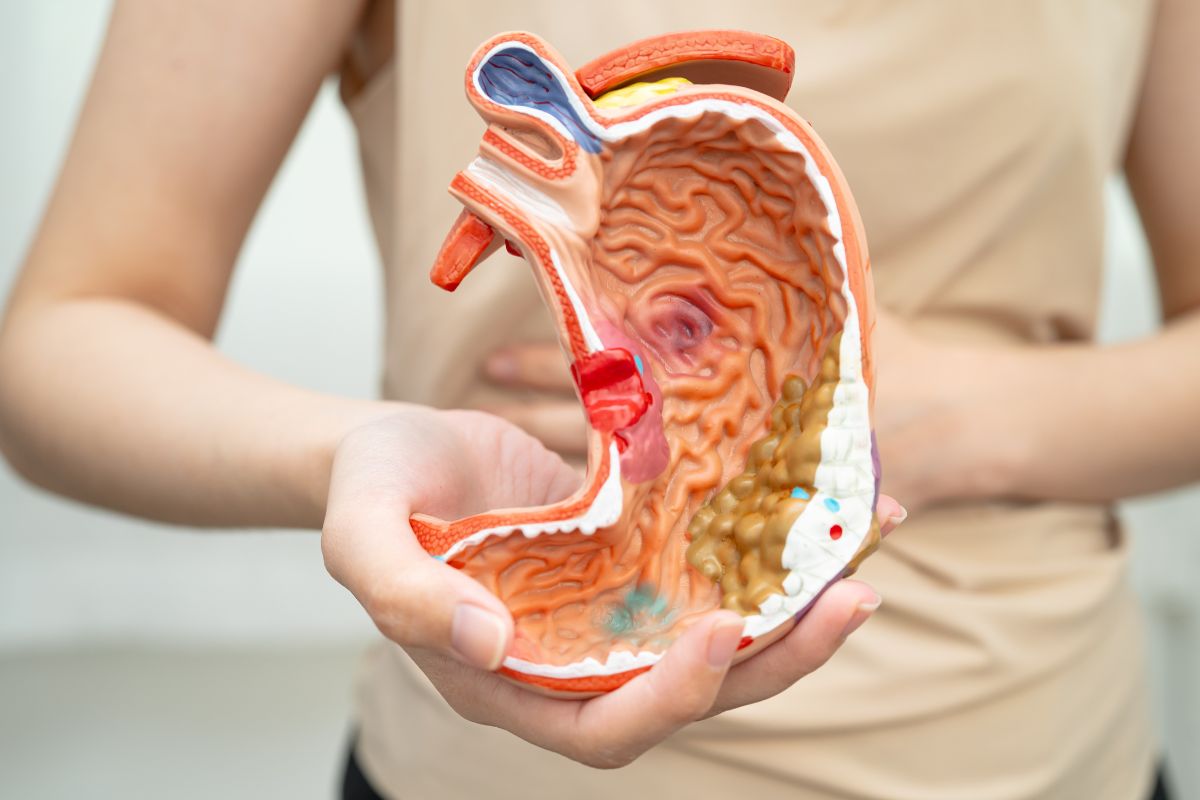
Walk into any pharmacy and you'll see an entire aisle dedicated to one idea: that you have too much stomach acid. Antacids. Acid blockers. Proton pump inhibitors (PPIs) sold over the counter and prescribed by the millions and for many people, they can bring much-needed relief. But there is a narrative that acid is the villain. Suppress it, and everything gets better. Except, like most things in health, the story is more complicated than that.
Stomach acid is not the enemy. It is one of the most carefully regulated and biologically expensive secretions the body produces. We need it to digest protein, absorb nutrients, activate enzymes and defend against the microbes that arrive on every bite of food. And while reflux and acid-related irritation are real and most certainly worth treating, there is another side most people have never heard of: stomach acid that is too low. It is called hypochlorhydria when production is reduced, and achlorhydria when it is essentially absent. And the reason it is rarely discussed is not that it is rare. It is because the symptoms look almost identical to the ones we have been taught to blame on the opposite problem.
What stomach acid actually does
Before talking about what happens when it is low, we should discuss what it does when it is working properly. The stomach maintains a remarkably acidic environment, with a pH between roughly 1.5 and 3.5. That's more acidic than vinegar, on par with lemon juice and a hundred thousand times more acidic than the blood that surrounds it.
This acidity does five essential jobs:
- It unfolds dietary proteins so that digestive enzymes can begin breaking them down into amino acids.
- It activates pepsin, the main protein-digesting enzyme. Pepsin is released in an inactive form called pepsinogen, and it only becomes active in the presence of acid.
- It releases nutrients from food. Vitamin B12 must be cleaved from animal protein before the body can use it, and that cleavage depends on acid. Iron, calcium, magnesium and zinc absorption are also influenced by an adequately acidic stomach.
- It provides a defensive barrier against the bacteria, viruses and parasites that arrive in food and drink, reducing the chance of gastrointestinal infection and bacterial overgrowth further down the digestive tract.
- It signals the next stage of digestion. When acidic stomach contents move into the small intestine, that acidity triggers the release of bile from the gallbladder and digestive enzymes from the pancreas.
Suppress acid for long enough and any of these processes can falter.
Why low stomach acid is more common than we think
A long-held assumption that gastric acid declines steadily with age has been re-examined in recent years. In healthy adults without underlying disease, acid production actually holds up fairly well into older age. The reason it becomes more common in older people is not age itself, but the accumulated conditions and medications that come with it. The most common contributors to low stomach acid include:
- Long-term use of acid-suppressing medication, particularly PPIs (omeprazole, lansoprazole and others). These were designed for short-term use, but are frequently taken for years without review.
- Helicobacter pylori is a bacterium that colonises the stomach lining and can suppress acid secretion over time. It is one of the most common chronic infections in the world.
- Autoimmune gastritis (also called autoimmune atrophic gastritis), a condition where the immune system mistakenly attacks the cells that make stomach acid (called parietal cells). Because these same cells also produce something called intrinsic factor, a small molecule the body needs to absorb vitamin B12 from food, this condition is closely tied to B12 deficiency and pernicious anaemia (a type of anaemia caused by not being able to absorb B12 properly).
- Previous gastric surgery, including procedures for weight loss or ulcers.
The symptoms (and why they are confusing)
The symptoms of low stomach acid overlap almost entirely with the symptoms of too much. Both can cause:
- Bloating after meals
- Excessive burping
- Feeling full quickly
- Nausea
- Poor tolerance of protein-rich meals
- A heaviness or sluggishness after eating
- Undigested food in the stool
- Recurrent low iron or B12 on blood tests
This is why self-diagnosis is unreliable, and why the standard response "I have indigestion, I'll take an antacid" can sometimes work against you. If reduced acid is part of the picture, suppressing it further may worsen digestion, even if it offers short-term symptomatic relief.
How do you actually know if you have low stomach acid?
This is one of the harder questions in this whole topic, because there is no single easy test that gives a definitive answer outside of a hospital setting.
The baking soda burp test (the traditional at-home version)
This is the test that circulates widely online and has been around for decades. The idea is simple chemistry. Mix a quarter teaspoon of baking soda (sodium bicarbonate) into 100–150 ml of cold water and drink it first thing in the morning, on an empty stomach. When sodium bicarbonate meets hydrochloric acid in the stomach, the two react to produce carbon dioxide gas, which causes you to burp. The theory is that if you burp within roughly three minutes you have adequate stomach acid, and if you do not burp at all (or only burp after five or more minutes) your stomach acid may be low.
The baking soda test has never been formally validated against a gold-standard medical test and the results are easily influenced by things that have nothing to do with stomach acid such as swallowed air, what you ate the night before, gastric motility, body position and natural fluctuations in stomach pH throughout the day. That said, it is harmless to try and may offer a rough, suggestive clue, particularly if repeated over three to five consecutive mornings and the pattern is consistent. Treat it as a curiosity, not a diagnosis.
The Heidelberg pH test
Is considered the gold standard for measuring gastric acid. It involves swallowing a small capsule that transmits pH readings from inside the stomach. It is not widely available, and is expensive when accessed privately.

Normal |

Abnormal (low acid) |
Heidelberg pH test results. In a healthy stomach (left), pH drops sharply after a meal as acid is released. With low stomach acid (right), the pH stays at around 6, indicating little to no acid is being secreted.
Source: The Functional Gut Clinic
Endoscopy with biopsy
Is the definitive test for atrophic gastritis and autoimmune gastritis. A gastroenterologist passes a thin camera into the stomach and takes small tissue samples for analysis.
Blood tests
Can support the diagnosis and a useful one is serum gastrin (which rises when stomach acid is low, as the body tries to stimulate more production), pepsinogen I and II and the pepsinogen I to II ratio. For suspected autoimmune gastritis, the relevant blood markers are anti-parietal cell antibodies and anti-intrinsic factor antibodies.
Indirect markers
Indirect markers in routine bloodwork can also raise suspicion: persistently low ferritin, low vitamin B12, low magnesium, or unexplained iron deficiency anaemia.
Helicobacter pylori testing
Is straightforward and important. It can be done with a non-invasive breath test, stool antigen test, blood test or via biopsy during endoscopy. If positive, it is treatable with a short course of combination antibiotic therapy.
A note on reflux
Reflux happens when stomach contents move upward into the oesophagus. The oesophagus is not built for acid exposure, so even a normal amount of stomach acid in the wrong place can burn. The crucial point is that reflux is not always a problem of how much acid is being produced. It is often a problem of where the acid is going. The lower oesophageal sphincter, the valve between the stomach and oesophagus, can become weak or relax inappropriately due to hiatus hernia, abdominal pressure, pregnancy, certain foods, smoking, alcohol, obesity or delayed gastric emptying. The acid escapes upward not because there is too much of it, but because the door is not closing properly.
This matters because aggressive long-term acid suppression treats the symptom while leaving the underlying mechanical problem untouched, and may introduce new problems of its own.
Habits that support healthy digestion
Whatever the underlying picture, certain habits support healthy digestion regardless of whether your acid is high, low or perfectly normal:
Eat slowly and chew thoroughly. Digestion begins in the mouth. The mechanical breakdown of food and the signalling that prepares the stomach both depend on this first step.
Eat in a calm state where possible. The digestive system runs on the parasympathetic nervous system, the "rest and digest" branch. Eating in a rushed, stressed state genuinely impairs digestive function.
Include adequate protein. Protein stimulates gastric acid secretion. Eating protein at most meals supports the digestive cascade.
Avoid large, heavy meals close to bedtime. Particularly important if you are reflux-prone, since lying flat with a full stomach makes reflux far more likely.
Notice your triggers. Alcohol, peppermint, chocolate, deep-fried foods, very spicy foods, coffee and carbonated drinks are common reflux triggers. Triggers are personal.
Get the right tests if symptoms persist. If you have ongoing fatigue, hair loss, mouth ulcers, weakness, numbness or tingling, ask your doctor to check iron, ferritin, vitamin B12 and other relevant markers. These can reveal a digestive problem hiding upstream.
Be cautious with DIY acid supplements. Supplements designed to replace stomach acid typically contain Betaine Hydrochloride paired with pepsin, taken at the beginning of each meal. Clinically, people often report improvements in bloating, reflux and stool consistency within a few days of starting it. However, this is not a supplement to use casually, particularly if you have reflux, gastritis, ulcers, Barrett's oesophagus or are on anti-inflammatory medication, steroids or blood thinners. It is best used only under the guidance of a qualified practitioner.
Try traditional acid-stimulating foods. Cabbage, both fresh and fermented, can be a stimulant of stomach acid production. A small helping of fresh cabbage salad, cabbage juice, or sauerkraut at the start of a meal can be a food-first way to prepare the stomach for what's about to arrive. Bitter greens like rocket and chicory work similarly, as does a small glass of warm lemon water or apple cider vinegar diluted in water before meals.
Stomach acid is not the enemy. A healthy digestive system depends on it being present in the right amount, in the right place, at the right time. If your symptoms are persistent, recurring, or not improving with what you have tried, the most useful thing you can do is investigate properly rather than guess. Sometimes the answer is less acid. Sometimes it is more. And sometimes the answer has very little to do with acid at all.
The body is not asking us to silence it. It is asking us to listen more carefully.
References
1. Maideen NMP. Adverse Effects Associated with Long-Term Use of Proton Pump Inhibitors. Chonnam Medical Journal. 2023;59(2):115–127. pmc.ncbi.nlm.nih.gov/articles/PMC10248387
2. Bhatnagar MS, Choudhari S, Pawar D, Sharma A. Long-Term Use of Proton-Pump Inhibitors: Unravelling the Safety Puzzle. Cureus. 2024;16(1):e52773. pmc.ncbi.nlm.nih.gov/articles/PMC10882567
3. Shahid MS, Ahmed N, Kamal Z, et al. A Systematic Review of Long-Term Use of Proton Pump Inhibitors (PPIs) in Older Adults on Polypharmacy: Do PPIs Deplete Nutrients? Cureus. 2025;17(8):e90888. pmc.ncbi.nlm.nih.gov/articles/PMC12456669
4. Vavallo M, Cingolani S, Cozza G, Schiavone FP, Dottori L, Palumbo C, Lahner E. Autoimmune Gastritis and Hypochlorhydria: Known Concepts from a New Perspective. International Journal of Molecular Sciences. 2024;25(13):6818. pmc.ncbi.nlm.nih.gov/articles/PMC11241626
5. Li P, Zhu W, Ding J, Lei F. Study of Helicobacter pylori infection in patients with chronic atrophic gastritis and its relationship with lifestyle habits and dietary nutrient intake. Medicine (Baltimore). 2024;103(2):e36518. ncbi.nlm.nih.gov/pmc/articles/PMC10783413