Articles


Hair today, gone tomorrow
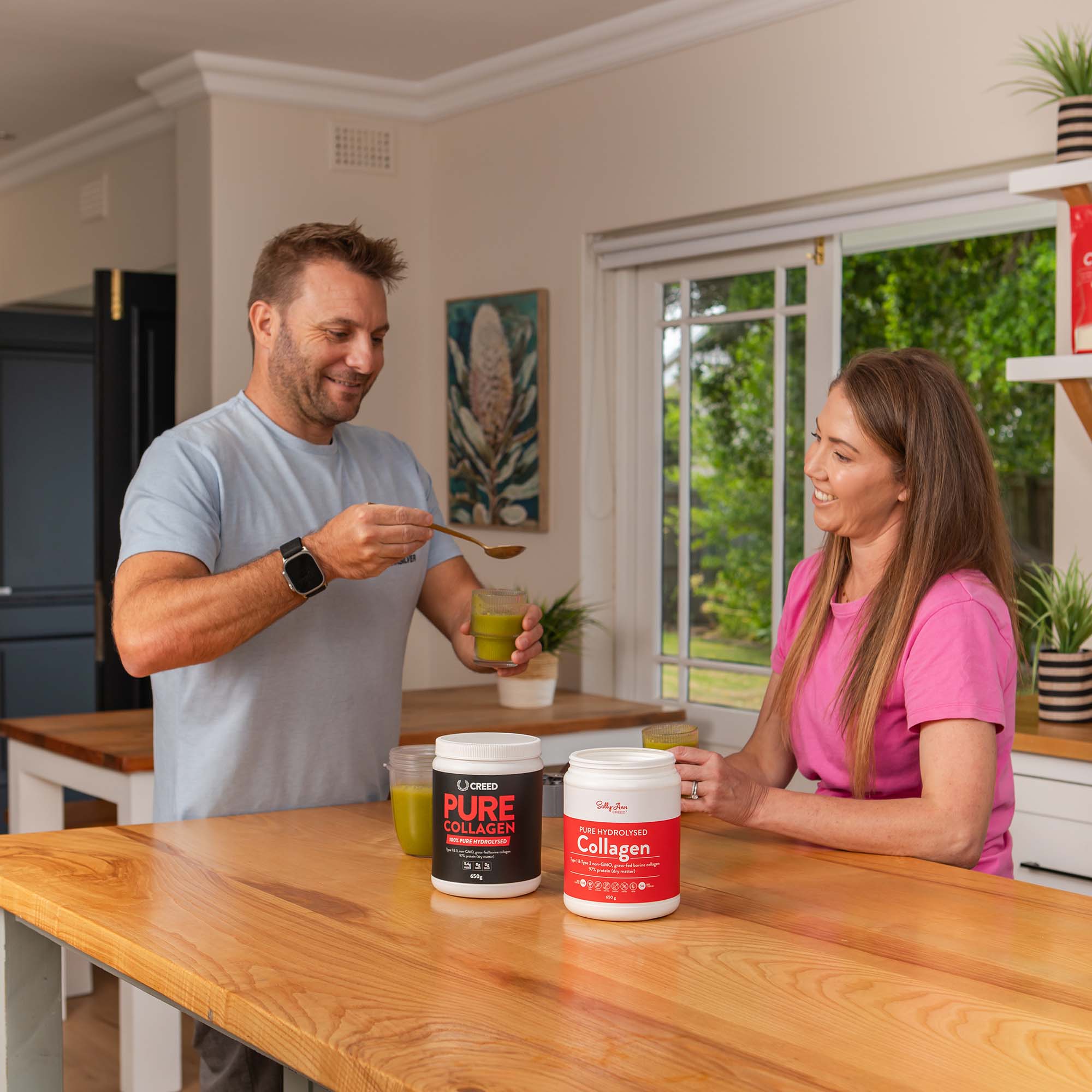
Mmm, not funny when you have hair loss or thinning hair. There are a lot of complex mechanisms at work here, but some of you can deal with it to stop the process worsening and in fact give you back that lovely full head of hair. Hair loss can be a simple thing – like a protein deficiency or iron deficiency – but there could also be genetic and hormonal components too. Start by addressing the things you can – here are some ideas if you are experiencing hair loss – remember though, it will take several months to see any difference as hair takes a months to grow. It should at least halt the loss in the first few weeks, while new hair begins to grow. 1. Eat enough animal protein as in meat, eggs, fish etc. Protein deficiency is one of the most obvious reasons for hair loss. We recommend supplementing with collagen. Our Pure Hydrolysed Collagen is the best you can get and works wonders for your hair. 2. If you are on blood thinners, you will find your hair will thin – speak to a health professional about an alternative safe blood thinner 3. Stop smoking if you smoke, as this affects arteries taking blood to the hair follicles (and damages the heart, lungs and brain too) 4. Have a ferritin blood test – you could be iron-deficient. Don’t ever take iron unless you are deficient – it is not a safe mineral to gaily take too much of 5. Use fish oil daily – 3 x softgels. Omega-3 DHA & EPA from fish oil is a powerful way to stop the damage and is one of the top nutrients for helping to keep a full head of hair. Studies show an increase in active hair follicle percentage and diameter distribution of hair over a 6 month period. Also eat more wild-caught salmon. 6. Zinc effectively treats telogen effluvium and alopecia areata – both forms of hair loss because zinc benefits the health of the hair follicle. It also prevents follicle regression and accelerates hair follicle recovery. Another reason beef is so good for you – it is a rich source of zinc. 7. B Complex (a GOOD one) is very important – especially if you are stressed. 8. Biotin is well known as a powerful help for hair growth and is used a lot to prevent further loss. A major sign of biotin deficiency is hair loss, especially during pregnancy. 9. Pantothenic Acid also known as vitamin B5 – has been used as alternative hair loss treatments for ages. In fact pantothenic acid is a natural alternative to cortisone, so it’s an anti-inflammatory agent and at one a day is very affordable. It prevents hairs splitting and breaking, it also increases the diameter of the hair, thickening it and increasing pliability to withstand force, so it doesn’t break. Foods which will provide biotin and pantothenic acid include eggs, beef, chicken, avocado and some nuts. 10. Vitamin C prevents cellular damage to DNA, lipids, proteins and prevents oxidative stress. All these affect hair, so we can never have too much vitamin C! I suggest Super Cee, Liposomal or Lipospheric Vitamin C, Ester C or Scorbi Cee – all of which you’ll find in my online store – any and all vitamin C is crucial for keeping your hair. 11. Vitamin D3 – both a hormone and a vitamin – is important too as hair follicles are very sensitive to hormones. Alopecia areata is common in people with a vitamin D deficiency. Vitiligo is also common in those with a D deficiency. A supplement is highly recommended, but also eat fatty fish like halibut, mackerel and salmon. WHAT SLOWS HAIR GROWTH? In women the most common cause is nutritional before the age of 50. Lack of animal protein, depleted iron stores and after 50, hormonal changes. In general though, these are some of the most common reasons for hair growth inhibition: • Poor nutrition (often too little protein), junk food • Alcohol and cigarettes/vaping • Hormonal changes • Family history – genes • Medications • Pregnancy and breastfeeding (if you are undernourished) • Radiation therapy • Thyroid disorders • Anaemia • Autoimmune diseases • Polycystic Ovary Syndrome (PCOS) • Psoriasis and seborrheic dermatitis • Dramatic, fast weight loss (especially if it’s a poor diet) • Too little fat in the diet • Physical trauma/stress of any kind • Lack of collagen A word on COLLAGEN here: Collagen has long been used to support hair, skin, muscle, cartilage, ligament, and blood-cell regeneration. What makes it so special is its essential amino acid profile: glycine, lysine, and proline help regulate cell growth – every cell of the body, including the hair follicles, that’s why people report how thick their hair becomes on collagen supplementation. The best way to add collagen to your diet is by using our non-GMO, grass-fed Pure Hydrolysed Collagen which is in the form of collagen peptides. This is a flavourless powder which dissolves in cold and hot liquids equally, and is tasteless. It is vastly super to traditional protein powders and blends and will give you swift results. We put mine ours in our morning cup of coffee – it makes it super-creamy! To make it easier for you, all these products are available from our online store here. Hair’s to you!
Read more
The Case for fibre
There are 2 schools of thought about fibre, but let’s be clear – the human body is designed to use fibre. The more healthy fibre you get in your diet, the better your digestive system functions. BUT it must be HEALTHY fibre – not wheat or grain fibre, it should be mostly vegetable fibre. It also maintains a steady WEIGHT, maintains healthy CHOLESTEROL levels and keeps you REGULAR. Like so many other health issues, it all comes back to your gut. The health of your gut affects everything from your immune system to your moods. Poor diets have little fibre, are inflammatory and are full of processed food and sugar. If you don’t get enough fibre, you won’t have enough “food” to feed the healthy bacteria in the gut – it’s their favourite food. And this is KEY to good health. Healthy gut bacteria is everything. Our digestive enzymes can’t break down the vegetable fibre, so it intact as it moves through the digestive tract. And as it travels, the healthy microbes in our gut feed off the fibre’s vitamins, nutrients, and short-chain fatty acids (SCFAs). Too little fibre will starve these microbes, some die off, others end up eating the mucus lining of the digestive wall, and it becomes permeable, known as Leaky Gut Syndrome. This makes you more prone to infection as well. This weakens the immune system, a large part of which depend on these microbes, the body becomes inflamed and we are more susceptible to illness and obesity. How Much? Pretty well as much as you can because we just don’t get enough. Fibre-rich foods are a good start. Researchers have found in humans that the balance of bacteria in the gut can quickly change for the worse as soon you stop getting enough fibre. In general, women should get at least 30 grams of daily, while men should get at least 38. Some doctors say diabetics need at least 50g a day for good blood sugar control. A low-carb diet is an excellent way to eat, but this also means cutting out grains which are a source of fibre, though a very ‘bad’ source of fibre in that they inflame the intestines, cause weight gain and generally are a bad idea. They also lacerate the sides of the colon and grains themselves lead to Leaky Gut Syndrome. And don’t think “whole grains” are any good – they have extremely negative effects that cancel out their so-called benefits, such as the presence of phytic acid, which interferes with the absorption of calcium, copper, iron, magnesium, and zinc. Researchers found our hunter-gatherer ancestors got about 100g or more of fibre daily from roots, berries, leaves, and other plants. A staggering amount. Whatever you do, don’t suddenly introduce massive amounts of fibre – start slowly, and ALWAYS include more water. Anytime you introduce more protein or fibre into the diet, you add more water. Best Sources of Fibre: these are generally vegetables and fruit, nuts, seeds, and in many cases a healthy fibre supplement (but there are good and bad ones here too, so be aware). Good Food Fibre: Avocado Leafy greens Cruciferous vegetables Almonds and other nuts Chia seeds Prebiotic fibre (such as is found in MaxiPrebiotic Berries Adding fibre to your diet is probably the safest way to ensure you get enough. Here are some good ways to do that: Skinny fibre MaxiPrebiotic Herbal Fibre Blend Chia seeds 4-seed mix (All available from our online store at https://sallyanncreed.co.za/shop) Food Serving Fibre (g) VEGETABLES Artichoke, cooked 1 medium 10.3g Asparagus, cooked 6 spears 1.8g Brocolli, cooked ½ cup 2g Brussel sprouts, cooked ½ cup 3g Carrots, raw ½ cup 2.3g Edamame beans, cooked ½ cup 4.3g Peas, green, cooked ½ cup 5.6g Potato/sweet with skin cooked 1 medium 3.3-4.3g Spinach, cooked ½ cup 3.7g FRUIT Avocado ½ cup 6.7g Cherries 20 3.4g Guava 1 fruit 3g Mango ½ fruit 1.7g Orange 1 medium 2.3g Pear 1 medium 5.3g Raspberries/blackberries ½ cup 4-5g WHOLE FOODS, NUTS, SEEDS, SUPPLEMENTS Oats, cooked ¾ cup 2.8-3.5g Beans, cooked ¾ cup 8.6g-13.6g Chickpeas, cooked ¾ cup 5.5g Lentils, cooked ¾ cup 6.2g Chia seeds 1 tbsp 3.7-5g Flaxseeds, ground 1 tbsp 1.9 Nuts ¼ cup 3-4g Seeds ¼ cup 3-3.7g MaxiPrebiotic Tsp serving 5.3g Psyllium Husk 1 tsp 3.2g-4g Ref: Canadian Nutrient File 2015.
Read more
Fibre and weight loss
Did you know that fibre is a carb? Yes, you heard that right–a carb! The wonderful thing is, unlike other carbs, your body doesn’t easily digest it. So it moves through your digestive system without sending your blood sugar on a rollercoaster ride. Fibre is found in plant foods like fruits, veggies, and whole grains. All fruits and veggies have fibre, but most of it is found in the skin, seeds, and membranes. That’s why eating a skin-on apple packs more fibre punch than a peeled banana. There are two different types of fibre – soluble and insoluble. Soluble fibre can dissolve in water. It then forms a “gel” in your gut, slowing down the sugar party in your bloodstream. Lower sugar levels mean your insulin levels stay low, and that means your body is less likely to begin storing fat. The other kind of fibre doesn’t dissolve in water, which is why it’s called “insoluble”. Unlike soluble fibres that your body takes its time digesting, this one kind of zooms through your system, cleaning your gut as it moves through. This type of fibre adds bulk to your stool and helps things move smoothly through your digestive journey. If you’re looking to shed a few kilos or just stay in that healthy weight zone, then you want to add a good blend of soluble and insoluble fibre to your diet. If you’re a woman under 50, your goal should be around 25 grams of fibre per day, while men should aim for 38 grams per day. Because of our modern diet, most people are only getting about half! That means we’re missing out not only on their weight-loss benefits, but their ability to reduce the risk of heart disease and type 2 diabetes. Now, fibre isn’t some magical fat-burning silver bullet. What it does really well is help with making us feel full. It gives you that satisfied feeling without the need for extra calories in your meal. It’s like you’re not just eating less, but you’re also less likely to hear your stomach growling an hour later. So, how does fibre wave away those annoying hunger pangs? It takes up space in your stomach, tapping those little receptors that tell your brain, “It’s time to stop eating!” But wait, there’s more. To keep that fibre moving through your system, you have to drink lots of water – around eight glasses a day. Water helps the fibre slide through your digestive system, and helps tackle those hunger pangs too. It’s like a win-win, keeping you full and quenching that thirst that sometimes tricks you into thinking you’re hungry There are a few cases where certain fibre types might not be your friend. Take fermentable oligosaccharides, disaccharides, monosaccharides and polyols (FODMAPS), for instance – these are fibres that some people can be sensitive to. They can cause tummy troubles like bloating and diarrhoea, and they hang out in foods like garlic powder, onions, dairy, and certain fruits and veggies. So listen to your body when you’re getting cozy with high-fibre foods. Take it slow and steady when you’re getting back into foods like beans, nuts, seeds, and all those colourful fruits and veggies. And hey, if boosting your fibre game is a bit of a struggle, have a heart-to-heart with your healthcare provider. References: https://www.webmd.com/diet/features/fiber-weight-control#:~:text=The%20study%20added%20to%20a,the%20other%2C%20more%20structured%20approach. https://theconversation.com/fiber-is-your-bodys-natural-guide-to-weight-management-rather-than-cutting-carbs-out-of-your-diet-eat-them-in-their-original-fiber-packaging-instead-205159
Read more
The healing powers of pets
It’s amazing how mental health has taken centre stage in our society since the global pandemic hit. These days, finding effective ways to treat and manage it has become super important. And you know what? Mental health doesn’t discriminate – it affects people of all backgrounds, ages, and walks of life. Now, here’s something interesting: the idea that having furry companions can boost our mental well-being is gaining traction. While research on this is still in its early phases, there’s already a bunch of evidence suggesting that having pets can really help folks who are struggling with their mental health. We’ve all heard the saying “dogs are man’s best friend,” and it’s been around since way back in 1789 when King Frederick of Prussia supposedly coined it. These days, it’s rare to find someone who hasn’t shared some wonderful moments with a dog, cat, or some other critter. But what’s even cooler is how this natural connection between humans and animals can literally lead to healthier lives. Animal therapy is becoming quite the thing in the world of mental health. It’s starting to get a nod of approval from mental health pros because it has a positive impact on how we feel and function mentally. So, whether you’re having a blast playing with a pup or enjoying some quality time petting a content kitty, pets can bring heaps of joy to people of all ages. But the benefits of having a pet go beyond just the warm fuzzies. If you’ve ever wondered about the right time to bring a furry, feathered, or finned friend into your life, here’s some good stuff for you to consider. Trust me, it’s worth a read while you cuddle up with your animal companion. Boosted self-esteem: Having a pet can also boost your confidence by helping you feel less isolated. When a wagging tail greets you, it’s hard not to feel good about yourself. Stronger immune system: Believe it or not, even a simple act like petting a dog might keep those pesky colds at bay. It seems that overall health, including the immune system, gets a nice boost for those who spend time petting dogs. Lowered anxiety and blues: There’s something magical about pet therapy, or animal-assisted therapy (AAT), that has been linked to reducing anxiety, pain, and depression in folks dealing with various health challenges. People undergoing chemotherapy, veterans with post-traumatic stress disorder, and even those working on their fine motor skills during physical therapy can benefit from pet therapy. Stress reduction: We all know our pets make us happy, but did you know hanging out with dogs can help lower stress? Just a game of fetch or a simple petting session can decrease cortisol, the stress hormone, and amp up oxytocin, the feel-good hormone, in your brain. Social connections: Pets can totally boost your social life! Especially if you’re a dog parent. Taking your pup for walks and hitting the park makes for great opportunities to strike up conversations. People tend to be chattier when there’s a cute dog around, and let’s face it, dogs are fantastic icebreakers. Now, remember that having a pet also means taking on new responsibilities. Learning how to care for and feed your furry friend is all part of the package. So, if you’ve been thinking about bringing a four-legged (or two-winged or multi-finned) companion into your life, these health and well-being benefits might just be the nudge you needed. We’ve even got a product that’s perfect for your beloved companion – Colla-Joint Plus. It’s specifically formulated to strengthen and protect the joints of dogs and cats. Colla-Joint Plus is a gelatine based supplement, developed to alleviate joint pain and inflammation, improve bone mineral density all while promoting healthy skin, coat and nails. The addition of a 4-strain probiotic means that it also supports your doggo or kitty’s digestion through promoting their overall gut health. Simply sprinkle it over your pet’s food, or dissolve it in a little warm water before adding it to their meal, and let your fur child reap these wonderful benefits and more! It assists in general bone and joint support Shown to support healthy skin, nails and coat Supports digestive health Has the addition of probiotics for improved overall gut health It’s available from our online store, or you can pop into our little shop in Westlake. References: https://www.psychiatrictimes.com/view/the-healing-power-of-animals https://www.thinkingoutsidethecage.org/the-healing-power-of-pets/ https://caregiversolutions.ca/featured-carousel/the-healing-power-of-p
Read more
Emotional Eating
We don’t always eat just to satisfy physical hunger. Many of us also turn to food for comfort, stress relief, or to reward ourselves. When we do, we tend to reach for junk food, sweets, and other comforting, but unhealthy foods. You might reach for a tub of ice cream when you’re feeling down, order a pizza if you’re bored or lonely, or swing by the drive-through after a stressful day at work. Emotional eating is the use of food to make yourself feel better or to fill your emotional needs rather than your stomach. Unfortunately, emotional eating doesn’t fix emotional problems. In fact, it usually makes you feel worse. Afterward, not only does the original emotional issue remain, but you also feel guilty for overeating. Occasionally using food as a pick-me-up, a reward, or to celebrate isn’t necessarily a bad thing. But when eating is your primary emotional coping mechanism, that’s a bad sign. You get stuck in an unhealthy cycle where the real feeling or problem is never addressed. Emotional hunger can’t be filled with food. Eating may feel good now, but the feelings that triggered eating are still there. And you often feel worse than you did before because of the unnecessary calories you’ve just consumed. Compounding the problem, you stop learning healthier ways to deal with your emotions, you have a harder and harder time controlling your weight, and you feel increasingly powerless over both food and your feelings. No matter how powerless you feel over food and your feelings, it is possible to make a positive change. You can learn healthier ways to deal with your emotions, avoid triggers, conquer cravings, and finally put a stop to emotional eating. To stop emotional eating, you must find other ways to fulfill yourself emotionally. It’s not enough to understand the cycle of emotional eating or even to understand your triggers, although that’s a huge first step. You need alternatives to food that you can turn to for emotional fulfillment. Alternative Coping Mechanisms: Once you’ve identified the triggers, it’s essential to replace emotional eating with healthier coping mechanisms. Activities like exercising, meditating, journaling, or talking to a friend can help redirect your focus and alleviate emotional distress. Find activities that bring you joy and provide an outlet for your emotions, allowing you to break free from the reliance on food for comfort. Mindful Eating: Practicing mindful eating is another effective strategy to break the cycle. When you eat, pay attention to the physical sensations, taste, and texture of the food. Slow down, savor each bite, and listen to your body’s cues of hunger and fullness. By being present in the moment, you can differentiate between genuine hunger and emotional cravings, helping you make healthier choices. Building a Support System: Surrounding yourself with a supportive network can make a significant difference in breaking the cycle of emotional eating. Seek out friends, family, or support groups who can provide encouragement, accountability, and guidance during challenging times. Sharing your journey with others who understand and empathize can empower you to overcome emotional eating habits. Seeking Professional Help: In some cases, emotional eating may be deeply rooted in underlying emotional or psychological issues. Seeking professional help, such as therapy or counseling, can provide valuable insights and strategies for addressing the root causes of emotional eating. A trained professional can guide you through the process of breaking the cycle and developing healthier coping mechanisms. Combining these 4 strategies will help you not only heal any psychological issues you may suffer from, but also heal your relationship with food. You can even indulge in your favorite foods and feel full on much less. It takes time for the body’s fullness signal to reach your brain, so taking a few moments to consider how you feel after each bite—hungry or satiated—can help you avoid overeating.
Read more
Can Vitamin D save your Life?
Yes, we believe vitamin D can save your life. Vitamin D is a true superstar which affects so much more than bones and teeth. The brain, immune system, hormones, cancer prevention and gene expression all rely to some extent on Vitamin D. In fact Vitamin D has been called “one of the simplest solutions to wide-ranging health problems”. Because almost every cell and tissue in the body has a receptor for Vitamin D. So it’s important to get enough, wouldn’t you say vitamin D can save your life? Vitamin D is made in the skin using cholesterol and sunlight, but how many of us get hours of daily sun on bare skin at noon? Studies show most people on this planet are deficient in the minimum RDA for Vitamin D, especially children (they use it quickly to build bones and teeth), and the elderly. You need to have a blood test annually if you are not sure. The preferred range is 50-70ng/ml, and it becomes harder for our bodies to produce it after 35 anyway. If you have heart disease or a history of cancer you want that up to 70-100 ng/ml. It is possible to overdose on D, but if you remain in these ranges and test annually, you will be fine. Overdosing takes a long time at high doses. Taking 1000iu a day will slowly get you to your right level, and you won’t overdose. Please note: Prescription Vitamin D is D2, not D3. D2 does not directly supply D3, and is given in much higher doses (50,000 iu weekly). When blood levels test normal, your doctor will take you OFF D2. But you’ll slip back to deficiency if not taking D3 on a regular basis. Foods which contain D3 Fatty fish such as wild (not farmed) salmon and sardines have roughly 400iu of D in a 90g serving. Liver and pastured egg yolk have a tiny bit – 40iu in 1 egg or 90g of liver. That’s a lot of liver, eggs and canned fish to get a dose of 1000 to 7,000 iu daily. A good supplement is so much easier. Cod liver oil has about 450iu per teaspoon. Mushrooms labelled as containing Vitamin D have been exposed to light and contain Vitamin D2 NOT D3. So it’s difficult to get from food. Absorption of all fat-soluble vitamins is decreased in those with intestinal inflammation such as Celiac, Crohn’s and Irritable Bowel Syndrome and other gut issues. NOTE: ALWAYS TAKE VITAMIN K2 WITH D. Never, never, take Vitamin D3 without K2. We have supplements in our online store with D3 and K2 at https://sallyanncreed.co.za/shop Ways Vitamin D can save your life: DNA repair and gene regulation. This is massive! Vitamin D impacts all the bad genes (turns them off) and all the good genes (turns them on), changing your entire future. One study showed a mere 2,000iu of vitamin D3 per day for a few months upregulated 291 different genes controlling 80 different metabolic processes. Imagine what you are missing out on if you don’t have enough D3? Prevents osteoporosis, hip fractures, arthritis and many types of pain. Studies show a sharp increase in all-cause mortality after a broken hip. Anything that stops us from exercising is harmful. Vitamin D is so important with Vitamin K2 for maintaining bone strength. Vitamin D plays a big role in the aches and pains of chronic fatigue and Fibromyalgia too. The immune system. Vitamin D3 supports the “killer cells” of the immune system, helping white blood cells kill infections. We get sick less often and get well faster. Vitamin D3 is also a potent immune modulator for the prevention and resolution of autoimmune diseases like Multiple Sclerosis and inflammatory bowel disease. Cancer. Vitamin D plays a role in most cancers. In one study, 70% of women with breast cancer were found to be vitamin D deficient. It has even been shown to prevent breast cancer cell growth and decrease the expression of cancer causing genes. It is essential after cancer treatment to track your Vitamin D twice annually and keep it at the top of the range or just slightly beyond – 75-100 ng/ml according to some experts. Maintains a healthy brain. Vitamin D affects production of serotonin which affects sleep, depression, PMS, weight, mood, digestion and more. It helps prevent Parkinson’s by enhancing the transmission of electricity to your neurons and by detoxifying your cells. Dementia, Alzheimer’s, memory and information processing are all affected by low D. Vitamin D activates and deactivates enzymes in the brain and the cerebrospinal fluid involved in neurotransmitter synthesis and nerve growth. Heart disease. People with insufficient vitamin D have an 80% greater risk of narrowing of the arteries according to a long-term study at Johns Hopkins. Vitamin D is important for reducing hypertension, atherosclerotic heart disease, heart attack, and stroke. One study showed Vitamin D deficiency increased the risk of heart attack by 50%. VERY important – Vitamin K2 plays a huge role here also. Don’t take D without K2, as the K2 prevents D from hardening the arteries or forming calcium deposits incorrectly anywhere in the body. Vitamin D plays many roles, but Vitamin K2 makes sure the calcium absorbed does NOT go to the arteries, but to the bones. It’s as important as D3. Diabetes & Weight Loss. Vitamin D stimulates insulin production and is important for Diabetes management and for weight loss. There’s almost no mental or physical function that D does not affect. You’ll find the excellently formulated vitamins – Vitamin D3 Premium and Vitamin K2 Premium at https://sallyanncreed.co.za/shop
Read more
Top 10 Toxins to Avoid
Toxins to avoid: There are some very nasty chemicals out there – yes, they’re all bad – but some are worse than others. Below are some toxins to avoid. The liver is the most important detoxifying organ in the body. When the liver can’t effectively neutralise and dispose of toxins, they accumulate in the body. An essential nutrient for healthy liver function is Milk Thistle Here are our Top 10 toxins to avoid: 1. Sodium lauryl sulfate (SLS) and sodium laureth sulfate (SLES): These closely related chemicals occur in everything from soaps to toothpaste, and are found in virtually all shampoos and foaming products. They cause skin irritation, serious eye damage, diarrhea, breathing difficulty – even death – in laboratory animals. The American College of Toxicology discovered these chemicals can cause malformation in the eyes of children. While other research shows SLS in particular can damage the immune system. This can potentially leave the body open to damage, disorders and disease including cancer. Toxic residues can be left behind in the heart, brain and liver. 2. FD&C colour pigments: They may seem like harmless colorants, but the many pigments finding their way into personal care products can damage the skin. In addition it’s been shown that absorption of some of these colorants can deplete the body of oxygen and in extreme cases lead to death. The majority of these pigments are made from coal tar – a substance known to cause cancer in laboratory animals. 3. Isopropyl alcohol: How many times have you noticed this chemical listed on the ingredients of lotions, fragrances, cosmetics and similar products? You might think because of its widespread use that isopropyl alcohol is safe. This petroleum-derived substance is the same chemical used in antifreeze and as a solvent in shellac. Both inhalation and ingestion are dangerous – leading to dizziness, depression, vomiting, nausea and coma. 4. Polyethylene glycol (PEG): These harsh chemicals are used to dissolve oil and grease, as well as thicken products! Ugh. They are even used as oven cleaners!! Why would you want to use them on or in your body? Yet, PEGs find their way into many of the personal care products you use every day. Potentially carcinogenic, PEGs are known to damage the immune system and exposure can trigger cancer cell growth. 5. Chlorine: Despite being used in swimming pools, laundry products, sewage systems and tap water among other applications – chlorine is far from harmless. This chemical is widely known to cause delirium, diabetes, high blood pressure, circulatory collapse and a host of other serious conditions. It is also a likely carcinogen. This is why we use a distiller and have for 20 years! (See more here ) 6. DEA (diethanolamine), MEA (momoethanolamine) and TEA (triethanolamine): You will often find these acronyms listed in conjunction with other ingredients on product labels. These chemicals are carcinogens known as hormone-disrupting chemicals. They are frequently found in products that foam, such as bubble baths, body washes and shampoos. Dr. Samuel Epstein the Professor of Environmental Health at the University of Illinois has noted that repeated skin exposure can lead to a significant increase in the rates of kidney and liver cancer. 7. Mineral oil and baby oil: What can be more harmless than something known as baby oil, marketed to protect an infant’s skin? Baby oil is still 100% mineral oil, a commonly used petroleum-based ingredient that is also used to make plastic wrap. Like plastic wrap, it robs your skin’s natural ability to breathe and release toxins. It can also slow down cell development, leading to breakdown of cells and premature ageing. We shudder when I think of how as a teenager we would rub this all over our bodies to get a faster tan! 8. Fragrance: It’s difficult to find a personal care product that doesn’t contain some sort of fragrance, from baby lotion to deodorants. Unfortunately, a surprising number of the compounds used in fragrance are themselves carcinogenic or toxic. Many fragrances are synthetic chemicals. Clinical studies have shown that repeated exposure can affect the central nervous system, causing depression hyperactivity, irritability, and behavioural problems. Make sure any fragrances you use are from essential oils – we only use natural fragrances in our Grace skincare range 9. Propylene glycol (PG): Commonly found in products as a “wetting” agent or solvent, you may be surprised to learn that PG is also the active component in antifreeze – actually, there is no difference in the industrial product and the personal care product ingredient. While known to break down protein and cellular structure it is still found in a multitude of skin and hair products including cosmetics. The U.S. Environmental Protection Agency requires that workers wear protective gear when working around these chemicals. This is to guard against brain, liver and kidney damage. 10. Imidazolidinyl urea and DMDM hydantoin: These compounds are just a few of the many preservatives found in personal care products that are known to release formaldehyde (this is used to embalm the dead) – which has been shown to damage the respiratory system and cause heart palpitations, according to the Mayo Clinic. Other complications brought on by exposure include rash, joint pain, depression, headaches, chest pains, and sleep loss, to name a few. Exposure has also been shown to weaken the immune system and known to increase the risk of cancer. Educate yourself and invest in natural products with ingredients you understand and know. Better still know what toxins to avoid and where possible make your own!
Read more
The Importance of Drinking Water
Many people know that humans are made up of 25% solids and 75% water. But did you know that 85% of brain tissue is water, which means we need loads of water to remain healthy. Not drinking enough water may trigger symptoms seemingly unrelated to dehydration, such as: excess body fat poor muscle tone digestive complications joint and muscle pain water-retention decreased digestive function increased bodily toxin build-up After clean air, water is our most important component for survival. An adult can last about 2 months without food, but only a few days without water. There are many reasons to drink water. Digestive and metabolic processes rely heavily on water for chemical reactions in the body, carrying nutrients and oxygen to the cells through the blood. It also helps cool the body through perspiration. Water lubricates joints and gets rid of waste products via the kidneys. We even need water to breathe – our lungs must be moist in order to extract oxygen and excrete carbon dioxide, and a lot of water is lost daily just through exhaling. Dehydration can impair almost every aspect of your health. Water-retention is a symptom frequently eliminated by drinking more water (It seems counterintuitive, but it’s true). The body also cannot metabolise fat adequately if you don’t get enough water, and weight loss is hindered. Whoever thought water could make such a difference to your health? If drinking 8 glasses a day is a concern regarding frequent trips to the bathroom, don’t worry – your bladder adjusts and in a few weeks this will normalise. Dehydration may manifest as dry mouth – but this is often the last outward sign of extreme dehydration. Other signs include: Heartburn, stomach ache Recurring or chronic pain Lower-back pain Headaches Irritation and/or depression Water-retention Drinking tea, coffee, alcohol, or fizzy drinks isn’t enough. While these beverages contain water, they’re dehydrating fluids, meaning they cause further water loss from your body’s reserves. So make sure you drink to your good health all year round with delicious, pure (distilled if you can) water.
Read more