How to grow a useful veggie patch
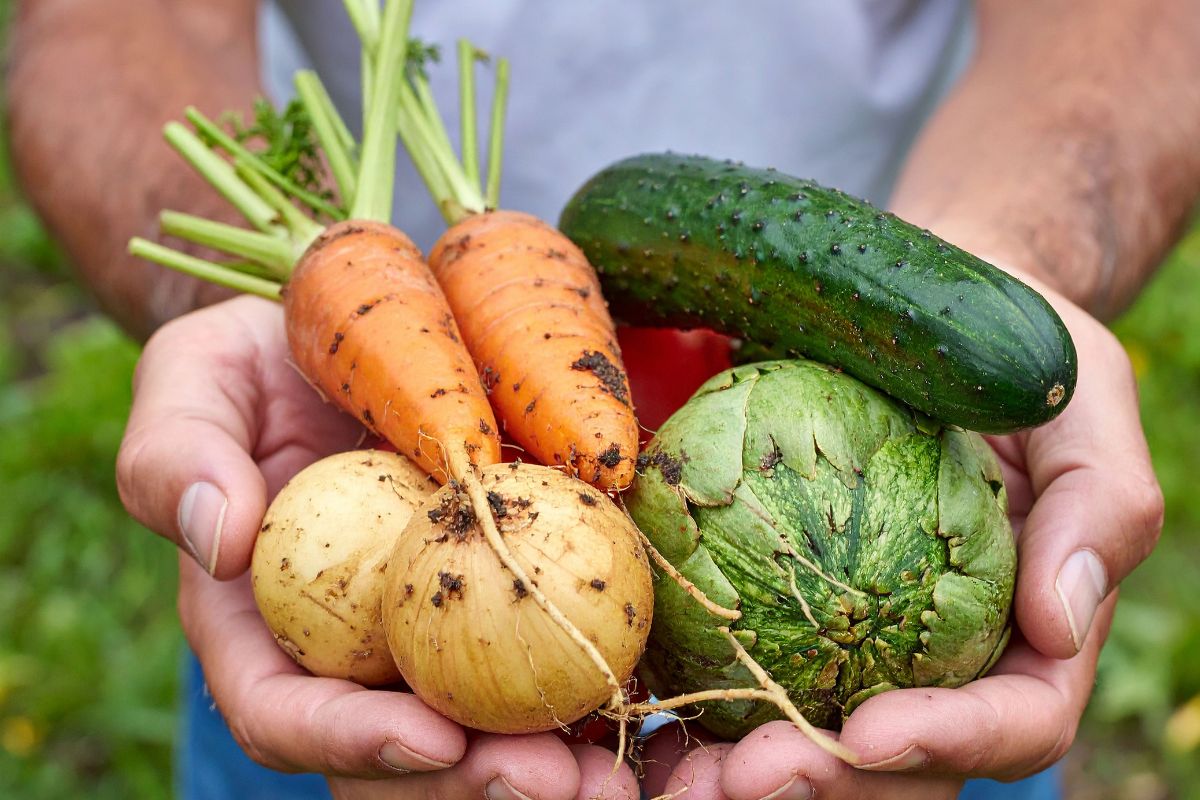
Growing your own food doesn’t have to start with a big garden or a perfectly planned patch. It can start with a few herbs on the windowsill, a tomato plant on the veranda or chives regrowing in an old container.
Something quite extraordinary happens
You slow down. You get your hands in the soil. You watch something you planted turn into something you eat. And in that — which takes just minutes a day — you get back something modern life has slightly stripped away: a real sense of connection to the earth and to what nourishes you.
You don’t need a large garden, perfect weather, or a green thumb handed down through generations. You need a little space, a little patience and the right starting knowledge.
4.2% decrease in relative stress levels was associated with daily gardening compared with never gardening.
Chalmin-Pui et al (2021) — survey of more than 6,000 adults
A comprehensive 2024 meta-analysis reviewed 40 studies and found a significant, positive effect on wellbeing, quality of life and health status. Research from Michigan State University found that growing food increases vegetable and fibre consumption, encourages physical activity, and lowers perceived stress and anxiety.
And here is a particularly wonderful part: growing food outdoors exposes you to Mycobacterium vaccae, a naturally occurring soil bacterium that research suggests may stimulate serotonin production in the brain. Quite literally — dirt is good for you.
No garden? No problem
A veggie patch is whatever space you have
Here are the best ways to grow useful food, wherever you are.


Getting started
The steps
Choose your space
Before you choose plants, choose your spot. How many hours of direct sunlight does it get? Most vegetables need at least 6 hours. Herbs can manage with 4.
Start with good soil
This is the most important investment you’ll make. A rich, well-draining compost-based potting mix is everything.
Pick a few plants to start
Resist the urge to grow everything at once. Choose what you eat, and choose easy wins like lettuce, cherry tomatoes, herbs. Early success builds confidence and keeps you coming back.
Water consistently, not excessively
Most new gardeners over-water. Push your finger 2cm into the soil — if it’s moist, leave it. Water at the base of the plant, not on the leaves. Morning is ideal.
Feed fortnightly if needed
Container-grown plants need regular feeding as nutrients leach out with watering. A liquid seaweed or fish emulsion fertiliser every two weeks during the growing season makes a huge difference to yield and flavour.
Harvest regularly
The more you harvest, the more the plant produces. Pick lettuce leaves from the outside in. Snip herbs regularly.
Most important of all
Gardening should bring back a little slice of childhood — good bacteria on our hands, sunshine, nutrition and confidence. You don’t need to start with 36 plants and a plan to never visit the grocery store again. Grow one pepper. Decide what’s for dinner based on that. That is the whole point.
Favourite YouTube channels from our team
References
Chalmin-Pui LS et al. Why garden? Attitudes and the perceived health benefits of home gardening. Cities. 2021;112.
Panțiru I et al. The impact of gardening on well-being, mental health, and quality of life: an umbrella review and meta-analysis. Syst Rev. 2024;13(1):45.
Alaimo K et al. Caretaking, accomplishment and connection to nature: the gardening triad. People Nat. 2024;6:2014–2028.