How much iron you need, where to find it in food, what helps your body absorb it and what to consider when food alone is not quite enough.
Iron is one of the most common nutrient deficiencies in the world, and one of the most frustrating to correct. Not because iron itself is difficult to find — it is present in plenty of foods — but because not all iron is the same.
Different forms behave very differently in the body. The cofactors that help iron work are often missing from supplements, and the side effects of poorly designed iron products are often what stop people from continuing long enough to feel a difference.
This guide is here to simplify iron: how much you need, where to find it and how to absorb it more effectively.
Why iron matters
Iron is involved in more body processes than most of us realise. It is not simply a “blood mineral”. In one sentence, iron helps carry oxygen around your body — but it does much more than that.
- Oxygen transport: Iron sits at the centre of haemoglobin, the protein in red blood cells that carries oxygen from the lungs to the rest of the body. When iron is depleted, tissues may receive less oxygen than they need, contributing to tiredness and reduced exercise tolerance.
- Energy production: Your cells use iron to produce ATP, the body’s energy currency. Low iron can therefore affect the amount of energy your cells can generate.
- Brain function: Iron is needed for neurotransmitter production and normal nerve function. Low iron may affect concentration, mood and sleep.
- Immune function: Iron is required for the development and activity of immune cells, including those involved in fighting infection.
- Hair, skin and nails: Hair follicles, skin cells and nail beds are metabolically active tissues, which is why they may show early signs of iron depletion, such as increased hair shedding or brittle nails.
- Pregnancy and fetal development: Iron requirements rise significantly during pregnancy to support increased blood volume, placental development and the baby’s growth and brain development.
How much iron do you need each day?
Your iron needs change considerably across your life. Menstruation and pregnancy increase requirements, while needs generally fall after menopause.
| Life stage | Daily iron need |
|---|---|
| Children 9–13 years | 8 mg |
| Adolescent girls 14–18 years | 15 mg |
| Adolescent boys 14–18 years | 11 mg |
| Women 19–50 years | 18 mg |
| Men 19+ years | 8 mg |
| Pregnant women | 27 mg |
| Breastfeeding women | 9–10 mg |
| Women and men 51+ years | 8 mg |
Keep in mind
These are general international guidelines. Individual needs may differ according to menstrual blood loss, pregnancy, dietary pattern, athletic load, gut health, medications and existing iron status. A healthcare practitioner can help tailor recommendations to the individual.
Two types of iron
Haem iron comes from animal foods. It is generally absorbed more efficiently — approximately 15–35% — and is less affected by other foods eaten at the same meal.
Non-haem iron comes from plant foods and many supplements. It is less readily absorbed — approximately 2–20% — and is more strongly influenced by what is eaten or drunk alongside it.
The lower absorption of plant-based iron does not mean that a plant-based diet cannot meet iron needs. It simply means that food pairing and preparation methods become especially important.
Iron-rich foods to add to your plate
Haem sources of iron
| Food | Iron per 100 g |
|---|---|
| Beef liver | 6–13 mg |
| Biltong | Approx. 6–9 mg |
| Beef steak, rump | 2.4–3.6 mg |
| Sardines | 2.9 mg |
| Beef mince | 2.7 mg |
| Eggs | 2.2 mg |
| Lamb leg, roasted | 1.8 mg |
| Chicken, dark meat | 1.3 mg |
Non-haem sources of iron
| Food | Iron per 100 g |
|---|---|
| Sesame seeds | 10.4 mg |
| Pumpkin seeds | 8–9 mg |
| Dark chocolate, 70%+ | 7 mg |
| Sunflower seeds | 6.4 mg |
| Cashew nuts | 6 mg |
| Dried figs | 3.9 mg |
| Dried apricots | 3.4 mg |
| Lentils, cooked | 3.3 mg |
| Almonds | 3 mg |
| Chickpeas, cooked | 2 mg |
| Spinach, cooked | 1.6–3 mg |
| Tofu, steamed | 1.2–3 mg |
A useful food-pairing trick
Eating haem and non-haem foods together — for example, beef stew with lentils or chicken with chickpeas — can improve the absorption of plant-based iron.
What helps your body absorb iron?
- Vitamin C: Vitamin C helps convert non-haem iron into a more absorbable form. Pair iron-rich meals with citrus, peppers, berries, tomatoes or another vitamin C-rich food.
- Vitamin A and beta-carotene: Found in carrots, butternut, sweet potato, peppers and dark leafy greens, these nutrients may support iron absorption and metabolism.
- Pairing haem with non-haem iron: A small amount of meat, fish or poultry eaten with beans, lentils or leafy greens may improve plant-iron absorption.
- Soaking, sprouting and fermenting: These preparation methods can reduce phytates in beans, grains, nuts and seeds, making more iron available for absorption.
- Cooking in cast iron: Cast-iron cookware may transfer small amounts of iron to food, particularly when preparing acidic dishes such as tomato-based sauces.
What can reduce iron absorption?
- Tea and coffee: Tannins and polyphenols can substantially reduce non-haem iron absorption when consumed with an iron-rich meal. Try separating tea or coffee from iron-rich meals and supplements by at least one to two hours.
- Calcium and dairy: Calcium may reduce iron absorption when taken at the same time. Consider separating calcium supplements and large dairy servings from an iron supplement.
- Phytates: These compounds are found in legumes, whole grains, nuts and seeds. The foods remain nutritious, but preparation methods such as soaking, sprouting and fermenting can help reduce phytate content.
- Antacids and proton-pump inhibitors: Long-term acid-suppressing medication may reduce the stomach acidity required for optimal iron absorption.
- Certain medicines: Iron can interact with levothyroxine and some antibiotics. These medicines generally need to be separated from iron by several hours according to the prescriber’s or pharmacist’s instructions.
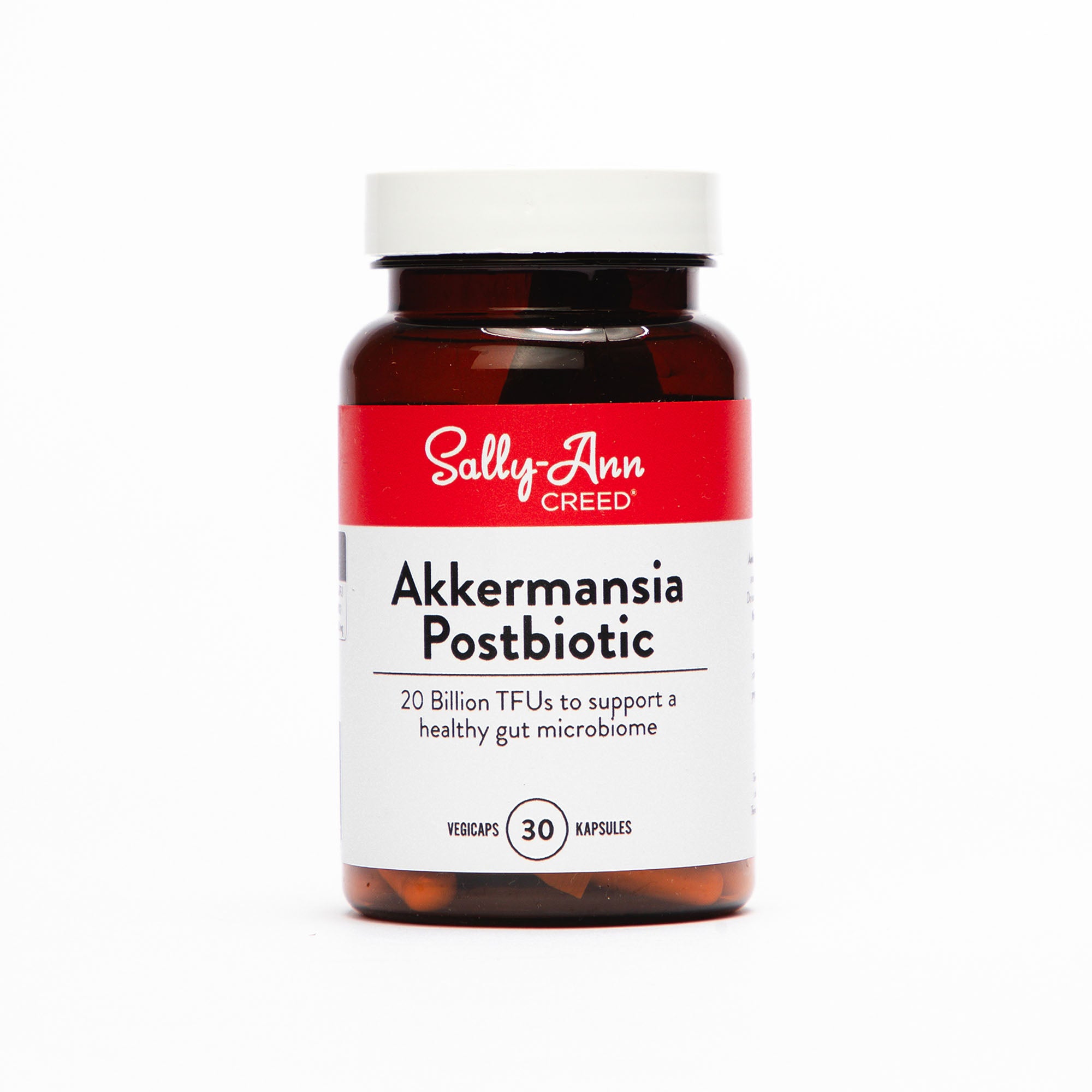
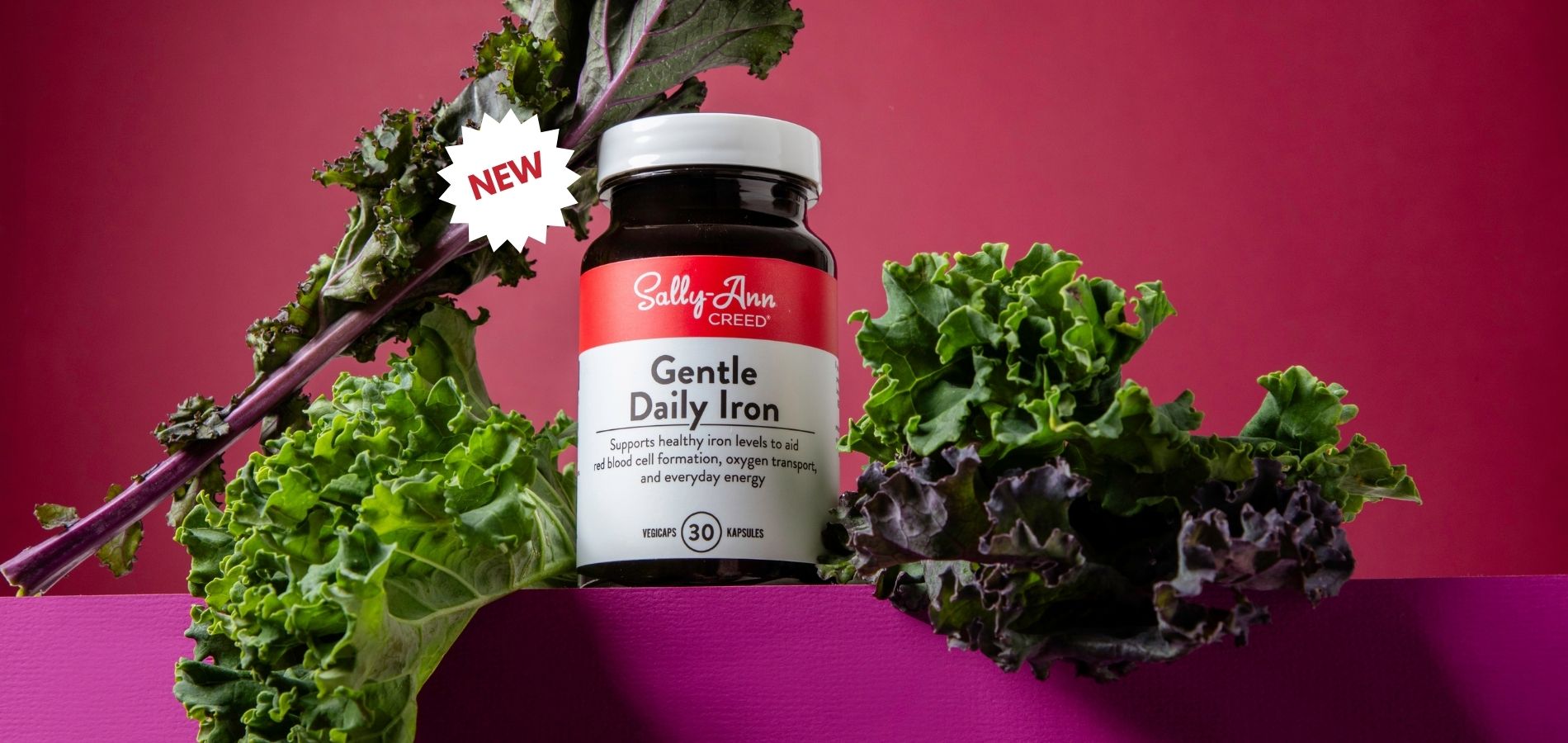
Sally-Ann Creed® Gentle Daily Iron
Our Gentle Daily Iron has been designed with three considerations in mind: the form of iron, the supporting cofactors and everyday tolerability.
Each capsule provides
22 mg
Elemental iron
Provided as ferrous bisglycinate, a well-tolerated form of iron.
100 mg
Vitamin C
Included to support the absorption of non-haem iron.
1 mg
Copper
Contributes to normal iron transport in the body.
Ferrous bisglycinate has been studied for its ability to support iron status and may be better tolerated by some people than certain conventional iron salts. The formula is intended to provide thoughtful daily support without an unnecessarily high dose.
How to take it well
- Timing: Iron is often best absorbed on an empty stomach, approximately one hour before or two hours after a meal. If it causes discomfort, ferrous bisglycinate may be taken with a small amount of food.
- Avoid pairing it with: Tea, coffee, dairy products, calcium supplements or antacids at the same time.
- Pair it with: A vitamin C-rich food or drink, although the product already contains vitamin C.
- Be patient: Correcting low iron stores can take several months. Some people may notice an improvement in symptoms within four to six weeks, but response varies.
- Retest: When supplementation begins because of confirmed low ferritin or anaemia, follow-up blood testing is important. Your healthcare practitioner can advise on the appropriate interval.
Testing matters. We recommend assessing iron status — ideally with iron studies that include ferritin and transferrin saturation, interpreted alongside the full blood count and markers of inflammation where relevant — before beginning supplementation.
This is particularly important for anyone with a condition that affects iron metabolism, unexplained anaemia, ongoing blood loss or a risk of iron overload.
This article is for educational purposes only and is not intended to diagnose, treat or replace medical advice. Iron supplementation should ideally follow blood testing and be discussed with a qualified healthcare practitioner. If you are pregnant, breastfeeding, taking prescription medication or living with a chronic health condition, please consult your doctor before beginning any new supplement.
References
- British Dietetic Association. Iron Food Fact Sheet. September 2017, reviewed. View source
- Fischer JA, Cherian AM, Bone JN, Karakochuk CD. The effects of oral ferrous bisglycinate supplementation on haemoglobin and ferritin concentrations in adults and children: a systematic review and meta-analysis of randomised controlled trials. Nutrition Reviews. 2023;81(8):904–920. View source
- Bumrungpert A, Pavadhgul P, Piromsawasdi T, Mozafari MR. Efficacy and safety of ferrous bisglycinate and folinic acid in the control of iron deficiency in pregnant women: a randomised controlled trial. Nutrients. 2022;14(3):452. View source
- Ringshaw JE, Zieff MR, Williams S, et al. Iron deficiency anaemia in mothers and infants with high inflammatory burden: prevalence and profile in a South African birth cohort. PLOS Global Public Health. 2025;5(7):e0004174. View source
- Henriksen C, Arnesen EK. Copper, a scoping review for Nordic Nutrition Recommendations 2023. Food & Nutrition Research. 2023;67. View source
- Helman SL, Zhou J, Fuqua BK, et al. The biology of mammalian multi-copper ferroxidases. Biometals. 2023;36(2):263–281. View source