
We believe that real food, real nutrients, movement, sleep and stress management form the foundation of lifelong wellness. That is our core philosophy, and it is not changing.
But we also believe that sometimes the body needs clinical support. Sometimes nutrition and lifestyle alone are not enough. Just as some people may need medication to support their mental health, or antibiotics to treat a serious bacterial infection, there are times when medical treatment can play an important role in someone's health.
So while we will always promote a food-first approach, we also deeply respect the decisions people make together with their doctors. Our role is not to judge how you got here, but to support you with sound nutrition wherever you are on your health journey.
If you, or someone you love, is using a GLP-1 medication, this blog is for you.
Why nutrition matters even more on a GLP-1
GLP-1 medications can substantially reduce appetite and food intake, which is part of how they work for weight management. But when you are eating less overall, every meal has to work a little harder nutritionally.
Over time, a lower food intake can make it more difficult to meet your needs for protein, fibre, vitamins, minerals, fluids and healthy fats. This does not mean that everyone using a GLP-1 medication will develop a deficiency or lose significant muscle or bone mass, but it does mean that you need to pay extra attention to ensuring you are receiving enough nutrition.
Here are four areas we would pay particular attention to.
Muscle and lean mass
When you lose a significant amount of weight, you do not only lose body fat. Some lean or fat-free mass can be lost too. Lean mass is not exactly the same thing as skeletal muscle, it also includes body water and other tissues, but preserving muscle during weight loss is incredibly important.
Muscle supports strength, mobility, metabolic health and independence as we age. This is why adequate protein and resistance training become especially important during significant weight loss.
Bone health
GLP-1 medications themselves have not consistently been shown to cause bone loss, but rapid weight loss, eating too little overall and not getting enough protein, calcium or vitamin D can make good bone nutrition even more important.
Our bones are constantly being broken down and rebuilt, and they need both the right nutritional building blocks and regular mechanical load from movement and resistance exercise to stay strong.
Nutrient intake
When your total food intake becomes much smaller, it can become harder to meet your needs for nutrients such as:
- Protein
- Calcium and vitamin D
- Iron
- Vitamin B12
- Magnesium and zinc
- Other vitamins and minerals normally provided by a varied diet
A 2026 review looking specifically at micronutrient risk during GLP-1 treatment identified iron, vitamin B12, vitamin D, calcium, magnesium and zinc as some of the nutrients most worth paying attention to. The authors emphasised that risk is individual and influenced by things like how much someone is eating, their diet variety, gastrointestinal symptoms and their nutritional status before starting treatment.
Hair, skin and nail changes
Some people notice increased hair shedding or changes in their skin or nails during significant weight loss.
Rapid weight loss itself can contribute to temporary hair shedding, while eating too little protein, energy or certain micronutrients, particularly iron and other nutrients involved in normal hair growth, may also play a role.
What to focus on if you are using a GLP-1
In 2025, four leading nutrition and obesity organisations published a joint advisory on the nutritional priorities that should sit alongside GLP-1 treatment. Their framework, shown below, reflects many of the areas we have covered here.

The good news is that there is a lot you can do to support your body nutritionally.
1. Prioritise protein
When appetite is low, make the protein part of your meal count. Protein needs are individual, but many adults losing weight may benefit from a higher protein intake, particularly when combined with resistance exercise.
For some people, around 1.2 to 1.6g of protein per kilogram of body weight per day (in some cases even more, for example 1.8 to 2.2g/kg/day) may be appropriate, although this should always be individualised according to body size, age, activity level and medical history.
Protein on its own is not the whole answer. Preserving muscle works best when adequate protein is combined with resistance training. If you struggle to finish your meal, try eating the protein portion first.
2. Include calcium-rich foods regularly
Yoghurt, cheese, milk, sardines with soft bones, dark leafy greens, almonds and chia seeds can all contribute towards your calcium intake. For many adults, a daily intake of around 1,000 to 1,200mg may be appropriate, although individual requirements vary.
3. Prioritise fibre
Fibre remains important for digestive health, and constipation is a very common issue with those using GLP-1 medications. Aim to include fibre-rich foods such as oats, legumes, fruit, vegetables, nuts and seeds regularly, while increasing fibre gradually if your intake has been low.
Some may choose to use psyllium husk, which is a soluble fibre. It swells in water and helps bulk the stool. At Sally-Ann Creed® we have Skinny Fibre, which is a glucomannan supplement that absorbs large amounts of water (up to 50 times its weight).
If you would like to try a fibre supplement, start with a small amount, take it with plenty of water and check with your doctor first. Because GLP-1s can reduce your gastric transit time (how fast food moves through your gut), a fibre supplement can actually cause bloating or pain, which is why we suggest starting very low and ensuring you are having lots of water. Supplements like Fybogel or Movicol are other options to use temporarily and occasionally, which you can discuss with your doctor.
4. Keep moving, especially with resistance training
Resistance training two to three times a week can be incredibly valuable for helping preserve muscle and support bone health during weight loss. Regular walking and general movement matter too.
"The goal should not simply be to lose weight, but to preserve as much muscle, strength and function as possible while doing it."
This is one of the strongest themes coming through in the newer GLP-1 literature.
5. Stay on top of hydration
It can be surprisingly easy to drink less when you are eating less. Nausea, vomiting or diarrhoea can also increase fluid losses in some people using GLP-1 medications. Sip fluids regularly throughout the day rather than waiting until you feel very thirsty.
Where supplements may fit in
Supplements should never replace food, but they can sometimes be useful when appetite is very low, or when blood tests, dietary intake or individual circumstances suggest that extra support is needed.
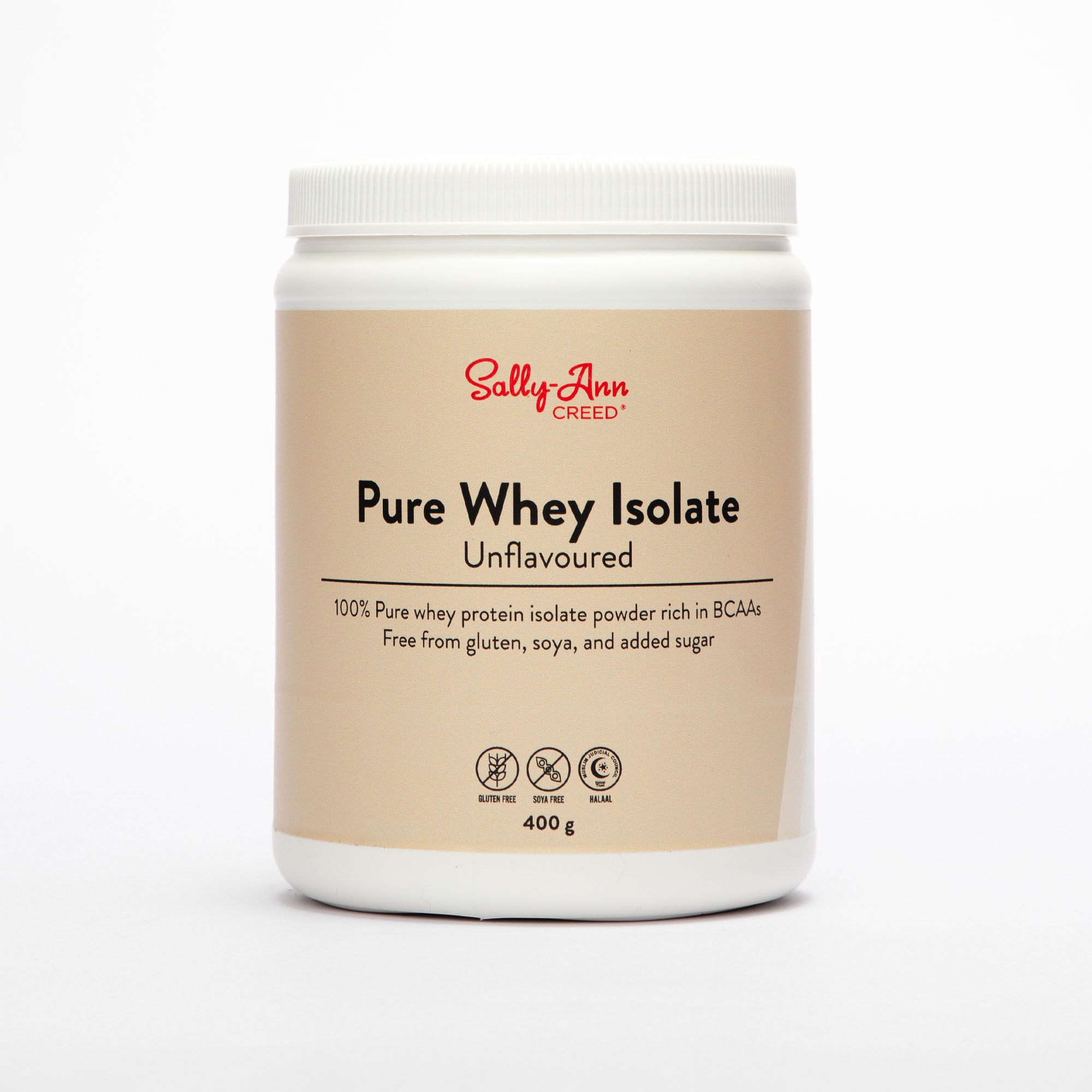
Pure Whey Protein Isolate or Creed Whey Isolate
A protein shake can be a convenient way to help meet your protein needs on low-appetite days. One 24g serving of our Pure Whey Isolate provides around 20.7g of protein, making it easier to add meaningful protein without having to eat a large meal.
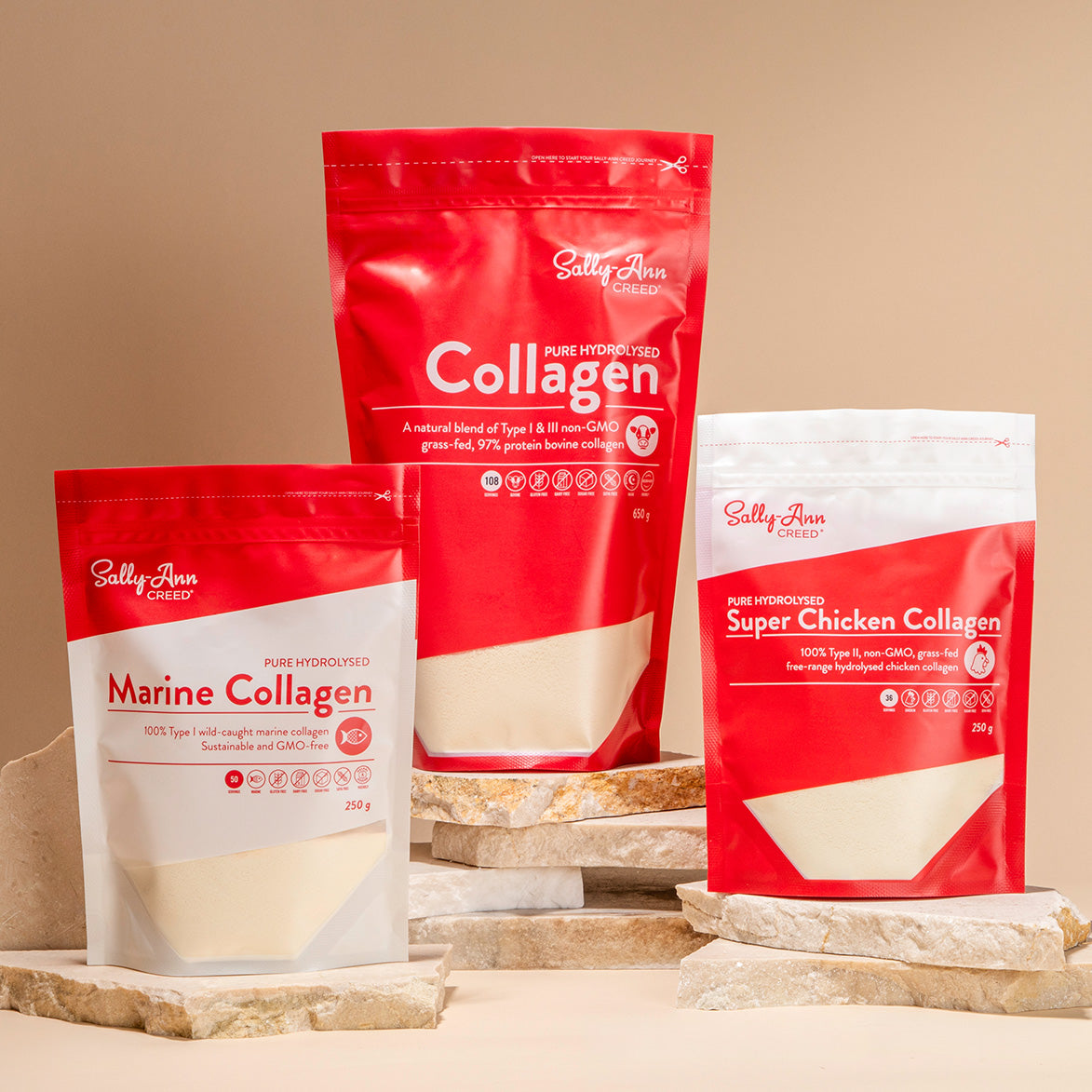
Pure Hydrolysed Grass-Fed Bovine Collagen
Collagen peptides can be an easy addition to coffee, yoghurt, smoothies or porridge, and may be useful as part of an overall protein and connective-tissue support strategy.
Vitamin D
Vitamin D plays an important role in calcium absorption and bone health. Supplementation is particularly worth discussing with your healthcare professional if blood tests show that your vitamin D is low.
Vitamin B12
If your intake of B12-rich foods becomes very limited, or you have another reason to be at risk of low B12, your healthcare professional may recommend checking your levels.
Gentle Daily Iron
Iron needs vary considerably, particularly in menstruating women. Rather than supplementing automatically, it is worth checking iron status if food intake is low, or if symptoms or blood results suggest deficiency.
Prohydrate+
A sugar-free electrolyte formula with sodium, potassium, collagen, L-glutamine and inulin. It helps replenish key electrolytes while supporting gut health and fluid balance.
A note before we go
Our hope with this blog is simple.
If you are using a GLP-1 medication, we want you to feel supported, informed and not judged. Our philosophy is not a reason to judge anyone's choices. The decision to use medication is yours and your doctor's. Our role is to help you look after your nutrition as well as possible, whatever that decision looks like.
Please keep in regular contact with your healthcare professional while using these medications. Monitor your intake. Prioritise protein. Include resistance training. Stay hydrated. And if your food intake becomes very limited, or you are worried about deficiencies, ask whether blood tests or a dietitian review would be appropriate.
If you have any questions, or would love to chat through what might be right for you, please contact our dietitian at dietitian@sallyanncreed.co.za. We would love to hear from you.
Eisa N, Barood O. Lean Mass Changes With Incretin Therapy Versus Lifestyle Intervention: A Systematic Review and Meta-Analysis of Randomised Controlled Trials. Diabetes Obes Metab. 2026 Jun;28(6):4818-4827. doi: 10.1111/dom.70666.
Mozaffarian D, Agarwal M, Aggarwal M, et al. Nutritional priorities to support GLP-1 therapy for obesity: A joint advisory from the American College of Lifestyle Medicine, the American Society for Nutrition, the Obesity Medicine Association, and the Obesity Society. Obes Pillars. 2025;15:100181.
Urbina J, Salinas-Ruiz LE, Valenciano C, Clapp B. Micronutrient and Nutritional Deficiencies Associated With GLP-1 Receptor Agonist Therapy: A Narrative Review. Clin Obes. 2026 Feb;16(1):e70070. doi: 10.1111/cob.70070. PMID: 41549912.
This blog is for educational and informational purposes only, and should not be considered medical advice. The information shared here is not intended to diagnose, treat, cure or prevent any disease. Please consult your doctor or a qualified healthcare professional before making any changes to your diet, lifestyle or supplement routine.