

Sarcopenia comes from the Greek words for “poverty of the flesh.” It describes the loss of muscle mass, strength and function that can happen as we age. Left unchecked, it can affect our quality of life, increase our risk of falls and injury, and make everyday tasks more difficult. The lovely news is age-related muscle loss is not something we simply have to accept without doing anything about it. “Muscle mass decreases approximately 3–8% per decade after the age of 30, and this rate of decline is even higher after the age of 60.” — Current Opinion in Clinical Nutrition and Metabolic Care MRI scans comparing thigh muscle and fat in a 74-year-old sedentary man and a 70-year-old triathlete. The lighter areas show fat tissue, while the darker areas show muscle. Source: Wroblewski et al., 2011. Take a look at these two scans. Both show the thighs of men in their early 70s. Notice how much more muscle is visible in the active man, compared with the fat surrounding and running through the muscles of the sedentary man. These are two different people, so the image cannot prove exercise caused every difference, but it beautifully shows what staying active can look like. Could you be at risk? Doctors often use a short screening questionnaire called the SARC-F to identify people who may be at risk of sarcopenia. Ask yourself: Do I struggle to lift and carry around 4.5 kg? Do I have difficulty walking across a room? Do I struggle to get up from a chair or bed? Do I have difficulty climbing a flight of stairs? Have I fallen more than once in the past year? If you answered yes to any of these, it is worth chatting to your doctor or a healthcare professional. In the meantime, here is how nutrition and movement can help support your muscles. • • • Key nutrition and lifestyle pillars for muscle health. Source: Calvani R et al. Metabolism, 2023. Eating enough Total energy intake matters as we age. We often see older adults eating too little because of changes in taste, a smaller appetite or difficulty eating. When the body does not get enough energy, it breaks down muscle protein as well as fat to fuel itself, which is the opposite of what we want. On the other hand, it is also possible to eat plenty but still miss out, by relying on “empty calorie” foods that are high in energy but low in nutrients (think chips or pastries). The goal is enough energy from a balanced, nourishing diet. Protein Getting enough protein is one of the most important things we can do to support our muscles as we age. The general minimum is 0.8g per kg of body weight per day, but experts recommend that healthy older adults aim for around 1.2 to 1.6g per kg for those living with illness or chronic disease. A few simple ways to get there: Aim for around 25 to 30g of protein at each meal, rather than saving most of it for dinner. Eat the protein on your plate first, before you start to feel full. Consider a whey protein shake if you struggle to get enough protein from food. Whey is naturally rich in leucine, an amino acid that plays a key role in switching on muscle protein synthesis. Collagen production also declines with age. Collagen is the main protein in the tendons, ligaments and connective tissue that support our muscles, so a daily spoonful of collagen peptides can be a helpful addition alongside, not instead of, other protein sources. Vitamin D Vitamin D contributes to the maintenance of normal muscle function and normal bones, and plays a role in calcium absorption. Low vitamin D levels are linked with a higher risk of sarcopenia. Study One study found that people who were vitamin D deficient had around twice the risk of sarcopenia. Even in sunny South Africa, many people have low levels, so a simple blood test is a good place to start. Omega-3 Omega-3 fatty acids help regulate inflammation. This matters because ongoing inflammation can slow muscle protein synthesis and increase muscle breakdown. Some research suggests omega-3s may help support muscle protein synthesis in older adults. If you are not eating oily fish such as sardines, mackerel or salmon at least twice a week, an omega-3 supplement may be worth considering. A Mediterranean-style diet According to a 2023 review in Metabolism, a Mediterranean-style eating pattern may help protect muscle health as we age. It is rich in vegetables, fruit, olive oil, nuts, legumes and fish, which provide antioxidants such as vitamins C, E and A, as well as beneficial plant compounds. • • • Movement: the most powerful tool Alongside good nutrition, exercise is the most effective way to protect muscle and improve quality of life as we age. Rogan Heyns, a Cape Town biokineticist, follows these guidelines from the American College of Sports Medicine (ACSM): Progressive resistance training: Using weights, resistance bands or body weight, gradually increasing the load over time to stimulate muscle growth and strength. Frequency: At least two to three days a week, targeting all the major muscle groups. Intensity: Moderate to high, around 60 to 80% of the most you can lift once (your one-rep maximum). Beginners can start with lighter loads and build up. Functional exercises: Movements that mimic daily life, such as squats, lunges and stair climbing, to improve mobility and balance. Aerobic exercise: Walking or cycling alongside resistance training supports heart health and overall fitness. Consistent training helps maintain and even rebuild muscle mass, strength and function, which is key to staying strong, independent and well in the years ahead. • • • A note before we go Sarcopenia is not just a part of getting older. It is the result of a shift that begins in our 30s and accelerates over the decades, and it can be influenced far more than most of us realise. The small, daily things we do (what we eat, how we move, how we rest) all matter. Protein at every meal. A few resistance sessions a week. A walk after dinner. These are the little acts of care that add up to strength, mobility and independence in our later decades. Because when it comes to our muscles, it is never too late to start looking after them. If you have any questions or would love to chat through what might be right for you, please contact our dietitian at dietitian@sallyanncreed.co.za. We would love to hear from you. References Volpi E, Nazemi R, Fujita S. Muscle tissue changes with aging. Current Opinion in Clinical Nutrition and Metabolic Care. 2004;7(4):405-410. Wroblewski AP, Amati F, Smiley MA, et al. Chronic exercise preserves lean muscle mass in masters athletes. The Physician and Sportsmedicine. 2011;39(3):172-178. Calvani R, Picca A, Coelho-Júnior HJ, Tosato M, Marzetti E, Landi F. Diet for the prevention and management of sarcopenia. Metabolism. 2023;146:155637. Malmstrom TK, Morley JE. SARC-F: a simple questionnaire to rapidly diagnose sarcopenia. Journal of the American Medical Directors Association. 2013;14(8):531-532. This blog is for educational and informational purposes only, and should not be considered medical advice. The information shared here is not intended to diagnose, treat, cure or prevent any disease. Please consult your doctor or a qualified healthcare professional before making any changes to your diet, lifestyle or supplement routine.
Read moreWe believe that real food, real nutrients, movement, sleep and stress management form the foundation of lifelong wellness. That is our core philosophy, and it is not changing. But we also believe that sometimes the body needs clinical support. Sometimes nutrition and lifestyle alone are not enough. Just as some people may need medication to support their mental health, or antibiotics to treat a serious bacterial infection, there are times when medical treatment can play an important role in someone's health. So while we will always promote a food-first approach, we also deeply respect the decisions people make together with their doctors. Our role is not to judge how you got here, but to support you with sound nutrition wherever you are on your health journey. If you, or someone you love, is using a GLP-1 medication, this blog is for you. • • • Why nutrition matters even more on a GLP-1 GLP-1 medications can substantially reduce appetite and food intake, which is part of how they work for weight management. But when you are eating less overall, every meal has to work a little harder nutritionally. Over time, a lower food intake can make it more difficult to meet your needs for protein, fibre, vitamins, minerals, fluids and healthy fats. This does not mean that everyone using a GLP-1 medication will develop a deficiency or lose significant muscle or bone mass, but it does mean that you need to pay extra attention to ensuring you are receiving enough nutrition. Here are four areas we would pay particular attention to. Muscle and lean mass When you lose a significant amount of weight, you do not only lose body fat. Some lean or fat-free mass can be lost too. Lean mass is not exactly the same thing as skeletal muscle, it also includes body water and other tissues, but preserving muscle during weight loss is incredibly important. Muscle supports strength, mobility, metabolic health and independence as we age. This is why adequate protein and resistance training become especially important during significant weight loss. Study A 2026 meta-analysis of 20 trials involving 15,782 participants found that lean mass accounted for about 25 to 39% of total weight lost with incretin therapies. Interestingly, programmes that included resistance training had the most favourable lean-mass profile, with a much smaller proportion of weight loss coming from lean tissue. Bone health GLP-1 medications themselves have not consistently been shown to cause bone loss, but rapid weight loss, eating too little overall and not getting enough protein, calcium or vitamin D can make good bone nutrition even more important. Study Interestingly, the speed of weight loss may matter too. Research has found that substantial, rapid weight loss, around 14% or more of body weight over just 3 to 4 months, is associated with greater bone loss, while slower, more moderate weight loss may be more protective of bone mass. This is especially important for older adults and women, who may be more vulnerable to bone loss during significant weight reduction. Our bones are constantly being broken down and rebuilt, and they need both the right nutritional building blocks and regular mechanical load from movement and resistance exercise to stay strong. Nutrient intake When your total food intake becomes much smaller, it can become harder to meet your needs for nutrients such as: Protein Calcium and vitamin D Iron Vitamin B12 Magnesium and zinc Other vitamins and minerals normally provided by a varied diet A 2026 review looking specifically at micronutrient risk during GLP-1 treatment identified iron, vitamin B12, vitamin D, calcium, magnesium and zinc as some of the nutrients most worth paying attention to. The authors emphasised that risk is individual and influenced by things like how much someone is eating, their diet variety, gastrointestinal symptoms and their nutritional status before starting treatment. Hair, skin and nail changes Some people notice increased hair shedding or changes in their skin or nails during significant weight loss. Rapid weight loss itself can contribute to temporary hair shedding, while eating too little protein, energy or certain micronutrients, particularly iron and other nutrients involved in normal hair growth, may also play a role. Study A 2026 systematic review and meta-analysis involving more than one million patient exposures found an association between GLP-1 use and non-scarring hair loss. The researchers suggested that rapid weight loss and nutritional changes contributed to this, rather than it necessarily being a simple direct effect of the medication itself. • • • What to focus on if you are using a GLP-1 In 2025, four leading nutrition and obesity organisations published a joint advisory on the nutritional priorities that should sit alongside GLP-1 treatment. Their framework, shown below, reflects many of the areas we have covered here. Source: Mozaffarian et al., 2025. Nutritional priorities to support GLP-1 therapy for obesity. The good news is that there is a lot you can do to support your body nutritionally. 1. Prioritise protein When appetite is low, make the protein part of your meal count. Protein needs are individual, but many adults losing weight may benefit from a higher protein intake, particularly when combined with resistance exercise. For some people, around 1.2 to 1.6g of protein per kilogram of body weight per day (in some cases even more, for example 1.8 to 2.2g/kg/day) may be appropriate, although this should always be individualised according to body size, age, activity level and medical history. Protein on its own is not the whole answer. Preserving muscle works best when adequate protein is combined with resistance training. If you struggle to finish your meal, try eating the protein portion first. 2. Include calcium-rich foods regularly Yoghurt, cheese, milk, sardines with soft bones, dark leafy greens, almonds and chia seeds can all contribute towards your calcium intake. For many adults, a daily intake of around 1,000 to 1,200mg may be appropriate, although individual requirements vary. 3. Prioritise fibre Fibre remains important for digestive health, and constipation is a very common issue with those using GLP-1 medications. Aim to include fibre-rich foods such as oats, legumes, fruit, vegetables, nuts and seeds regularly, while increasing fibre gradually if your intake has been low. Some may choose to use psyllium husk, which is a soluble fibre. It swells in water and helps bulk the stool. At Sally-Ann Creed® we have Skinny Fibre, which is a glucomannan supplement that absorbs large amounts of water (up to 50 times its weight). A note on fibre supplements If you would like to try a fibre supplement, start with a small amount, take it with plenty of water and check with your doctor first. Because GLP-1s can reduce your gastric transit time (how fast food moves through your gut), a fibre supplement can actually cause bloating or pain, which is why we suggest starting very low and ensuring you are having lots of water. Supplements like Fybogel or Movicol are other options to use temporarily and occasionally, which you can discuss with your doctor. 4. Keep moving, especially with resistance training Resistance training two to three times a week can be incredibly valuable for helping preserve muscle and support bone health during weight loss. Regular walking and general movement matter too. "The goal should not simply be to lose weight, but to preserve as much muscle, strength and function as possible while doing it." This is one of the strongest themes coming through in the newer GLP-1 literature. 5. Stay on top of hydration It can be surprisingly easy to drink less when you are eating less. Nausea, vomiting or diarrhoea can also increase fluid losses in some people using GLP-1 medications. Sip fluids regularly throughout the day rather than waiting until you feel very thirsty. • • • Where supplements may fit in Supplements should never replace food, but they can sometimes be useful when appetite is very low, or when blood tests, dietary intake or individual circumstances suggest that extra support is needed. Pure Whey Protein Isolate or Creed Whey Isolate A protein shake can be a convenient way to help meet your protein needs on low-appetite days. One 24g serving of our Pure Whey Isolate provides around 20.7g of protein, making it easier to add meaningful protein without having to eat a large meal. Pure Hydrolysed Grass-Fed Bovine Collagen Collagen peptides can be an easy addition to coffee, yoghurt, smoothies or porridge, and may be useful as part of an overall protein and connective-tissue support strategy. Vitamin D Vitamin D plays an important role in calcium absorption and bone health. Supplementation is particularly worth discussing with your healthcare professional if blood tests show that your vitamin D is low. Vitamin B12 If your intake of B12-rich foods becomes very limited, or you have another reason to be at risk of low B12, your healthcare professional may recommend checking your levels. Gentle Daily Iron Iron needs vary considerably, particularly in menstruating women. Rather than supplementing automatically, it is worth checking iron status if food intake is low, or if symptoms or blood results suggest deficiency. Prohydrate+ A sugar-free electrolyte formula with sodium, potassium, collagen, L-glutamine and inulin. It helps replenish key electrolytes while supporting gut health and fluid balance. • • • A note before we go Our hope with this blog is simple. If you are using a GLP-1 medication, we want you to feel supported, informed and not judged. Our philosophy is not a reason to judge anyone's choices. The decision to use medication is yours and your doctor's. Our role is to help you look after your nutrition as well as possible, whatever that decision looks like. Please keep in regular contact with your healthcare professional while using these medications. Monitor your intake. Prioritise protein. Include resistance training. Stay hydrated. And if your food intake becomes very limited, or you are worried about deficiencies, ask whether blood tests or a dietitian review would be appropriate. If you have any questions, or would love to chat through what might be right for you, please contact our dietitian at dietitian@sallyanncreed.co.za. We would love to hear from you. References Eisa N, Barood O. Lean Mass Changes With Incretin Therapy Versus Lifestyle Intervention: A Systematic Review and Meta-Analysis of Randomised Controlled Trials. Diabetes Obes Metab. 2026 Jun;28(6):4818-4827. doi: 10.1111/dom.70666. Mozaffarian D, Agarwal M, Aggarwal M, et al. Nutritional priorities to support GLP-1 therapy for obesity: A joint advisory from the American College of Lifestyle Medicine, the American Society for Nutrition, the Obesity Medicine Association, and the Obesity Society. Obes Pillars. 2025;15:100181. Urbina J, Salinas-Ruiz LE, Valenciano C, Clapp B. Micronutrient and Nutritional Deficiencies Associated With GLP-1 Receptor Agonist Therapy: A Narrative Review. Clin Obes. 2026 Feb;16(1):e70070. doi: 10.1111/cob.70070. PMID: 41549912. This blog is for educational and informational purposes only, and should not be considered medical advice. The information shared here is not intended to diagnose, treat, cure or prevent any disease. Please consult your doctor or a qualified healthcare professional before making any changes to your diet, lifestyle or supplement routine.
Read moreWhile our original NeuroBoost worked well for many, we saw an opportunity to refine the formula as science improved. Here’s why we updated one of our favourite products, and how the new ingredients offer clearer focus and better stress balance.
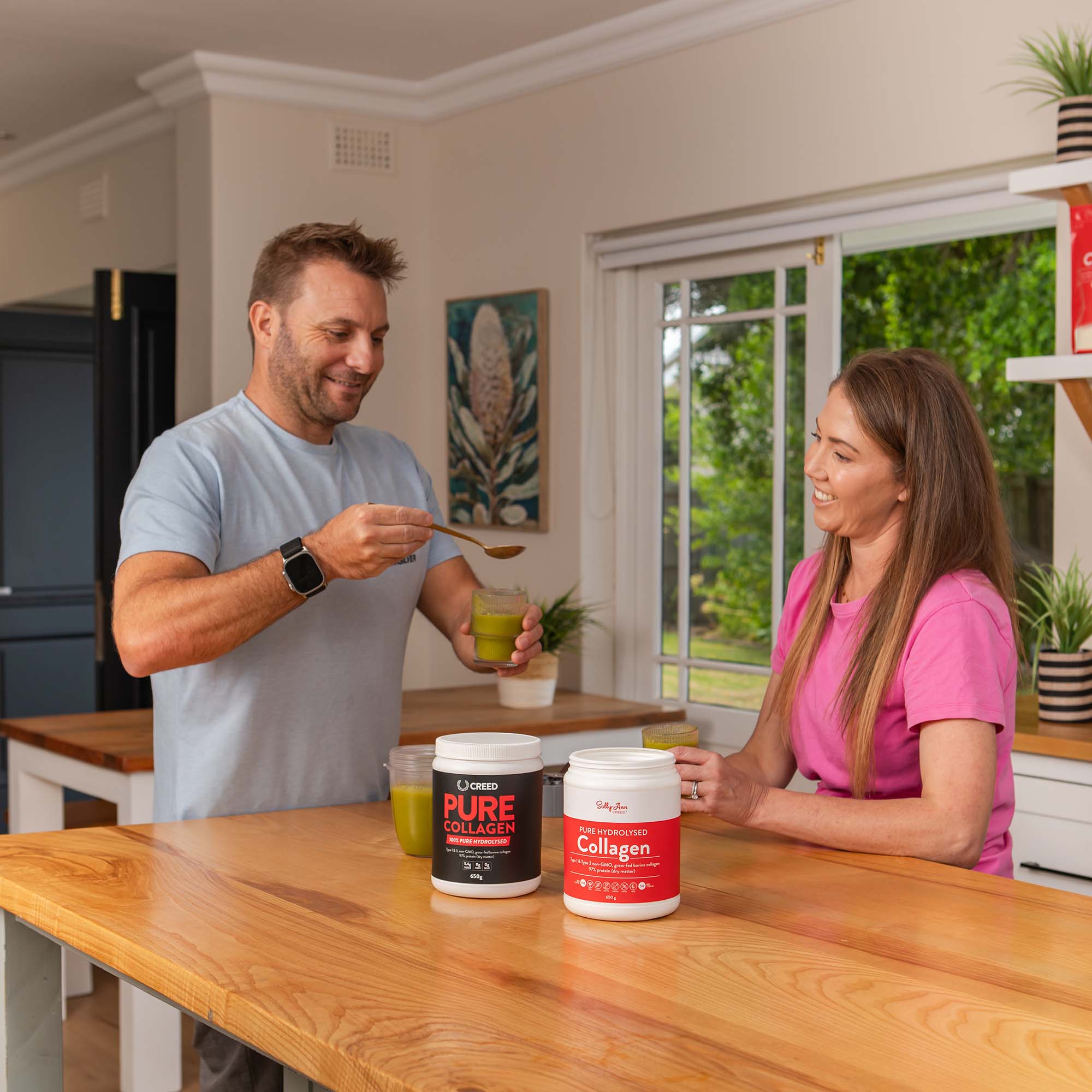
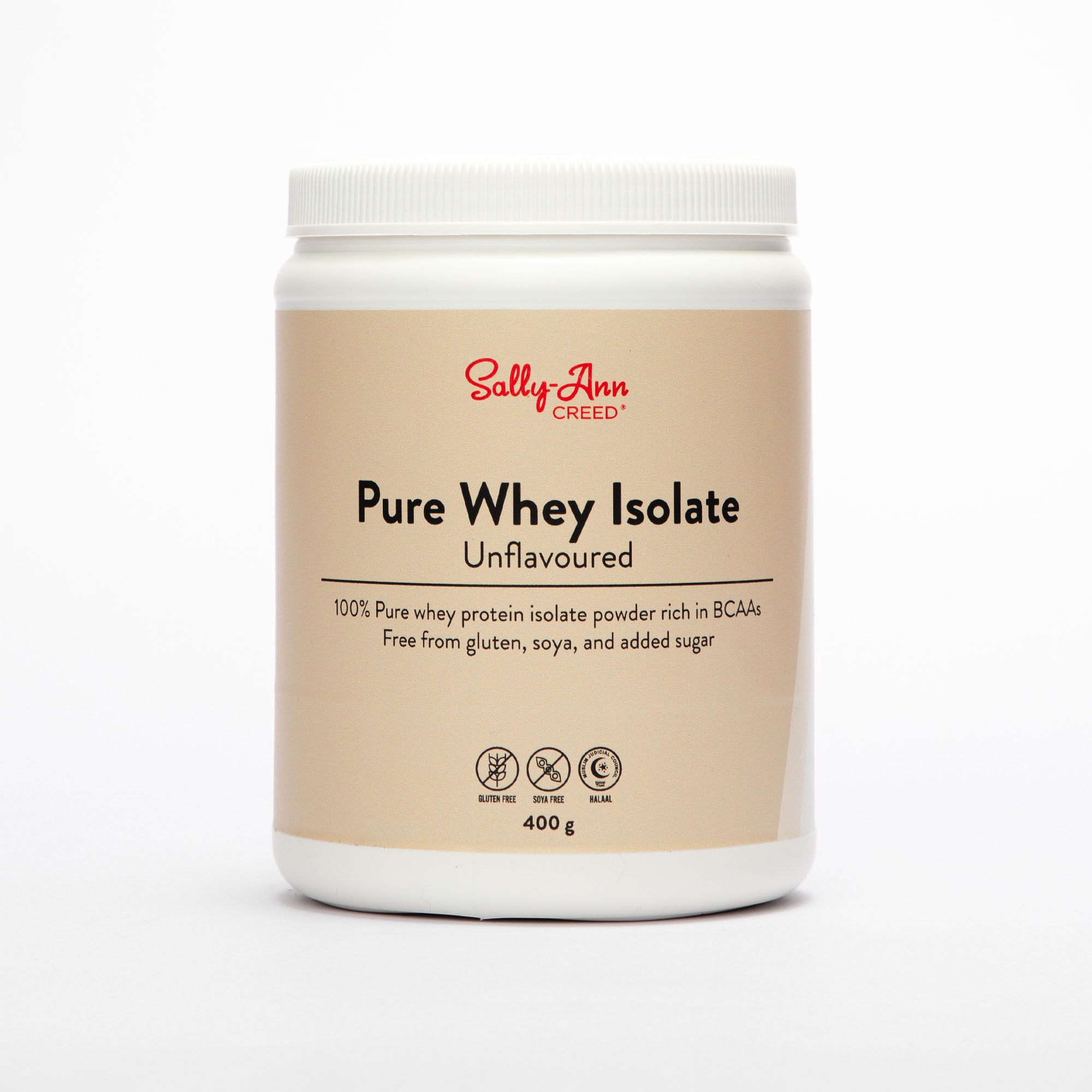
Read moreOne of the most common questions we get is: "Should I be taking collagen or whey?" It is a lovely question, and one we love to help with! The short answer? These two proteins are so different from each other that comparing them is a bit like comparing a hammer to a screwdriver. Both are wonderful tools. They just do very different jobs. Yes, both whey and collagen are proteins. But that is really where the similarity ends. They are made of completely different building blocks, they support different tissues, and they offer very different benefits. By the end, you will know which one is right for what you are trying to achieve. Or, as we often suggest, whether both might belong in your daily routine. Whey protein Whey protein has been a staple in the world of nutrition for decades. It has been a natural byproduct of cheese-making for thousands of years. If you have ever seen the watery liquid that separates from curdled milk when making yoghurt or cheese, that liquid is whey. For most of history, it was thrown away or used for livestock feed. It was only in the last few decades that its incredible nutritional profile was properly recognised, and it became the staple of fitness and nutrition it is today. A few fun facts about whey: Whey protein is a complete protein, meaning it contains all 9 essential amino acids (the ones your body cannot make on its own). It is particularly rich in branched-chain amino acids (BCAAs): valine, leucine, and isoleucine, which are involved in muscle repair and growth. Leucine, one of the major amino acids, is able to stimulate muscle protein synthesis, which is why whey is so linked with muscle building. Whey comes in different forms. Whey Protein Concentrate is around 70 to 80% protein and contains some lactose and fat. Whey Protein Isolate is around 90% protein, with fat, lactose, and sugars filtered out through advanced processing. At Sally-Ann Creed®, we only stock Whey Protein Isolate, because we want you to get the highest quality protein source without any unnecessary extras. If lactose is an issue for you, or you are simply looking for the cleanest option, isolate is your friend. Collagen Here is a lovely fact most people do not know. Collagen is actually the most abundant protein in your body. It makes up roughly 30% of your total body protein, right now. It is the structural scaffolding that holds your skin together, cushions your joints, strengthens your bones, and gives shape to your tendons, ligaments, hair, and nails. Your body makes its own collagen all the time. But from around your mid-twenties, this natural production begins to slow. By your fifties, you may be producing significantly less collagen than you did in your twenties. This is one of the reasons skin, joints, and hair often start to feel different as we age. A few fun facts about collagen: Collagen is typically extracted from bovine (cow), marine (fish), or chicken sources. It is not a complete protein and does not contain all 9 essential amino acids. It is naturally very high in three amino acids: glycine, proline, and hydroxyproline. These are the building blocks of connective tissue. Collagen supplements are typically hydrolysed, meaning the protein has been broken down into smaller pieces called peptides, which are easier for the body to absorb. Whey vs collagen at a glance A quick side-by-side, so you can see the differences at a glance: Feature Whey Protein Collagen Made from Milk (whey portion of cheese-making) Bovine, marine, or chicken sources Complete protein? Yes, all 9 essential amino acids No, missing tryptophan amino acid Key amino acids BCAAs, especially leucine Glycine, proline, and hydroxyproline Main role Building and repairing muscle Structural support (skin, joints, bones) Best for Muscle support, preventing age-related muscle loss, balancing meals Skin, joints, hair, nails, connective tissue When to take Post-workout or as a meal protein top-up Any time, often with coffee in the morning The amino acid difference If you want to see just how different these two proteins really are, have a look at the building blocks or amino acids. This chart shows the amino acid content of both proteins, side by side, in grams per 100g of protein. Whey's main pro is leucine. Whey contains around 3.6 times more leucine than collagen. Leucine is the amino acid uniquely responsible for triggering muscle protein synthesis, which is why whey is the tool for muscle building. Collagen's pros are glycine, proline, and hydroxyproline. Together these three amino acids make up nearly half of collagen's entire structure. They are the building blocks of the connective tissue that keeps your skin, joints, and bones strong. Collagen contains no tryptophan. This is one of the 9 essential amino acids, which is why collagen is technically an incomplete protein. Hydroxyproline is unique to collagen. It is barely found anywhere else in nature. Which is why nothing else quite does what collagen does for connective tissue. Which should you choose? Choose whey if: You are looking to build or preserve muscle You are training regularly, especially strength training You are over 50 and want to protect against age-related muscle loss (sarcopenia) You are looking for a high-protein snack or breakfast supplement You want a complete protein that fills nutritional gaps Choose collagen if: You are focused on skin health, elasticity, or hydration You are supporting joint comfort or connective tissue recovery You want to support hair, nail, and gut lining health You are over 25 and want to top up what your body is starting to produce less of Choose both if: You want the full broad benefit of muscle support, connective tissue support, as well as hair, skin, and nails support. Nothing about these two proteins competes or conflicts—they complement each other. Whey protein and collagen are two very different proteins, doing two very different jobs. Framing them as rivals misses the point. They are not competitors. They are complements. At Sally-Ann Creed®, we offer both because we believe both matter. Our whey protein isolate for the muscle-building, complete-protein side of the equation. Our collagen for the skin, joint, hair, and connective tissue side. Explore our range: ♥ Pure Whey Protein Isolate → ♥ Pure Collagen Peptides → If you have any questions or want to learn more, please contact our dietitian at dietitian@sallyanncreed.co.za ♥ This article is for educational purposes only and is not intended to diagnose, treat, or replace medical advice. If you have any concerns about protein intake, are managing a medical condition, or are pregnant or breastfeeding, please consult a qualified healthcare practitioner before starting any new supplement.
Read more