Articles

Fibre and weight loss
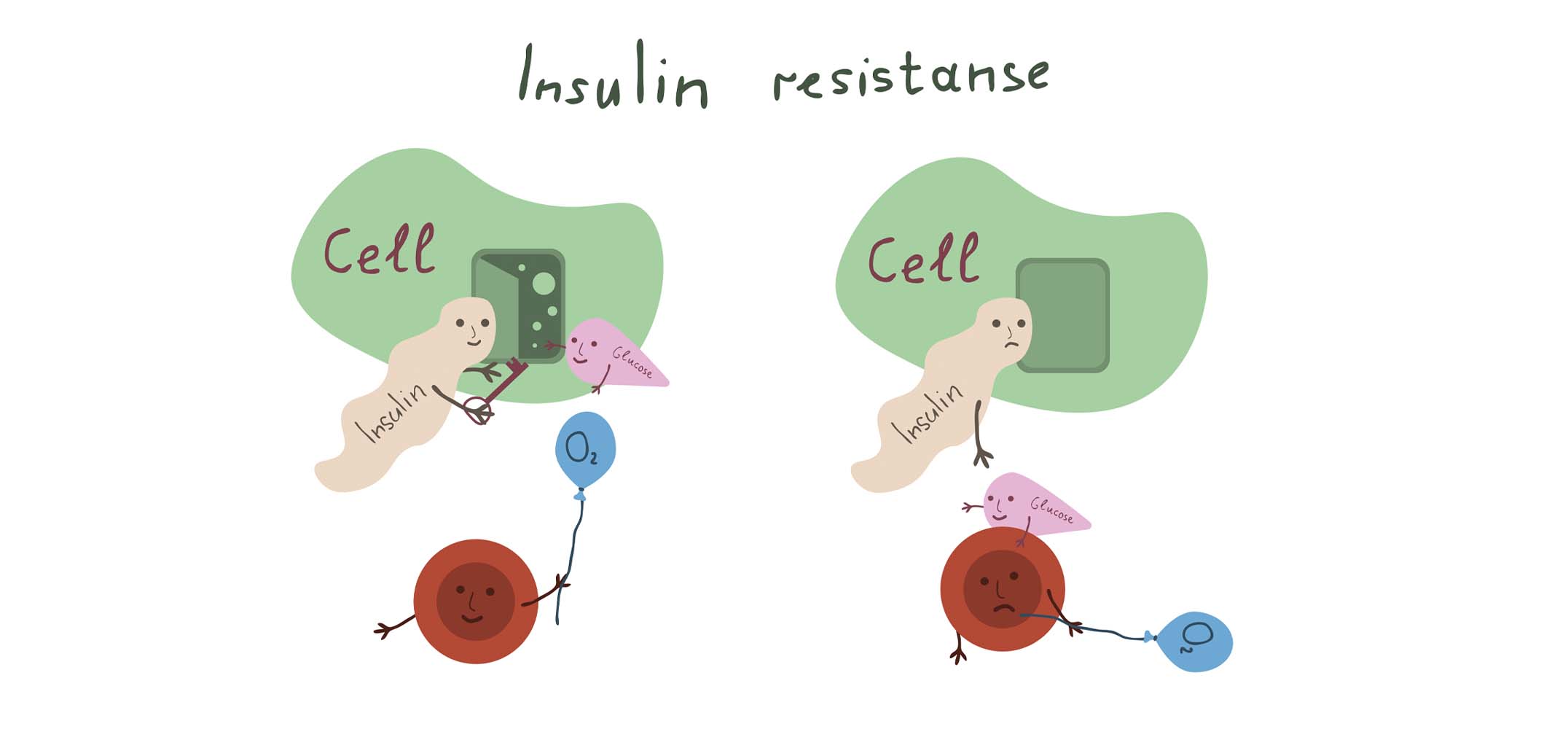
Did you know that fibre is a carb? Yes, you heard that right–a carb! The wonderful thing is, unlike other carbs, your body doesn’t easily digest it. So it moves through your digestive system without sending your blood sugar on a rollercoaster ride. Fibre is found in plant foods like fruits, veggies, and whole grains. All fruits and veggies have fibre, but most of it is found in the skin, seeds, and membranes. That’s why eating a skin-on apple packs more fibre punch than a peeled banana. There are two different types of fibre – soluble and insoluble. Soluble fibre can dissolve in water. It then forms a “gel” in your gut, slowing down the sugar party in your bloodstream. Lower sugar levels mean your insulin levels stay low, and that means your body is less likely to begin storing fat. The other kind of fibre doesn’t dissolve in water, which is why it’s called “insoluble”. Unlike soluble fibres that your body takes its time digesting, this one kind of zooms through your system, cleaning your gut as it moves through. This type of fibre adds bulk to your stool and helps things move smoothly through your digestive journey. If you’re looking to shed a few kilos or just stay in that healthy weight zone, then you want to add a good blend of soluble and insoluble fibre to your diet. If you’re a woman under 50, your goal should be around 25 grams of fibre per day, while men should aim for 38 grams per day. Because of our modern diet, most people are only getting about half! That means we’re missing out not only on their weight-loss benefits, but their ability to reduce the risk of heart disease and type 2 diabetes. Now, fibre isn’t some magical fat-burning silver bullet. What it does really well is help with making us feel full. It gives you that satisfied feeling without the need for extra calories in your meal. It’s like you’re not just eating less, but you’re also less likely to hear your stomach growling an hour later. So, how does fibre wave away those annoying hunger pangs? It takes up space in your stomach, tapping those little receptors that tell your brain, “It’s time to stop eating!” But wait, there’s more. To keep that fibre moving through your system, you have to drink lots of water – around eight glasses a day. Water helps the fibre slide through your digestive system, and helps tackle those hunger pangs too. It’s like a win-win, keeping you full and quenching that thirst that sometimes tricks you into thinking you’re hungry There are a few cases where certain fibre types might not be your friend. Take fermentable oligosaccharides, disaccharides, monosaccharides and polyols (FODMAPS), for instance – these are fibres that some people can be sensitive to. They can cause tummy troubles like bloating and diarrhoea, and they hang out in foods like garlic powder, onions, dairy, and certain fruits and veggies. So listen to your body when you’re getting cozy with high-fibre foods. Take it slow and steady when you’re getting back into foods like beans, nuts, seeds, and all those colourful fruits and veggies. And hey, if boosting your fibre game is a bit of a struggle, have a heart-to-heart with your healthcare provider. References: https://www.webmd.com/diet/features/fiber-weight-control#:~:text=The%20study%20added%20to%20a,the%20other%2C%20more%20structured%20approach. https://theconversation.com/fiber-is-your-bodys-natural-guide-to-weight-management-rather-than-cutting-carbs-out-of-your-diet-eat-them-in-their-original-fiber-packaging-instead-205159
Read more
Emotional Eating
We don’t always eat just to satisfy physical hunger. Many of us also turn to food for comfort, stress relief, or to reward ourselves. When we do, we tend to reach for junk food, sweets, and other comforting, but unhealthy foods. You might reach for a tub of ice cream when you’re feeling down, order a pizza if you’re bored or lonely, or swing by the drive-through after a stressful day at work. Emotional eating is the use of food to make yourself feel better or to fill your emotional needs rather than your stomach. Unfortunately, emotional eating doesn’t fix emotional problems. In fact, it usually makes you feel worse. Afterward, not only does the original emotional issue remain, but you also feel guilty for overeating. Occasionally using food as a pick-me-up, a reward, or to celebrate isn’t necessarily a bad thing. But when eating is your primary emotional coping mechanism, that’s a bad sign. You get stuck in an unhealthy cycle where the real feeling or problem is never addressed. Emotional hunger can’t be filled with food. Eating may feel good now, but the feelings that triggered eating are still there. And you often feel worse than you did before because of the unnecessary calories you’ve just consumed. Compounding the problem, you stop learning healthier ways to deal with your emotions, you have a harder and harder time controlling your weight, and you feel increasingly powerless over both food and your feelings. No matter how powerless you feel over food and your feelings, it is possible to make a positive change. You can learn healthier ways to deal with your emotions, avoid triggers, conquer cravings, and finally put a stop to emotional eating. To stop emotional eating, you must find other ways to fulfill yourself emotionally. It’s not enough to understand the cycle of emotional eating or even to understand your triggers, although that’s a huge first step. You need alternatives to food that you can turn to for emotional fulfillment. Alternative Coping Mechanisms: Once you’ve identified the triggers, it’s essential to replace emotional eating with healthier coping mechanisms. Activities like exercising, meditating, journaling, or talking to a friend can help redirect your focus and alleviate emotional distress. Find activities that bring you joy and provide an outlet for your emotions, allowing you to break free from the reliance on food for comfort. Mindful Eating: Practicing mindful eating is another effective strategy to break the cycle. When you eat, pay attention to the physical sensations, taste, and texture of the food. Slow down, savor each bite, and listen to your body’s cues of hunger and fullness. By being present in the moment, you can differentiate between genuine hunger and emotional cravings, helping you make healthier choices. Building a Support System: Surrounding yourself with a supportive network can make a significant difference in breaking the cycle of emotional eating. Seek out friends, family, or support groups who can provide encouragement, accountability, and guidance during challenging times. Sharing your journey with others who understand and empathize can empower you to overcome emotional eating habits. Seeking Professional Help: In some cases, emotional eating may be deeply rooted in underlying emotional or psychological issues. Seeking professional help, such as therapy or counseling, can provide valuable insights and strategies for addressing the root causes of emotional eating. A trained professional can guide you through the process of breaking the cycle and developing healthier coping mechanisms. Combining these 4 strategies will help you not only heal any psychological issues you may suffer from, but also heal your relationship with food. You can even indulge in your favorite foods and feel full on much less. It takes time for the body’s fullness signal to reach your brain, so taking a few moments to consider how you feel after each bite—hungry or satiated—can help you avoid overeating.
Read more
Can Vitamin D save your Life?
Yes, we believe vitamin D can save your life. Vitamin D is a true superstar which affects so much more than bones and teeth. The brain, immune system, hormones, cancer prevention and gene expression all rely to some extent on Vitamin D. In fact Vitamin D has been called “one of the simplest solutions to wide-ranging health problems”. Because almost every cell and tissue in the body has a receptor for Vitamin D. So it’s important to get enough, wouldn’t you say vitamin D can save your life? Vitamin D is made in the skin using cholesterol and sunlight, but how many of us get hours of daily sun on bare skin at noon? Studies show most people on this planet are deficient in the minimum RDA for Vitamin D, especially children (they use it quickly to build bones and teeth), and the elderly. You need to have a blood test annually if you are not sure. The preferred range is 50-70ng/ml, and it becomes harder for our bodies to produce it after 35 anyway. If you have heart disease or a history of cancer you want that up to 70-100 ng/ml. It is possible to overdose on D, but if you remain in these ranges and test annually, you will be fine. Overdosing takes a long time at high doses. Taking 1000iu a day will slowly get you to your right level, and you won’t overdose. Please note: Prescription Vitamin D is D2, not D3. D2 does not directly supply D3, and is given in much higher doses (50,000 iu weekly). When blood levels test normal, your doctor will take you OFF D2. But you’ll slip back to deficiency if not taking D3 on a regular basis. Foods which contain D3 Fatty fish such as wild (not farmed) salmon and sardines have roughly 400iu of D in a 90g serving. Liver and pastured egg yolk have a tiny bit – 40iu in 1 egg or 90g of liver. That’s a lot of liver, eggs and canned fish to get a dose of 1000 to 7,000 iu daily. A good supplement is so much easier. Cod liver oil has about 450iu per teaspoon. Mushrooms labelled as containing Vitamin D have been exposed to light and contain Vitamin D2 NOT D3. So it’s difficult to get from food. Absorption of all fat-soluble vitamins is decreased in those with intestinal inflammation such as Celiac, Crohn’s and Irritable Bowel Syndrome and other gut issues. NOTE: ALWAYS TAKE VITAMIN K2 WITH D. Never, never, take Vitamin D3 without K2. We have supplements in our online store with D3 and K2 at https://sallyanncreed.co.za/shop Ways Vitamin D can save your life: DNA repair and gene regulation. This is massive! Vitamin D impacts all the bad genes (turns them off) and all the good genes (turns them on), changing your entire future. One study showed a mere 2,000iu of vitamin D3 per day for a few months upregulated 291 different genes controlling 80 different metabolic processes. Imagine what you are missing out on if you don’t have enough D3? Prevents osteoporosis, hip fractures, arthritis and many types of pain. Studies show a sharp increase in all-cause mortality after a broken hip. Anything that stops us from exercising is harmful. Vitamin D is so important with Vitamin K2 for maintaining bone strength. Vitamin D plays a big role in the aches and pains of chronic fatigue and Fibromyalgia too. The immune system. Vitamin D3 supports the “killer cells” of the immune system, helping white blood cells kill infections. We get sick less often and get well faster. Vitamin D3 is also a potent immune modulator for the prevention and resolution of autoimmune diseases like Multiple Sclerosis and inflammatory bowel disease. Cancer. Vitamin D plays a role in most cancers. In one study, 70% of women with breast cancer were found to be vitamin D deficient. It has even been shown to prevent breast cancer cell growth and decrease the expression of cancer causing genes. It is essential after cancer treatment to track your Vitamin D twice annually and keep it at the top of the range or just slightly beyond – 75-100 ng/ml according to some experts. Maintains a healthy brain. Vitamin D affects production of serotonin which affects sleep, depression, PMS, weight, mood, digestion and more. It helps prevent Parkinson’s by enhancing the transmission of electricity to your neurons and by detoxifying your cells. Dementia, Alzheimer’s, memory and information processing are all affected by low D. Vitamin D activates and deactivates enzymes in the brain and the cerebrospinal fluid involved in neurotransmitter synthesis and nerve growth. Heart disease. People with insufficient vitamin D have an 80% greater risk of narrowing of the arteries according to a long-term study at Johns Hopkins. Vitamin D is important for reducing hypertension, atherosclerotic heart disease, heart attack, and stroke. One study showed Vitamin D deficiency increased the risk of heart attack by 50%. VERY important – Vitamin K2 plays a huge role here also. Don’t take D without K2, as the K2 prevents D from hardening the arteries or forming calcium deposits incorrectly anywhere in the body. Vitamin D plays many roles, but Vitamin K2 makes sure the calcium absorbed does NOT go to the arteries, but to the bones. It’s as important as D3. Diabetes & Weight Loss. Vitamin D stimulates insulin production and is important for Diabetes management and for weight loss. There’s almost no mental or physical function that D does not affect. You’ll find the excellently formulated vitamins – Vitamin D3 Premium and Vitamin K2 Premium at https://sallyanncreed.co.za/shop
Read more
Speed up your healing – dump gluten
Lack of essential and bioavailable proteins are a major contributing factor to persistent illness especially in those with gluten sensitivity. Protein is the main ingredient your body uses to build immune antibodies as well as heal inflamed structural tissues and muscles. Protein hence helps speed up your healing. These functions are vital for the following reasons: Antibody production, essential to combat infection, chemical toxins and allergies. Research shows that antibody deficiency is a common phenomenon in those with gluten sensitivity. Lack of these vital proteins puts you at risk for multiple chronic health issues. Muscles are required for movement of the frame. As part of this process, muscle serves as a pumping system for your lymphatic vessels. These vessels are crucial because they help the body transport immune cells and antibodies. They also help remove damaging toxins. Research also shows that a large majority of those with gluten sensitivity have poor muscle to fat ratios. Gluten Destroys Muscle & Causes Protein Wasting One of the most common side effects of gluten is inflammation in the muscles and joints, as gluten proteins create an inflammatory reaction in these tissues that over time leads to many negative outcomes such as: Muscle pain Muscle atrophy (loss) Joint pain and arthritis Weight gain (increased visceral fat – especially belly fat) Weight loss (due to muscle atrophy) – the worst kind of weight loss Restricted mobility Increased risk for injury in those trying to exercise Gluten consumption leads to body protein disruption in several ways and prevents speeding up your healing: Inflammation – Gluten can cause the immune system to literally attack the muscle and joints leading to chronic pain and inflammation. A prolonged immune system attack contributes to chronic degradation of these tissues and subsequently atrophy of the muscle and arthritis in the joint. Hormone Release – To deal with this chronic damage, the body produces cortisol as an anti-inflammatory hormone. Increased cortisol leads to increased visceral fat (belly fat). Damage to the Stomach and GI Tract – Gluten can damage the specialized cells in your stomach and small intestines that secrete vital acid and digestive enzymes. Over time this damage makes it almost impossible to properly digest and break down dietary proteins from meats and vegetables. Many with gluten sensitivity have lost their ability to digest properly and develop protein and amino acid deficits. Gluten-Induced Gut Damage Can Make Meat Digestion a Challenge Many who embark on a gluten free diet still have inflamed and damaged gastrointestinal tracts. Some suffer with low acid production making it hard to digest dietary proteins. This is a big part of the “Catch 22″ in healing. To heal the gut, you need protein, but to digest the protein, you need a healthy and functional gut. The Critical Role of Protein and how it speeds up your healing Protein balance plays a major role body function. It is essential for proper maintenance of the immune system, the detoxification systems in the liver, antibody formation, muscle maintenance, tissue repair, digestive enzyme production, neurotransmitter (brain chemicals), and hormone production. Protein is responsible for building cellular receptors that help recognize hormones, regulate blood sugar, control our circadian rhythm, and control our metabolism. Too Many Carbs Excessive carbohydrate intake causes damage to important proteins in our bloodstream. This damage, often referred to as AGE (Advanced Glycation End products) is a major contributing factor to inflammation and chronic illness. Chronic inflammation leads to hormone changes that tax our body’s protein stores and our ability to heal and repair is minimized. The Problem with Most Protein Powders Unfortunately, most protein powders contain cheap and highly processed ingredients that is harder to digest and damaging to health. Others are full of artificial sweeteners and GMO chemicals like aspartame, sucralose, corn fructose, and maltodextrin. And forget the rice based proteins – they are devoid of nutrients, low in biologically valuable amino acids, have a high potential for arsenic contamination and most importantly contain a concentrated and very difficult to digest type of rice gluten. Other common protein options contain foods with severe allergenic potential. The most common include dairy, soy, and egg. All three of these protein replacements can have severe drawbacks. Dairy is usually a major problem for those with gluten sensitivity. Aside from it’ s allergic potential, most dairy proteins are heat processed and derived from GMO cows being fed GMO grains covered in chemical fertilizers and pesticides. These chemicals are known gut irritants and have been shown to alter the microbial gut balance and contribute to intestinal permeability (leaky gut). Soy proteins are high in phytates and tannins (compounds that inhibit mineral absorption – calcium, iron, zinc). Most soy proteins are also GMO and have been treated with chemical pesticides plus soy is a death-knell for the thyroid gland. Egg protein replacement powders are typically derived from chickens being fed diets high in GMO grain sources. The birds suffer from poor environmental conditions and those who are gluten sensitive often react to eggs from grain fed chickens. What’s the Solution? If you want a high quality protein without the drawbacks to help support your recovery and overall health, I recommend Pure Hydrolysed Collagen. Start with one scoop a day and progress to two scoops. My Pure Hydrolysed Collagen is non-GMO, grass-fed and pure, it has all you need to heal your gut. There are no carbs or calories, it won’t spike blood sugar/insulin, and is free of hormones and antibiotics. Mix it into water, coffee or tea once or twice a day, it will heal the gut in double quick time.
Read more
Quick Tips for Menopause
1. MENOPAUSE SYMPTOMS RESPOND TO COLLAGEN Here is some first hand feedback from our customers… “Almost all my menopause symptoms are gone after a few months on the collagen! I only get hot flushes now when I drink alcohol, then it’s my own fault! Lol” JB Hi Sally, FYI…had been taking your Pure Hydrolysed Collagen to assist with my arthritis for 4 months and naturally my pain subsided. But what transpired was the best and most unexpected thing. My menopausal hot flushes disappeared as well. At first I didn’t tie the two together but I had a bad month financially and couldn’t get my collagen and that’s when the hot flushes returned!! Perhaps coincidence? I think not! I have had hot flushes for over 5 years and nothing has helped before this. The fact that they have reappeared after stopping the collagen is what was so interesting. I’m back on the collagen now and will see if the flushes stop again. Hold thumbs!!” KL I have to say I started only this week with your pure collagen and already I noticed a significant difference in the frequency and severity of my hot flashes. Ursula D 2. MENOPAUSE AND YOUR DIGESTIVE SYSTEM Keeping your digestive system working well is another key to good health not only in menopause but throughout your life. Eat organic vegetables where you can, pasture-fed meats and chickens, eggs from pasture-fed chickens and game. Ditch the sugar, alcohol and junk and concentrate on really fresh and healthy foods. 3. MENOPAUSE AND PHYSICAL ACTIVITY Stay active – exercise on its own won’t help you manage your weight but it does help to prevent muscle loss and helps to sensitise insulin. You don’t have to run a marathon or spend all day at the gym. Simply walking every few days or an hour or so is enough. 4. MENOPAUSE AND CHEMICALS Avoid chemicals on your face, when cleaning your home, washing your body and your clothing. Wherever possible, choose natural alternatives to chemicals. Look around your home. You’ll be horrified at how many chemical substances you use every day. 5. MENOPAUSE AND HEALTHY CHOICES Avoid genetically modified foods, avoid man-made fats and oils. Stick to animal fat and olive oil, butter and other healthy fats. You can get all the support you may need and embark on a ‘food journey’ through the 63 Days to Optimum Health Book. You will be guided over the course of 9 weeks to transition in your emotions, food intake and habits to create a new you. Hopefully (if you want to) you will lose weight, feel heaps better, and continue to apply these principles indefinitely. This book is for anyone seeking to ‘create health’ or maintain it. This comprehensive guide offers sections on gut heath, market place myths, substitutions for unhealthy old favourites, superfoods that improve immunity and nourish the body, and delicious, cook-from-scratch recipes that celebrate the benefits of making whole foods at home. By making informed choices, you can enjoy day-long energy and ongoing health.
Read more
4 Vitamins and Minerals to boost your Metabolism
Metabolism is the process by which your body converts what you eat and drink into energy. Calories in food and beverages are combined with oxygen to release the energy your body needs to function. HOWEVER …as you age and begin to lose muscle your metabolism slows down. Supplements for Metabolism: These Supplements for Metabolism can be found at my online store. Here are 4 vitamins and minerals to boost your metabolism (and promote weight loss) 1. Vitamin D Your body can get all the vitamin D it needs from the sun. However most people today spend too much time indoors (especially during periods of lockdown). Getting enough vitamin D from food is difficult, so supplements are often recommended. Some evidence suggests that getting enough vitamin D could also enhance weight loss and decrease body fat. 2. Iron It plays a role in helping your body create energy from nutrients. Iron helps carry oxygen to all of the cells in your body, including your muscles. This then in turn helps them burn fat. 3. Magnesium Magnesium is necessary for energy production in the body. This mineral acts as a cofactor in more than 300 enzyme systems. These systems are responsible for a wide range of reactions in the body, including controlling blood glucose, regulating blood pressure and keeping bones strong. 4. B vitamins The main function of the B vitamins is to help your body metabolise carbohydrates, fats and proteins and to use the stored energy in food. B Vitamins are like the building blocks of a healthy body and have a direct impact on your energy levels, brain function, and cell metabolism! B-complex vitamin supplement might be the simplest way to get these benefits into your diet, however there are plenty of foods that contain B vitamins as well! You will find most of the above vitamins and minerals available online at www.sallyanncreed.co.za/shop Join our Instagram Page @SallyAnn_Creed and subscribe to our newsletter: https://sallyanncreed.co.za/subscribe. You’ll receive free food lists from The Low-Carb Creed when you join. This post is subject to our general disclaimer https://sallyanncreed.co.za/disclaimer/.
Read more
Fitness training that suits your body!
Fitness is not a one size fits all topic and we all have our own preferences when it comes to staying fit. There are several different styles of training which one can use to achieve their personal fitness goals and most people choose to stick to the one they most enjoy. Here are different types of training styles that you can easily incorporate into your lifestyle! As an addition to all the below-mentioned styles, it is worthwhile mentioning that training your balance will also go a long way in improving your daily movements. Your balance is tested when doing strength training but further training for your balance could include practice standing on one leg and if that gets easy, close your eyes, and try it! It may seem easy at first, but it will make trying to wash the other foot in the shower that much easier! Cardiovascular training: This type of training can be defined as any activity that increases your heart rate for a sustained period. The following exercises can be incorporated to develop your aerobic fitness levels: Running Swimming Cycling Rowing Hiking Do all of these at your own pace and slowly build up the intensity of your workouts. It can be as simple as walking for an hour and sometimes alternating with a bit more vigorous exercise for a shorter period. It really all depends on your goals and your current level of fitness, Strength training: Contrary to popular belief, you do not need to only do weight training to develop strength! Any activity that forces your body to work against gravity can make you stronger. These activities could include picking up your children or even carrying the groceries. As previously stated, the key is to work against gravity. A couple of exercises that you can do also include push ups, burpees, pull-ups, and step-ups to name a few. Strength is a relative term as it means something different to each person. Once you figure out what yours, do more of it and there are plenty of options to choose from! Flexibility training: The type of training is arguably one of the most important types of training because muscles that are flexible have less of a chance of getting injured. It is also said that the more flexible and mobile you are, the better you will age and move freely with little aid. The way in which you can improve your mobility and flexibility include dynamic stretches as well as static stretches. Dynamic stretches such as wall running, high knees and hamstring walkouts are all beneficial to improving your flexibility. Static stretches such as a standing quad stretch, hamstring stretch, neck and shoulder stretches should be incorporated into your daily activity. Do the above for just 15 mins every day and you will undoubtedly feel the difference in your movement. We would love to hear more about your personal fitness journeys. If you would like to know more about starting yours, please get in touch!
Read more
Berberine Complex
I think of all the products I’ve developed, this is one of the ones I am most proud of. Some studies say when you take Berberine, it is advisable to take a break every 8 weeks. I don’t really agree with this but the rationale is that it may kill off some beneficial flora if taken indefinitely. Well, this has been taken care of with a powerful probiotic blend built into the recipe. The other thing I’ve included is chromium for even better blood sugar control. Berberine on its own is an amazing product for normalising blood sugars. However with Berberine Complex you have the added chromium for that ‘double whammy’ for those who wish to lose weight while controlling blood sugar levels. Several B Vitamins (which can sometimes be depleted with long-term use of Berberine) have been added. So that this won’t happen especially Vitamins B1, B6 and B12. These vitamins may also help to control homocysteine levels and prevent anaemia. Lastly, Milk Thistle has been included in the formulation to assist the bioavailability of Berberine. Milk thistle acts as an inhibitor of the transporter that limits absorption. So this is a revolutionary product and one I think you’re going to love! Disclaimer: You can simply click on the name of each product mentioned above (in bold) and a hyperlink will take you directly to the product for an easy purchase. Originally published on https://www.facebook.com/SallyAnnCreedSA/ in 2020.
Read more
The magic of L-Glutamine
Why you’ll LOVE Glutamine: Encourages weight loss Dramatically curbs carb and sugar cravings! Intestinal repair, particularly leaky gut Helps bowel regularity Enhances mental clarity Improves overall digestion Improves nutrient absorption Helps calm stress Speedier recovery from exercise Faster recovery from operations Here are some other ways glutamine supports your body: Relieves muscle soreness (amazing for recovery from exercise) Athletic injuries Excellent in autoimmune conditions Helps chronic fatigue Prevents gas and bloating Prevents cachexia in cancer victims Controls diarrhoea and constipation Eliminates food sensitivities Helps eliminate rashes/hives Reduces/eliminates bad breath Improves absorption – prevents nutritional malabsorption Excellent for healing eczema, acne Good in Crohn’s disease, colitis Excellent in managing diabetes Helps adrenal fatigue Why wouldn’t you want to take it? Get it here – couriered to your door! Mine is the purest grade available in the world (there are many grades). Disclaimer: You can simply click on the name of each product mentioned above (in bold) and a hyperlink will take you directly to the product for an easy purchase. Originally published on https://www.facebook.com/SallyAnnCreedSA/ in 2020.
Read more