Information (and misinformation) is everywhere in the media, so it’s easy to feel overwhelmed. One topic that often raises questions is endocrine disruptors (EDCs). Our role at Sally-Ann Creed is to provide you with the science and context, we’re not here to create fear, but to educate and empower. In this blog, we’ll look at what EDCs are, where they’re found, how they may affect health and simple daily swaps to reduce exposure.
According to the Endocrine Society (2025), “An endocrine-disrupting chemical (EDC) is defined as: ‘an exogenous chemical, or mixture of chemicals, that can interfere with any aspect of hormone action.’ These can include natural or manufactured chemicals, such as pesticides, biocides, chemicals in plastic polymers (including breakdown products or constituents), food contact materials, cosmetics, and others.”
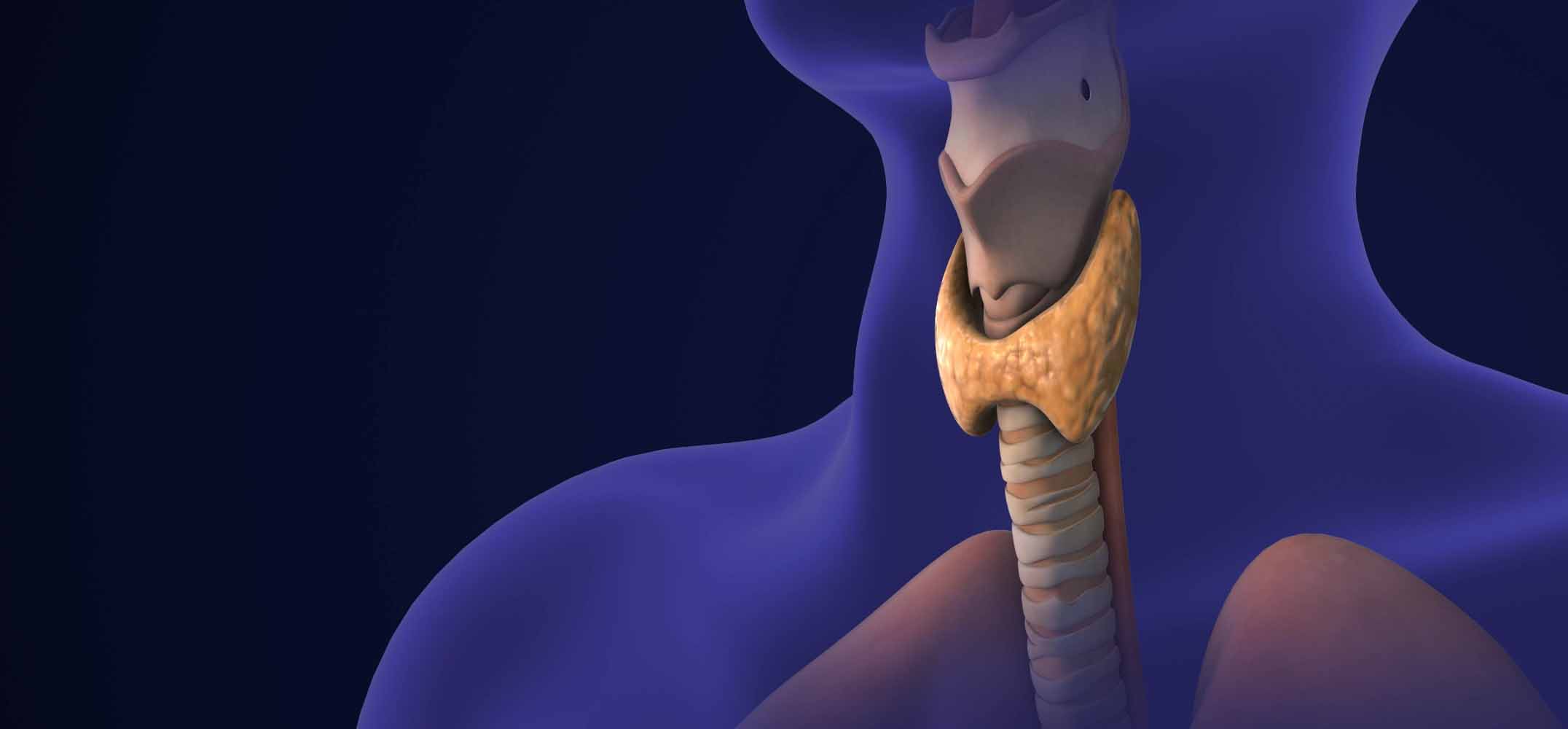
Hormones are chemical messengers that help regulate metabolism, growth, reproduction, mood and sleep. They’re made by your endocrine system which includes your pituitary, thyroid, pancreas, adrenal glands and ovaries or testes and travel through the bloodstream to act on target tissues. Examples include insulin, oestrogen, testosterone, thyroid hormones, cortisol and adrenaline.
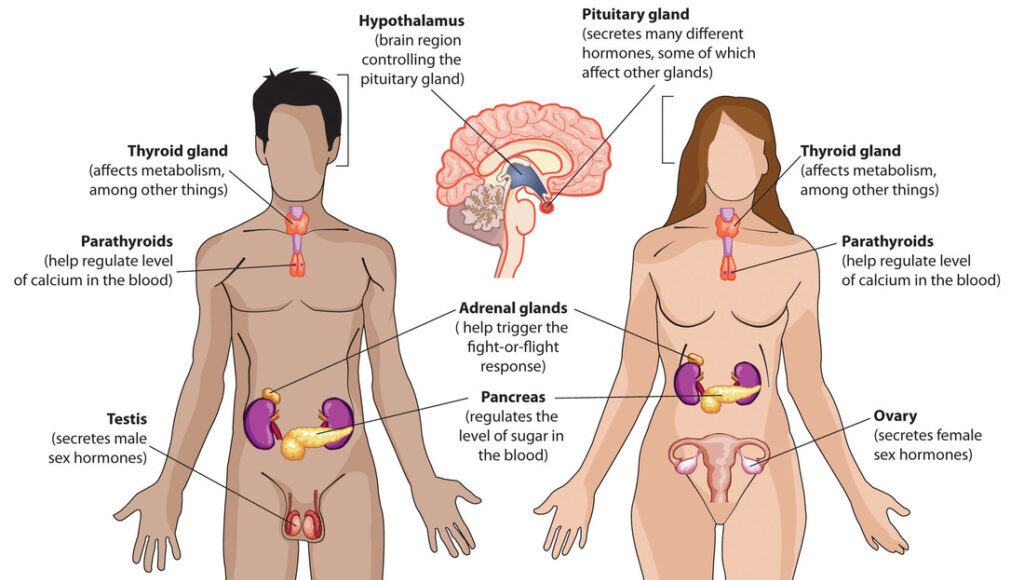
Image source
So why should we be aware of endocrine disruptors? Imagine your body is trying to send critical messages, and something external intercepts or “garbles” it. That’s what EDCs do, they disrupt communication, either by acting like hormones (mimics), blocking hormone receptors or interfering with hormone production or breakdown.
When those signals get distorted, even slightly, the effects ripple through the body. You might feel it as changes in your menstrual cycle, thyroid function, sleep, mood, skin breakouts, energy, fertility challenges or weight regulation. Some recent studies are showing:
- Higher prenatal endocrine disruptor interactions were linked with more behavioural difficulties – Nature 2024.
- Reviews report associations between EDCs and earlier (or shifted) pubertal development – Jornal de pediatria (2022).
- In 2023, Europe’s food-safety authority set a much lower tolerable daily intake for BPA (0.2 ng/kg/day), reflecting new evidence. A European biomonitoring project found BPA in 92% of adults, with many exceeding thresholds compatible with that new limit.
- A 2023 Nature Communications study showed UV nail dryers can damage DNA and cause characteristic mutations in mammalian cells (lab data, not people). In fact, as of 1 September 2025, the EU prohibits TPO (a nail polish photo-initiator) in cosmetics. So we can expect to see more TPO-free formulations.
- Other studies are exploring links between EDCs and conditions such as PCOS, thyroid disorders, breast and prostate cancers and metabolic syndrome.
What are examples of endocrine disruptors and where can we find them in day to day life?
(For a more detailed table please see bottom of blog)
❌ Food contact and plastics: Some additives can migrate from packaging (cling wrap, plastic food containers), especially with heat, time, and fatty or acidic foods.
❌ Personal care and cosmetics: Certain fragrances, preservatives (eg some parabens), UV filters and nail products are frequent discussion points.
❌ Thermal receipts “till slips”: Many contain bisphenols (BPA/BPS) that can transfer to skin.
❌ Indoor dust: Household dust can carry phthalates and PFAS from furnishings and finishes.
❌ Pesticide residues on food
❌ Contaminated water or industrial pollution
❌ Cigarette smoke (active and second-hand)
❌ Cleaning products
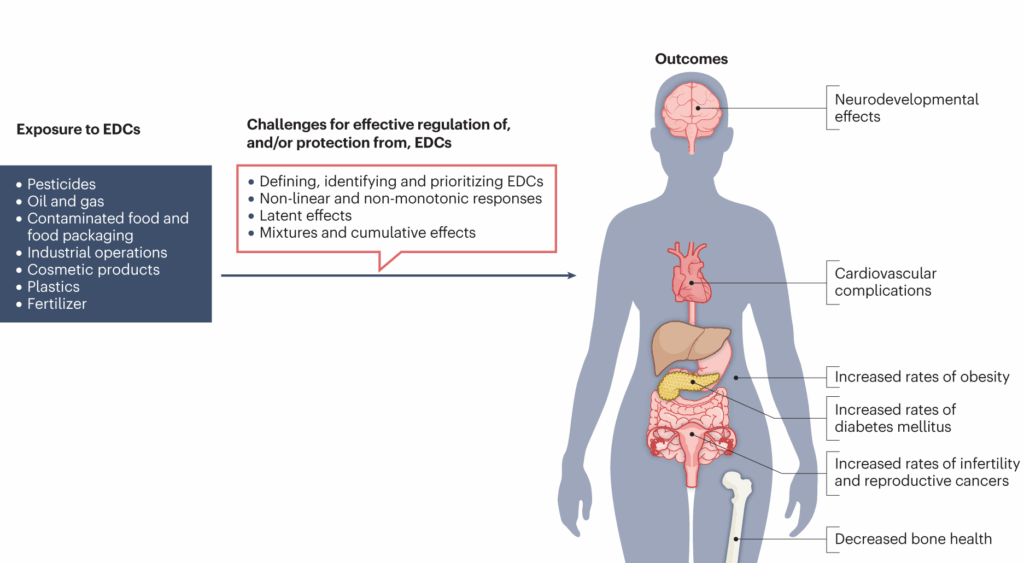
Image source
This is particularly important during critical windows of development such as:
- Pregnancy and fetal development
- Infancy and early childhood
- Puberty
- Perimenopause and menopause
What can you do to lower your risk?
NB- You don’t need to overhaul your life in one day. But you can make smart, sustainable swaps that reduce your EDC exposure over time.
- Choose glass or stainless steel containers over plastic
- Don’t microwave food in plastic, use ceramic or glass
- Choose natural, fragrance-free or low-tox personal care
- Switch to eco-friendly cleaning products without synthetic scents
- Wash produce thoroughly and choose organic where possible
- Limit handling of thermal receipts
- Ventilate your home and vacuum regularly to reduce dust-borne chemicals
- Eat plenty of cruciferous vegetables (broccoli, cabbage, rocket) to support liver detox (may consider milk thistle or Sulforaphane a compound from broccoli that helps our bodies natural detox system)
- Include fermented foods or probiotics for gut health
Endocrine disruptors aren’t something to panic over, but they are something to be aware of. The goal isn’t to live in a bubble or throw out everything you own. It’s about building awareness and making small, consistent swaps that support your body’s natural ability to detox, balance and thrive.
| Chemical family | What it is / role | Where you might find it | Label clues / aliases | Simple swap |
|---|---|---|---|---|
| Bisphenols (BPA, BPS, BPF) | Monomers/thermal developers used in plastics & thermal paper | Some can linings; thermal receipts; older rigid polycarbonate bottles/lids | “BPA‑free” (may still use BPS/BPF); resin code 7 (PC); receipts rarely labelled | Heat/store food in glass/ceramic/stainless; choose e‑receipts; avoid heating old polycarbonate |
| Phthalates (DEHP, DBP, DINP; DEP common in perfumes) | Plasticisers; solvents/fixatives in fragrance | Fragranced personal care; PVC/vinyl (flooring, shower curtains); some packaging | Fragrance/Parfum; PVC/vinyl; look for diethyl phthalate (DEP) in perfumes | Go fragrance‑free or phthalate‑free; favour non‑vinyl materials; ventilate and wash hands after DIY |
| Parabens (methyl‑, propyl‑, butyl‑paraben) | Preservatives in cosmetics/toiletries | Lotions, shampoos, make‑up, some wipes | Ingredients ending “‑paraben” (e.g., methylparaben) | Choose paraben‑free options; keep routines simple (fewer products) |
| UV filters (oxybenzone/benzophenone‑3; octinoxate/ethylhexyl methoxycinnamate) | Organic sunscreen filters used in some cosmetics | Certain chemical sunscreens; lip balms; foundations | Oxybenzone / Benzophenone‑3 (BP‑3); Octinoxate / Ethylhexyl methoxycinnamate | If avoiding these, choose mineral sunscreens (zinc oxide/titanium dioxide), plus hats & shade |
| Triclosan | Antibacterial agent (now less common) | Older “antibacterial” soaps, some toothpastes/cleansers | Triclosan; Triclocarban (bar soaps) | Opt for triclosan‑free; plain soap + water for routine handwashing |
| Triphenyl phosphate (TPHP) | Plasticiser/flame retardant used in some nail polishes | Nail polish; occasionally other coatings | Triphenyl phosphate; TPHP (metabolite DPHP isn’t on labels) | Pick TPHP‑free polish; avoid skin contact with uncured gels; UV‑blocking gloves/SPF for curing lamps |