
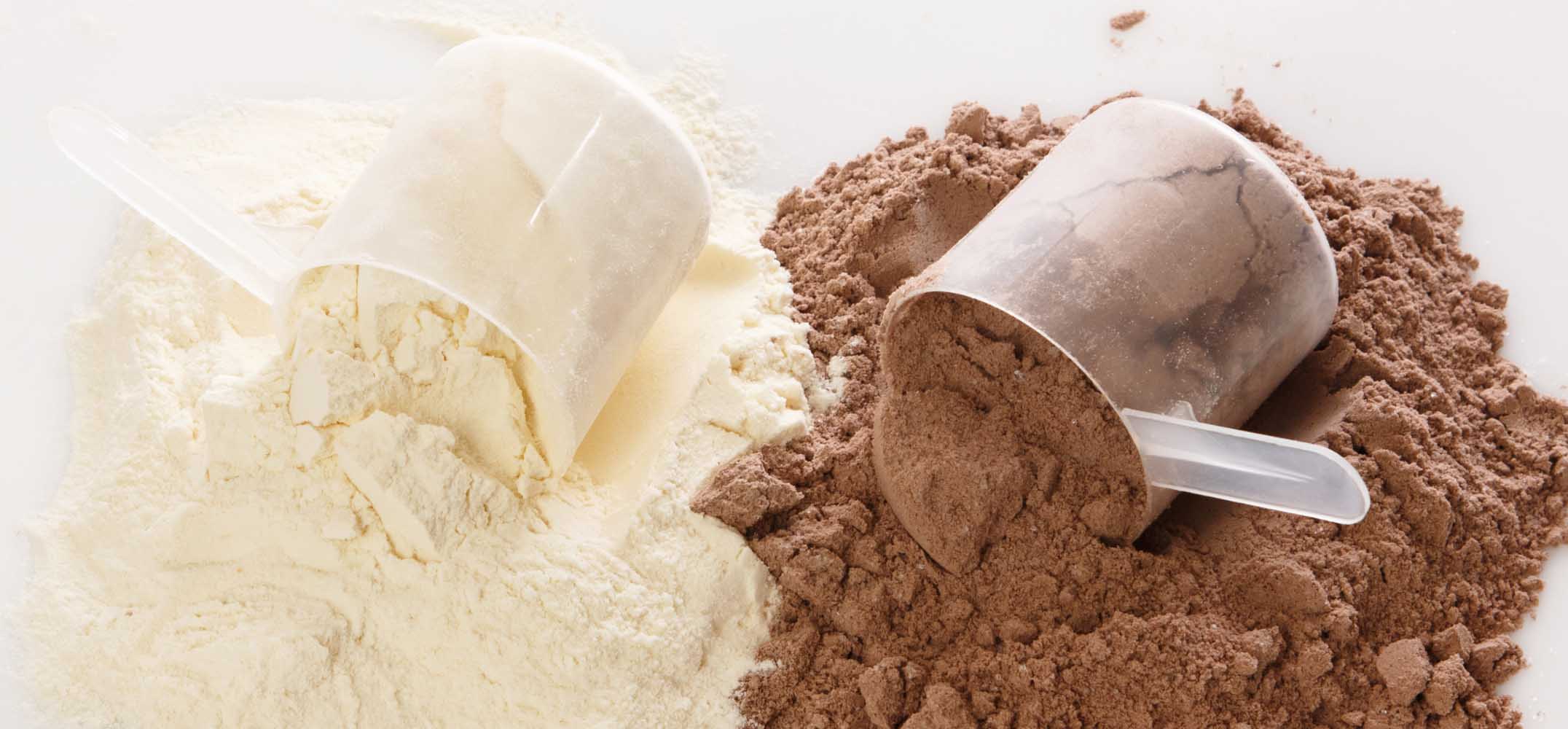
Not all protein is the same, and some, like whey protein, stand out from the rest. You see, whey protein is a real superstar when it comes to essential amino acids that your body quickly absorbs. It’s not just about muscle; it can help you get stronger, gain muscle, and kiss that excess body fat goodbye. But wait, there’s more to whey than meets the eye. It’s like a nutritional treasure chest, packed with other goodies that can do wonders for you.
However, while lots of folks want to get in on the whey protein action, they’re scratching their heads about how to do it right. Questions like “when to take it”, “how much should I use”, and “what do I mix it with” often leave them perplexed. Let’s unravel the mystery of whey protein step by step.
Whey Protein Concentrate vs Isolate
Whey Protein Concentrate typically contains around 70-80% protein by weight. The remaining 20-30% consists of carbohydrates (lactose) and fats. While it does provide a decent protein content, it may not be suitable for individuals looking to increase their protein intake without additional calories.
Whey protein isolate undergoes additional processing steps to remove most of the fats, lactose, and other non-protein components, resulting in a product that is typically 90% or more pure protein. This high level of purity makes whey protein isolate an attractive option for those seeking a protein source with minimal additional nutrients, and is our preferred option.
How to enjoy your whey protein:
Milk or Water? The classic dilemma! The good news is that you can go with the flow and mix your whey protein with either milk or water. Experts and athletes usually give the nod to water. Why, you ask? Well, it’s all about that speedy absorption. Water doesn’t slow things down like other liquids might. Plus, it keeps your protein shake lean and mean, without adding any extra calories, fats, or carbs. So, if you’re on a weight loss mission or chasing those muscle gains, water is your go-to.
But if you’re in it for the creamy delight, milk is your ticket. It’s like turning your protein into a milkshake straight from a fancy restaurant. Just remember, milk brings some extra baggage in the form of calories, fats, and carbs. So, it’s not the best choice for weight loss warriors. And watch out if you’re lactose intolerant – milk can be a troublemaker for you. But for those looking to pack on the kilos and not sweat the extra calories, a milk-whey combo is a winner.
How much is just right?
Let’s talk numbers. For those of you keeping things active but not going full athlete mode, the golden rule is around 0.8 to 1.2 grams of protein per kilogram of your body weight per day. So, if you’re tipping the scales at 60 kilos, you’ll want about 60 grams of protein daily. Check out how much protein you’re already getting from your regular diet and top up the rest with whey protein.
But, if you’re hoisting weights like a champ, running marathons, or working out at least 4 days a week, you can crank it up a notch. Aim for 1.8 to 2.2 grams of protein per kilogram of your body weight daily. So, an 80-kilo weightlifter can go all the way up to 160 grams of protein a day. Same deal here: calculate your food-based protein intake and fill in the gaps with whey.
The when of whey protein:
- Breakfast boost: Kickstart your day with a protein punch. Just mix a scoop with your morning beverage of choice and sip it alongside your breakfast.
- All-day long: If you’re a fitness machine, spread your protein intake across the day. Have 3-4 servings spaced out to fuel your muscles and aid recovery.
- Nighttime nourishment: Having a protein shake before bed supports muscle growth while you snooze. Opt for a slow-release protein like casein for a steady protein supply throughout the night.
- Pre or post: The great debate! Some folks argue about taking protein before or after a workout. It doesn’t matter as much as getting the right amount of protein. If you’d rather not feel your shake sloshing around during your workout, go for a post-workout protein fix.
- Post workout: After your workout, your muscles are shouting FEED ME! This is the prime time to give them what they crave – a pure protein shake. It helps repair and rebuild those hard-working muscles.
So, there you have it – whey protein demystified. It’s a tasty and effective way to meet your daily protein goals, whether you prefer it with water or milk. Adjust your intake based on your activity level, and you’ll be on the right track to a protein-powered lifestyle. Cheers to your fitness journey!