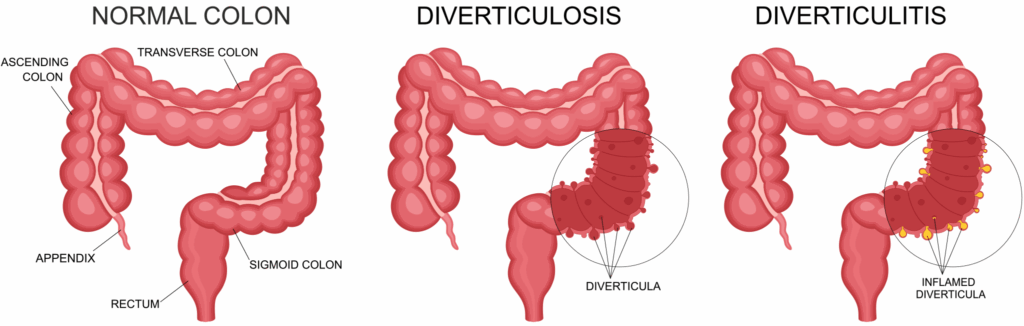
Most people only hear about diverticulitis when something goes wrong. A scan might show “small pouches” in the bowel or someone goes to emergency with lower-left abdominal pain. But this condition is far more common and far more manageable than many realise. With the right information, you can spot symptoms early, understand flare-ups and make diet and lifestyle choices that support long-term gut health. The broader term diverticular disease covers both diverticulosis and diverticulitis.
Diverticulosis: This means small bulges (diverticula) have formed in the wall of the colon. They’re especially common after age 40 or 50. Most people never feel them and only find out during a routine colonoscopy or scan. Diverticulosis is the “quiet” stage of the condition.
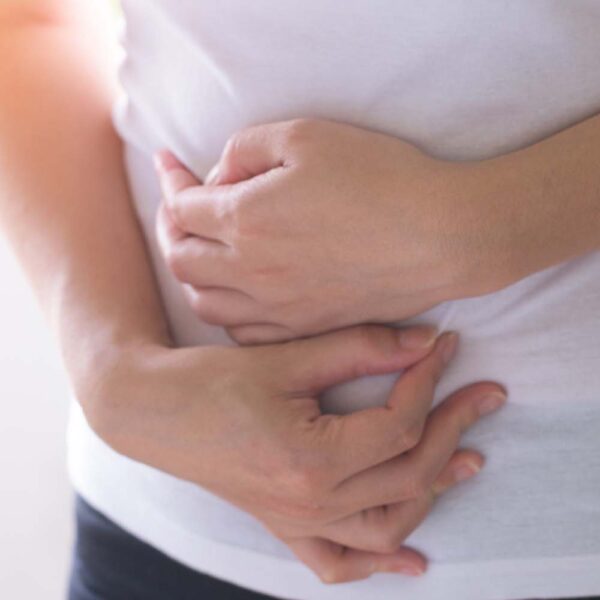
Diverticulitis: This is when one or more of those pouches becomes inflamed or infected. This is the stage that causes symptoms. Pain is usually sharp or constant and sits in the lower-left abdomen. Fever, nausea, bloating, constipation, diarrhoea or even vomiting may follow. A way to remember is that “itis” means inflammation.
What causes diverticular disease?
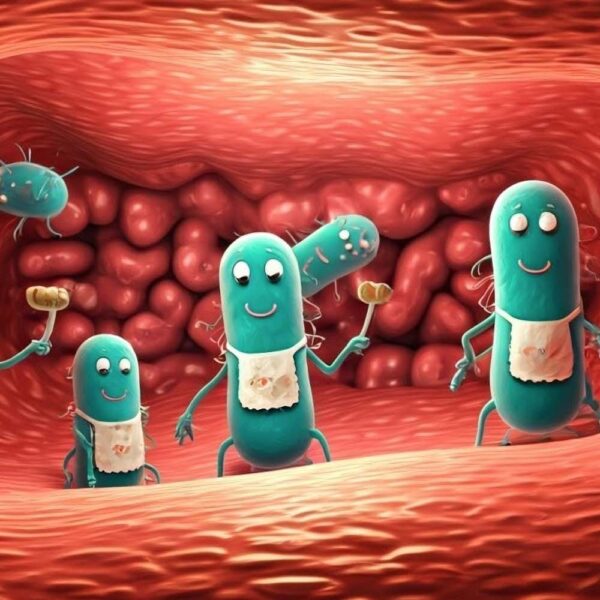
We used to blame just “not enough fibre”, but now we know it’s more complex. Current research suggest it develops due to a combination of factors such as bowel structure, genetics, lifestyle and the gut microbiome.
- Chronic constipation
- A long term low fibre diet
- Obesity and physical inactivity
- Age: The wall of the colon naturally changes with age, pressure inside the bowel plus areas of weakness can cause pouches to form over time.
- Certain medication use
Symptoms of diverticulitis:
During diverticulitis, symptoms may come suddenly or gradually:
- Sudden or gradual abdominal pain
- Painful or straining when passing stool
- Fever, feeling unwell
- Nauseas and vomiting
- Constipation or diarrhoea
- Loss of appetite
- Blood in the stool
If you think you or someone special you know might have diverticulitis, then the usual approach is proper medical diagnosis. This often includes a doctor’s assessment, blood tests to check for infection and sometimes imaging like a CT scan. Thereafter, treatment would involve rest for the inflamed bowel, antibiotics if needed and a clinical modified diet such as a low fibre or temporary liquid diet until the inflammation settles. A dietitian or nutrition doctor specialist will be best to assist with an individualised diet. Once recovered, the focus shifts to gradually reintroducing fibre and supporting long-term gut health to help prevent future flare-ups.
Note: A low-fibre diet is only required during diverticulitis (the inflamed, painful stage) and should be used short term to help the bowel rest. Once symptoms improve, fibre should be slowly reintroduced, and in the long term, a higher-fibre diet is actually recommended to support gut health and reduce the risk of future flare-ups.
Diet and diverticular disease: what does the evidence say?
- “Avoid nuts, seeds, popcorn” is outdated (for both diverticulosis and after diverticulitis). Multiple sources and guidelines say there’s no evidence that nuts/seeds/popcorn cause flares. “Intake of peanuts, nuts, and seeds and fresh fruits with edible seeds was not associated with incident diverticulitis.” (Barlowe et al 2025).
- Fibre is consistently linked with lower risk of developing diverticular disease, but after an episode the picture is a bit more mixed. That said, fibre still plays an important role in overall gut health and bowel regularity. What most doctors and dietitians still recommend once symptoms have settled, is aiming for a fibre-rich eating pattern, focusing on whole foods like vegetables, fruit, legumes, whole grains, nuts and seeds.
- Food always comes first, but fibre supplements can be helpful if someone struggles to meet their needs through diet alone.
- Overall diet pattern matters also (not just fibre), a more “Western” pattern and lower risk with more fruit, veg, whole grains and legumes.
- Ensure to drink lots of water and stay hydrated to prevent constipation and soften the stool.
- Being active will help with bowel movement.
The goal is to help with inflammation control, gut barrier support, bowel regularity and diet quality. So supplements will never replace medical care but will support you:
- Probiotics may assist with symptom control such as bloating and bowel regularity in diverticulosis but must be taken with medical supervision in a flare or diverticulitis.
- L-Glutamine supports intestinal integrity and is also fuel for our enterocytes (the cells of the intestinal lining). Also not to be used during acute flare unless doctor/dietitian prescribed.
- Omega 3 is often recommended to assist with reducing overall inflammation.
- Fibre supplements such as psyllium husk powder may be recommended to help with stool regularity and consistency.
- Other supplements that the health professional may recommend will be slippery elm, turmeric (curcumin), magnesium citrate (helpful with bowel regularity) and zinc carnosine (supports gut barrier function).
What about collagen?
Collagen provides specific amino acids such as glycine, proline and hydroxyproline, which are important building blocks for connective tissue and the gut lining. In theory, these amino acids support gut barrier structure and repair, which is why collagen is often spoken about in the context of gut health. But collagen has not been studied to be a direct treatment plan for diverticular disease, it’s a low residue and easily digested protein, so some people find it a convenient way to add beneficial amino acids, especially when appetite is low or when they’re following a temporary low-fibre/low-residue plan during recovery.
The key points to remember:
✅ Diverticular disease is common, manageable and far less frightening once you understand it.
✅ Diverticulosis is common and usually painless.
✅ Diverticulitis is the inflamed, painful stage and needs proper medical care.
✅ A low-fibre diet is short-term only.
✅ Fibre protects the gut long term, but it should be introduced slowly.
✅ Hydration, movement, gut-friendly foods and supplement support (when needed) all play a role in prevention.
✅ Most importantly, every person’s gut is different so personalised advice from a dietitian is ideal.