The American Society of Plastic Surgeons (ASPS), states 1.7 million cosmetic surgery procedures were carried out in the U.S. alone in 2015 including over 222,000 liposuction procedures, many of which were performed to remove cellulite. But hang on, it’s not the perfect quick fix by any means. The ASPS even state that “Liposuction is not an effective treatment for cellulite – the dimpled skin that typically appears on the thighs, hips, and buttocks – or loose saggy skin.” Nothing replaces a healthy diet and lifestyle!
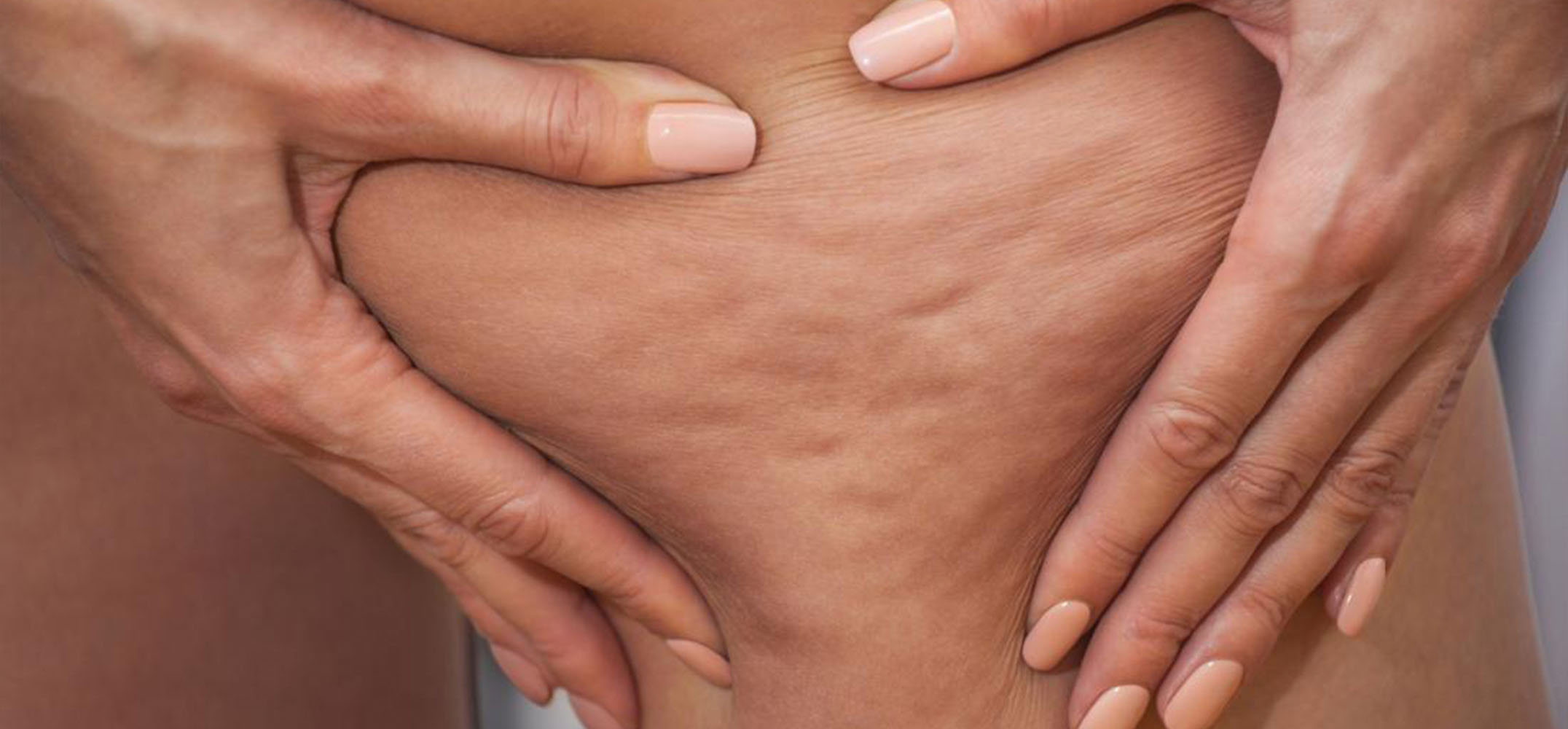
Cellulite is the appearance of lumpy or dimpled “cottage cheese skin,” which predominantly develops with age producing an uneven, “mottled” skin appearance. Some of the factors that contribute to this condition are a lack of exercise, hormone changes, a build-up of toxicity from medications, dehydration, obesity, allergies, high cortisol levels (stress), poor diet and decreasing amounts of collagen in the body, all cause the skin to lose elasticity. Excess cortisol leads to a slowing down of the body’s natural production of collagen, and you age faster all over, not just where the cellulite is.
Ways to Beat the Bumps
- If you are overweight following a healthy version of a LCHF diet is key (see The Low-Carb Creed book for more on this).
- Eat healthy food – cook at home with fresh food from scratch, dump the processed food
- Remain hydrated – drink plenty of distilled or filtered water. Add cucumber for extra benefits
- Include plenty of fibre in your diet – don’t fall for the low-fibre lie! We need plenty of fibre. If you can’t get enough, eat some soaked chia seeds or take psyllium husks. They detoxify the body by moving waste out faster.
- Look after your liver – taking Milk Thistle daily is a good habit to get into
- Drink homemade bone broth regularly
- Take Pure Hydrolysed Collagen daily – it will banish your cellulite faster than you will elieve
- Don’t forego protein – eat ‘clean’ animal protein free from hormones, and eat enough protein, as this too helps with cellulite
- Have plenty of fresh vegetables, green leafy ones and foods high in potassium
- Consume healthy fats like omega-3 fish oil, medium chain fatty acids (MCT oil) and coconut oil – they all go a long way to banishing cellulite
- Avoid sugar, sweet things and refined things. Don’t eat out of boxes, eat single-ingredient foods
- Cut out grains – you’ll be so glad you did
- Drop dairy products except for butter – they definitely don’t help
- Go easy on the alcohol – it’s turned to fat very fast
Anti-Cellulite “Helpers”
- Consuming more Pure Hydrolysed Collagen is a very powerful and easy way to get rid of cellulite. It also makes yourself a whole lot healthier in the process. All your connective tissues is made from collagen – when skin is strong, you won’t notice any cellulite. Collagen as we know is the most abundant protein in the body. It is needed for elasticity, youthful appearance, smooth texture and strength.
- A favourite of mine which is also an anti-inflammatory, is Bromelain. This is something I take daily to prevent sinus issues but it also prevents aches and pains in the body and helps you heal so much faster. It is from the stem of a pineapple, and really is one of my all-time favourite suppements. It is able to dissolve gathered cellular tissue like cellulite, it’s anti-thrombotic, antiedematous (stops water retention), and the anti-inflammatory aspect is fabulous – we are all inflamed today. Things like uterine fibroids, ovarian cysts, gallstones and cellulite all respond so well to bromelain and collagen together.
These two above and the others mentioned, are all available from my online store here.
You can simply click on the name of each product mentioned above (in bold) and a hyperlink will take you directly to the product for an easy purchase.
Originally published on https://www.facebook.com/SallyAnnCreedSA/ in 2020.