You’ve probably only ever been told that high cholesterol is dangerous. That it clogs arteries and that there is ‘good’ and ‘bad’ cholesterol. Not true.
The myth continues with ‘saturated fat causes blocked arteries and raises cholesterol’ and that a low-fat diet is a must for good health and that lowering cholesterol will lead to protection from heart disease.
But what if ‘they’ were all dead wrong? This post should make you very happy indeed because ‘they’ ARE all wrong – utterly and hopelessly misinformed. I can’t go into the finer details but there are many books and hundreds of studies which will help you to understand that what I say here today is true.
Let’s start with a few basics – things ‘they’ neglected to tell you about this vital substance the body makes:
- Cholesterol is crucial to LIFE itself. Virtually every cell in the body is able to manufacture a little of it and every cell has receptor sites for cholesterol.
- Low levels of cholesterol are dangerous and not something you want to aspire to. As when cholesterol gets too low it leads to depression, aggression, memory loss and mental health issues.
- Cholesterol is the building block for all your sex HORMONES (testosterone, estrogen etc), for BILE (necessary for digestion) and vitamin D.
- Cholesterol is not the culprit and it does NOT cause heart disease. The famous quote goes that you can’t blame the fire engine for the fire – even though it’s always there when there’s a fire. Cholesterol is the fire engine!
- Most people with heart disease and who have heart attacks have ‘normal’ cholesterol. And conversely, those with high cholesterol most often have healthy hearts
- As you get older, the higher your cholesterol should be, and if so, the longer you will live
- Lowering cholesterol will lower your mood, pain threshold, life expectancy and raise your risk of cancer and mental acuity. That’s right – cholesterol acts as an antioxidant itself, and is cancer-protective!
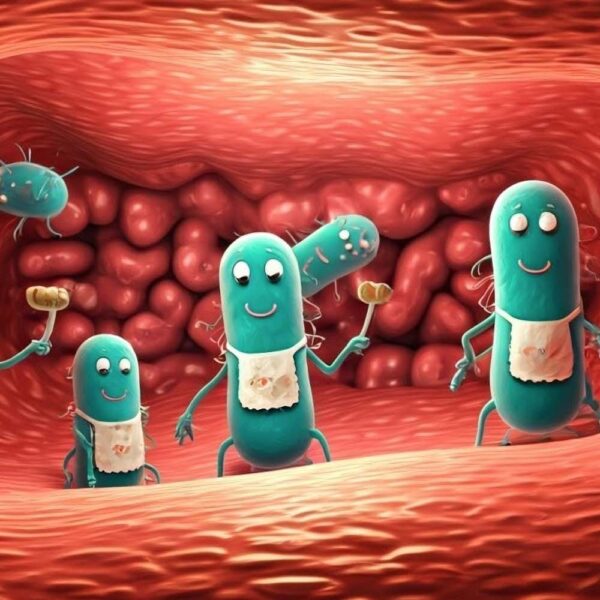
- It’s the SIZE of the particle that makes the difference – small dense particles are able to migrate under the endothelium (lining of the arteries) and cause blockage ultimately. These particles are determined by the diet you choose. Large fluffy particles are healthy and cannot cause occluded arteries.
- The real problem when it comes to arteries and heart disease is INFLAMMATION in the arteries – again as a result of the diet you choose. The small dense LDL particles are oxidised and can then enter the lesions in the arteries easily and build up just under the lining. Small dense particles are also ‘sticky’ and stick to the lining setting up the inflammatory process. (Read my book 63 Days to Optimum Health from our online store for a good diet).
There are other, more important predictors of heart disease. Many of them ranging from triglyceride levels to homocysteine, ultra-sensitive C-reactive protein, insulin levels (one of the most important of all), fasting glucose levels, Lipoprotein (a) and a number of other readings. Don’t be fooled by an industry which simply wants to make you a drug addict and put you onto one of the most dangerous drugs around – statins – because of a raised reading.
There are lots more, this is just a taster. What causes sticky, small dense cholesterol? Mainly sugar, excess carbs, lack of antioxidants, and an unhealthy lifestyle. By far the safest way to control ‘bad’ oxidised cholesterol is to follow a low carbohydrate, higher healthy fat diet. Hope this has helped someone today