The concept of net carbs is based on the principle that not all carbohydrates are created equal. Some carbohydrates, like simple or refined starches and sugars, are absorbed rapidly and have a high glycaemic index, causing the blood sugar levels to spike straight after eating. Excess simple carbohydrates are stored in the body as fat. Other carbohydrates, such as the fibre-rich carbohydrates found in whole grains, fruits, and vegetables, move slowly through the digestive system, with much of them not digested at all. Another category of largely indigestible carbohydrates are sugar alcohols, such as erythritol, xylitol, and other polyols. These are modified alcohol molecules that taste like sugar, but don’t affect your blood sugar. These substances are commonly used as artificial sweeteners and sugar replacements.
Calculation:
In calculating net carbs, there are many formulas that you can use.
- In some diabetic education lessons, if the fibre is greater than 5g, you subtract half of the fibre amount from the total carbs along with any sugar alcohols.
For example, if a product contains 20g of carbohydrates and 12g of fibre, the net carbs would be calculated as 20g – (12g ÷ 2) = 14g net carbs. However, this method may vary for individuals, as some people react to fibre differently. - A more common method is to subtract the total amount of fibre and sugar alcohols from the total number of carbohydrates, as these types of carbs are thought to have minimal impact on blood sugar levels.
For example, in a product containing 20g of carbohydrates and 12g of fibre, the net carbs would be 20g – 12g = 8g net carbs. - Another formula involves only subtracting insoluble fibre from total carbs.
The method used is solely dependent on how your body digests and reacts to fibre. You can choose how strict you want to be when calculating net carbs.
Why this could be confusing
The concept of net carbs can lead to some confusion. Everyone’s body responds differently to fibre and carbs, influenced by factors like genetics, activity levels, and health conditions. Plus, some companies use net carbs as a marketing tactic, making their products seem healthier than they really are. For example, a bar might claim to have only 2g of net carbs, but it could still contain 18g of total carbs. Because we like to adhere to a LCHF diet, we err on the side of caution and calculate using half the fibre value. In the end, while counting net carbs can be useful, for us, it’s more important to focus on the quality of the carbs you consume. Opt for a variety of high-fibre, whole-food sources that nourish your body and support your long-term health goals. Whether you’re counting carbs or not, the key is to choose foods that make you feel your best and contribute to your overall well-being.
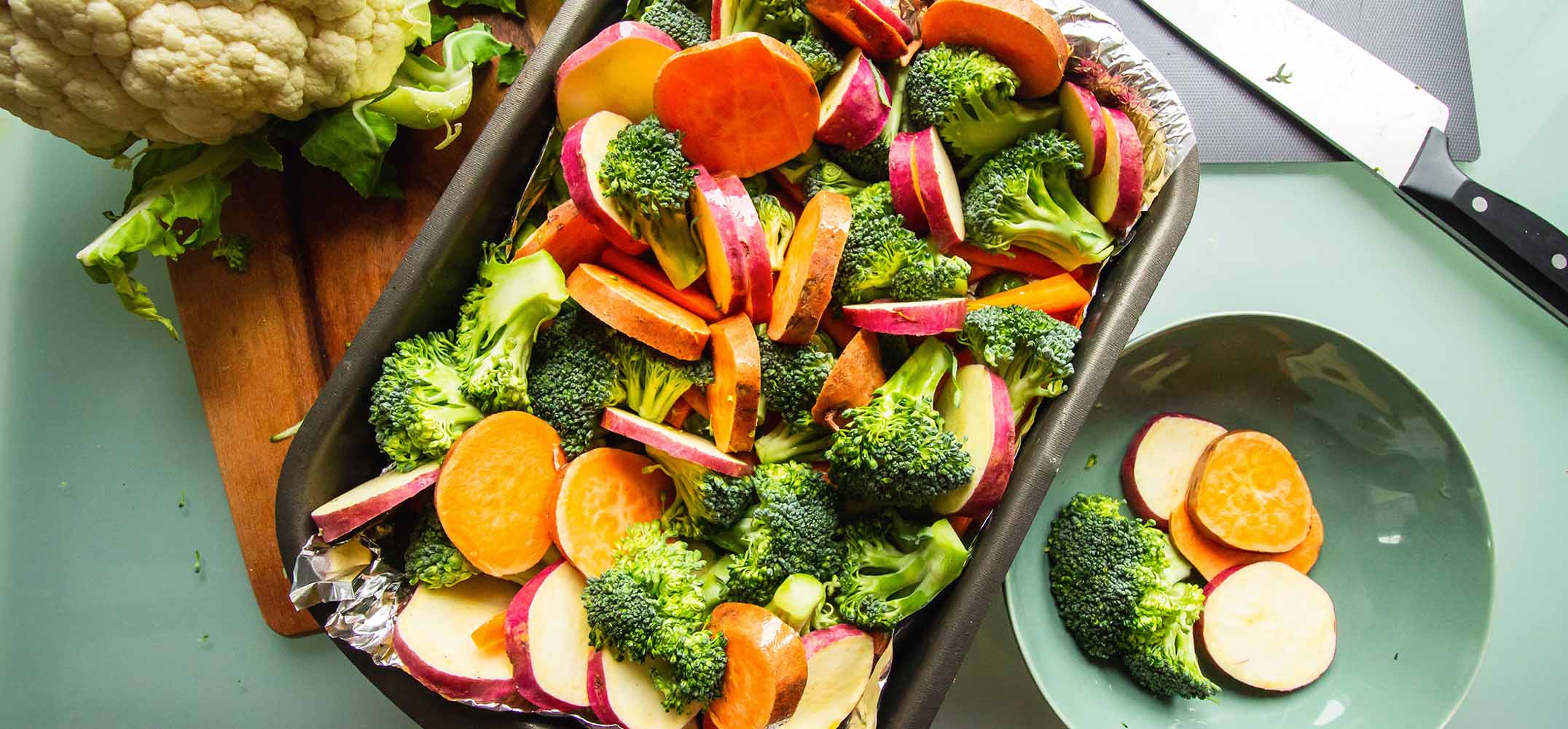
Everyone wants a quick list of really low carb fruit and veggies – well here it is! Use this ascending carbohydrate list and you won’t even have to think! These are one cup raw weight, including their skins (USDA):
| FRUIT | Carbs | Fibre |
| Strawberries, whole (144g) | 11.1g | 2.88g |
| Watermelon, diced (152g) | 11.5g | 0.68g |
| Coconut, shredded (80g) | 12.2g | 7.2g |
| Raspberries (123g) | 14.6g | 8g |
| Apple | 15g | 2.62g |
| Peaches (155g) | 15.7g | 2.32g |
| Orange (sections) | 21.2g | 4.32g |
| Blueberries (148g) | 21.5g | 3.55g |
| Goji Berries (30g) dried | 21.6g | 3.64g |
| Banana | 34.2g | 3.9g |
| VEGETABLES | Carbs | Fibre |
| >Spinach (30g) | 1g | 0.7g |
| Lettuce (36g) | 1g | 0.5g |
| Mushrooms (70g) | 2.2g | 0.7g |
| Celery (101g) | 3g | 1.6g |
| Zucchini, sliced (113g) | 3.5g | 1.1g |
| Radish (116g) | 3.9g | <1.9g |
| Cabbage, shredded (70g) | 4g | 1.75g |
| Cucumber (120g) | 4.4g | 0.6g |
| Aubergine (82g) | 4.8g | 3g |
| Asparagus (134g) | 5g | 2.8g |
| Cauliflower (107g) | 5.3g | 2.1g |
| Broccoli (90g) | 6g | 2.5g |
| Bell Peppers (100g) | 6.65g | 1.2g |
| Green beans (100g) | 7g | 2.7g |
| Tomatoes (180g) | 7g | 2.16g |
| Brussel Sprouts (88g) | 7.88g | 3.34g |
| Carrot (128g) | 12.3g | 3.58g |
| Gem Squash, winter, acorn (140g) | 14.6g | 2.1g |
| Onion(160g) | 14.9g | 2.72g |
| Butternut (140g) | 16.4g | 2.8g |
| Potato (150g) | 26g | 3g |
| Sweet potato (133g) | 26.7g | 3.99g |