Articles

What is Chocolate Blooming?
Have you ever opened a chocolate bar and noticed a white layer over the surface of your chocolate or little, granular white specks? This is a common phenomenon, and is known as Chocolate Blooming. The good news is that it has little to no effect on your chocolate bar, other than making it slightly aesthetically ‘different’ to your standard, brown chocolate bar look and feel. There are two types of chocolate bloom, one referred to as Fat Bloom and the other is known as Sugar Bloom. Fat Bloom Fat bloom – the most common type of bloom – is a result of a change in temperature in your chocolate, or poor tempering during manufacture. It occurs most often when a chocolate melts and then re-solidifies. A good example of this is when one accidentally leaves a chocolate in the car for a few days, and then opens it. You will note a white discolouration across the surface of the bar. The warmer temperature heats the cocoa butter in the chocolate, which causes it to soften and separate from the rest of the ingredients in the bar. The chocolate then re-solidifies, once the temperature cools, and this creates the fat bloom effect – a slick white layer across the surface of your chocolate. Our Sally-Ann Creed® 70% Dark Chocolate would be susceptible to this effect if left in heat for too long. Sugar Bloom Sugar bloom is most recognizable by the hard, dry, granular crystals that develop on the surface of your chocolate bar. There is a noticeable texture change over the surface of the bar, where little crystals have formed. When chocolate is exposed to moisture, the sugar within the chocolate absorbs this moisture and dissolves the crystals. The sugar rises to the surface and forms small, hard granular lumps. How does one avoid Chocolate Blooming? Fat bloom can generally be avoided by ensuring that the chocolates are tempered sufficiently during manufacture, and are thereafter kept at a consistent, room temperature. With sugar bloom, the sugar crystals react to moisture exposure. By avoiding damp storage conditions, such as in the refrigerator or areas with high humidity, you can help prevent this reaction from occuring which results in the crystals dissolving and coming to the surface. To repair chocolate bloom, one can melt the chocolate down, stir the melted mixture and then pour into molds and allow to cool. This will bring the fat or sugar back into the original mixture, and remove the aesthetic discolouration. But can I still eat my chocolate?! Yes, you most definitely can! Fat and sugar bloom have no effect on the nutritional aspects of your chocolate, only a slightly negative effect on the appearance, due to the discolouration. The product remains perfectly safe for consumption.
Read more
All about Sally-Ann Creed Collagen
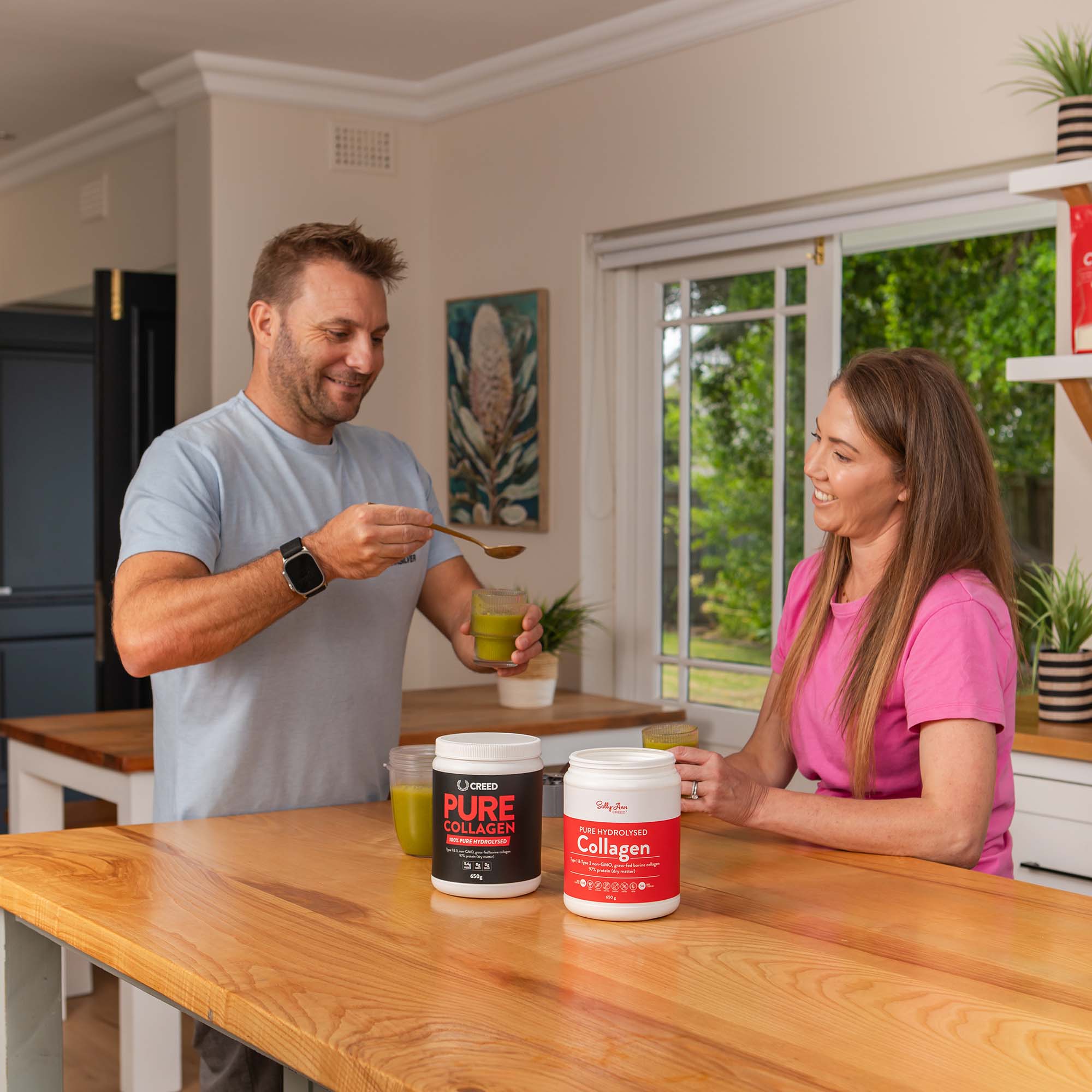
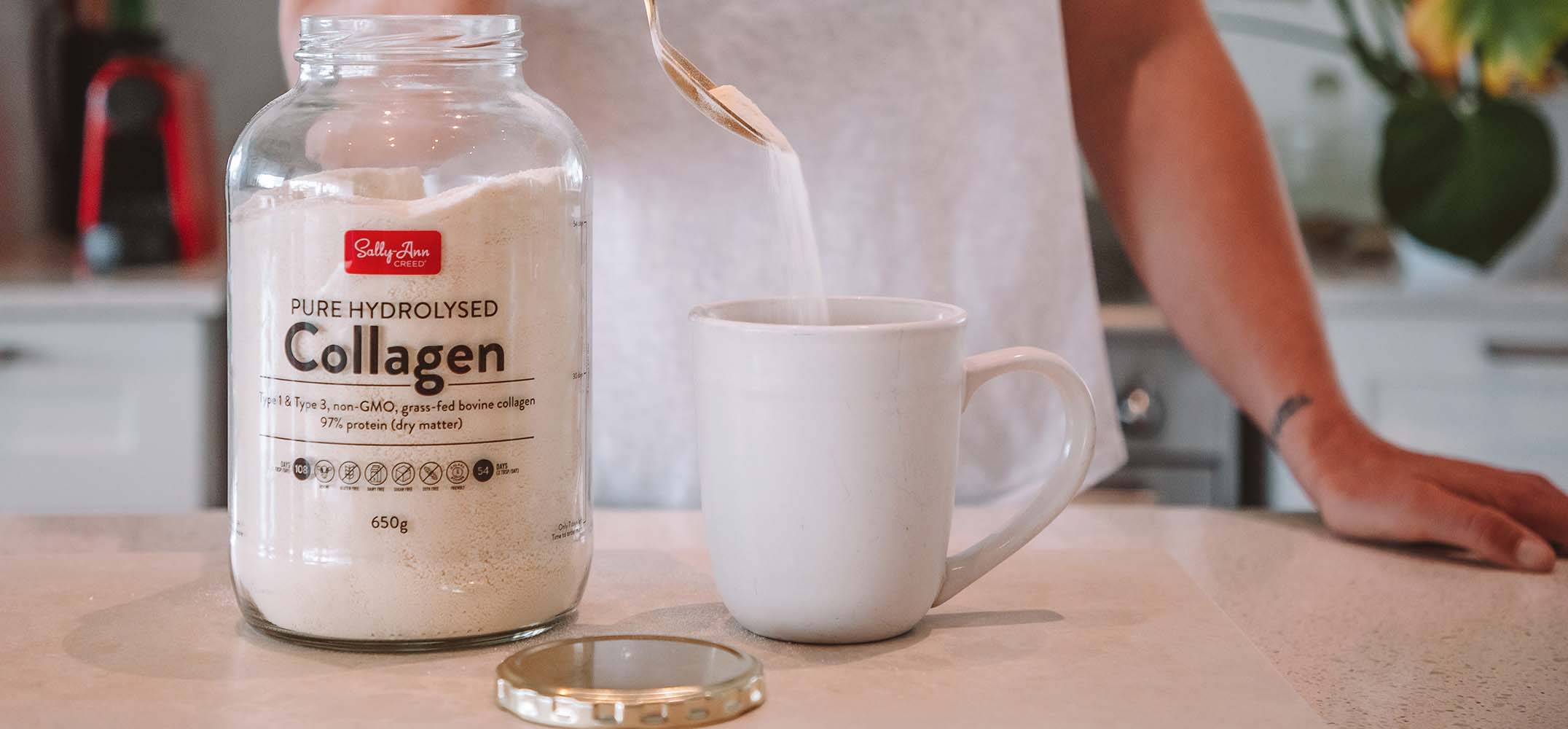
Bovine and chicken collagen are the 2 superior forms of collagen to use. Type 1 collagen is the most abundant ‘type’ found in the body which is also found in bovine collagen – we are seldom short of this kind. The chicken ‘type’ (type 2) is usually depleted in the body, and this is safer than porcine collagen as porcine collagen is cheap and could be full of hormones. A good chicken collagen will be free of hormones and is not cheap. Porcine collagen is also considered to be not nearly as effective as other forms such as bovine and chicken collagen. One also needs to consider the country the collagen comes from, whether grass-fed or not and the quality of the animals. This is not possible with fish in polluted oceans, which is why I chose to avoid fish/marine collagen for a long time until I found one from wild-caught, MSC-certified source that I could trust. You can find it here. Regarding the pork collagen, pigs are often fed sweets, plastic, pellets, fecal matter etc, and I’m concerned about this. It’s also not as effective as the bovine kind, so I would rather stick with the bovine and chicken varieties as I can verify their sources, purity and overall quality. Bovine Collagen (Type 1 & Type 3) Naturally occurring in the skin, bones and muscles of cattle, this one is the closest to what our bodies make – providing types 1 and 3 collagen. These types are the major components of skin, nails, hair, ligaments, tendons, bone, teeth, gums, eyes, arteries and blood vessels and make up over 90% of the collagen in our bodies, so it makes sense to start with this kind of collagen. There is an enormous amount of precious glycine in bovine collagen, which promotes cellular health, and it’s one of the 3 amino acids needed to form creatine which supports healthy muscles and energy levels post-workout. The other impressive amino acid present which is thin on the ground in nature, is proline – this plays a truly critical role in the body’s own ability to produce collagen, and it’s a very heart-healthy amino acid too. Collagen can supply all the above benefits and a few more as follows: Prevent or repair broken capillaries Improve damaged skin (from sun, chemicals, heat exposure) Treat lack of collagen causing skin to loose it’s elasticity Improve ageing skin losing its firmness and suppleness Acne responds very well when combined with dietary changes Psoriasis, eczema and flaky skin Skin pigmentation Strong teeth and healthy gums General skin imbalances Nails that are brittle and flaky Lack lustre hair, thinning hair, hair loss Dry brittle hair Promotes restful sleep Liver detoxifier Excellent for gut health Improved metabolism Bone density Cognitive ability improves Banishes cellulite and removes the dimpling effect on the skin Prevents and reduces existing stretch marks Chicken Collagen (Type 2) We now stock chicken collagen, which is really exciting as it’s very hard to get hold of a quality chicken collagen. It works by causing your body to produce substances that fight inflammation and pain (inflammation causes ageing). It also contains chondroitin and glucosamine, two powerful compounds which help rebuild cartilage. Chicken collagen can also provide some amazing benefits for your gut, immune system, skin and more. It has been said to be valuable in stopping autoimmune disease like rheumatoid arthritis (RA) in its tracks or at the least greatly improve RA. The naturally-occurring glucosamine and chondroitin make this the obvious choice for addressing joint problems – whether to heal them or keep them from breaking down in sports. It also naturally contains hyaluronic acid which many of you know is close to an elixir of youth for the skin. Chicken collagen has the richest source of hyaluronic acid – known for bringing youthfulness, plumpness and moisture to the skin, while doing the same in the joints to keep them moving freely. Pure chicken collagen has been shown to retrain the immune system to correctly recognize exposed cartilage proteins as the body’s own tissues, rather than incorrectly seeing them as foreign invaders. This prevents the inflammatory and destructive attack that causes osteoarthritic joint stiffness and pain and other diseases of ageing. Research continues to provide proof that collagen can help seal openings in the gut lining and support gut integrity (avoiding leaky gut) and this directly boosts immunity too. Please make sure the collagen is pure, without any chemical additives or sweeteners. Both bovine and chicken collagen help form elastin and other compounds within skin that are responsible for maintaining skin’s youthful tone, texture and appearance. Nutrition is key when it comes to skin health and appearance. The more collagen you have in your body, the less likely you will be to have one of the most visible signs of aging — wrinkles. While many face creams claim to revitalize skin by including collagen in their ingredients, the molecules in these topical products are way too large for your skin to absorb – it is an impossible task topically – this needs to be taken as food. Chicken collagen reduces pain and inflammation, improves joint function and slows progression of osteoarthritis (OA). What we know from studies on chicken collagen: Believed to enhance the shock-absorbing properties of collagen and block enzymes that break down cartilage Helps cartilage retain water and may reverse cartilage loss Research shows that oral collagen supplementation effectively improves the common signs of skin ageing One study found that skin hydration improved after eight weeks of collagen supplementation while collagen density in the dermis significantly increased after just four weeks of supplementation. Chicken collagen helps support a healthy mucosal layer in the gut. Studies have found that in individuals with digestive imbalances, serum concentrations of collagen are decreased. Because the amino acids in collagen build the tissue that lines the colon and entire GI tract, supplementing with collagen can support healthy digestive function. By keeping the mucosal layer of your gut healthy, you can avoid leaky gut syndrome, which is often the root cause of food allergies, low energy, joint pain, thyroid disease, autoimmune diseases, ageing and slow metabolism. Bovine collagen will also have these effects on the gut. Chicken vs Bovine While almost all kinds will do much the same thing, chicken collagen is best known for its ability to target joint issues and cellulite, while bovine is better for skin and weight issues. However they will both be beneficial, if taken at different times of the day. My suggestion is instead of taking 2 scoops of bovine in the morning, take 1-2 scoops of bovine in coffee in the morning and one scoop of chicken in the evening on an empty stomach for the best results in all body systems. Collagen (Bovine and Chicken) assist with the prevention of protein glycation (ageing) and the further breakdown of collagen structures inside the body. The older we get, the more we lose the ability to produce collagen, which means we need to supplement it. Supplementing it significantly helps the body to continue to produce more of its own collagen naturally for longer. Hyaluronic Acid is something of a buzzword today in the beauty arena, and known as ‘nature’s moisturiser’. Dry eyes have been known to benefit from it, wrinkles are delayed or smoothed out and joints benefit from the extra water it brings for increased mobility. It is one of the most hydrophilic (water-loving) molecules in nature. It helps plump lips and skin but it is also highly concentrated in the eyeball. In fact vitreous humour – the fluid in the eyeball – is composed almost completely of hyaluronic acid, acting as a shock absorber and transporting nutrients to the eye. After the age of 50 the body stops producing hyaluronic acid it’s said, and this is why so many eye problems surface after this time. And wonderfully, hyaluronic acid acts as a ‘space filler’ by binding to water and keeping skin wrinkle-free. Types of Collagen Did you know there are 28 types of collagen which have been identified? But only 3 are necessary as these are the most common ones in the human body. Bovine collagen has type 1 and 3, and is the most amazing collagen. It does absolutely everything – and if you are looking for a way to improve your health and physical appearance, bovine collagen will do that admirably. My Pure Hydrolysed Collagen is bovine, so look out for that one. The chicken collagen is under Collagen Type 2, and is a wonderful adjunct to the bovine one. Taken together, yet at different times of the day – yields a far more powerful effect on all body systems, than taking just one. Type 1 Type 2 Type 3 Most abundant in the body Less abundant, but vital Second most abundant From skin, ligaments, bone, scar tissue, tendons Found in the eyes and cartilage Found in muscles, blood vessels, intestinal walls Helps stimulate type 2 in the body Richest in hyaluronic acid Stimulates type 2 production Occurs with type 3 (or should do) Contains hyaluronic acid Found in bovine collagen Found in chicken collagen Type 3 occurs with Type 1 (Pure Hydrolysed Collagen is bovine) (Collagen Type 2 is chicken) Found in bovine collagen Supports: Supports: Supports: Skin elasticity; wrinkles Skin elasticity; cellulite; wrinkles Muscle health Joint health Joint and eye health Bone health Bone health Reduces signs of ageing Skin health, youthfulness Both bovine and chicken will help to support and heal leaky gut, improve fat-burning and delay wrinkles. When buying collagen be careful it’s not only type 1 – you want type 1 & 3 TOGETHER. You also want Type 2 to be SEPARATE – the three must not be in one mixture or you will not absorb them properly. Types 1 & 3 are supposed to be together, taken in the morning, and then take Type 2 separately in the evening in water on an empty stomach just before bed. This way your body gets the most AMAZING collagen boost! Why I won’t use other collagen supplements available: Here are just some of the ingredients I’ve seen in the collagen supplements out there (I’ve only named a few here remember!) and why I decided I wanted pure products for my own body, and so brought in my own pure bovine and chicken collagens: Glycerin (extremely drying to the skin – why add it to an anti-ageing product where dryness is the last thing you want in skin, hair, bones and joints?) Citric Acid (can be harmful – side effects of citric acid could include nausea or vomiting, diarrhoea and stomach pain. More serious side effects may include severe muscle twitches, cramps or pain, seizure, numbness of the hands or feet, weakness, difficulty breathing, dizziness, restlessness, irritability and black or bloody stools) Sodium Benzoate (very nasty unnecessary chemical preservative, ESPECIALLY dangerous when taken WITH citric acid as it forms benzene, a carcinogen linked to leukemia and other blood cancers, plus can induce asthma and hypertension) Potassium Sorbate (chemical preservative – not necessary in collagen at all! It also can induce migraines, causes allergies, affect the immune system, itching in mouth, throat, eyes, may cause sinus and nasal congestion.) Maltodextrin (this is plain old SUGAR which ages you, inflames you and dries you up) Soy extract (Soy is toxic to the thyroid and has a host of serious problems attached, should not be eaten by man nor beast in my opinion) Natural Orange Flavour and other E numbers (this is not natural at all! If it has ‘flavour’ in the title, it is a chemical) Talc (linked to ovarian & lung cancer. In its natural form, some talc contains asbestos) Glycerol (used as a sugar for sweetening the taste of the powder/liquid) Vegetable oil (damaged, artery-clogging, inflammatory seed oil – ugh) Shellac (basically plastic coating on the tablet) Colours (could be anything at all! But some include Ammonia Caramel and Titanium Dioxide – these are usually all chemicals, not natural colourings) And the worst is that some of these products exceed well over R1000 for the teeny tiniest amounts in tablet form with very little collagen present, plus a bunch of chemicals; it’s called clever advertising. Collagen is best in powder form, mixes easily and costs less for a better product. Now do you see why I’m so passionate about my pure powder collagen products? For bovine collagen click here Disclaimer: Originally published on Facebook on 26 January 2018.
Read more
Akkermansia - gut bacteria for weight loss
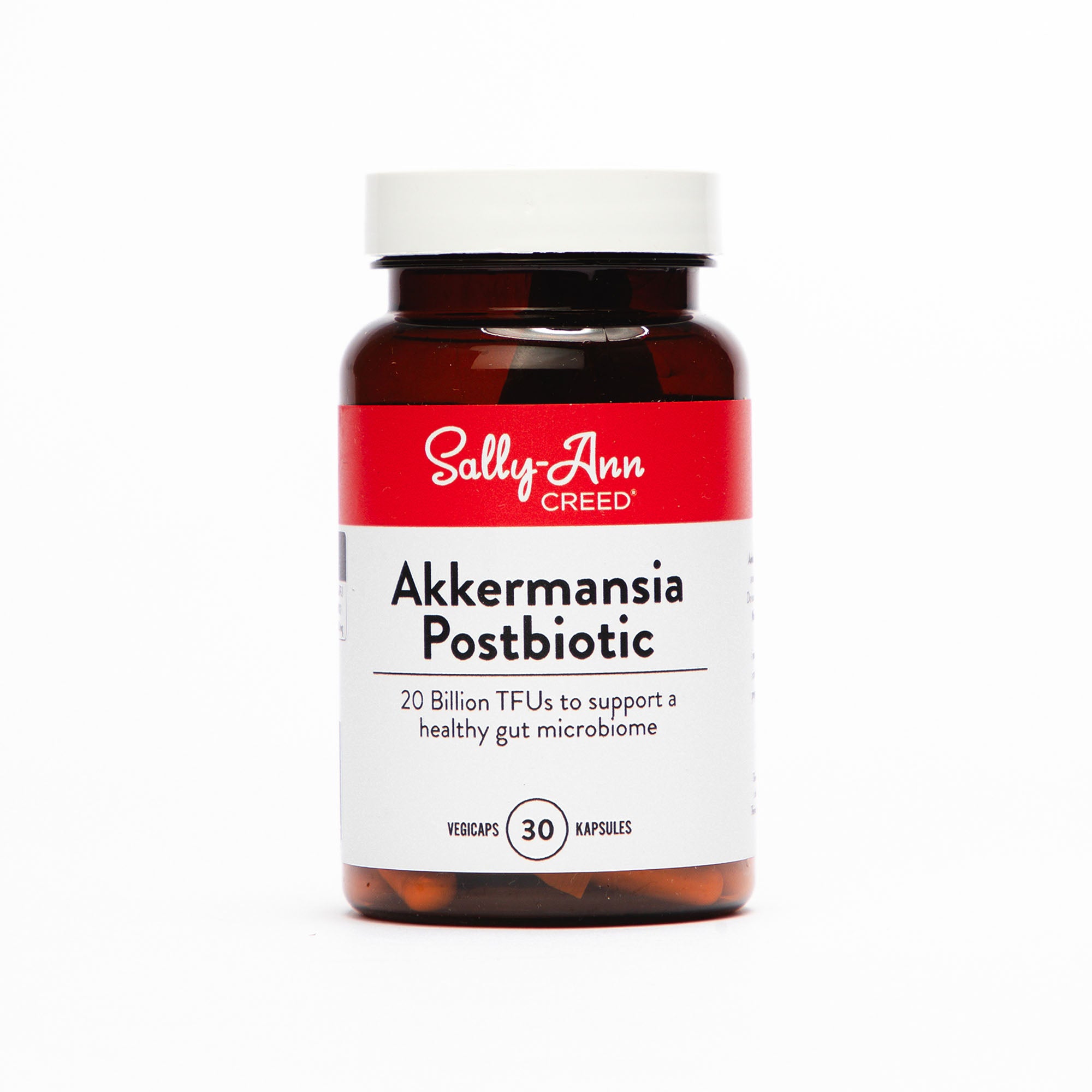
Everyone wants to lose weight for summer – it’s a thing! But did you know that there is a strain of bacteria which quite literally, can help you lose weight? Have you ever heard of Akkermansia muciniphilia? Didn’t think so. After reading this you’ll know all about it and why it’s the trendiest topic in the scientific weight loss community. Akkermansia is a probiotic bacterium which lives inside most of us. It has the happy ability to control how much belly fat we have. If you’ve tried to lose weight without success and feel a bit frustrated, you might want to eat your way into encouraging more of this strain of gut bacteria to help you lose unwanted weight. Akkermansia is said to improve metabolic rate, lower inflammation and strengthen immunity. A paper from back in 2013 by researchers at the University of Louvain, Belgium, concluded that this strain of bacteria has the ability to actively promote weight loss in humans. In healthy humans this bacterium makes up 3-5% of your gut bacteria, yet for some reason, in obese people this percentage is considerably lower. Akkermansia not only repairs a dysfunctional metabolic rate, it seems to have a positive impact on inflammation and diabetes as well. It just goes to prove once again the amazing part our gut flora play in keeping us healthy in every single way. How to increase Akkermansia levels Before you get excited and want to rush out and buy a boat-load of Akkermansia you need to know that there is no actual supplement you can take which will give you this strain, as it is still in the process of being studied and tested which takes years. However, you can encourage growth of your own colony of this bacterium (even if you only have a teensy bit) good news indeed. Belgian researchers discovered that oligofructose (not fructose!) will improve the percentage of Akkermansia. You will find oligofructose in our online store under the name of MaxiPrebiotic. Another way to promote this bacterial species is by taking Psyllium Husks as this particular strain absolutely adores fibre and prebiotics. (So much for the naysayers who slate fibre intake – such a necessary item in our diet). Prebiotic foods, dietary fibre, psyllium husks and oligofructose as found in MaxiPrebiotic (which is a prebiotic) are the ideal food sources for Akkermansia which will promote its growth, as well as many other very beneficial strains of bacteria. This strain relieves constipation, IBS, diarrhoea, control diabetes and encourage weight loss. What’s not to like? They are all also very cost effective and easy to take, as they are either tasty (as in foods) or tasteless (as in psyllium husks) or downright delicious as in the case of MaxiPrebiotic. You need a variety of foods daily for oligofructose to have an effect on the flora. While 32g per day of dietary fibre is recommended, diabetics are encouraged to have up to 50g a day for good health. Most people don’t even get 9g! Remember, you aren’t only eating for one here – you have colonies of hungry bacteria to feed – lots more mouths than you previously thought. Certain foods are rich in dietary fibre which encourage a healthy microbiome: Dandelion greens Asparagus Garlic, Onions and Leeks Banana Oatmeal Akkermansia is quite a chatty little fellow, it ‘talks’ a lot to the other bacteria, to stimulate a number of physiological processes, so by ‘feeding’ it correctly, you keep it talking. Imagine an organism living in you which can: Control weight Improve glucose control Lower inflammation Increase metabolism and Deal with harmful microorganisms In very rare cases there are people with absolutely no Akkermansia – but don’t panic, it’s likely that you have some. Even the smallest amount can be stimulated to grow according to researchers, and apparently they respond really quickly. Ways you can encourage Akkermansia to reproduce include: Lowering your intake of carbohydrates Eliminating sugar and sugary foods Eliminating processed foods from your diet (Akkermansia hate them) Increasing consumption of healthy fats Increasing consumption of fresh vegetables (both cooked and raw) Consuming fermented vegetables (sauerkraut, kimchi, kefir) – but without any sugar Taking a daily high-quality probiotic Cranberry extract alleviates intestinal inflammation and has been shown to increase the population of Akkermansia. Fish oil is also a healthy way to increase abundant Akkermansia according to studies There is even better news. Did you know you can start to change your gut microbiome in just one day? The average lifespan of the average bacterium is very short – just 20 minutes! So every time you eat, you could be encouraging and increasing your Akkermansia – one meal at a time! Imagine – in one day you can begin to change your entire microbiome! Of course sleep, stress, environment, exercise and other lifestyle modifications all determine the state of your microbiome too, but the greatest factor of all is your diet. How to Fast Track Your Diet to Increase Akkermansia What goes into your mouth can encourage that gorgeous colony of Akkermansia – so here’s how to do that: Choose the right food – numero uno!! Whole, fresh, natural – nothing processed, nothing out of a bottle or bag or tin if you can help it. This includes sugar. Food as it appears in nature (your secret Akkermansia weapon) Exclude all sugar and carbohydrates from grains. Get your carbs from non-starchy vegetables, especially leafy greens, radishes, Jerusalem artichokes, leeks, asparagus, garlic and turmeric. The body ‘sees’ grains as sugar Eat fat and protein at every meal. Include fermented foods in your diet, they’re rich in probiotics Ditch the dairy for a while, except for real farm butter (dairy is defined as anything out of a cow or goat) not including eggs, as they are not out of a cow/goat Toss out the nasty ‘foods’ like soy, corn, peanuts, seed oils, artificial sweeteners, gluten and grains. Avoid alcohol and coffee – at least for a while – Akkermansia is fussy that way. Add your coffee back in later, but ensure it’s organic or you defeat the object Akkermansia loves fatty seafood like salmon, sardines, mackerel and clams Take a good, high-quality probiotic not only for Akkermansia growth but for the health of your urogenital tract, respiratory tract and entire ecosystem. Consider taking Glutamine – an excellent way to rebuild and maintain digestive health and support digestion – a good friend to Akkermansia Support your stomach acid if you have too little – either HCL, lemon water or a tablespoon of apple cider vinegar in water before each meal to see if your symptoms improve (do NOT ever try to ‘go alkaline’) Exercise, but take care not to overdo it. Get enough sleep. Sleep has the power to change gut flora. Just two nights of sleep deprivation can lead to a dramatic drop-off in healthy bacteria – including Akkermansia. Relax and de-stress! Your gut is known as your ‘second brain’ and can take on the stress of everyday life very quickly – throwing your microbiome out of balance, which may make you feel depressed, anxious or tired, create memory problems or brain fog. Getting your microbiome back into balance will almost certainly help you lose weight – no more pounding the tar daily in an effort to shed a few kilos. (And by the way, exercise tones the body, it doesn’t lead to weight loss.) Fibre is a vital key to promoting weight loss, but it has to be the right fibre, not brans or cereals. Fibre is critical to good health because it is food for your intestinal flora. When you deprive yourself of fibre on a regular basis (think of people who live constantly on refined food) your gut microbes behave erratically. They can ‘turn’ on you and start to eat the mucus lining of your intestine as it’s also a carbohydrate source. If they are starved of fibre, they have no choice. Fibre is a carbohydrate which the beneficial flora eat – it does not count as a carbohydrate in our diets and is not digested. It’s food for your healthy bacteria and Akkermansia. Akkermansia Growth Programme If you want to use supplements to help you increase Ak, the ones you’ll need (and find in the online store) include: MaxiPrebiotic Apple Cider Vinegar (organic) with ‘mother’ culture Glutamine Fish oil A good probiotic
Read more
Creed Living partners with Heavy Chef
Creed Living, the home of Sally-Ann Creed®, South Africa’s most loved collagen and nutritional supplement company, has joined forces with Heavy Chef to help South African entrepreneurs achieve their full potential by providing educational videos and business insights from industry-leaders and successful entrepreneurs who have already blazed a trail in their field. Creed Living already provides information and guidance to thousands of South Africans by drawing on the work done by Sally-Ann Creed, founder of Sally-Ann Creed® who spent over 20 years searching for a cure to her ailments, finally finding that through nutrition, one is able to activate and heal one’s body without the need for traditional western medicine. Over the years, Sally-Ann has added various natural supplements to her nutritional toolbox, including her famous Pure Hydrolysed Collagen – South Africa’s favourite bovine collagen. By offering entrepreneurs advice on how to give their bodies natural and effective nutrition, Creed Living is enhancing their ability to achieve greatness by ensuring that their bodies remain healthy and supportive of their business acumen. As we provide the tools and support for entrepreneurs to achieve more in their businesses, Heavy Chef & Creed Living believe that together we’re able to grow the South African economy, reduce unemployment, and lift our beloved country out of poverty and into prosperity. Our joint vision for South Africa is one where private businesses provide the quickest and most sustainable path to growth for our economy, our country, and future generations. As the trusted voice for thousands of South Africans, Creed Living is proud to be able to tailor and share its knowledge with entrepreneurs all across our country and in various fields. For more information, visit sallyanncreed.co.za and www.heavychef.com
Read more
Sally-Ann Creed partners with vida e caffè
Sally-Ann Creed® has collaborated with South Africa’s premier coffee brand, vida e caffè, to offer sachets of our Pure Hydrolysed Collagen with their coffees. vida e caffè coffee is a delicious companion to our famous collagen, which, because it is hydrolysed, is unaffected by cold or heat, giving you a 6g dose of our 100% pure grass-fed, non-GMO bovine collagen in every coffee. If you prefer your morning to start with coffee instead, why not add one of our new Sally-Ann Creed® Collagen Sachets to your regular vida e caffè? Since caffeine can improve memory, decrease fatigue, and improve your mental functioning, many people start their day with their favourite cappuccino or latte. This is the perfect opportunity to add your daily dose of Sally-Ann Creed® Collagen to your routine. Since our collagen is virtually tasteless, it won’t affect the delicious taste of your coffee. The Sally-Ann Creed® Collagen Sachets can be added to your order for an additional R14, or purchased separately from your barista. As we age, our bodies naturally stop producing collagen. Sally-Ann Creed® Pure Hydrolysed Collagen is 100% pure grass-fed, non-GMO bovine collagen consisting of both type 1 & type 3 collagen, and contains 19 essential amino acids and zero carbs. Type 1 is ideal for building and maintaining skin, bones, tendons, ligaments, hair and nails. Type 3 promotes and maintains muscle and blood vessels, and improves gut health by supporting the digestive system. These benefits come together to ensure that your body is protected against the effects of ageing and exercise, as we navigate our busy lives. The wonderful thing about collagen, is that your body knows exactly what it needs, and will direct collagen to those parts that require support. By adding it to your daily routine, you provide your body with this essential natural protein that we all naturally stop producing as we age. Start your day the best way by adding a sachet or two of Sally-Ann Creed® Collagen to your daily routine, and you’ll start seeing the results in a few short weeks. For more information on Sally-Ann Creed®‘s Pure Hydrolysed Collagen, visit sallyanncreed.co.za/collagen
Read more
The various "pauses" in menopause
In menopause, the ovaries ‘pause’ their output of estrogen but there are other pauses during this time to consider. There is simultaneously a pause in the androgenic hormones. These androgenic hormones come from the ovaries but they also come from the adrenals and this pause leads to a decrease in both testosterone and DHEA – hormones which are instrumental in the control of blood sugar, they affect how the body the body burns fuel and whether it is placed in muscle tissue and the liver as glycogen or visceral fat (which is also known as abdominal fat.) Adrenal strain Additional strain is also evident in the adrenals themselves at this time. As the ovaries are doing less work, the adrenals are forced to take over this task. As estrogen falls the adrenals work much harder to make estrone to try to compensate for the loss, and this means they are less able to make DHEA, testosterone and cortisol. Thyropause Ever heard of the “thyropause”? It’s a real thing – generally the thyroid will slow down as a person ages, and thyroid disease risk increases during menopause. Whenever there are large hormonal shifts in the body, you may see latent thyroid disease revealed, such as: Puberty Pregnancy Menopause Hepatopause There’s also “hepatopause”, where the liver is less able to regulate fuel properly. When perfectly healthy it can store extra fuel and make it available when needed – an unhealthy liver has less room to store glycogen, and instead gets jammed with triglycerides leading to fatty liver disease. This also leaves little room for regulating metabolism. Fatty liver can happen to those who don’t drink alcohol at all – called Non Alcoholic Fatty Liver Disease (NAFLD) and this is often due to soft drinks, sugar and excess carbs. A fatty liver is hard-pressed to burn fuel correctly, it stores more fat than is needed while releasing less than is needed, and begins to enlarge. A healthy liver A healthy liver has 1-3% fat, but a fatty liver has more than 5% and disease sets in when it hits somewhere near the 10% mark, which leads to: Liver malfunction Scarring of liver tissue Liver cancer If you have fatty liver, decreasing your food intake will leave you utterly fatigued. There are less androgens available causing a decrease in basal (or resting) metabolic rate, proportionate to a loss of muscle mass – or sarcopenia. This is why intermittent fasting may not work for some women after a certain age. Menopausal weight gain This can be addressed if you follow the right steps early enough. By focusing on adrenal function you want to reset your body to wake up early and be full of energy and see the cortisol drop in the evenings when you go to bed to give you restful sleep. All too often it’s the other way round in menopause, you have too much cortisol at night when you don’t need it, and little during the day when you do, which can result in: Depression Fatigue Insomnia Anxiety Easy weight gain Difficulty losing weight Inflammation Digestive disturbances Blood sugar dysregulation Difficulty dealing with stress and lifestyle changes Your nutrition, sleep, and exercise Refocusing your diet at this time of life – earlier if possible – is key to how you will cope with all these periods of ‘pause’ in your menopause. Your macronutrients become key to managing cortisol now. You must not stop carbs, but concentrate on good quality, lower carbohydrate foods, eat moderate amounts of healthy fat instead of going low fat, and have enough protein. Timing is everything! You need to get your ‘timing’ of eating carbs right. Carbs naturally lower cortisol, so eating carbs in the morning will make you tired during the day. Your carbs should be highest at night as your carb-digesting enzymes are highest at this time, and will facilitate lowering of cortisol levels to enable you to sleep better. Tailoring your intake of carbs will make a difference to cortisol, weight and sleep. The ‘pause’ we see in menopause with regard to sleep is distressing with many women turning to sleeping pills at this time, which is really not ideal at all. Making sure you have restful sleep will help to control your weight and make you feel a whole lot better in your waking hours. Getting enough quality protein is also more important at this time of life than you may realise. It will prevent the muscle loss associated with menopause when so many women are eating less protein than they should, and this dramatically affects adrenal function which relies on high-quality protein. This will enable you to retain your valuable muscle mass, especially when combined with some healthy, regular exercise. So some of the ways to reset your hormones and lose that menopausal weight creeping up will include: Eating carbs at the right time of day (ie. sweet potato at night and eggs in the morning) Eating enough good quality protein at each meal Not going low fat, but eating healthy fats in moderate proportions Getting sufficient sleep and resetting that cortisol curve Dealing with stress effectively Taking the right targeted supplements for you personally Don’t try any rash or strange diets at this time of life! You will further destroy a fragile metabolic rate that is in need of fixing, and which can be done if you do it sanely. Men and women are very different and a completely different approach needs to be taken when it comes to weight loss in women, particularly those in menopause. Your body and brain are in need of vital nutrition from good food at this time of life, don’t skimp on quality. Visit our Health Resources page for helpful free resources to help you along your journey https://sallyanncreed.co.za/health-resources/ This post is subject to our general disclaimer https://sallyanncreed.co.za/disclaimer/.
Read more
7 foods to help improve your skin
An unhealthy diet can not only damage your metabolism and cause weight gain but may also lead to chronic health conditions including diabetes and heart disease. What’s more, your diet has a direct impact on your skin, contributing to conditions such as ageing or even acne. Skin conditions often have a domino effect on your self-esteem and quality of life. It’s important to take care of your skin health and one of the most effective ways to do so is by looking at your daily diet to ensure you are getting the essential nutrients you need for skin protection. These seven foods may help keep skin healthy, strong, and attractive. 1. Walnuts Walnuts are particularly high in Omega 3, vitamin E and Zinc, all being essential in maintaining a healthy skin barrier to protect not only against inflammation but bacteria too. You will find fabulous ones available here: https://sallyanncreed.co.za/product/walnuts/ 2. Omega-3 from Fatty fish. The omega-3 fatty acids contained in fish are vital for reducing skin redness, acne and keeping your skin moisturised. Omega-3 fats are a good source of vitamin E (an antioxidant), zinc and protein which can make the skin less sensitive to the sun’s harsh UV radiation. Omega-3 deficiency can cause skin dryness and supplements may also fight autoimmune conditions which are known to affect the skin such as lupus and psoriasis and lupus. You will find ours here: https://sallyanncreed.co.za/product/the-omega-3-solution-fish-oil-softgels/ 3. Avocado The good fats from avocados help to keep your skin moisturised and flexible. Avo’s are rich in both Vitamin E and Vitamin C, both are fabulous for skin health. They even protect your skin from possible UV damage exposure. 4. Bell Peppers Bell Peppers contain vitamin C which is important for your body’s own collagen production and will aid in skin elasticity. They are also an excellent source of the carotenoid beta-carotene that acts as a natural sunblock for one’s skin, protecting against cell damage, sunburn, skin cancer, dryness and wrinkles (not replacing sunblock of course!) 5. Dark chocolate Cocoa is known to be rich in antioxidants that increase blood flow and hydrate the skin. Hooray! Enjoy our very own 70% dark chocolate! 6. Green tea Every cup is filled with antioxidants and catechins which may protect skin from the onset of visible signs of ageing. 7. Pure Hydrolysed Collagen Collagen is known to have many benefits for the skin including slowing down the rate at which fine lines may appear, helping your form new collagen, strengthening skin, improving elasticity and hydration! Make sure you are using pure hydrolysed collagen for the best skin health benefits. You will find ours available here: https://sallyanncreed.co.za/product/collagen-pure-hydrolysed/
Read more
Learn all about adrenal fatigue
You’ve probably heard the term ‘adrenal fatigue’ before. It’s used by some health practitioners to describe a syndrome (or group of symptoms) brought on by overworked and fatigued adrenal glands. Although the term has become more widely used in recent years, it’s currently not a medically accepted diagnosis. Here’s a closer look at this somewhat contentious syndrome – what causes it, the signs and symptoms, and what you can do if you suspect you’re experiencing some degree of it. First things first: what do your adrenal glands do? These two small triangular-shape glands that are located on top of your kidneys. These glands are well-known for secreting the stress hormones adrenaline and cortisol – and as Healthline.com explains, they are responsible for producing additional hormones that help your body to burn fat and protein, regulate sugar and blood pressure. What causes adrenal fatigue? As with many other health problems, chronic stress is the culprit. When you experience stress, your body produces and secretes high levels of cortisol. Over a sustained period, this can overload or exhaust your adrenal glands to the point that they no longer produce the cortisol your body needs. What are the signs and symptoms? Cortisol is essential for health and if your body isn’t producing sufficient amounts, you may experience a range of unpleasant symptoms. The signs of adrenal fatigue typically include: Constant tiredness Weight issues Mild to severe depression Low stress tolerance Sleep problems Anxiety or panic attacks Low sex drive Mild to severe brain fog Gut issues An inability to adequately recover from exercise What can you do? If you think you’re experiencing adrenal fatigue, the following lifestyle changes can help you get back on track. Try to reduce stress. Remove stressors where you can and try to incorporate stress-management strategies into your routine, like yoga, breathing exercises or meditation. Eat healthy, whole foods. Aim for a lower-carbohydrate diet that includes enough protein – protein supports adrenal function – and healthy fats like butter, ghee, coconut oil, olive oil,avocado oil, nuts and seeds,etc Ditch the junk. Avoid processed foods, foods high in sugar and salt. Get enough sleep. Lack of sleep negatively affects your health in a whole host of ways and can exacerbate stress levels, so make sure you get plenty of rest. Consider supplements. Adding the following supplements to your daily routine can be helpful: Vitamin C – supports the adrenal glands and helps to reduce the effects of stress on the body. Magnesium – has a positive effect on mood, sleep quality, and stress responses. Pantothenic acid (vitamin B5) – helps to support healthy adrenal function.
Read more
Make meditation a daily habit
It’s no surprise that many of us are struggling with elevated levels of stress thanks to the Covid pandemic. If you currently count yourself among the highly stressed, you may want to investigate the benefits of meditation, a simple practice that can help to restore a sense of peace and calm. “Meditation is like a gym in which you develop the powerful mental muscles of calm and insight.” – Ajahn Brahm What is meditation? While meditation has proven difficult to define – it encompasses a range of different practices across numerous traditions – it is most commonly associated with the pursuit of inner peace. “Meditation doesn’t promise to solve your problems, and there’s no guarantee of everlasting happiness. Life, with all its challenges and uncertainty, will still happen. What meditation can do is change how you choose to relate to, react to, and view the circumstances happening around you. It offers a pocket of stillness amid all the outer chaos.” (Headspace.com) Types of meditation include guided, transcendental, vipassana, zen, body scan, kundalini, loving-kindness and mindfulness (more on this one further down). Why meditate? High levels of stress can have a serious impact on the immune system. In a 2013 review of 209 studies that investigated mindfulness-based therapy (MBT), the authors found that, “MBT is an effective treatment for a variety of psychological problems, and is especially effective for reducing anxiety, depression, and stress.” Mayo Clinic also lists a number of emotional benefits linked to meditation, including gaining a new perspective on stressful situations, building skills to manage your stress, reducing negative emotions and focusing on the present. Mindfulness meditation This technique has become increasingly popular, no doubt in large part due to the speed of modern life. According to the American Psychological Association (APA), mindfulness meditation has two distinct components. Attention “is about tuning into your experiences to focus on what’s happening in the present moment. It typically involves directing your awareness to your breath, your thoughts, the physical sensations in your body and the feelings you are experiencing.” Acceptance “involves observing those feelings and sensations without judgment. Instead of responding or reacting to those thoughts or feelings, you aim to note them and let them go.” Ready to get started? All you need to kickstart your meditation practice are comfortable clothes and a quiet spot away from too many distractions. Although, that said, given that meditation can be practised almost anywhere, these are really just nice-to-haves. There are multiple online resources available for anyone wishing to start a meditation practice. Headspace and Calm are two popular and often-recommended apps and are a great place to start. If you’re keen to give mindfulness meditation a go, but you’re not quite ready to commit to a paid subscription, there are also several worthwhile free apps out there, including these five, which are all available for download on iOS and Android. Aura Smiling Mind Insight Timer MyLife Meditation UCLA Mindfulness Supplements for stress Calm helps to reduce stress and anxiety and improve sleep quality. The active ingredient is Lactium®, a unique milk extract that contains a natural bioactive protein with relaxing properties. Magnesium is an essential nutrient required for the maintenance of some of the most basic functions of life. Research also suggests that it could be an important way to treat anxiety naturally. Try our Chelated Premium Magnesium. Omega-3 Solution is an extra-pure pharmaceutical grade fish oil with a powerful action that may assist in calming and improving mood levels. At over 80% active, Sally-Ann Creed Omega-3 Solution, which is free from mercury, PCBs, DDT and dioxins, is one of the strongest oils available in South Africa.
Read more
This nutrient increases thyroid hormone
Biotin is a life-sustaining nutrient which you need very little of – but probably don’t get nearly enough of. It’s generally found in very small amounts in B-Complex supplements, but generally in amounts too small to have the desired effect. Also called Vitamin H, Co-enzyme R, d-biotin and Vitamin B7, Biotin is helpful in heart conditions, blood sugar control and wound healing, and while some is made by your gut flora, often the microbiome is not what it should be, so you don’t make nearly enough of what you need especially as you get older. Biotin is involved in fatty acid synthesis and helps to make healthy myelin while giving you lots of energy. The myelin sheath is the covering around nerves and the spinal cord which is essential for people with multiple sclerosis (MS), and is very helpful in this condition according to studies, and shows enormous promise for this disease. Did you know that 25% of your thyroid hormone is made in your intestines? This means if you have dysbiosis or gut dysfunction, your ability to product this hormone is compromised, that’s why gut health is absolutely pivotal. It’s back to the old adage – it all begins in the gut, both health and disease – and keeping your gut healthy will keep the entire body healthy too. While biotin increases the inactive T4, it does not increase the conversion to the active form, T3 – this is where other co-factors come in. Could YOU be short of biotin? Have a look at these common deficiency symptoms: Do you eat a lot of raw egg whites? Is there a scaly red rash around your eyes, nose, mouth and genital area? Do you look older than your age? Do you have very slow wound healing? Is your heart rhythm irregular? Are you losing your hair? Do you have acne and eczema? Do you have unusual facial fat distribution? Are you depressed, lethargic and even may have hallucinations? Is there numbness and tingling of your extremities? Extreme cases – seizures Are you constantly exhausted? Do you have thin hair and nails? Have you been on antibiotics recently? Do you not take a probiotic daily? Do you have loss of appetite and/or nausea? Do you experience a prickling sensation in hands/feet (paraesthesia)? Are you experiencing skin inflammation such as seborrheic dermatitis? Do you have itching and flaking of the scalp? Have you got conjunctivitis? Are you anorexic? Are you anaemic? Deficiency can cause slight anaemia These symptoms taken together, are very typical of a biotin deficiency, but many can apply to other conditions as well. Interestingly, much attention is paid to folate in pregnancy, but biotin is equally important in the developing foetus. Biotin has also showed promise in the treatment of MS, diabetes, and less important conditions like hair loss and brittle fingernails. Best food sources include animal meats, fish and egg yolks. Smoking increases biotin depletion (including vaping) and a compromised digestive system will make it difficult to make your own biotin. Suggestions: Eat biotin-containing foods Avoid raw egg whites (cook the whites, eat the yolk raw if you wish to) Take a biotin supplement daily Take a B Complex supplement daily Include a good probiotic daily Take 200mcg selenium daily for thyroid support and conversion to T3 Get these excellent supplements from our online store here: https://sallyanncreed.co.za/shop Before taking Biotin: Taking more than the recommended dose of biotin may mask thyroid blood tests. Stop taking it 3-5 days before a blood test if you are taking very high doses (anything from 2g upwards). Less than this and you don’t have to worry. The Biotin in my online store is only 30mcg – so taking one or more of these a day is nothing to worry about. More is not better – take only what is needed – it does the job well. Take it away from seizure medication – take it but not at the same time. It’s advisable to take a B-Complex with it, as taking one on its own long term depletes the others – the B’s like to stay together. This post is subject to our general disclaimer https://sallyanncreed.co.za/disclaimer/.
Read more
How to help your body detox
If a few unhealthy eating and lifestyle habits have snuck into your routine (and we’ve all been there) you may be feeling the urge to detox – but how? It’s important to know that your body does an excellent job of ridding itself of waste and toxins via your liver, kidneys and colon, among other elimination pathways. But that doesn’t mean you can’t give it a helping hand, particularly when you’re feeling less than your best. Here are a few simple ways to support your body’s detoxification process and put yourself on the path to better energy levels, improved digestive health, and much more. Love your liver Did you know that your liver is your heaviest internal organ? It’s both a gland and a vital organ and plays an important role in hundreds of bodily processes – including filtering the blood. As InformedHealth.org explains, “It converts nutrients in our diets into substances that the body can use, stores these substances, and supplies cells with them when needed. It also takes up toxic substances and converts them into harmless substances or makes sure they are released from the body.” How to support your liver Eat nourishing whole foods like good quality proteins, fresh vegetables, and healthy, natural fats. Ditch sugar, refined carbohydrates, and junk food. Drink plenty of water and limit your alcohol intake. Consider a milk thistle supplement – this medicinal herb helps to regenerate, cleanse, detoxify and strengthen the liver. Care for your colon Your colon, or large intestine as its also known, forms part of your digestive system and works to “absorb water and salts from the material that has not been digested as food, and get rid of any waste products left over.” (chp.edu) You don’t want this waste staying in your colon longer than it should – chronic constipation can cause a range of health issues – so it’s important to maintain your overall digestive health and keep things moving. How to support your digestive health Up your intake of fibrous veggies like broccoli, brussels sprouts, and cabbage to feed your healthy gut bacteria. Drink enough water throughout the day. Include some fermented foods in your diet like yoghurt, kombucha, kefir, and sauerkraut to boost and diversify your healthy gut bacteria. Consider prebiotic and probiotic supplements to promote good gut health. Psyllium fibre is great for constipation and general intestinal health. Keep your kidneys healthy The kidneys are amazing organs that filter your blood, removing waste products and extra water, which then leave your body as urine. They also perform many other important functions – including regulating pH, salt and potassium levels in your body and producing hormones that control blood pressure and the production of red blood cells (healthline.com). How to support your kidneys Protect your kidneys by eating healthy, whole foods. Steer clear of tobacco, alcohol, and fast foods. Stay hydrated but avoid drinking too much water – your urine should ideally be a light-yellow colour. If you’re low on magnesium, add a supplement to your routine – crucial organs like your heart, brain and kidneys depend on this versatile mineral. Keep an eye on our blog and follow us on Facebook or Instagram for regular healthy living tips and advice.
Read more
The Thyroid Gland And Are You At Risk?
The thyroid is a butterfly-shaped gland in your neck that produces hormones, which play a key role in regulating your heartbeat, breathing, and many other functions. Spotting thyroid disease early is so important as caught early, treatment can prevent complications. When thyroid disease goes untreated for years, it can lead to a dangerously slow (or fast) heartbeat, an injury that refuses to heal, or unrelenting pain. You may have gained or lost weight for no apparent reason. To help you find early (and some not-so-early) signs of thyroid disease on your skin, hair, and nails, here’s a checklist. How many of these signs and symptoms do you have? Skin 1. Dry, pale, and cool skin 2. Moist, velvety, and warm skin like a baby’s 3. Dry skin with deep cracks and scale 4. Deep, noticeable lines on your palms and soles 5. Yellowish-orange colour on your palms and soles 6. Doughy and swollen face, especially on your eyelids, lips, and tongue 7. Widening nose 8. Slow-healing wounds 9. Sweating less (or more) than before 10. Goitre (swelling in the neck) 11. Protruding eyes 12. Flushing on your face and red palms 13. Darker skin in the creases of your palms, on your gums, or elsewhere in your mouth 14. Rashes, especially in the creases of your skin 15. Painless lumps and patches of scaly, discoloured skin, and the affected skin feels hard and waxy 16. Reddish spots on the skin that come and go 17. Protruding eyes. When eyes protrude, it’s often a sign of thyroid disease. 18. Painless lumps and patches of scaly skin feel hard and waxy 19. Lumps on discoloured skin that feel hard and waxy can be a sign of thyroid disease. Hair ☐ Thinning (or missing) eyebrows on the outer edge ☐ Coarse, dull, dry, and brittle hair that breaks easily ☐ Soft and fine hair with lots of shedding ☐ Thinning hair or balding patches ☐ Growing more slowly (or quickly) ☐ Dry, itchy scalp and dandruff ☐ Less hair on your legs, arms, and other areas Nails ☐ Thick, dry, and brittle with visible ridges ☐ Soft, shiny, and easily crumble ☐ Growing more slowly (or quickly) ☐ Peel, crumble, or break easily ☐ Lift up ☐ Curved with swollen fingertip and thickening skin above the nail Itch ☐ Itchy skin without a rash ☐ Untreatable and itchy hives Existing skin disease You have a higher risk of developing thyroid disease if you have one of the following: ☐ Vitiligo ☐ Hives ☐ Alopecia areata (autoimmune disease that causes hair loss) Hidden thyroid disease: Do you have weight problems? Do you have carpel tunnel syndrome? Are you constantly cold when everyone else is all right with the temperature? Do you have a gluten intolerance? Are you missing about a third of your eyebrows? These are possible (not definitive) symptoms which could indicate thyroid problems. What can you do? First – you must get a medical opinion. If you already have one, and are not doing that well but want to improve your thyroid problem, perhaps try our Pure Hydrolysed Collagen. We have hundreds of testimonies of people who have had amazing results with our Pure Hydrolysed Collagen regarding thyroid function alone. Glycine is the main protein building block in collagen, and research shows we are all dismally deficient. Glycine is essential for healthy thyroid function and metabolism as a whole, and collagen is extraordinarily rich in glycine. So here are 5 ways collagen helps your thyroid: 1. Collagen BALANCES other proteins in the body. In hypothyroid patients, tryptophan is converted to serotonin which suppresses thyroid function further (by increasing other thyroid-suppressing hormones like cortisol and estrogen). This is where collagen comes to the rescue – there is NO tryptophan in collagen – that is just one reason it is so beneficial to the thyroid. 2. Collagen LOWERS CORTISOL in hypothyroidism, which lowers stress levels. Stress hormones BLOCK conversion of T4 to T3 (the active hormone) in the liver – collagen boosts the liver’s ability to convert T4 to the active T3 form by lowering cortisol. 3. Collagen lowers ENDOTOXIN, a thyroid-suppressive substance over-produced by intestinal bacteria – usually found in hypothyroidism. It over-burdens the liver, prevents detoxification of estrogen and cortisol and prevents healthy liver detoxification. 4. Collagen boosts THYROID & METABOLIC rate by regulating BLOOD SUGAR. Collagen helps to regulate blood sugar and enables you to metabolise carbs without the need for extra insulin, preventing a rise in blood sugar. Most hypothyroid sufferers are insulin resistant – and they have been shown to have more than 26% less glycine than they need – another reason glycine-rich collagen is helpful to hypothyroid and diabetic patients. 5. Lastly, collagen improves the thyroid’s ability to USE T3. Having adequate levels of T3 converted from T4 is not enough – you need to be able to UTILISE this T3. Collagen also helps to restore insulin sensitivity and help you reverse insulin resistance. Our amazing Pure Hydrolysed Collagen Peptide powder comes from grass-fed cows, has no smell, is non-GMO and has an almost undetectable taste. You’ll find it at https://sallyanncreed.co.za/…/sally-ann-creed-collagen…/
Read more