Articles


Does your hair need some help?
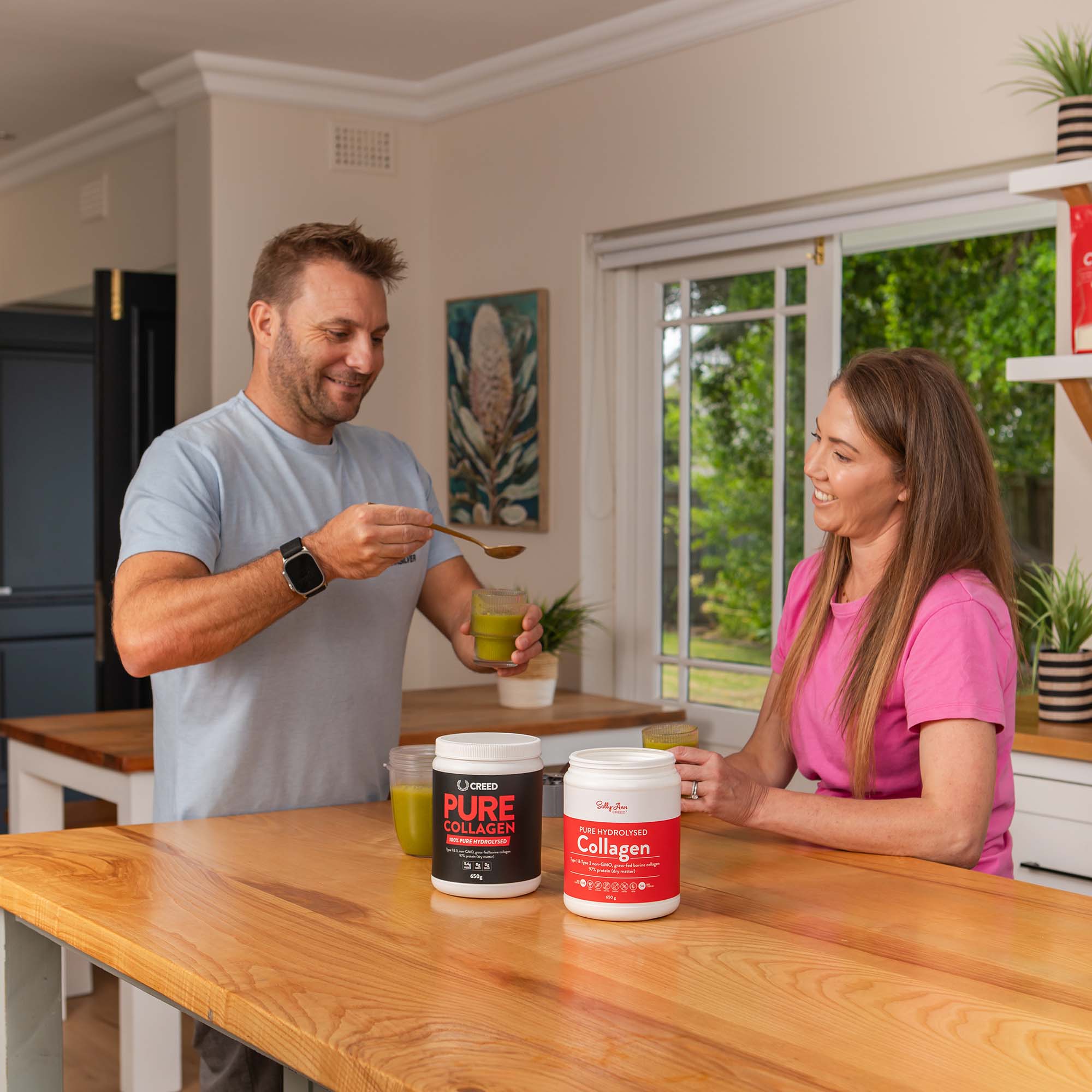
Try this Collagen Hair Mask! Apart from the amazing difference collagen makes over time to the thickness and lustre of your hair from the inside out. Here’s a way to give it that little extra boost using a Collagen Hair Mask. The shaft of your hair is porous, and will be able to absorb hydrolysed collagen, so give it a whirl, especially if you have colour-treated hair. Collagen strengthens the hair from the inside out as we know, but it also fortifies the entire shaft by forming a protective shield around each strand of hair, reducing breakage and protecting it from sun, heat and the environment when applied externally. Apply just once a month for nourished hair and scalp. Your hair will be soft and shiny! Here’s what you need for the Collagen Hair Mask: 2 tablespoons Sally-Ann Creed’s Organic Coconut Oil 2 tablespoons Sally-Ann Creed’s Organic Extra Virgin Olive Oil 1 tablespoon Sally-Ann Creed’s Pure Hydrolysed Collagen Here’s what you do with it: Mix all the ingredients together in a bowl until thoroughly blended. Apply to your entire head of hair, massaging into the scalp and applying it all the way down to the ends of the hair Leave on for 20 minutes. Shampoo and rinse well. Repeat shampoo, if necessary. NOTES Apply only once a month ONLY – and use our Pure Hydrolysed Collagen – don’t use any other kind of collagen, it may not work. Please let us know your results!!
Read more
What is Human Microbiome?
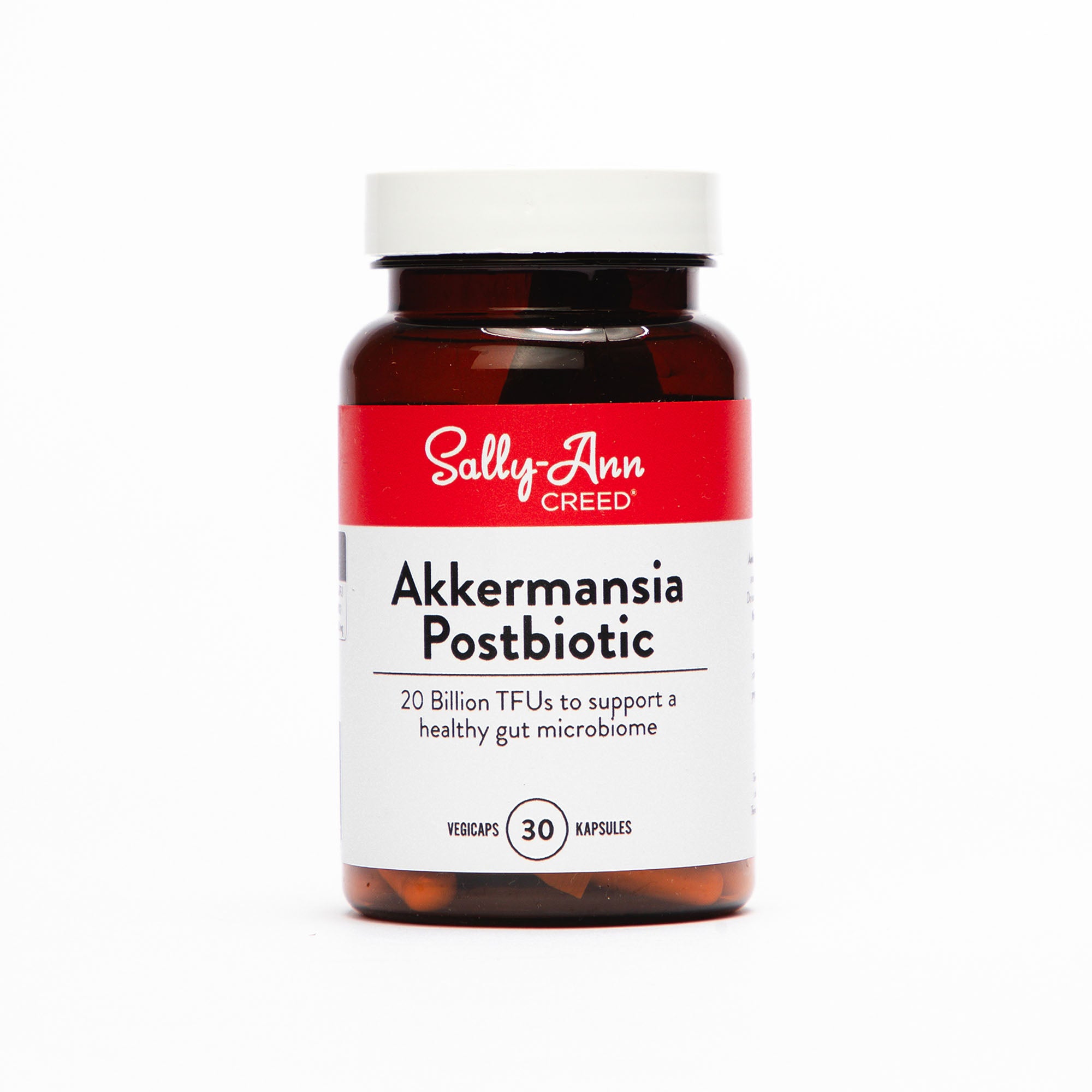
A microbiome is a community consisting of trillions of microorganisms (also called microbiota or microbes) of thousands of different species that inhibit our bodies. These also include bacteria, fungi, parasites and viruses. Inside and out, our bodies are home to a huge array of micro-organisms. Did you know there are more bacterial cells in your body than human cells? In a healthy body these all co-exist peacefully and the largest numbers are found in the small and large intestines. However having too many unhealthy microbes can lead to disease. The gut microbiome refers to all of the microbes in your intestines . These act as another organ that’s crucial for your health. Microbiota stimulate the immune system. They also break down potentially toxic food compounds and synthesize certain vitamins and amino acids. An imbalance of healthy and unhealthy microbes in the gut may contribute to weight gain, sleep disturbances, skin irritations and auto immune conditions. While a balance in gut microbes may help control blood sugar, positively affect brain health and lower the risk of diabetes. How can we ensure that we have enough microbiota and enough of the right types? In addition to family genes, environment, and medication use, diet plays a large role in determining the kinds of microbiota and more specifically which are best for optimum gut health! Here are 5 top tips to a happy gut 1. Eat a diverse range of foods including food rich in polyphenols which are broken down to stimulate healthy bacteria growth (found in green tea, olive oil and dark chocolate) 2. Probiotics: Eat fermented vegetables, like kimchi and sauerkraut, and pickled vegetables, like onions and gherkins which are a source of live cultures of bacteria like bifidobacteria and lactobacilli 3. If using an artificial sweeteners choose one that contains a prebiotic such as https://sallyanncreed.co.za/…/bio-sweet-prebiotic…/ 4. Take supplements that contain live active bacteria such as these: https://sallyanncreed.co.za/product/maxibiotic-20-vegicaps/ https://sallyanncreed.co.za/…/maxifos-prebiotic-powder…/ 5. Eat collagen rich foods such as bone broth or take pure hydrolysed collagen https://sallyanncreed.co.za/…/sally-ann-creed-collagen…/ Join our Instagram Page @SallyAnn_Creed and subscribe to our Newsletter https://sallyanncreed.co.za/subscribe/ receive free food lists from The Low-Carb Creed when you join. This post is subject to our general disclaimer https://sallyanncreed.co.za/disclaimer/.
Read more
Are you suffering from leaky gut?
If you have these symptoms you may be suffering from leaky gut… Leaky Gut is the name given to damaged and permeable intestinal lining which allows undigested food particles, toxic waste products and bacteria to ‘leak’ through the intestinal wall into the bloodstream. Symptoms include: 1. Chronic diarrhoea, constipation, gas or bloating 2. Nutritional deficiencies 3. Weak immune system 4. Headaches, brain fog, memory loss 5. Excessive fatigue; insomnia 6. Skin rashes and problems such as acne, eczema or rosacea 7. Cravings for sugar and carbs 8. Arthritis and/or joint pain 9. Depression, anxiety, ADD and ADHD 10. Autoimmune diseases such as rheumatoid arthritis, lupus, celiac disease or Crohn’s This condition needs to be approached from several different angles at once in order to return the body to full health, including: changes to the diet, the inclusion of supplements, reducing the stress factor and rooting out the underlying cause in the first place. We believe a pleiotropic approach is necessary which means you must approach healing from several angles at once to actually flip the body back to health. This includes: • making dietary changes • adding specialized and targeted supplements • reducing stressors • correcting underlying root cause of disease And when it comes to supplements L-Glutamine is one of the most talked about for digestive health. At this point, the research is pretty clear on L-Glutamine being a very valuable supplement for anyone dealing with almost most chronic health issues. Whether it works to help fix the gut wall, improve sleep, recover from exercise or reduce cravings, it is a safe, cheap and readily available supplement to think about trying. L-Glutamine is easy to take – it plays a crucial role in healthy digestion, brain function and has been well documented in studies to protect against mucosal deterioration in the gut. Glutamine is helpful in reducing the side effects of chemotherapy. The worse your gut problem is, the more Glutamine will help to you. You will find our l-glutamine powder here https://sallyanncreed.co.za/product/l-glutamine-powder/ Join our Instagram Page @SallyAnn_Creed and subscribe to our Newsletter https://sallyanncreed.co.za/subscribe/ receive free food lists from The Low-Carb Creed when you join. This post is subject to our general disclaimer https://sallyanncreed.co.za/disclaimer/.
Read more
Are you deficient of Vitamin B12?
Vitamin B12 is an essential vitamin needed for blood formation, nerve and brain function. Your body doesn’t make vitamin B12, you have to get it from animal-based foods or from supplements. This should be done on a regular basis as your body doesn’t store vitamin B12 for a long time. The older you get the harder it becomes to absorb this vitamin. YOU MAY BE MORE LIKELY TO DEVELOP VITAMIN B12 DEFICIENCY IF YOU HAVE: 1. Atrophic gastritis (where your stomach lining has thinned) 2. If your have pernicious anemia, which makes it hard for your body to absorb vitamin B12 3. If you have conditions that may affect your small intestine (Crohn’s disease, celiac disease) 4. If you have Immune system disorders 5. If you follow a vegan diet (ie: no animal products, including meat, milk, cheese, and eggs) 6. If you are a vegetarian that doesn’t eat enough eggs or dairy products to meet your vitamin B12 needs. 7. If you have been taking certain medications that interfere with the absorption of B12. SYMPTOMS OF A VITAMIN B12 DEFICIENCY INCLUDE: – Weakness, tiredness, or lightheadedness – Constant fatigue – Heart palpitations and shortness of breath – Very pale skin – A smooth tongue – Constipation, diarrhea, loss of appetite, or gas – Nerve problems like numbness or tingling, muscle weakness – Dizziness or issues associated with vision – Mental problems like depression, memory loss, behavioural changes or simply quite forgetful – Elevated homocysteine level – Anaemic – Frequent unexplained pins and needles and ‘shock wave’ feelings DIETARY SOURCES OF THIS NUTRIENT CAN BE FOUND IN: • Organ meats, especially red meat • Fish, seafood • Poultry • Eggs and dairy products (All animal protein will have some B12) TIPS TO PREVENT DEPLETION: • Limit alcohol intake • Add black pepper – The piperine in black pepper aids absorption of all nutrients • Cranberries have been shown to help increase B12 uptake but this is when eaten with food containing B12. • Take a supplement (especially if you don’t eat animal protein) such as Methylcobalamin which is the active, coenzyme form of Vitamin B12.
Read more
4 Vitamins and Minerals to boost your Metabolism
Metabolism is the process by which your body converts what you eat and drink into energy. Calories in food and beverages are combined with oxygen to release the energy your body needs to function. HOWEVER …as you age and begin to lose muscle your metabolism slows down. Supplements for Metabolism: These Supplements for Metabolism can be found at my online store. Here are 4 vitamins and minerals to boost your metabolism (and promote weight loss) 1. Vitamin D Your body can get all the vitamin D it needs from the sun. However most people today spend too much time indoors (especially during periods of lockdown). Getting enough vitamin D from food is difficult, so supplements are often recommended. Some evidence suggests that getting enough vitamin D could also enhance weight loss and decrease body fat. 2. Iron It plays a role in helping your body create energy from nutrients. Iron helps carry oxygen to all of the cells in your body, including your muscles. This then in turn helps them burn fat. 3. Magnesium Magnesium is necessary for energy production in the body. This mineral acts as a cofactor in more than 300 enzyme systems. These systems are responsible for a wide range of reactions in the body, including controlling blood glucose, regulating blood pressure and keeping bones strong. 4. B vitamins The main function of the B vitamins is to help your body metabolise carbohydrates, fats and proteins and to use the stored energy in food. B Vitamins are like the building blocks of a healthy body and have a direct impact on your energy levels, brain function, and cell metabolism! B-complex vitamin supplement might be the simplest way to get these benefits into your diet, however there are plenty of foods that contain B vitamins as well! You will find most of the above vitamins and minerals available online at www.sallyanncreed.co.za/shop Join our Instagram Page @SallyAnn_Creed and subscribe to our newsletter: https://sallyanncreed.co.za/subscribe. You’ll receive free food lists from The Low-Carb Creed when you join. This post is subject to our general disclaimer https://sallyanncreed.co.za/disclaimer/.
Read more
Interesting studies on Colds and Flu
Many studies have explored the relationship between taking Vitamin D3, Omega-3 fish oil and Vitamin C and the occurrence of colds and flu separately. What was found with regards to Colds and Flu occurence is the following: VITAMIN D3 ALONE. The percent of participants who experienced flu was 32% lower for those with a vitamin D level at or above 40 mg/ml compared to those with a level below 40 ng/ml. For colds it was 11% lower. Vitamin D3 appears to have a dramatic effect on the immune system. OMEGA-3 ALONE. The percent of participants who experienced flu was shown to be 38% lower for those who took Omega-3 regularly and for colds it was also 11% lower. VITAMIN C ALONE. The percent of participants who experienced flu was 32% lower for those who regularly took supplemental vitamin C. Compared to those who did not. For colds it was 9% lower. IN THOSE TAKING VITAMIN D, OMEGA-3, AND VITAMIN C COMBINED. The percent of participants who experienced flu in the 6 month study period was 72% lower for those with a vitamin D level at or above 40 ng/ml who also took Omega-3 fish oil and supplemental vitamin C. Really impressive and for colds it was 21% lower. You will find a very good Vitamin D3 Premium, Vitamin C and Omega-3 Fish oil at https://sallyanncreed.co.za/shop
Read more
5 ways Collagen boosts thyroid health
We have SO many messages and testimonies of people who have had amazing results with our Pure Hydrolysed Collagen regarding thyroid health and function. Collagen, a crucial protein in the body, offers potential benefits for thyroid health. Firstly, collagen contains amino acids like glycine, proline, and arginine, which support the synthesis of thyroid hormones. These amino acids play a role in converting the inactive thyroid hormone (T4) into its active form (T3). Additionally, collagen provides structural support to the thyroid gland, promoting its optimal function. The protein also aids in reducing inflammation, which is vital as thyroid disorders often involve immune system imbalances. Collagen’s ability to support gut health is noteworthy, as a healthy gut contributes to better absorption of essential nutrients for thyroid function. Including collagen-rich foods or supplements in one’s diet may help enhance overall thyroid health by addressing various aspects like hormone synthesis, gland structure, and inflammation reduction. Furthermore, collagen’s role in promoting a healthy gut lining is pivotal for thyroid health. Leaky gut syndrome, where the intestinal barrier becomes permeable, is associated with autoimmune thyroid conditions like Hashimoto’s disease. Our incredible Pure Hydrolysed Collagen can help maintain gut integrity, preventing the leakage of harmful substances into the bloodstream that might trigger an immune response against the thyroid. Moreover, collagen supports the production of other proteins necessary for tissue repair and regeneration, aiding in the recovery of damaged thyroid tissue. The anti-inflammatory properties of collagen contribute to managing chronic inflammation, a common factor in thyroid disorders. In conclusion, integrating collagen into your diet may offer a multifaceted approach to supporting thyroid health through its impact on hormone synthesis, structural support, gut integrity, and inflammation modulation. Here are some other ways collagen helps your thyroid health: 1. Collagen balances other PROTEINS in the body. Remember we MUST HAVE protein for a healthy thyroid gland (if you are suffering, here’s one quick way to improve it). In hypothyroid patients, tryptophan is converted to serotonin. This suppresses thyroid function further (by increasing other thyroid-suppressing hormones like cortisol and estrogen). This is where collagen comes to the rescue – there is NO tryptophan in collagen – that is just one reason it is so beneficial to the thyroid. 2. Collagen lowers CORTISOL in hypothyroidism, which lowers stress levels. Stress hormones block the conversion of T4 to T3 (the active hormone) in the liver – collagen boosts the liver’s ability to convert T4 to the active T3 form by lowering cortisol. Amazing. 3. Collagen lowers ENDOTOXIN, a thyroid-suppressive substance over-produced by intestinal bacteria – usually found in hypothyroidism. It over-burdens the liver, prevents detoxification of estrogen and cortisol and prevents healthy liver detoxification. Collagen is the most wonderful liver detoxifier. 4. Collagen boosts thyroid and METABOLIC RATE by regulating BLOOD SUGAR. Almost all of us need to be on a lower carb diet for good health. However hypothyroid sufferers do need more carbs in their diet – it’s a fact. The worst thing you can do if hypothyroid is to go into ketosis. Collagen helps to regulate blood sugar as you transition to a lower carb diet, as it will enable you to metabolise carbs without the need for extra insulin, and it will prevent a rise in blood sugar. Most hypothyroid sufferers are (or become) insulin resistant – and they have been shown to have more than 26% less glycine than they need – another reason glycine-rich collagen is helpful to hypothyroid and diabetic patients. 5. Lastly, collagen improves the thyroid’s ability to USE T3. Having adequate levels is not enough – you need to be able to UTILISE this T3. Collagen also helps to restore insulin sensitivity and help you reverse insulin resistance, thereby improving your thyroid health. Our amazing Pure Hydrolysed Collagen protein powder comes from grass-fed cows. It has no taste or smell, is non-GMO, and produced from only grass-fed cows. It’s also Halaal! You’ll find it at https://sallyanncreed.co.za/shop
Read more
The Difference Between our Vitamin C (Scorbi-Cee, EsterVit-C and Super-Cee)
Which C is Better for Me? Vitamin C is an essential vitamin, meaning your body can’t produce it. Yet, it has many roles and has been linked to impressive health benefits. Scientifically proven benefits of Vitamin C consumption is that it is: A strong antioxidant that can boost your blood antioxidant levels. This may help reduce the risk of chronic diseases like heart disease. Found to lower blood pressure in both healthy adults and those with high blood pressure. Linked to a reduced risk of heart disease. These supplements may lower heart disease risk factors, including high blood levels of LDL (bad) cholesterol and triglycerides. Boosts immunity by helping white blood cells function more effectively, strengthening your skin’s defense system, and helping wounds heal faster. Low vitamin C levels have been linked to an increased risk of memory and thinking disorders like dementia, while a high intake of vitamin C from foods and supplements has been shown to have a protective effect. What Is The Difference between our Vitamin C’s? Sally-Ann Creed’s Scorbi-Cee, EsterVit-C and Super-Cee all offer the benefits of Vitamin C but accommodate different needs. Scorbi-Cee is ascorbic acid, or plain vitamin C. This is an inexpensive and effective powder that can be added to water or drinks daily. A teaspoon a day for an adult offers excellent immune protection. Super-Cee has a base of ascorbic acid but it is ‘chelated’ meaning that it is joined to a sodium (mineral) molecule (this is also called ‘buffering’). Making it easier to digest. A quarter-teaspoon of Super-Cee will effectively deliver all the benefits of Scorbi-Cee without causing digestion problems for those with a more sensitive and difficult digestive system. Similarly, EsterVit-C is a better option and will not cause stomach irritation as it is ‘buffered’ in the same manner as Super-Cee. Vitamin C is attached to (and is “buffered” by) calcium instead of sodium. If you are watching your sodium intake and have a sensitive stomach, EsterVit-C would be preferable over Super-Cee. However, there is no evidence of a significant difference in the absorption of any of these forms of vitamin C and all three products will ensure you reach optimum health.
Read more
The difference between a Probiotic and Prebiotic
Probiotic and Prebiotic? Trusting Your Gut In human intestines, there are many strains of two main species of friendly bacteria, Lactobacillus and Bifidobacterium. Probiotics and Prebiotics both help those friendly bacteria, but in different ways: What is the Difference between Probiotic and Prebiotic? The lining of our gut is covered in microscopic bacteria. Collectively, these organisms create a micro-ecosystem known as the microbiome. The microbiome plays an oversized role in our health. Therefore, what you feed your microbiome is what has the biggest impact on its health. And the healthier it is, the healthier you are. The key to a healthy microbiome is nourishing a balance among the bacteria. In order to do so, you can: Use Prebiotics to help the microbes already inhabiting your gut by giving them foods they like, and Use Probiotics to add living microbes directly to your system. Prebiotics are specialized plant fibers. They act like fertilizers that stimulate the growth of healthy bacteria in the gut. Prebiotics are found in many fruits and vegetables, especially those that contain complex carbohydrates, such as fiber and resistant starch. These carbs aren’t digestible by your body, so they pass through the digestive system to become food for the bacteria and other microbes. Whereas Probiotics are different in that they contain live organisms, usually specific strains of bacteria that directly add to the population of healthy microbes in your gut. Microbiota-loving foods such as: Fiber-rich foods: Fruits, vegetables and whole grains Potatoes Bananas Artichokes Are recommended to consume in conjunction with a prebiotic supplement. And fermented foods such as: Yoghurt Kombucha Tempeh Sauerkraut Contain live microbes just as a probiotic supplement does. So which should you take? Take both! Sources: Lyte M, et al. Resistant starch alters the microbiota-gut brain axis: Implications for dietary modulation of behavior. PLOS One. 2016;11:1.Quigley EM. Basic definitions and concepts: Organization of the gut microbiome. Gastroenterology Clinics of North America. 2017;9:2.Salonen A, et al. Impact of diet and individual variation on intestinal microbiota composition and fermentation products in obese men. ISME Journal. 2014;8:2218.Yatsunenko T, et al. Human gut microbiome viewed across age and geography. Nature. 2012;486:222., Rountree R. The human microbiome — Humans as super-organisms. Alternative and Complementary Therapies. 2011;17:70.Lynch SV, et al. Targeting gut flora to treat and prevent disease. The Journal of Family Practice. 2016;65:2369 (297 words).
Read more
Healthy Habits to support your Wellness Journey
Congratulations – you have already taken the first step in the right direction and are ready to take on some healthy habits! Just a few things to consider which we hope you will find helpful: Weight itself is not necessarily the marker of success. Exploring your dietary habits and maximising your nutrition will have a positive outcome on your weight however it’s important to consider one’s diet in combination with physical activity and developing healthy habits. Your health outcomes begin with YOU and every single choice you make though out the day. Equip yourself with the knowledge to make informed decisions to support your wellness for life. Here are our top seven healthy habits we recommend: Healthy Habits to support your Wellness Journey Begin your morning with a tall glass of warm lemon water; Start the day right with a high protein breakfast; Enjoy a cuppa in the morning; Practise mindful eating; Getting the right vitamins and minerals for your body’s needs; Ask yourself – “why am I eating this right now?”; Choose to move more and be realistic. Begin your morning with a tall glass of warm lemon water. Begin your morning with a tall glass of warm lemon water. Lemon water helps to flush out impurities, keeps your skin healthy, promotes iImmune Support and supports digestive and kidney health. While lemons contain an abundance of nutrients (Riboflavin, Folate, Vitamin B6, Vitamin A, Vitamin E, Vitamin C, Calcium, Magnesium, Iron, Fibre) consider adding the pulp for improved gut health. Pectin, the fibre found in lemon pulp, helps slow sugar and starch digestion and may lower your blood sugar levels as well. If you want to lose some ‘water weight’ lemon water is a fabulous diuretic and may provide relief from heartburn, bloating, diarrhea, constipation and indigestion Starting the day right with a high protein breakfast Starting the day right with a high protein breakfast has been known to benefit muscle health and support weight loss by reducing cravings. If oats is on your menu then give this recipe a try. It’s so quick, easy and absolutely delicious! Ingredients are available from our online store and can be delivered to your door! Ingredients: Sally-Ann Creed Quick Oats; Almond or oat milk; Sally-Ann Creed Chia seeds (optional); Sally-Ann Creed Honey; Sally-Ann Creed Pure Hydrolysed Collagen. Topping options: Sally-Ann Creed Peanut Butter; Berries; Sally-Ann Creed Fruit; Sally-Ann Creed Seeds; Next Steps: Combine oats and milk into your bowl and add chia seeds if you like. Add some honey and Sally-Ann Creed Pure Hydrolysed Collagen. Stir together until combined. Cover your bowl and chill overnight. The next morning add your toppings and enjoy! We love to add fresh berries, banana, seeds and a spoon of peanut butter. Ingredients available here: www.sallyanncreed.co.za Enjoy a cuppa in the morning Drink coffee or tea. The caffeine in coffee or tea is known to promote weight loss because it boosts your metabolism. Don’t overdo it though and try lose the milk and sugar. Practise mindful eating Practise mindful eating – sit at the table and focus on the eating experience. Put your phone away and keep the TV off. Slow down and enjoy each mouthful. You will most likely find you will feel fuller sooner and become more mindful about what you put into your mouth and body as a source of nourishment. Getting the right vitamins and minerals for your body’s needs Make sure you are eating enough of the right foods and you are not deficient of any essential vitamins or minerals. If you suspect you may be deficient, speak to your healthcare practitioner or ask the Sally-Ann Creed team who are here to support you on your wellness journey. Ask yourself this question Why am I eating right now – am I actually hungry or is it for another reason? Are you eating out of boredom, habit, stress or are you really hungry. You don’t want to wait until you are absolutely starving before eating a meal, but once you begin to tune into your body you will start to understand what it needs. Many times of the day you will find yourself subconsciously reaching for a snack or a meal because it has become ingrained as routine or habit even if you are not actually hungry. A tall glass of water will go a long way in times like these. Choose to move more and be realistic Make a conscious choice to move more in your day to day lifestyle. You don’t need to be hitting the gym to get active but simply include 20 -30 minutes of mild to moderate activity daily in any form. To begin it may be the choice of a quick home work out in the living room, taking the stairs over the elevator or a brisk walk around the block. Set yourself some “healthy habit” goals which are manageable long term. When looking at maintenance, always considering behaviours that are sustainable and will set you up for the best chance of success. Yours in Health and Wellness Roxy Davis – CEO Sally-Ann Creed by Creed Living Creed Living Head Office, Cape Town 1 Fairway Business Park, Stibitz Road, Westlake, 7945 Email: roxy@sallyanncreed.co.za Phone: 021 794 3052 http://wordpress-221143-1979251.cloudwaysapps.com This email is subject to the following disclaimer
Read more
How do I take this? A Guide to our Products
People often ask us How do I take this? Our Sally-Ann Creed Products, directions for use and what can they be taken with are all below. We have put together a comprehensive list of “How do I take this”. The list has 35 Collagen, Vitamins, Minerals and Nutraceuticals, Pantry and Sugar Alternatives. We have 170 products in our range and we will continue to update this list. Contents: Pure Hydrolysed Collagen Beauty Bullets Collagel Colla-Joint Plus for Man’s Best Friend Skinny Collagen Soup Super CollagenT2 Gelatine Berberine Complex Biotin Bio Chelated Magnesium Premium Clear Skin & Lips CoQ10 Ester C caplets L-Glutamine Magnesium Citrate Powder MaxiPrebiotic MaxiProiotic 20 Milk Thistle Premium MaxiMSM (powder and tablets) Olive Leaf Omega-3 Fish Oil Quercetin Scorbi-Cee and Super-Cee powder Skinny Fibre Vitamin D3 Premium 5000iu Vitamin K2 Premium 100mcg Zinc BioSweet Xylitol & Erythritol Keto Sweet Zero Collagen Products 1. Pure Hydrolysed Collagen About: ‘There’s no magic bullet, although I do admit collagen does come close. You won’t live forever but you’ll have a better quality of life and look a lot better too (on the inside and out)’ – Sally-Ann Creed. https://sallyanncreed.co.za/product/collagen-pure-hydrolysed/ Direction for use: 1-2 scoops (14ml scoops are placed in the bag) can be added to your morning tea/coffee/glass of water at least an hour or more before breakfast. You can also take it between meals or last thing at night. Where possible avoid mixing it with other proteins however, if you absolutely cannot take it unless you have yogurt or something else, you will still derive benefit from it. Do not mix it with the Super CollagenT2 (chicken) type 2. If you are taking both, then take them at least 2 hours away from each other to ensure the best absorption possible. Always increase water intake with collagen. Can take with: L-Glutamine powder in water 2. Beauty Bullets About: Each capsule contains 575mg pure collagen. Now you can have the choice of either powder or capsules when getting your ‘collagen fix’ daily. We understand that for travelling, or if you are sensitive to taking powders you might want capsules, so now you can get pure hydrolysed collagen in capsule form. These BEAUTY BULLETS are literally ‘shots’ of Pure Hydrolysed Collagen. https://sallyanncreed.co.za/product/collagen-beauty-bullets/ Direction for use: Take 5-10 Collagen Beauty Bullet Capsules 1-2 x a day with hot or cold liquid (great for travellers). Can take with: Same instructions as collagen 3. Collagel About:A unique blend of Pure Hydrolysed Collagen (NON-GMO, Grass-Fed and 100% Pure) from a clean bovine source. It is exactly the same excellent Pure Hydrolysed Collagen you will find under our label. In addition we have included Pure Hydrolysed Gelatine with a potent prebiotic powder to improve and promote the healthy colonic flora. The addition of hydrolysed gelatine brings the price down but the effects are the same. https://sallyanncreed.co.za/product/collagel/ Direction for use: Take 1 tablespoon in water or stir into your coffee – it dissolves instantly and has no taste. 4. Colla-Joint Plus About: A powerful supplement which includes Collagen, MaxiMSM, gelatine, probiotic and prebiotic to improve bone and joint health, digestive health and promotes the health of skin, nails and hair. https://sallyanncreed.co.za/product/collagen-plus/ Direction for use: One scoop a day in warm or hot water. Add to food or with yoghurt. Ingredients: Collagen, gelatine, probiotic for the health of the gut. 5. Super CollagenT2 About: Chicken Collagen Type 2 for Joint Support. https://sallyanncreed.co.za/product/chicken-collagen-type-2-for-joints/ Direction for use: 1-2 scoops (14ml scoops are the size of a tablespoon) can be added to your morning tea/coffee/glass of water at least an hour or more before breakfast. Where possible avoid mixing it with other proteins however, if you absolutely cannot take it unless you have yogurt or something else, you will still derive benefit from it. Do not mix it with the other Pure Hydrolysed Collagen (bovine, type 1 & 3). If you are taking both, then take them at least 2 hours away from each other. Can take with: L-Glutamine powder in water 6. Skinny Collagen Soup About: There are 3g of Pure Hydrolysed Collagen per scoop so this is a suitable meal replacement for at least one main meal a day if you are wishing to lose weight. In each scoop of Skinny Collagen Soup you will get a burst of flavour from dozens of organic herbs and spices. https://sallyanncreed.co.za/product/skinny-collagen-soup/ Direction for use: 1-2 spoons in hot water – which can be a meal replacement or used as a base for soups, gravies, stews or as a broth alternative to lose weight. Very nourishing and collagen-rich, it is excellent when you can’t stomach solid food for whatever reason – this way you are nourished and filled. Lovely in a broth or light soup. 1-2 scoops a day is fine. Can take with: L-Glutamine powder 7. Gelatine About: A cooked form of collagen– gelatin “gels” so you can make jelly and terrines. Great for baking/cooking, but collagen doesn’t gel. https://sallyanncreed.co.za/product/the-benefits-of-gelatine/ Direction for use: Mixed the required amount as per your recipe in hot water to dissolve complete then add the same amount of cold water and allow to cool for 5-10minutes. Vitamins, Minerals and Nutraceuticals 8. Berberine Complex About: On its own it is an amazing product for normalizing blood sugar levels, however with Sally-Ann Creed® Berberine Complex you have the added chromium for that “double whammy” – ideal for those who wish to lose weight whilst controlling blood sugar levels. https://sallyanncreed.co.za/product/berberinecomplex/ Direction for use: Adults – Take 1 capsule three times a day, after food. Do not exceed the recommended daily dose. For special precautions please read package insert or link below 9. Biotin Bio About: Boosts health of hair and nails, helps manage blood sugar levels, assists blood sugar control, prevents hair loss, provides energy, eliminate skin inflammation & seborrheic dermatitis, helps prevent anaemia. https://sallyanncreed.co.za/product/biotin-bio/ Direction for use: Take 1 tablet daily. 10. Chelated Magnesium Premium About: It is an essential nutrient and is required for the maintenance of some of the most basic functions of life. Crucial organs, such as the heart, brain, and kidneys are dependent upon it. https://sallyanncreed.co.za/product/chelated-magnesium-premium/ Direction for use: Take 2-3 a day. These capsules contain 100mg each of magnesium glycinate. Can take with: Food, with other vitamins. 11. Clear Skin & Lips About: A combination of powerful immune modulators, and are intricately involved in the repair and maintenance of skin and lips. https://sallyanncreed.co.za/product/clear-lips-skin/ Direction for use: You can take one to three a day – excellent for skin, herpes zoster and acne. Can take with: Anything – best with food. 12. CoQ10 About: Coenzyme Q-10 is an essential component of the mitochondria and so is involved in energy production within body cells. Coenzyme Q-10 is a natural antioxidant which plays several highly useful roles in the body, including support for heart health and the production of energy in cells. CoQ-10 has also been identified as important for those using Statins as it can replace what they may deplete. https://sallyanncreed.co.za/product/coq-10-coenzyme-q10/ Direction for use: As a food supplement for adults, one (1) vegetable capsule daily, preferably at mealtime, or as directed by a healthcare practitioner. If you are pregnant, nursing, taking any medications or have any medical condition, please consult your healthcare practitioner before taking this product. 13. Ester-C Tablets About: Our bodies cannot make vitamin C so it is an essential nutrient to take in daily. It is formulated with citrus bioflavonoids to help with absorption. https://sallyanncreed.co.za/product/ester-c/ Direction for use: 2 or more a day with food at any time of the day – we cannot make vitamin C in our bodies so it is an essential nutrient for us to survive. Can take with: Anything – best with food. 14. L-Glutamine About: This is a powerful gut healer, energy provider and all-round “feel-good” nutrient. Used for the control of cravings, support the immune system, aid in muscle fatigue, improve blood sugar, and the able to repair a leaky gut. https://sallyanncreed.co.za/product/l-glutamine-powder Direction for use: Take ½ to one teaspoon a day in water away from food. ½ an hour before breakfast, lunch and/or dinner (which means 1-3 times a day) take in ¼ glass of water (or more). Eat your meal ½ hour or more later. This is a powerful gut healer, energy provider and all-round “feel-good” nutrient. Can take with: You can take this with Collagen but not with Skinny Fibre. 15. Magnesium Citrate Powder About: You might not know this, but almost everyone is short of magnesium, you included. And another interesting little health byte is that almost every known disease is associated with (not caused by – I said associated with) a magnesium deficiency. https://sallyanncreed.co.za/product/magnesium-citrate-powder Direction for use: Take a teaspoon in ½ – 1 glass water at any time of the day with or without meals. You can add this to your bottle of water It is quite tart, so give it a good stir to dissolve it properly, it is sometimes very slightly lumpy. Can take with: MaxiMSM powder, Pure Hydrolysed Collagen, MaxiFOS and Glutamine, Scorbi-Cee or Super Cee powder in water.. Can be taken with food, with other vitamins or on its own. 16. MaxiPrebiotic About: This is a soluble fibre and creates an excellent and healthy environment for the probiotics to implant, while improving overall colon ecology and digestive health. It helps the gut flora and can be an effective Candida treatment, gut ‘fixer’ and weight loss aid. https://sallyanncreed.co.za/product/maxifos-prebiotic-powder-100g/ Direction for use: Take 1-6 teaspoons any time of the day with anything. Can be mixed into food or beverage, hot or cold or taken on the tongue and eaten as a treat! It helps the gut flora and can be an effective Candida treatment, gut ‘fixer’ and weight loss aid. Can take with: Absolutely anything you like. Quite delicious to sweeten things with but it is not sugar. 17. MaxiProbiotic 20 About: Combines both prebiotic and probiotic into one capsule: It is an extremely potent probiotic with 10 strains, delivering 20 billion CFUs per vegicap, with added FOS, a prebiotic to help to promote the implantation of the probiotic flora. Ideal for building a healthy microbiome. https://sallyanncreed.co.za/product/maxibiotic-20-vegicaps/ Direction for use: You can take one to three a day – excellent for building the microbiome. Can take with: Best on an empty stomach last thing at night or first thing in the morning with water. Very good to take this with MaxiFOS as it is the ‘food’ for the healthy intestinal bacteria. 18. Milk Thistle Premium 500mg About: Milk Thistle is one of the most powerful ways you can protect your liver. https://sallyanncreed.co.za/product/milk-thistle-premium/ Direction for use: 1-3 a day with a meal. Can take with: Anything – best with food. 19. Maxi-MSM– Tablets and Powder About: MSM is one of the most powerful and effective anti-inflammatory. https://sallyanncreed.co.za/product/maxi-msm/ Direction for use: You can take from 1-6 or more tablets a day at breakfast or spread this out at meals –. With the powder, a teaspoon in water is an easy way to take it. A nice way to take it is to put 1-2 teaspoons in a litre of water in a bottle and sip it all day. Can take with: Glutamine, Collagen Scorbi-Cee or Super Cee powder in water. 20. Olive Leaf About: Powerful iImmune Support, reduces inflammation, reduces risk of atherosclerosis, supports weight loss, antioxidative properties. https://sallyanncreed.co.za/product/olive-leaf-active/ Direction for use: Take 1-2 tablets per day after a meal 21. Omega-3 Fish Oil About: Ultra-refined and extra-pure, this fish oil is free from mercury, PCBs, DDT and dioxins. We cannot make this in the body, so we all need it daily. https://sallyanncreed.co.za/product/the-omega-3-solution-fish-oil-softgels/ Direction for use: 3 a day is a good dose.. Keep in the fridge, they then go hard and are easy to swallow and won’t repeat (they shouldn’t anyway, but for sensitive tummies). Can take with: Take with water and with food, any time of the day. This can be taken with other supplements. 22. Quercetin with Vitamin C About: Powerful Antioxidant and Immune Booster. https://sallyanncreed.co.za/product/quercetin-with-vitamin-c/ Direction for use: Take 2 capsules a day, after food with a full glass of water. Do not exceed the recommended daily dose. 23. Scorbi-Cee and/or Super-Cee About: Super Cee has a base of ascorbic acid, but it is buffered or chelated meaning it is joined to a sodium (mineral) molecule, making it much easier on the gut and ideal for those with gut issues. Scorbi-Cee is ascorbic acid, or plain vitamin C. This is a very effective powder that you can add to water or drinks to get your quota of vitamin C in per day. Direction for use: Scorbi-Cee: Adult: Take a 1/4 tsp in water 2 to 3 times a day, with food. Children: Take 1 pinch daily in water, with food. Super Cee (Sodium Ascorbate): Take 1/2 tsp in water 1 to 2 times a day. Can take with:Anything except Skinny Fibre. You can mix either of these with MaxiMSM powder and/or Magnesium Citrate powder, and with MaxiFOS. https://sallyanncreed.co.za/product/hi-cee-300g/ https://sallyanncreed.co.za/product/super-cee/ 24. Skinny Fibre – Powder About: Literally one of the fastest moving products we have ever seen. It does what it says it does. Incredible dietary fibre to promote weight loss and a healthy gut. https://sallyanncreed.co.za/product/skinny-fibre/ Direction for use: ¼ to ½ teaspoon of Skinny Fibre onto your tongue, and immediately chase with a full glass of water. Take this late morning or mid-afternoon when you feel hungry OR take it before meals or between meals. Do NOT stir it INTO water or it immediately congeals as it is supposed to. Make sure you increase water intake when taking this fibre by 1-2 glasses a day. Can take with: It is best taken on its own. Not with food and 2 hours after medication. 25. Vitamin D3 Premium 5000IU About: D3 is only found in animal products, not in the plant kingdom, and taking a daily supplement is an excellent way to ensure you are not deficient. https://sallyanncreed.co.za/product/vitamin-d3-premium/ Direction for use: One a day for adults in the morning or at night with a meal. Please have a blood test around 6-9 months after taking this to make sure you are getting your levels up. Can take with: Anything – best with food and something with fat content. 26. Vitamin K2 Premium 100mcg About: Getting enough of, or being deficient in Vitamin K2 can be a serious situation, to the point of developing heart disease or having a stroke. It may not manifest with any symptoms either which can be difficult. But the benefits of taking a supplement are nothing short of incredible. https://sallyanncreed.co.za/product/vitamin-k2-premium/ Direction for use: One a day with food. This is an amazing nutrient, you can’t overdose and everyone should be on it unless your doctor has a reason for you not taking it. Remember Vitamin K1 is the ‘clotting’ Vitamin, K2 is very different – it is responsible for the distribution of calcium. Can take with:Anything – best with food and something with fat content 27. Zinc Picolinate About: Zinc is a nutrient known to benefit the immune system, and deficiency of zinc impairs the capacity of many different immune cells to carry out their functions. It is also a powerful antioxidant. https://sallyanncreed.co.za/product/sally-ann-creed-zinc-picolinate/ Direction for use: Take 1 tablet daily after a meal Can take with: Pure Hydrolysed collagen – or any protein source to increase absorption Pantry and Sugar Alternatives 28. BioSweet About: BioSweet is a prebiotic with monk fruit added to make it utterly delicious, calorie and carb free and enable you to enjoy sweetened foods and beverages. https://sallyanncreed.co.za/product/bio-sweet-prebiotic-sweetener-2/ Direction for use: As much or little as you wish to sweeten beverages or foods. Very safe, natural and without any calories. Can take with: Anything 29. Xylitol or Erythritol Direction for use: these are both sweeteners with very similar taste profiles to sugar. With Xylitol you can use 1 spoon to equal the sweetness of a spoon of sugar. With Erythritol however, you’ll need a little more than a teaspoon to equal the sweetness of the same amount of sugar. They are both very successfully used in tea, coffee, food and baking, they’re heat-stable and very versatile. https://sallyanncreed.co.za/product/erythritol/ 30. Keto Sweet Zero Direction for use: As with the above sweeteners this is heat stable, delicious and is the same sweetness as sugar. It has erythritol and the wonderful organic monk fruit with it – no calories, no carbs whatsoever, and very successful in tea, coffee, cooking and baking. It is the closest taste to sugar of all the natural keto sweeteners. Take in place of sugar one-for-one – tastes like sugar. https://sallyanncreed.co.za/product/keto-sweet-another-south-african-first-by-sally-ann-creed/ All these products can be found – together with many others not listed here. I hope this has cleared up any “How do I take this?” questions. For further instructions on How do I take this, please read the package insert which accompanies the product.
Read more
Bone broth for iImmune Support
Bone broth for iImmune Support – So how does it really work? Bone broth is a superfood that can strengthen your immune system. It really goes to show grandmas chicken soup to fight was spot on with scientific data now able to back it up! Bone broth contains essential nutrients that help your immune system to function properly. This nutritious and cost effective broth is made from boiling animal bones, adding vegetables and herbs then simply straining out the solids laving you with a broth abundantly rich in amino acid, vitamins, minerals and packed with anti oxidants. The benefits of bone broth include boosting your immune system, reducing inflammation, improving gut health and maintaining balanced nutrition. Top Tips: To enhance the flavour of the bones you can roast them in the oven until lightly browned before adding them to the pot. Broth freezes incredibly for up to six months. It is fantastic to add to other soups or dishes and can simply be enjoy on its own. Broth can be made from bones of any kind including beef, lamb, pork, fish, shellfish or chicken. Adding additional herbs and spices to taste are always a great idea. Here are some suggestions: Beef bones – rosemary Chicken bones – ginger, turmeric Fish bones – parsley and thyme Pork bones – thyme The most effective bone broth recipe from a convenience and cost perspective is the one that best suits your needs and what you currently have in your fridge. We don’t like to waste a single cutting or skin so keep a container in the fridge for your “offcuts” and collect any vegetables tops, peels or skins for your recipe. Click here for a bone broth recipe: https://sallyanncreed.co.za/recipes/bone-broth-recipe-with-a-personal-touch/ Disclaimer: You can simply click on the name of each product mentioned above (in bold) and a hyperlink will take you directly to the product for an easy purchase. Originally published on https://www.facebook.com/SallyAnnCreedSA/ on 1 February 2021. Instagram: @SallyAnn_Creed Facebook: @SallyAnnCreedSA
Read more