Articles


Selenium
Selenium is an essential trace mineral, meaning that while it is only needed in small amounts, it’s still very important for human health. Selenium is found in soil, water and some food groups. It acts like an antioxidant and plays an important role in disease prevention. From supporting immune function to protecting against oxidative stress, selenium is a powerhouse nutrient that deserves a spot in your daily diet. Let’s explore what selenium does, why it’s important, and how you can ensure you’re getting enough. Selenium assists with the following health conditions: Thyroid: Selenium plays a role in thyroid hormones and their production, and is involved with normal thyroid function. Heart health: Selenium is a component of selenoproteins,which are important antioxidants. These can prevent damage to blood vessels by helping protect cells from oxidative stress. Anti-inflammatory (cognitive decline): Selenium deficiency is directly linked to cognitive decline Cancer/disease: Due to Selenium’s antioxidant properties, benefit with DNA repair, and effect on human immunity, it was hypothesized that selenium plays a role in prevention of certain cancers, although more research is needed to confirm this. Male fertility: selenium, may also play a role in sperm quality, because selenium reduces oxidative stress and that has been linked to male infertility. Recommended Intake: RDA Females Males 19-50 years 55mcg 55mcg 51+ years 55mcg 55mcg Pregnant or lactating women would need to discuss with suitable health care professionals. Food Sources: (USDA) Amount in Food (mcg) Brazil nuts (1 nut) 96 Tuna (canned, water 100g) 65.7 Brown rice (cooked, 1 cup) 11.7 Egg (whole, 1) 15.6 Beef, Kidney (cooked, 85g) 143 Cottage cheese (100g) 14.6 Mushrooms, portobello (grilled,100g) 21.9 Overall, selenium is vital for health, but it’s important to maintain the right balance. As with all things in life, too much or too little can have negative effects. More research is needed to fully understand how selenium influences various health conditions Toxicity: The upper limit for Selenium intake was 400 mcg daily. Brand new 2023, reviews have now suggested an upper limit of 255 mcg for all adults. What can toxicity symptoms look like? A garlic-like smell on the breath and a metallic taste in the mouth Brittle nails/decaying teeth Gastrointestinal problems, such as nausea Neurological anomalies Fatigue and irritability Skin lesions and rashes Hair loss In extreme cases, selenium overdose could lead to kidney failure, heart failure, and death. Use of selenium supplements People can get selenium through multivitamins and other dietary supplements. These may contain the mineral in different forms, including selenomethionine and sodium selenate. However, we encourage you to get your nutrients from food sources rather than supplements. Eating a varied and healthful diet is more important than concentrating on individual nutrients as the key to good health. References: Genchi G, Lauria G, Catalano A, Sinicropi MS, Carocci A. Biological Activity of Selenium and Its Impact on Human Health. Int J Mol Sci. 2023;24(3):2633. doi: 10.3390/ijms24032633. Institute of Medicine. Food and Nutrition Board. Dietary Reference Intakes: Vitamin C, Vitamin E, Selenium, and Carotenoids. Washington, DC: National Academy Press; 2000. Ventura M, Melo M, Carrilho F. Selenium and Thyroid Disease: From Pathophysiology to Treatment. Int J Endocrinol. 2017;2017:1297658. doi: 10.1155/2017/1297658. Rees K, Hartley L, Day C, Flowers N, Clarke A, et al. Selenium supplementation for the primary prevention of cardiovascular disease. Cochrane Database Syst Rev. 2013;2013 . doi: 10.1002/14651858.CD009671.pub2. Hadrup N, Ravn-Haren G. Acute human toxicity and mortality after selenium ingestion: A review. J Trace Elem Med Biol. 2020;58:126435. doi: 10.1016/j.jtemb.2019.126435. National Institute of Health: Selenium : Fact Sheet for Health Professionals Updated: April 15, 2024 https://ods.od.nih.gov/factsheets/Selenium-HealthProfessional/#en13 2021 Selenium may play a role in several aspects of human health, these include: Cardiovascular disease: Selenoproteins may affect heart health by preventing the oxidative modification of lipids, or body fats. This may reduce inflammation and the build-up of platelets. Cognitive decline: Selenium’s antioxidant activity may help reduce the risk of both age-related cognitive decline and impairments that result from conditions such as Alzheimer’s disease. Thyroid disorders: Selenium also has an important role in maintaining healthy thyroid function. Cancer: Selenium’s role in DNA repair means that it may play a role in cancer prevention. Foods sources Selenium is most often found in whole grains and animal products such as fish and eggs. The amount of selenium in grains and grain-based foods depends on the soil content where they grew. Brazil nuts Tuna Cooked brown rice Egg White bread Recommended intake The recommended dose for selenium is 55 mcg. During pregnancy, a person should consume 60 mcg, and while lactating, they should consume 70 mcg per day. Selenium deficiency is rare worldwide, and it often takes years to develop. It usually only occurs in regions with severely low selenium content in the soil, such as several regions in China. Toxicity The upper limit for the optimal level of selenium in the body is 400 mcg for adults. It is rare for anyone to overdose on selenium, especially from selenium in food. However, an overdose of highly concentrated supplements can have negative effects. These may include: A garlic-like smell on the breath and a metallic taste in the mouth Brittle nails Mottled or decaying teeth Gastrointestinal problems, such as nausea Neurological anomalies Fatigue and irritability Skin lesions and rashes Hair loss In extreme cases, selenium overdose could lead to kidney failure, heart failure, and death. Use of selenium supplements People can get selenium through multivitamins and other dietary supplements. These may contain the mineral in different forms, including selenomethionine and sodium selenate. However, we encourage you to get your nutrients from food sources rather than supplements. Eating a varied and healthful diet is more important than concentrating on individual nutrients as the key to good health.
Read more
5 Spices To Boost Your Immune System
Spices made from roots, leaves, flowers, stems, berries, bark and seeds have been used for centuries not only for colouring, flavouring and taste but for their medicinal properties as well. Before the invention of modern medicine, these plants were the only source of natural healing. With the increase of stress and demanding lifestyles, our immunity is often under stress- simple additions to your cooking and food could help boost your immune system- we have highlighted 5 immune boosting spices below. Turmeric (Curcumin) Curcumin found in turmeric works synergistically with the body’s natural defence cells, such as T and B cells, while also inhibiting various inflammatory responses. An earthy flavour, that can be used for poultry and seafood giving it a warm colour and accents its natural flavor. It also pairs well with rice, lentil, and vegetable dishes. Use with onion powder, cayenne, ginger and garlic to transform your dishes. For best absorption, take it with black pepper. Recommended dose: 400 mg – 600 mg of turmeric extract is the usual recommendation in studies, taken 2-3 times daily. The dosage for the whole root ranges from 1.5 to 3 grams per day or 1-3 grams per day of the dried, powdered root. Cinnamon (cinnamaldehyde) Cinnamon is packed with antioxidants, such as polyphenols and anti-bacterial properties which help neutralize free radicals and reduce oxidative stress. This supports the immune system by protecting cells from damage. Cinnamon can be used in desserts and savoury dishes for flavour in curries with its sweet but spicy aroma. Our favourite way is to add to our morning overnight oats or chia seed pots. Recommended dose: Used in studies with doses ranging from 1-4g/day. For safety, some studies suggest having a limit of 0.1 mg of coumarin per 1 kg of body weight. Cassia cinnamon contains about 1% coumarin which means 6-12 mg in one teaspoon. Ceylon (or true) cinnamon contains trace amounts of coumarin. As different capsules/spices contain different amounts of coumarin- having ½ tsp daily should be safe for long term use. Cayenne (capsaicin) Cayenne pepper can help clear congestion by thinning mucus, making it easier for the respiratory system to function. Improved respiratory health can help the body defend against colds, flu, and other respiratory infections. If you like a bit of heat in your food, add ½-1 tsp to your dishes. Did you know that one teaspoon of cayenne pepper provides 14% of the RDA for vitamin A and 2% of the RDA for vitamin C. Recommended dose: There are no specific daily recommended doses of cayenne pepper yet, however studies usually use around 2–6 mg of capsaicin per day. Cayenne pepper itself contains approximately 2.5 mg of capsaicin per gram. Ginger (gingerol) Ginger has natural antibacterial, antiviral, and antifungal effects, which can help the body fight off infections. It may inhibit the growth of harmful bacteria and viruses, supporting immune defences. Used in savoury and sweet dishes. Pumpkin dishes, spiced cookies or desserts, pickles, juices and to curries, stews and soups. Recommended dose: Studies frequently use 500mg/0.5g of ginger. One quarter-inch slice of fresh ginger is equal to 1 to 2 grams of powder. Oregano (Thymol) Carvacrol and thymol, the key active compounds in oregano, have strong antibacterial, antiviral, and antifungal properties. They help the immune system fight off pathogens by inhibiting the growth of harmful bacteria, fungi, and viruses. Lovely herb spice used in salad dressings, pasta dishes and mediterranean cooking for a lovely herby flavour. Recommended dose: There is no clinical evidence to recommend doses of oregano however 200mg seems to be a standard dose of emulsified oregano used in colds and flu treatment. You will find ALL these spices in organic or non-irradiated form in our online store here https://sallyanncreed.co.za/shop. References: Isbill J, Kandiah J, Kružliaková N. Opportunities for Health Promotion: Highlighting Herbs and Spices to Improve Immune Support and Well-being.Integr Med (Encinitas). 2020;19(5):30-42. Allegra A, Mirabile G, Ettari R, Pioggia G, Gangemi S. The Impact of Curcumin on Immune Response: An Immunomodulatory Strategy to Treat Sepsis. Int J Mol Sci. 2022 Nov 25;23(23):14710. doi: 10.3390/ijms232314710. PMID: 36499036; PMCID: PMC9738113. Moghadamtousi SZ, Kadir HA, Hassandarvish P, Tajik H, Abubakar S, Zandi K. A review on antibacterial, antiviral, and antifungal activity of curcumin. Biomed Res Int. 2014;2014:186864. doi:10.1155/2014/186864. Anh NH, Kim SJ, Long NP, et al. Ginger on Human Health: A Comprehensive Systematic Review of 109 Randomized Controlled Trials. Nutrients. 2020;12(1):157. Published 2020 Jan 6. doi:10.3390/nu12010157. Blahová J, Svobodová Z. Assessment of coumarin levels in ground cinnamon available in the Czech retail market. ScientificWorldJournal. 2012;2012:263851. doi:10.1100/2012/263851 Ester SO, Petersen KS, Kris-Etherton PM, Rogers CJ. Four weeks of spice consumption lowers plasma proinflammatory cytokines and alters the function of monocytes in adults at risk of cardiometabolic disease: secondary outcome analysis in a 3-period, randomized, crossover, controlled feeding trial. Am J Clin Nutr. 2022;115(1):61-72. doi:10.1093/ajcn/nqab331.
Read more
Post-Workout Nutrition
We all know that dreaded feeling the day after leg day, long due run or workout, where the thought of climbing stairs or raising your arms to put on your shirt makes you squench your face. So what can we do to help prevent or decrease this pain? Let’s have a look at what the science is showing us. The body goes through significant changes after exercising, this includes loss of fluids, fuel source, and breakdown of muscles. Post-workout nutrition is necessary for restoration of the different functions, tissue repairs and muscle growth. Sports nutritionists and dietitians have long used the 4Rs for Recovery: RehydrateDuring exercise we lose water and electrolytes through our sweat. The amount of water or sweat lost in active individuals is between 0.3-2.4 litres per hour of exercise. This would be dependent on type, duration and intensity of the activity. The most practical way to measure how much you lose, would be for you to weigh yourself before and after exercise. The ideal replenishment would be 125-150% lost so for example if you lost 1kg, you could aim for 1.5 litres of fluid intake post recovery. Rehydration or replenishment can take between 4 and 24 hours!While sports drinks can be excellent during demanding exercise, higher electrolyte solutions (the oral rehydration solutions you might have been given when you are sick, like our Sally-Ann Creed Prohydrate+) are advised when higher rehydration is required as they return salts lost during exercise. Water can be recommended but as long foods rich in sodium (e.g. crackers, cereals, sauces etc.) are integrated into the post-recovery meal or snack. For our keto family, when you enter ketosis, your body starts excreting more fluids through urine as it eliminates ketones and waste so it’s even more important to ensure that you are getting enough fluids and electrolytes after exercise.Another great rehydration fluid is milk. Milk has very similar electrolyte amounts to that of sports drinks with the addition of carbohydrate and protein to support recovery goals. That’s why you’ll see loads of athletes with Steri-Stumpies or Super Ms post-race. RefuelUnder regular carbohydrate diet intakes, the main fuel used during exercise would be carbohydrates, and glycogen (stored carbohydrates in the body) which would need to be refuelled post-exercise. Interestingly, your body stores 350g of glycogen in your muscles and about 100g in your liver.In this case if you are doing a low intensity or moderate training (30-40 minutes), focusing on your body’s regular carbohydrate daily intake will work. However studies are still showing that for very intensive or prolonged activity (we aren’t talking a 30 minutes yoga class) 1-1.2g/kg of carbohydrates 30 minutes post exercise will replenish glycogen stores. So what does this look like in terms of food? Example: a 70 kg woman would need around 70g of carbs. 2 slices of bread (30g carbs) + jam 2 heaped tbsp (+- 40g carbs).For refuelling when on a keto or low carb diet, your body will no longer have access to fuel from carbohydrates so your body looks for the next best fuel source: fat. Since keto limits carbohydrates, the focus is on high-quality proteins and healthy fats to repair muscles and replenish energy. Studies show that low-intensity endurance exercise (cycling or walking) will work well with Keto, due to the body’s reliance on fat as a fuel source. However, science shows that it may lead to reduced performance in high-intensity anaerobic exercise (swimming, running, sprinting) unless carbohydrate intake is strategically managed. Properly adjusting macronutrient intake can help maintain energy levels for such workouts while remaining in ketosis. RepairThere are many factors that can help our body repair our muscles and promote recovery after our workouts. The main component is protein. Consuming between 15-30g of good quality protein, like our Best Whey Isolate, within 4 hours of exercise has been shown to boost muscle synthesis and repair. It also depends on the intensity, frequency and duration of your exercise. The timing of post-nutrition has long been a great debate in the health world, however studies are now leaning on the total amount of protein and carbohydrates consumed throughout the day as being more important than specific timing strategies.The International Society of Sports Nutrition recommends post-exercise protein of 0.5g/kg and absolute protein intake of 40g.Another great idea is to think of post-recovery intake in a ratio of 3:1 carb-to-protein ratio, meaning that for every 3g of carbs there is 1g of protein as a rough estimate. However, it’s important to note that the optimal ratio can vary based on individual goals and the type of exercise performed. For example, those engaging in less intense or shorter workouts might not need such a high carbohydrate intake immediately post-exercise and could opt for a slightly adjusted ratio. Rest and Revitalise!As with all optimal exercise and recovery- ensuring that we promote and enhance our immunity and body function is vital. Ensuring that we include enough vegetables, fruits, antioxidants, vitamins and minerals is just as important as any recovery tips for our immune system. SUMMARY:Rehydrate with fluids and replace electrolytes as neededEat a snack soon after you finish your workout to refuel and repair- aiming for around 3:1 ratio of carbs and protein.Eat a meal within 2-4 hours of finishing your workout containing some carbs, high quality protein, healthy fats and veggiesContinue to nourish your body throughout the day and rest of the weekNormal/High Carb DietKeto DietWhey protein, nut butter and banana smoothieWhey Protein and nut butter smoothieTuna and crackersTuna and seed crackersEgg on toastEgg on banting bread References: Bonilla DA, Pérez-Idárraga A, Odriozola-Martínez A, Kreider RB. The 4R’s Framework of Nutritional Strategies for Post-Exercise Recovery: A Review with Emphasis on New Generation of Carbohydrates. Int J Environ Res Public Health. 2021;18(1):103. https://doi.org/10.3390/ijerph18010103Alghannam AF, Gonzalez JT, Betts JA. Restoration of Muscle Glycogen and Functional Capacity: Role of Post-Exercise Carbohydrate and Protein Co-Ingestion. Nutrients. 2018;10(2):253. Published 2018 Feb 23. doi:10.3390/nu10020253Sports Dietitians Australia- Recovery Nutrition – four goals to set with your athletes!
Read more
Insulin Resistance
“I feel like my appetite is out of control”, “I can’t seem to lose weight”, “I’m gaining weight around my stomach and I have absolutely no energy”. These are common complaints from clients struggling with high insulin levels or insulin resistance. Insulin resistance (IR). IR has become increasingly more common and is closely linked to other conditions such as PCOS (polycystic ovarian syndrome), type 2 diabetes, hypertension, and obesity. But what exactly is IR and how can we prevent and combat it? Insulin is a hormone in our body that acts like a key in our bloodstream, “opening” our cells to allow glucose to enter from the bloodstream. When we become insulin resistant, you can imagine the “insulin key” becoming a bit less effective or rusty and if we can’t open up our cells to let the glucose through- it will result in high blood glucose levels. This isn’t ideal, as high blood sugar levels can increase your risk for type 2 diabetes, hypertension, heart disease and inflammatory diseases. Diet Diet is the cornerstone of managing insulin resistance and irregular glucose metabolism. Focus on fiber-rich fruits and vegetables, lean proteins like chicken and fish, and healthy fats from nuts and olive oil. On the other hand, limit foods or become more mindful of your intake of refined sugars, processed carbohydrates, and unhealthy fats- as these groups can worsen insulin resistance. There are many factors to look at in diet to assist with IR. The timing and composition of your meals can significantly impact your blood sugar levels and insulin sensitivity. According to literature, eating most of your calories and carbohydrates earlier in the day, particularly at lunchtime and in the early afternoon—can help keep post-meal blood sugar levels stable, as it has also been shown to be beneficial to avoid eating late at night. The order in which you eat different types of foods during a meal is also important. Starting with high-fibre foods such as vegetables, salads, or soups, followed by protein, and then consuming starchy foods last, can help improve blood sugar and insulin responses. An analogy for this would be to imagine a sink. The water from the tap is our sugar coming into the body, the drain-our cells and bloodstream. If we add soil to the sink (think high fibre foods, fats, proteins), the amount of time it takes the sugar to reach the drain (or our bloodstream) is greatly reduced. Resulting in lower absorption of glucose, and better insulin response. Another important factor is the glycemic index of our foods. The glycemic index (GI) of foods is influenced by the total carbohydrates in a meal, cooking methods, other macronutrients, and individual digestion. Aim for whole foods and avoid large quantities of quick-absorbing carbs like refined flours or starches, opting instead for resistant starches. Additionally, losing weight is a key strategy in treating insulin resistance, as it directly improves the body’s ability to use insulin effectively. Studies show that even 5-10% reduction in body weight is enough to make a remarkable difference in your insulin resistance. Diets like the Mediterranean diet, keto diet, low glycemic diet, and plant-based diet show promising effects in treating insulin resistance. Though, more studies are needed to determine whether it’s the weight loss or the diet composition that plays the biggest role. Alongside diet, aim for at least 150 minutes of moderate-intensity exercise weekly to help combat insulin resistance. Supplements Research shows that certain supplements can support insulin resistance management Our focus here is on the Sally-Ann Creed Berberine complex. Berberine helps lower blood sugar by promoting insulin secretion and increasing insulin sensitivity. Our complex also includes chromium, vitamin Bs, milk thistle, and probiotics like Lactobacillus acidophilus and Bifidobacterium species, which have shown modest but significant effects on reducing fasting blood glucose and HbA1c levels. Blood Results A few blood tests can provide insights into your insulin and sugar levels: HbA1c: Average blood sugar level over the past 2-3 months. Fasting Glucose: Blood sugar level after 8-12 hours without food. OGTT: Assesses how your body processes glucose over two hours after a fasting period and consuming a glucose solution. Fasting Insulin: Insulin level after fasting for 8-12 hours. Quicki Index: A calculation that assesses insulin sensitivity. Managing insulin resistance might seem overwhelming, but with the right knowledge and lifestyle changes, it’s entirely possible to take control of your health. If you’re feeling uncertain about where to start or need personalized guidance, don’t hesitate to reach out. Our team is here to support you on your journey to better health. References: Ogbu IS, Jane EO, Obeagu E. Insulin Resistance: A Review. 2024;2:11-28. Papakonstantinou E, Oikonomou C, Nychas G, Dimitriadis GD. Effects of Diet, Lifestyle, Chrononutrition and Alternative Dietary Interventions on Postprandial Glycemia and Insulin Resistance. Nutrients. 2022;14(4):823. doi: 10.3390/nu14040823. Foley PJ. Effect of low carbohydrate diets on insulin resistance and the metabolic syndrome. Curr Opin Endocrinol Diabetes Obes. 2021;28(5):463-468. doi: 10.1097/MED.0000000000000659. Tabeshpour J, Imenshahidi M, Hosseinzadeh H. A review of the effects of Berberis vulgaris and its major component, berberine, in metabolic syndrome. Iran J Basic Med Sci. 2017;20:557-568. Cao C, Su M. Effects of berberine on glucose-lipid metabolism, inflammatory factors and insulin resistance in patients with metabolic syndrome. Exp Ther Med. 2019;17(4):3009-3014. doi: 10.3892/etm.2019.7295. Cao DX, Wong EY, Vela MN, Le QT. Effect of Probiotic Supplementation on Glycemic Outcomes in Patients with Abnormal Glucose Metabolism: A Systematic Review and Meta-Analysis of Randomized Controlled Trials. Ann Nutr Metab. 2021;77:251-261. Fong C, Alesi S, Mousa A, et al. Efficacy and Safety of Nutrient Supplements for Glycaemic Control and Insulin Resistance in Type 2 Diabetes: An Umbrella Review and Hierarchical Evidence Synthesis. Nutrients. 2022;14(11):2295. Published 2022 May 30. doi:10.3390/nu14112295
Read more
Why vitamin C is important for Collagen absorption
Collagen and vitamin C are both important for our health. Collagen, the most abundant protein in the human body and plays a structural role, is found in our hair, skin, nails, bones and even our muscles. It is also found in the cartilage within our ligaments that hold the joints together, allowing them to move freely. From our mid-20s, and certainly by the time we’ve reached our 40s, we start losing the ability to manufacture collagen as abundantly as when we were younger. Our natural collagen levels decline and, as a result, we may notice that our skin begins to show visible signs of ageing such as fine lines, wrinkles, sagging and a loss of elasticity, and plumpness. We may also notice that our joints feel stiff and painful. Vitamin C is a water-soluble antioxidant vitamin that is vital to our overall health, and needs to be consumed daily through our diets and supplementation. Vitamin C plays various roles in supporting the work of the immune system, keeping both our DNA and cells healthy and functioning normally. Vitamin C is also essential for the health of our skin, cartilage, blood vessels and bones – all places where collagen is found. In fact, the body cannot produce collagen without vitamin C. Collagen supplements help keep their natural levels topped up, alongside vitamin C supplements which help ensure the body uses collagen efficiently. Vitamin C helps in the production of collagen by promoting the production of cells called fibroblasts. Fibroblasts are found within the skin and help to produce the fibrous connective tissues that keep our skin and joints healthy and supple, by secreting collagen. Vitamin C is essential for the health and abundance of fibroblasts and fibroblasts manufacture collagen; vitamin C is considered an important cofactor in collagen production. In other words, without vitamin C, we wouldn’t have fibroblasts, without fibroblasts, we wouldn’t have collagen.
Read more
Magnesium Citrate vs Magnesium Chelate Premium
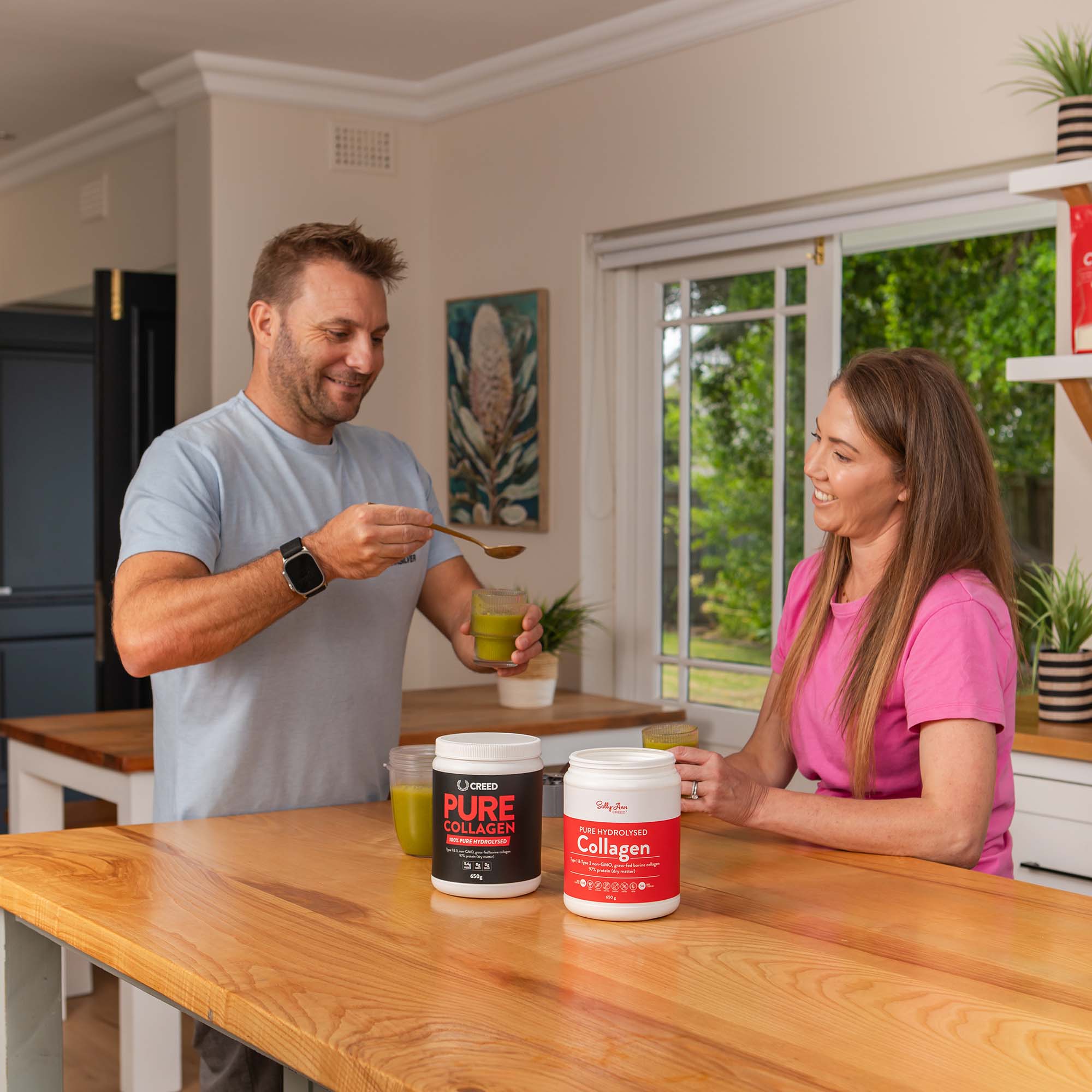
You’re probably wondering why we have two different kinds of oral magnesium – the powdered Magnesium Citrate vs Magnesium Chelate Premium. Apart from the fact that some people like powders and others like capsules, there are some subtle differences. Firstly, these two forms of magnesium are both known as “chelates”. In nature, elemental magnesium is always attached to another compound or ‘bonded’ to it – when magnesium is bonded to an organic compound such as an amino acid, it’s known as a chelate. Magnesium citrate is a chelate of magnesium and natural citric acid. Magnesium Chelated Premium is bonded to the amino acid glycine so it could also be called magnesium glycinate. Both these forms of magnesium are superbly absorbed, while some of the other forms are poorly absorbed. Magnesium is responsible for THOUSANDS of biochemical processes in your body, so we can all benefit from more magnesium. It is one of the most important minerals we can take, and it is also one of the safest. It is the 5th most common dietary mineral, and the second most common electrolyte in the body. Here are some of magnesium’s key roles: Energy production Nerve transmission Bone formation Heart rhythm Muscle contraction Blood sugar control Getting too little magnesium can cause health problems, including difficulty falling asleep, anxiety and fatigue. Of greater concern, long term magnesium deficiency has been linked to chronic health conditions such as diabetes and cancer. Getting enough magnesium through diet or supplementation can potentially cure, alleviate or prevent many common health issues. Here’s where magnesium can make a massive difference to your life, if you struggle with any of these areas: Insomnia – especially if diabetic (type 1 or 2) – improves sleep quality Headaches and migraines – very effective at alleviating/eliminating them Constipation – excellent treatment for this condition Anxiety – very effective if deficient Cramps – prevents and treats cramp of all kinds Joint pain – beneficial if deficient Weight loss – evidence suggests it balances blood sugar and therefore facilitates weight loss There are dozens of kinds of magnesium, but we stock three for their excellent properties: Magnesium Citrate Powder (powder) – very good for constipation, cramps, good absorption, safety, Chelated Magnesium Premium (capsules) – bonded to glycine noted for it’s calming effects especially if anxious Luxury Bath Salts – magnesium sulphate and sea salts to put into your bath or a foot bath, well absorbed through the skin for a calming effect, relaxation and sleep plus all the other beneficial properties of magnesium Sometimes it’s good to get magnesium any which way you can, and you may need it orally and topically to get enough. Magnesium is also vital for calcium absorption into the bone (BUT even more so is Vitamin D3 & Vitamin K2, so take these 3 TOGETHER for strong bones). Things which interfere with the uptake of magnesium: Proton Pump Inhibitors (PPIs) or antacids and medication for ulcers, gastritis, reflux, GERD etc. These severely inhibit magnesium, and if you are on any of these you need to aggressively address a magnesium deficiency – perhaps with several forms of magnesium, especially if you find you are suffering from headaches or insomnia. Low vitamin D status contributes to magnesium deficiency by reducing magnesium absorption. In turn, magnesium deficiency has been shown to reduce the effectiveness of vitamin D in performing some of its roles. Clearly these two MUST go together – and when taking vitamin D, vitamin K2 is paramount. Too much zinc can interfere with magnesium uptake – don’t overdo the zinc Too little protein from animal products in the diet (you should get more than 50 grams a day) can contribute to an inability to both absorb and retain magnesium. You need to get enough animal protein daily to make the most of your magnesium. We hope this has helped you! A great “strong bones, strong heart” formula then would be the following: 1. Magnesium Chelate Premium (or one of the other kinds of magnesium mentioned above) 2. Vitamin D3 – 1 per day anytime 3. Vitamin K2 Premium – 1 per day anytime (100ug MK-7) 4. Our Pure Hydrolysed Collagen powder – 2 tablespoons per day Add in one or more of the other magnesium forms to make sure you get enough magnesium – it is generally poorly absorbed, so we have to work hard at getting enough from our diets (mainly leafy greens), supplements and topical application. Go to our shop here for all these specialised supplements.
Read more
Do you suffer from Rosacea?
Rosacea is a really nasty skin disorder affecting the curves and features of the centre of the face. It is often called acne rosacea. It’s generally characterised by one or more of the following: Light to heavy facial flushing (erythema) which can be transient or permanent Papules and pustules Telangiectasia – threadlike red lines or patterns that cross the face Rhinophyma – where the nose thickens and becomes bulbous Women of 30-50 are most often victims of this condition, and find it frustrating and embarrassing to deal with for obvious reasons. Allopathic treatments like cortisone and antibiotics are often used to treat it, but this doesn’t solve the problem in the long term. While its cause is supposedly unknown there are a number of factors which are known to trigger it including: Leaky gut syndrome (your gut flora are responsible for more than you know!). This one is the most obvious of all A mite that lives on the skin Poor diet and fizzy drinks Sugar/insulin dysregulation Auto-immunity Low immune status Various pathogenic bacteria living in the gut Helicobacter pylori (a germ that lives in the stomach) Some fungal infections (gut and on the skin) Alcohol is a known trigger if you are genetically predisposed Sometimes rosacea appears in people with autoimmune conditions like Rheumatoid Arthritis, Diabetes type 1, multiple sclerosis, Crohn’s, ulcerative colitis and celiac disease, and is sometimes considered an auto-immune condition. However the ‘cause’ which makes the most sense, and where we’ve seen the best results, is in treating the gut and using supplements. Dysbiosis and gastrointestinal disorders in people lead to increased prevalence of the problem, and almost everyone we’ve ever seen with rosacea has leaky gut. Once this is addressed, the problem can be very efficiently controlled with a few basic nutrients. Natural treatments Clearly the GUT has to be addressed. Pathogenic bacteria may be assessed via a sophisticated stool test if you can afford it (not your regular lab). But if you don’t want to do this there is plenty you can do on your own. Some of these measures include: Dietary modification: this is absolutely essential if you want to beat it! NO more seed oils, margarine, gluten, dairy products other than butter, sugar, fructose, fizzy drink, alcohol, soya or processed food. Yes, it’s hard to start with, but so worthwhile Include healthy meats, eggs and other animal protein from grass-fed humanely reared animals. B12 is a KEY nutrient in dealing with rosacea. Get it from animal protein first and foremost. Eat more liver and eggs for vitamin A (vitamin A is only found in the animal kingdom and is not efficiently converted from beta-carotene to vitamin A in the body). This is one of your main ‘skin’ nutrients. Make sure your sugar and insulin levels are normal and that your homocysteine is low (blood tests will confirm this). Take a very good probiotic – MaxiProbiotic is an excellent one (from our online store) Take a good PREbiotic too – like MaxiPrebiotic – to allow effective implantation of probiotics – this takes time, and you need to keep up addressing the gut Take a good Vitamin B12 (methylcobalamine) under the tongue – every day Take a good B Complex daily as well – many B vitamins are missing in this condition and the condition responds well to a good B complex Make sure you are NOT trying to ‘alkalise’ your body! Forget the pH myth – it won’t do you any favours Pure Hydrolysed Collagen has a remarkable effect on skin MaxiMSM is also known to make a huge difference to the skin in a short time like collagen Zinc is a skin-specific nutrient and also encourages stomach acid production, and regulates insulin production. It is a fundamental nutrient in cell-mediated immunity and is an anti-inflammatory. Magnesium citrate is good for a number of things, but in this case for regulation of blood sugar if your problem is in this area – high blood sugar and insulin are VERY inflammatory and will drive this condition out of control Take 1000iu Vitamin D3 daily (make sure it’s D3 and not D2) – excellent for skin and has been shown to be effective in both rosacea treatment and autoimmune diseases. Direct sunlight can irritate rosacea, so in this case a supplement is much better than the sun itself Omega-3 fish oil has been shown to help in dealing with the inflammation of rosacea as it acts by competitively inhibiting pro-inflammatory pathways – take a higher dose than usual if your skin is very greasy All of the above are available from our online store here.
Read more
Our Guide on HOW to Drink Alcohol
Many people have asked us to write about HOW to Drink Alcohol, so here goes. We don’t drink much alcohol at all—we value our liver too much to overindulge, but we also don’t judge others who can handle it a lot better than we can, so we’re not being ‘holier than thou’ here—we just don’t feel good when even a little tipsy. That being said, please bear in mind two things here: We do NOT want to spoil your fun, but it would be remiss of us not to point out the health concerns about alcohol, and There is no easy way to sugar-coat this – alcohol is a toxin/poison. Now that we have established that, let’s look at how to minimise damage during ‘party time’. FATS ARE PART OF IT It’s really important to bear in mind that if you’re exposed to a lot of omega-6 polyunsaturated fats (as in margarine, canola oil, flaxseed oil, grape-seed oil, sunflower oil, chips at restaurants – junk fats in processed food), you will have increased liver damage in response to alcohol. Stable fats like butter, coconut oil and animal fat protect against liver damage, and these are way more preferable to the damaged ones. Let’s be honest, liver damage is inevitable with junk fats anyway, but the damage will be exacerbated by alcohol. Moral of the story: don’t eat junk fat, and of course—always limit alcohol. So you have been invited to a big dinner party, wedding celebration, and you don’t want to be a party-pooper, but want to fully ‘take part’ – well here are some ideas to help you do the least damage to your precious liver along the way. BEFORE THE PARTY Take extra antioxidants such as a glutathione precursor, or straight glutathione sachets, and add in at least 1000mg of vitamin C. Glutathione is the most important antioxidant when it comes to metabolising alcohol. NAC as a precursor will work best with vitamin C as you enable the body to make glutathione from this concoction. When people are dangerously intoxicated, intravenous glutathione is used in hospitals to prevent death. Magnesium is another good nutrient to take—200-400mg of magnesium is advised as alcohol depletes magnesium; that’s why you often get leg cramps in the wee hours after a party. Have either some liver, a few eggs or a few egg yolks. These provide you with precious choline which your liver will use up very quickly if drinking alcohol. It’s excellent preparation for the party. Alcohol metabolism relies heavily on choline stores and to be extra sure, you could also take a choline supplement. Choline is also one of the ways to treat a fatty liver (usually brought on by alcohol). Choline is so powerful it’s said to protect a foetus in the womb against the effects of alcohol. However please don’t EVER drink alcohol if you are pregnant or think you might be. Just before you leave for your dinner party, take a tablespoon of coconut oil. If you have none of this, then extra virgin olive oil or extra virgin avocado oil will do. This protects against alcohol-induced oxidative stress while the healthy fats protect against alcohol-induced liver injury. The oil also coats the stomach lining and reduces alcohol absorption there. Alcohol is one of the few things absorbed by the stomach so slowing its absorption allows the liver to neutralise its effects without being overwhelmed. Apart from the eggs/egg yolks try to eat a light meal so that you have food in your stomach before ingesting any alcohol—this is so And please add salt to your food too – this way you will prevent the conversion of alcohol into the highly toxic acetaldehyde which forms and completely overwhelms your body’s antioxidant defence. Just don’t EVER drink on an empty stomach, E.V.E.R. Here’s one you’ll like! Have a few squares of very dark chocolate. The polyphenols in chocolate may help a little to prevent liver injury. If you can squeeze in some turmeric, ginger, berries or beets before leaving, this will help to fortify you well against the ethanol too. Another overlooked substance which is enormously protective is collagen. You can get this in powder form (We prefer our grass-fed Pure Hydrolysed Collagen from our online store at sallyanncreed.co.za) as the high glycine content reduces lipid peroxidation and antioxidant depletion. If you can’t afford our collagen which is unadulterated, use gelatine instead – it will have a similar protective action. Lastly, have a cup of green tea – packed with beneficial and protective polyphenols. AT THE PARTY Always choose the best quality alcohol (ie. Organic wine or other alcoholic beverages) – don’t drink rubbish. It’s like eating junk food, only worse. Dilute it with sparkling water – it improves hydration and even improves the taste of red wine. It’s interesting to note that the Romans declared undiluted wine was only for Barbarians! For every glass of alcohol, drink a glass of mineral water or sparkling water with a pinch of salt. Preferably only have one glass, but if you do have more, have a glass of water in between each glass. Women usually have smaller bodies than men so an equivalent amount of alcohol in a man is diluted by his larger body fluid volume whereas the smaller women with a smaller body fluid volume will feel the effects of the alcohol more as it is less diluted so women generally can become more intoxicated than men drink for drink. Drinking water with, or between drinks, will help both men and women for its diluting effect. Try to ALWAYS have alcohol WITH food. AFTER THE PARTY Mix ½ teaspoon of Himalayan pink salt, the juice of one lemon, ½ – 1 teaspoon honey and a good large glass of water together – it can be mineral water or coconut water. Drink this around ½ to 1 hour before bed. Alcohol has a diuretic effect meaning it makes you produce more urine than necessary so alcohol dehydrates you. Take a magnesium supplement of at least 200mg, more if you are used to taking more. Eat a spoon of macadamia nut butter Alcohol is an anaesthetic and will make you tired. However it will also wake you up in the middle of the night or very early in the morning. Usually you will awaken with ‘droogies’ or extreme thirst from its dehydrating diuretic effect. Take a 3mg melatonin tablet with a large glass of water as alcohol reduces melatonin secretion – it will help you sleep through, is totally natural and also reduces alcohol-induced oxidative stress. THE MORNING AFTER THE NIGHT BEFORE If you are not feeling wonderful – which you should if you have not overdone it and if you’ve followed the suggestions above, then try these added recommendations: Make up another batch of lemon, Himalayan salt, water ec. that you would have had last night. Have eggs for brekkie. Have a brisk walk and then a hot shower followed by a cold shower blast. It’s not necessary to drink when you go to a party—sparkling water is fine and looks like vodka. People will think you are drinking anyway. However, there are some celebrations which you may wish to partake in. An outing with friends, a wedding, Christmas, New Years’ day etc. Try to keep the celebrating to a minimum and if possible no more than one glass. Many people (especially Paleo enthusiasts) don’t touch alcohol so you’ll be in good company if your friends are Paleo people. But if you wish to indulge do so mindfully and don’t over-do it. Cheers!
Read more
Hair today, gone tomorrow
Mmm, not funny when you have hair loss or thinning hair. There are a lot of complex mechanisms at work here, but some of you can deal with it to stop the process worsening and in fact give you back that lovely full head of hair. Hair loss can be a simple thing – like a protein deficiency or iron deficiency – but there could also be genetic and hormonal components too. Start by addressing the things you can – here are some ideas if you are experiencing hair loss – remember though, it will take several months to see any difference as hair takes a months to grow. It should at least halt the loss in the first few weeks, while new hair begins to grow. 1. Eat enough animal protein as in meat, eggs, fish etc. Protein deficiency is one of the most obvious reasons for hair loss. We recommend supplementing with collagen. Our Pure Hydrolysed Collagen is the best you can get and works wonders for your hair. 2. If you are on blood thinners, you will find your hair will thin – speak to a health professional about an alternative safe blood thinner 3. Stop smoking if you smoke, as this affects arteries taking blood to the hair follicles (and damages the heart, lungs and brain too) 4. Have a ferritin blood test – you could be iron-deficient. Don’t ever take iron unless you are deficient – it is not a safe mineral to gaily take too much of 5. Use fish oil daily – 3 x softgels. Omega-3 DHA & EPA from fish oil is a powerful way to stop the damage and is one of the top nutrients for helping to keep a full head of hair. Studies show an increase in active hair follicle percentage and diameter distribution of hair over a 6 month period. Also eat more wild-caught salmon. 6. Zinc effectively treats telogen effluvium and alopecia areata – both forms of hair loss because zinc benefits the health of the hair follicle. It also prevents follicle regression and accelerates hair follicle recovery. Another reason beef is so good for you – it is a rich source of zinc. 7. B Complex (a GOOD one) is very important – especially if you are stressed. 8. Biotin is well known as a powerful help for hair growth and is used a lot to prevent further loss. A major sign of biotin deficiency is hair loss, especially during pregnancy. 9. Pantothenic Acid also known as vitamin B5 – has been used as alternative hair loss treatments for ages. In fact pantothenic acid is a natural alternative to cortisone, so it’s an anti-inflammatory agent and at one a day is very affordable. It prevents hairs splitting and breaking, it also increases the diameter of the hair, thickening it and increasing pliability to withstand force, so it doesn’t break. Foods which will provide biotin and pantothenic acid include eggs, beef, chicken, avocado and some nuts. 10. Vitamin C prevents cellular damage to DNA, lipids, proteins and prevents oxidative stress. All these affect hair, so we can never have too much vitamin C! I suggest Super Cee, Liposomal or Lipospheric Vitamin C, Ester C or Scorbi Cee – all of which you’ll find in my online store – any and all vitamin C is crucial for keeping your hair. 11. Vitamin D3 – both a hormone and a vitamin – is important too as hair follicles are very sensitive to hormones. Alopecia areata is common in people with a vitamin D deficiency. Vitiligo is also common in those with a D deficiency. A supplement is highly recommended, but also eat fatty fish like halibut, mackerel and salmon. WHAT SLOWS HAIR GROWTH? In women the most common cause is nutritional before the age of 50. Lack of animal protein, depleted iron stores and after 50, hormonal changes. In general though, these are some of the most common reasons for hair growth inhibition: • Poor nutrition (often too little protein), junk food • Alcohol and cigarettes/vaping • Hormonal changes • Family history – genes • Medications • Pregnancy and breastfeeding (if you are undernourished) • Radiation therapy • Thyroid disorders • Anaemia • Autoimmune diseases • Polycystic Ovary Syndrome (PCOS) • Psoriasis and seborrheic dermatitis • Dramatic, fast weight loss (especially if it’s a poor diet) • Too little fat in the diet • Physical trauma/stress of any kind • Lack of collagen A word on COLLAGEN here: Collagen has long been used to support hair, skin, muscle, cartilage, ligament, and blood-cell regeneration. What makes it so special is its essential amino acid profile: glycine, lysine, and proline help regulate cell growth – every cell of the body, including the hair follicles, that’s why people report how thick their hair becomes on collagen supplementation. The best way to add collagen to your diet is by using our non-GMO, grass-fed Pure Hydrolysed Collagen which is in the form of collagen peptides. This is a flavourless powder which dissolves in cold and hot liquids equally, and is tasteless. It is vastly super to traditional protein powders and blends and will give you swift results. We put mine ours in our morning cup of coffee – it makes it super-creamy! To make it easier for you, all these products are available from our online store here. Hair’s to you!
Read more
The different types of stress
Our bodies are wonderfully and beautifully made. They are also incredibly complex systems. When something disrupts your body’s balance, it causes stress. The things that cause stress are called stressors, and how your body reacts to them is called the stress response. This response involves your nervous, hormonal, and immune systems working together. When faced with stress, your body prepares to deal with the challenge by activating certain systems, like the sympathetic-adreno-medullar (SAM) axis and the hypothalamic-pituitary-adrenal (HPA) axis. The stress response is helpful when facing immediate threats, such as trauma or surgery, as it helps protect the body from further harm. However, if the stress is intense, frequent, or lasts a long time, the response can become harmful. Long-term stress can lead to issues like depression, anxiety, memory problems, and heart disease. Not all stress is bad. Positive stress, known as eustress, can be enjoyable and motivating. It boosts energy, improves heart health, increases endurance, and sharpens thinking. On the other hand, distress is harmful and has negative effects on the body and mind. There are different types of stress: Acute: Short-term stress from immediate challenges such as getting a fright, or dropping your freshly-cooked bacon on the floor! It causes temporary physical changes like a faster heart rate and a rush of adrenaline. Chronic: Long-term stress from ongoing problems, such as financial pressure, or worrying about your job, which can lead to serious health issues like heart disease, anxiety, and depression. Episodic Acute: Frequent short-term stress from a hectic lifestyle, often leading to health problems and difficulties in daily life. Traumatic: Stress from traumatic events like natural disasters or violence, which can cause symptoms of PTSD, such as intrusive memories and heightened alertness. Environmental: Stress from challenging surroundings, like noise, pollution, or unsafe living conditions, which can harm physical and mental health Psychological: Stress from emotional or mental factors, such as work pressure, academic expectations, or negative thoughts, leading to anxiety and worry. Physiological: Stress from physical issues, like illness, injury, lack of sleep, or poor nutrition, which affect overall health and well-being. Both short term and long-term stress can lead to a variety of symptoms, but chronic stress can take a serious toll on the body over time and have terrible long-lasting health effects. Some common signs of stress include: Changes in mood Difficulty sleeping (this is very common) Digestive problems Grinding teeth Muscle tension, especially in the neck and shoulders Physical aches and pains Stress is not a distinct medical diagnosis and there is no single, specific treatment for it. Treatment for stress focuses on changing the situation, developing stress coping skills, implementing relaxation techniques, and treating symptoms or conditions that may have been caused by chronic stress. Medication may sometimes be prescribed to address some specific symptoms that are related to stress. Such medications may include sleep aids, antacids, antidepressants, and anti-anxiety medications. We prefer approaches such as? acupuncture, aromatherapy, massage, yoga, and meditation. We prefer the natural approach, and only turn to supplements like Calm when we need some extra help. Recognising common signs of stress, such as mood changes, difficulty sleeping, digestive problems, and muscle tension, is important for early intervention. Although stress is not a medical diagnosis, effective management involves changing stressful situations, developing coping skills, and utilizing relaxation techniques. Therapy, medication, acupuncture, massage, and yoga, can help reduce stress levels and improve overall health. By addressing stress proactively, we can all mitigate its harmful effects and enhance our quality of life.
Read more
3 change-of-season flu & virus toolkits
We are now officially entering a change of season world wide – either going into Autumn or Spring, depending in which hemisphere you live. Even the healthiest people seem to fall prey to the sniffles, respiratory and gut viruses, and a host of other miseries at this time of year. Gut bugs, body aches, headaches, ear aches, sore throats and even old viruses like Shingles can spring up at this time of year. Be prepared! We want to give you a basic “Change of Season Toolkit” here – in fact THREE toolkits – one for staying healthy, and another one for IF/WHEN the virus/flu hits to scare it off, and a third for if it ‘gets’ you. So we’re sharing what we do personally. 1. Remaining healthy Vitamin C. We recommend Scorbi-Cee, Super Cee or EsterVit C. We like both Super Cee and Scorbi-Cee powders because you can stir them into water and sip these throughout the day. Squeeze an orange in if you don’t like the tartness. Put 2-3 spoons into 1-2 litres, and sip this all day. MaxiProbiotic 20. If you like capsules, MaxiProbiotic is great. Ensure you take them every day to keep your gut healthy. 1000iu of Vitamin D3 tablets or drops daily This will “hold” a healthy person during even the worst seasonal changes. Don’t forget to eat well!! 2. When you feel like you’re starting to get sick: Ok, so you didn’t dodge the bugs, and you have a scratchy throat, headache etc. The MOMENT this starts, HIT IT HARD so that it will last only a few hours to a few days and not drag on for weeks or months as it can do! We all know what fun that can be…. INCREASE your Vitamin C to 4-5 times or more the dose you are used to. We take 1-2 grams every hour for as long as we feel bad, and then add one more day before dialling it down to 2-4g a day. Continue using your MaxiProbiotic 20. This kills bugs in the gut where they take hold. You can dramatically increase your vitamin D3 for a few days to a week, particularly if your levels are very low. Take 2-4 a day for several days – a powerful immune stimulant. Then revert to one a day when feeling better. Berberine Complex – not only is this brilliant for blood sugar control, but what many people don’t know is that it is a natural antibiotic too! This will prevent opportunistic bacteria from causing a secondary infection. Take one a day 3. If the ‘lurgy’ gets you and you’re now sick: Continue on Vitamin C at a high dose. (In fact as much of the above regimen as you can afford and/or stand) It’s always good to jump in as fast as you can of course – the sooner you start treating yourself the better it will be. Add Olive Leaf Extract 2 caps 3 x a day MaxiProbiotic – take twice as much for a week Bone broths now are important – drink all day and remain hydrated Try to stay quiet and rest during this time – DO NOT EXERCISE as you can damage your heart valves. Wait till you are better.
Read more
What is an immune system?
The immune system has a vital role to play. It protects your body from harmful substances, germs and cell changes that could make you ill, and is made up of various organs, cells, and proteins. If your immune system is running smoothly, you don’t even notice that it’s there! Without an immune system, we would have no way to fight harmful things that enter our body from the outside or harmful changes that occur inside our body. Some germs, like chickenpox, will only make you sick the first time you encounter them. Others come back often, causing our bodies to keep fighting them off. We’re looking at you, rhinovirus!! This is where our immune system comes in. The main task of the body’s immune system is to fight disease-causing germs (pathogens) like bacteria, viruses, parasites, or fungi, and to remove them from the body. It also recognises and neutralises harmful substances from the environment, and fights disease-causing changes in the body, such as cancer cells. The immune system is usually activated by things that the body doesn’t recognize as its own—antigens. Examples of antigens include the proteins on the surfaces of bacteria, fungi and viruses. When these antigens attach to special receptors on the immune system cells, a whole series of processes are triggered in the body. Once the body has met a disease-causing germ for the first time, it usually stores information about the germ and how to fight it. Then, if it comes into contact with the germ again, it recognizes the germ straight away and can start fighting it faster. The body’s own cells have proteins on their surface, too. But those proteins don’t usually trigger the immune system to fight the cells. Sometimes the immune system mistakenly thinks that the body’s own cells are foreign cells. It then attacks healthy, harmless cells in the body. This is known as an autoimmune response. There are two subsystems within the immune system, known as the innate (non-specific) immune system and the adaptive (specific) immune system. Both subsystems are closely linked and work together whenever a germ or harmful substance triggers an immune response. The innate immune system provides a general defence against harmful germs and substances, so it’s also called the non-specific immune system. It mostly fights using immune cells such as natural killer cells and phagocytes (“eating cells”). The main job of the innate immune system is to fight harmful substances and germs that enter the body, for instance through the skin or digestive system. The adaptive immune system makes antibodies and uses them to specifically fight certain germs that the body has previously come into contact with. This is also known as an “acquired” (learned) or specific immune response. The immune system stands as the guardian of our health, defending our bodies against an array of threats. From the smallest invading pathogens to the insidious changes within, it stands ready to neutralize and eliminate anything that could harm us. The intricate interplay of organs, cells, and proteins orchestrates a symphony of defence mechanisms, ensuring our well-being even in the face of novel challenges. Through the innate and adaptive subsystems, it adapts and learns, building a repository of knowledge to confront future threats with swiftness and precision. Without this complex and vigilant system, our bodies would be defenceless against the constant barrage of dangers from within and without. https://www.ncbi.nlm.nih.gov/books/NBK279364/#:~:text=The%20immune%20system%20has%20a,t%20notice%20that%20it’s%20there.
Read more