Articles

Do you suffer from alopecia?
Losing one’s hair due to alopecia is a scary and often shameful experience. First off, there is NOTHING to be ashamed of! So many of us suffer from hair-loss in various forms, but the good news is that there are solutions available to all of us! First, let’s unpack androgenetic alopecia, commonly known as pattern baldness. It affects millions of individuals worldwide, impacting both men and women. This condition, characterised by progressive hair loss, is deeply rooted in genetics and hormonal factors, making it a challenging issue to address. However, recent research suggests that collagen plays a significant role in managing androgenetic alopecia and promoting overall hair health. The genetic and hormonal basis of androgenetic alopecia Pattern baldness, or androgenetic alopecia, is primarily determined by genetic predisposition and hormonal factors. It is characterised by a heightened sensitivity of hair follicles to dihydrotestosterone (DHT), a hormone derived from testosterone. This sensitivity leads to the gradual shrinking of hair follicles, resulting in shorter and finer hair growth cycles. Over time, affected follicles may cease to produce visible hair, leading to noticeable baldness. Both men and women can experience androgenetic alopecia, although the pattern and progression of hair loss tend to differ between the sexes. In men, hair loss typically begins with a receding hairline and thinning at the crown, eventually leading to baldness in these areas. On the other hand, women usually experience diffuse thinning throughout the scalp, with the hairline remaining intact. The role of collagen in hair health Collagen is the most abundant protein in the human body, providing structural support to various tissues, including the skin, bones, and hair. In the context of hair health, collagen plays a crucial role in maintaining the strength and elasticity of the hair shaft, as well as supporting the structure of the hair follicle. As we age, the production of collagen naturally declines, which can contribute to various signs of aging, including hair thinning and loss. Additionally, factors such as poor diet, stress, and environmental damage can further deplete collagen levels, exacerbating hair-related issues. Emerging evidence suggests that collagen supplementation may offer benefits for individuals dealing with androgenetic alopecia and other forms of hair loss. Collagen peptides, derived from animal sources such as bovine or marine collagen, contain amino acids that are essential for supporting hair structure and growth. Studies have shown that collagen supplementation can promote hair growth by increasing the diameter of individual hair fibres, improving hair texture, and stimulating hair follicle regeneration. Additionally, collagen’s impact on DHT involves supporting hair follicle health, potentially inhibiting enzymes like 5-alpha-reductase involved in DHT production. Improved follicle health may reduce hair loss associated with DHT. Incorporating collagen into your hair care routine If you’re dealing with androgenetic alopecia, or simply want healthier, fuller-looking hair, incorporating collagen into your daily routine is a must! Our Pure Hydrolysed Collagen is tasteless and odourless, which makes adding it to your daily routine easy. You should complement your collagen intake with a balanced diet rich in nutrient-dense foods, including fruits, vegetables, lean proteins, and healthy fats, to support overall hair health. Androgenetic alopecia is a complex condition influenced by both genetic and hormonal factors, making it challenging to manage effectively. However, by understanding the role of collagen in hair health and incorporating collagen supplementation into your routine, you will be able to support hair growth and hopefully fight off pattern baldness.
Read more
Collagen in Menopause
Menopause is a natural phase in a woman’s life marked by hormonal changes and associated symptoms. As you approach this transformative period, it’s essential to embrace the transition with knowledge and adopt strategies that support your well-being. In this guide, we’ll explore the intricate relationship between menopause and collagen, offering valuable insights and practical tips for a graceful journey through this stage of life. Understanding Menopause: In menopause, the ovaries ‘pause’ their output of oestrogen but there are other pauses during this time to consider. There is simultaneously a pause in the androgenic hormones. Sometimes referred to as ‘change of life’, menopause signals the end of a woman’s reproductive cycle and is diagnosed once a woman has not had a menstrual cycle for 12 consecutive months – this change occurs because of the ovaries producing less of the hormone oestrogen, and results in several menopause-related symptoms. Menopause involves a decline in oestrogen levels, impacting various hormonal processes. This transition occurs in three stages: Perimenopause: The period leading up to menopause and the 12 months following the last menstrual cycle. Menopause: Commencing 12 months after the last menstrual period, naturally or due to ovary removal. Post menopause: The period following menopause. As women transition through menopause, hormonal fluctuations can significantly impact various aspects of health, especially weight management. One of the key hormones to regulate during this time is insulin. Insulin, often associated with blood sugar control, also plays a role in fat storage. It’s crucial to maintain insulin balance because excessive carbohydrate intake can lead to insulin resistance, causing carb cravings, increased appetite, and potential fat storage, especially in the abdominal area. Cortisol, the primary stress hormone, can wreak havoc during menopause. With significant hormonal shifts and the stressors commonly experienced during this time, cortisol levels may become imbalanced. Chronic elevation of cortisol can contribute to weight gain and other symptoms, including adrenal fatigue. Thyroid hormones, responsible for controlling energy levels and metabolic rate, are pivotal for a healthy menopause. Any imbalance in these hormones can result in decreased ability to use stored fat for energy, leading to weight gain. Leptin, a hormone produced by fat cells, signals to the brain when you’ve had enough to eat. However, just like insulin resistance, leptin resistance can occur, causing increased hunger and overeating. Certain dietary factors, such as fructose and fizzy drinks, can contribute to both leptin and insulin resistance. The “thyropause” is a real phenomenon where the thyroid tends to slow down as individuals age. This hormonal shift, coupled with the hormonal changes during menopause, can reveal latent thyroid diseases. Similar to the thyroid, there’s a concept known as “hepatopause”, where the liver struggles to regulate fuel properly. An unhealthy liver, often a result of excessive consumption of soft drinks, sugar, and carbs, can lead to fatty liver disease. This condition hinders the liver’s ability to burn fuel correctly, contributing to weight gain. Understanding these hormonal intricacies is essential for managing weight and overall health during menopause. Adopting a holistic approach that includes eating clean, nutritious food, stress management, and supplementing where necessary can contribute to a smoother transition. Menopausal hormonal shifts, including decreased testosterone and DHEA, can influence weight distribution, particularly around the abdominal area. Managing insulin, cortisol, and other hormones becomes crucial for maintaining a healthy weight. Nutritional Guidelines for Menopause: Carbohydrate Awareness: Carbohydrates can affect insulin sensitivity, leading to increased fat storage. Limit intake of bread, sugar, alcohol, and dairy to support weight management. Wholesome Nutrition: Opt for real, unprocessed foods to combat fatigue and maintain energy levels. The cleaner the better. Grass-fed butter, organic free-range eggs, and home-grown veggies are absolutely essential! Prioritise a diet rich in organic vegetables, grass-fed meat, and fats. Thyroid and Hormonal Health: Ensure adequate thyroid hormone levels for energy production and metabolic rate regulation. Stress Management: High stress levels contribute to cortisol imbalance. Prioritize self-care to manage stress and prevent weight gain. Hormonal Shifts and Oestrogen: As oestrogen declines, cortisol and insulin may elevate. Implement lifestyle changes to support hormonal balance. Collagen and Menopause: Customer testimonials suggest that pure hydrolysed collagen may alleviate menopausal symptoms, including hot flashes. Menopause, a natural transition marking the end of a woman’s reproductive phase, brings with it a myriad of physical and hormonal changes. Amidst this transformative journey, collagen emerges as a valuable ally, offering a range of benefits that can significantly enhance the well-being of women during menopause. Menopause often brings about joint pain and stiffness, impacting mobility and overall comfort. Collagen, a key component of connective tissues, cartilage, and bones, plays a crucial role in maintaining joint health. Supplementing with collagen may alleviate discomfort, promoting flexibility and ease of movement during this phase. Collagen is renowned for its role in maintaining skin elasticity and hydration. As estrogen levels decline during menopause, collagen production may decrease, leading to sagging skin and the formation of wrinkles. Collagen supplementation can support the skin’s structural integrity, promoting a more youthful complexion and combating the visible signs of aging. Hot flashes and night sweats are hallmark symptoms of menopause, disrupting sleep and daily activities. While research is still ongoing, some women report a reduction in the frequency and intensity of hot flashes with collagen supplementation. The exact mechanisms are not fully understood, but collagen’s influence on hormonal balance and its impact on overall well-being may contribute to this positive effect. Collagen’s amino acid profile includes glycine, which plays a role in liver detoxification and hormonal regulation. Maintaining hormonal balance is crucial during menopause, and collagen’s supportive role in liver function may indirectly contribute to this balance. Changes in hormonal levels during menopause can affect hair and nail health. Collagen, rich in amino acids like proline and lysine, provides the building blocks necessary for healthy hair and nails. Users have reported improvements in hair thickness, strength, and nail quality with regular collagen supplementation. Menopause can sometimes bring digestive challenges, such as bloating and changes in bowel habits. Collagen supports gut health by promoting the integrity of the gut lining and aiding in the repair of damaged tissues. This may contribute to digestive comfort and overall well-being during menopause. Oestrogen decline during menopause has been linked to cognitive changes. While more research is needed, collagen’s potential impact on brain health is an area of interest. Some studies suggest that collagen may have neuroprotective properties, possibly supporting cognitive function. In addition to collagen, several other supplements prove beneficial during menopause, addressing various aspects of health. For digestive well-being, incorporating organic vegetables and probiotics helps maintain a healthy digestive system, supporting overall wellness. When considering supplements for menopause, the following options are noteworthy: Magnesium Citrate aids in supporting blood sugar balance and reducing abdominal size, addressing common concerns during menopause. Omega-3 fish oil is beneficial for weight management, improving body composition, and enhancing mood. Omega-3 Fish Oil emerges as a valuable supplement for women navigating the challenges of menopause. Glutamine is known for its diverse benefits, Glutamine helps reduce cravings for sugar, alcohol, and tobacco. Additionally, it supports insulin sensitivity and aids in fat burning, contributing to overall metabolic health during menopause. Berberine is recognised for its ability to normalise blood sugar levels, Berberine plays a crucial role in promoting overall metabolic health during the menopausal transition. By incorporating these supplements into your daily routine, you can address specific aspects of menopausal health, promoting a holistic approach to well-being during this transformative phase. Embarking on the menopausal journey requires a holistic approach that encompasses nutrition, lifestyle, and targeted supplements. By understanding the intricate interplay of hormones and adopting these guidelines, you can navigate menopause with grace, supporting your well-being and embracing this natural phase of life. Remember, these recommendations are general guidelines, and individual responses may vary. It’s advisable to consult with a healthcare professional for personalized advice tailored to your specific health needs. References: Teede, H., Deeks, A., Moran, L., & Moran, L. (2019). Polycystic ovary syndrome: a complex condition with psychological, reproductive and metabolic manifestations that impacts on health across the lifespan. BMC Medicine, 17(1), 41. Santoro, N., & Randolph, J. F. (2011). Reproductive hormones and the menopause transition. Obstetrics and gynecology clinics, 38(3), 455–466. Mauvais-Jarvis, F. (2011). Estrogen and androgen receptors: regulators of fuel homeostasis and emerging targets for diabetes and obesity. Trends in endocrinology and metabolism: TEM, 22(1), 24–33. De Sousa, R. F., Gurgul-Convey, E., & Holsboer, F. (2015). Lessons from genetic rodent models of HPA axis regulation. Cellular and molecular neurobiology, 35(1), 71–84. Duntas, L. H. (2015). Environmental factors and thyroid autoimmunity. Annals of the New York Academy of Sciences, 1340(1), 25–33. Kim, D., Kim, W. R., Kim, H. J., Therneau, T. M., & Association, A. P. (2019). Association between noninvasive fibrosis markers and mortality among adults with nonalcoholic fatty liver disease in the United States. Hepatology, 69(5), 1755–1765.
Read more
Benefits of Maxi-MSM
In the world of nutritional supplements, MSM, or Methylsulphuronylmethane, has been gaining increasing attention for its diverse health benefits. This naturally occurring organosulphur compound is taking the wellness community by storm, with research shedding light on its potential to support joint health, skin vitality, and overall well-being. Let’s delve into the world of MSM supplementation, exploring its mechanisms, benefits, and practical considerations. MSM, also known as dimethyl sulphone, is a compound rich in organic sulphur, a vital element for various physiological processes in the body. Found in foods like garlic, onions, cruciferous vegetables, and eggs, MSM plays a crucial role in supporting joint health, skin elasticity, and overall vitality. The body utilises MSM to produce essential compounds, including collagen, immunoglobulins, enzymes, and antioxidants. Mechanisms of Action: Keeping your joints healthy: Research shows that MSM contributes to joint health by enhancing Mesenchymal Stem Cell (MSC) chondrogenic commitment and promoting the formation of pre-osteoblasts. These processes are essential for maintaining robust cartilage and supporting bone health. Individuals dealing with arthritis or joint inflammation may find MSM supplementation beneficial in reducing stiffness, swelling, and improving overall joint flexibility. Rejuvenating your skin: MSM has shown promise in promoting skin health and combating signs of ageing. Its unique ability to enhance skin elasticity, reduce wrinkles, and improve overall skin appearance makes it a valuable addition to skincare routines. The compound’s involvement in collagen synthesis contributes to maintaining youthful and vibrant skin. Allergy Management: For those dealing with allergies, MSM’s anti-inflammatory properties may provide welcome relief. It stabilises cell walls, increasing permeability and elasticity, facilitating the elimination of toxins and allergens. Studies have shown that MSM can control allergic responses, making it a wonderful ally for those suffering from asthma and other allergic conditions. Practical Considerations: Eat the right foods: While MSM supplements are widely available, incorporating sulphur-rich foods into your diet can support the body’s natural production of MSM precursors. Including items like garlic, onions, cruciferous vegetables, and organic, free-range eggs can contribute to maintaining optimal MSM levels. Supplement with only the best: When opting for MSM supplements, it’s crucial to choose high-quality products. Look for reputable brands like ours that undergo third-party testing for purity and effectiveness. Maxi MSM, broken down into smaller, more readily absorbed peptides, is often recommended for enhanced absorption. Dose correctly: As with any supplement, making sure you take the right amount is essential. We recommend taking 5000mg (1 tsp) every day to get the full benefits of this incredible product. Individual requirements may vary, and consulting with healthcare professionals ensures personalised advice based on specific health needs and goals. Supplementing with MSM holds tremendous promise for those seeking to enhance joint health, promote vibrant skin, and manage allergies. By understanding its mechanisms, incorporating it wisely into your routine, and considering the insights from research, you can unlock the potential benefits of this versatile compound. References: Miller L, Thompson K, Pavlenco C, Mettu VS, Haverkamp H, Skaufel S, et al. The Effect of Daily Methylsulfonylmethane (MSM) Consumption on High-Density Lipoprotein Cholesterol in Healthy Overweight and Obese Adults: A Randomized Controlled Trial. Nutrients. 2021 Oct 15;13(10):3620. Guo D, Zhang L, Zhang L, Han S, Yang K, Lin X, et al. Effect of dietary methylsulfonylmethane supplementation on growth performance, hair quality, fecal Microbiota, and metabolome in Ragdoll kittens. Front Microbiol . 2022 ;13. Available from: https://pubmed.ncbi.nlm.nih.gov/35859746/ Muizzuddin N, Benjamin R. Beauty from within: Oral administration of a sulfur-containing supplement methylsulfonylmethane improves signs of skin ageing. Int J Vitam Nutr Res . 2022 ;92(3–4):182–91. Available from: https://pubmed.ncbi.nlm.nih.gov/32083522/
Read more
Collagen for athletes
In the dynamic world of sports and athleticism, your journey is an ongoing pursuit of excellence. We understand the challenges you face, the dedication you bring, and the importance of optimizing your performance while prioritizing recovery. In this blog, we’d like to introduce you to collagen, a versatile ally that goes beyond conventional expectations. You may be familiar with collagen’s traditional role in skin, connective tissues, and bones, but let’s delve deeper into its potential impact on your unique requirements. For those engaged in repetitive, high-impact activities, joint health is a top concern. Collagen takes centre stage here, not just for its potential to enhance joint function but also as a tool to strengthen connective tissues, supporting your journey towards longevity and sustained peak performance. Muscle mass and strength is a common goal among most athletes. Collagen’s amino acid profile, featuring glycine, proline, and lysine, is a key contributor to the foundational elements necessary for muscle synthesis. This is especially crucial when considering the health of tendons and ligaments the integral components for your overall athletic prowess. At the heart of consistent athletic training lies recovery. Collagen peptides hold promise in positively impacting the recovery of connective tissues and muscles. What does this mean for you? Reduced downtime between rigorous training sessions. Quicker recovery translates to more frequent and efficient training, a key determinant of your long-term success. Your gut, often referred to as the “second brain,” plays a pivotal role in your overall well-being, including athletic performance. Collagen steps in by promoting gut health, fortifying the integrity of the gut lining, and aiding in tissue repair. Beyond digestive comfort, this dual-action benefit extends to potentially impacting nutrient absorption. A critical factor as you fine-tune your nutritional strategies. Specific collagen peptides, when combined with targeted exercises, have shown promising results, particularly in individuals dealing with Achilles tendinopathy. Enhanced function and reduced pain are outcomes that underscore the potential synergistic effects of collagen supplementation and targeted exercises, offering hope for those navigating specific challenges. Tendons, responsible for transmitting forces from muscles to bones, hold the key to your athletic performance. Collagen, a cornerstone of tendons, positively influences their composition and mechanical properties, contributing to improved performance and reduced injury risk. Your tendons’ integrity is a foundational aspect that we recognize and prioritize. Practical integration of collagen into your regimen involves thoughtful choices. Opt for high-quality supplements – like our Sally-Ann Creed Pure Hydrolysed Collagen. It’s 100% pure, grass-fed, non-GMO bovine collagen. This natural blend of Type 1 & 3 collagens is perfect for athletes. Adding collagen strategically to your post-workout routines can be an absolulte game-changer! Always consult with healthcare professionals or dietitians for personalized advice based on your individual needs and goals. As you embark on your journey to peak performance, consider collagen as a versatile ally. Scientific insights show benefits across various aspects of your athletic well-being. We recognize that individual responses may vary, highlighting the importance of making informed choices aligned with your unique requirements. In collaboration with healthcare professionals, integrating collagen into your toolkit holds the promise of unlocking new levels of resilience, recovery, and enduring success. Wishing you strength, resilience, and success on your athletic journey. You are never too old to set another goal or to dream a new dream. References: [1] “Oral Supplementation of Specific Collagen Peptides Combined with Calf-Strengthening Exercises Enhances Function and Reduces Pain in Achilles Tendinopathy Patients.” National Center for Biotechnology Information, U.S. National Library of Medicine, www.ncbi.nlm.nih.gov/pmc/articles/PMC6566878/.
Read more
What to expect from Pure Hydrolysed Collagen
Everyone’s different, of course, and results will vary according to your age, diet and state of health, but generally you will see the first results in a few days. Bear in mind your body takes 3-4 months to replenish body tissue and increase the body’s collagen levels. When taken consistently, most people find their hair, skin, nails and joints all improve and remain that way. A good way to measure what to expect when you take our Pure Hydrolysed Collagen is to (a) take a picture of your face and hair before you start. (b) write down all the things you want to change (thin nails, sore joints, hair loss, wrinkles, cellulite, floaters in the eyes etc). Then go back in 3 months’ time and see how many of these symptoms have disappeared. You do need to give your body time to replenish collagen levels and see results even though some see immediate results. Collagen should be taken daily – it is food – and if used daily will produce sustained results. Even if not for cosmetic reasons, for the sake of your bones, cartilage, organs, and gut lining. It is a marvellous supplement for everyone. When it comes to health and beauty, consistency is key. There’s no magic bullet, although we do admit collagen does come close. These results will last as long as you take it as it reverses the body’s decline and keeps you younger (on the inside and outside) much longer. You won’t live forever, but you’ll have a better quality of life and look a lot better too. Bovine collagen (which is type 1 – the kind found in our Pure Hydrolysed Collagen) is the most abundant in the body – therefore the most important one to take. Type 2 is also a good idea, but as it’s in short supply right now – bear in mind that type 1 STIMULATES the production of type 2 in the body. Collagen is a protein present in all the body’s organs and tissues. Type 1 collagen provides the matrix that sustains the body’s structure in hair, skin, nail, and bones. The collagen molecule is too large to be absorbed topically on the skin. This is why collagen creams DO NOT work as a delivery mechanism for collagen. Our Grace skincare uses collagen’s hygroscopic nature to store moisture while your skin naturally absorbs it. Collagen’s main function is to sustain tendons, skin and cartilage. It provides integrity, firmness and elasticity to their structures and maximising collagen levels in your body will keep your skin supple more than any other protein supplement. Collagen begins to decline in the body around the age of 20-25, and signs this is happening include: The onset of, increase in, or deepening of wrinkles Decrease in skin elasticity Decrease in skin moisture levels Stretch marks Getting a head start in your 20’s is the best way to age well. It’s a complex protein made from many different amino acids but most abundantly proline, glycine, lysine and hydroxyproline. These are not present in muscle meats! We don’t eat enough collagen-containing gristle and broths in the modern diet to get these valuable amino acids. That’s why collagen is such a precious supplement. Hydrolysed Collagen is more easily digested and absorbed within 30 minutes and is beneficial in replacing the synovial fluids between the joints helping repair and rebuild the cartilage weakened by overuse through impact and stress. The human body is made up of 30% collagen, of which 70% are connective tissue. It will benefit hair, skin tissue, muscle, cartilage, ligaments and blood cell growth. From the age of 25, collagen levels decrease at a rate of ~1.5% a year. By the age of 40, collagen is depleted faster than it is produced! And by age 60, over half of the body’s collagen has been depleted. It’s collagen which holds us together. It’s found in skin, ligaments, cartilage, tendons, muscles, bone tissue, blood vessels, intervertebral discs, gastrointestinal tract and even in the cornea of the eye. We believe it’s one of those supplements everyone should take for more youthful looking skin, to reduce inflammation, and heal your gut. Collagen is a true nutritional powerhouse.
Read more
Weight gain during menopause
We hear this so often. The moment women go into either menopause or peri-menopause, the weight starts piling on and all the wheels come off. Yes, it’s a hormonal problem, that’s pretty obvious, but what can you do about it? Know this – there is hope! The first thing to comfort yourself with is the knowledge that this is a normal phase of life. It’s not a disease and should not be treated as such. Natural methods, lifestyle, supplements and diet can get you sailing through this time of life. Here is some helpful guidance to support you: VERY important: You have to realise that carbohydrates are not your friend. This is because as we get older our insulin automatically (like everything else!) goes south or rather in the case of insulin becomes less sensitive. This means more insulin is produced and the more insulin you are producing the more fat you are storing around your belly. You have to now ‘break up’ with carbs like bread, sugar, alcohol and dairy. If you are one of the lucky ones who has sailed through menopause without this problem and you may well sit there and laugh at the rest of us. Not many people escape this middle-aged spread story but you are blessed if you can still indulge in all your favourites. While still getting away with no weight gain. We are all very envious.Great news – we are here to help and would like to support you along your journey. Read Sally-Ann’s book 63 Days to Optimum Health here. https://sallyanncreed.co.za/product/63-days-to-optimum-health/ You naturally experience fatigue at this time of life (don’t worry, it passes!), and you could end up reaching for processed food or ready meals from sheer exhaustion – and turn to sweet things and alcohol to comfort and relax so you get through the day. You need to eat wholesome REAL food. This is a secret hiding in plain sight – eating real food every single meal you possibly can. And if you need an afternoon power nap, take one – it can refresh you no end. Thyroid hormones dictate how much energy the cells of the body can produce. When the levels of hormone increase, it tells the body to burn fat to produce cellular energy (ATP). Compromised thyroid hormone levels will prevent burning carbs and fat, and lead to weight gain. Extra stress at this time of life contributes to how our hormones react. Very often around this time you are dealing with many stressors and there is simply no time for you! This is a huge part of the equation. Stress leads to excess cortisol being produced by the adrenals, and may lead to weight gain. Estrogen is not the only hormone which is affected. As estrogen declines, so cortisol is elevated, thyroid hormones may be affected, and then there is insulin and leptin. Your body is undergoing a complete hormonal shift. Be kind to yourself and realise that this is something that you can control up to a point with lifestyle and diet. And by saying NO to more outside requests so that you have the time and stamina for things you need to do for yourself and your family. Insulin is the hormone responsible for decreasing circulating blood sugar. It’s necessary and wonderful when it “works” properly. But to keep a balanced level you need to dump the sugars and grains and anything high in carbohydrates. (The Low-Carb Creed outlines all this with lists and ideas for you). More carbs means more insulin, which means more fat storage, and perhaps insulin resistance, which is a decreased sensitivity to insulin, and a precursor to diabetes. Insulin resistance leads to weight gain, possible high blood pressure and raised blood lipids – even the dreaded fatty liver – so it is important to either not let this happen, or address it now and reverse it. Cortisol, our main stress hormone, increases blood sugar levels providing fuel to the cells to provide energy. Very high blood sugar levels lead to cortisol resistance and adrenal fatigue, as the adrenals are unable to keep up with the demand for more and more cortisol – all this leads to weight gain and no energy. Leptin is the hormone our fat cells produce to tell the hypothalamus in the brain that we have had enough to eat, thank you. Too much fructose especially leads to leptin resistance where the messaging system stops working, the brain doesn’t get the message that you are full, you remain hungry and continue to eat more and more to satiate yourself. Take some helpful supplements during this difficult time. The following are all helpful – and may get you flying through this bumpy time: – B Complex – this is a winner for menopause – Omega-3 fish oil – Renewed Balance cream (a natural progesterone – only if you are not on HRT) – Vitamin D3 – really important for 1000 reasons! – Vitamin K2 for heart and bones – Pure Hydrolysed Collagen is amazing for so many reasons too – Glutamine (prevents cravings) – Berberine (blood sugar balance) And then there are the targeted nutrients and specialised supplements you’ll get under the direction of a trained Functional Nutritional Therapist. All of these products are available from the online store on our website here www.sallyanncreed.co.za/shop – use the “search” button if you get stuck finding them.
Read more
How to manage food cravings while transitioning on ketoÂ
So, you’ve taken the plunge into the world of keto, but those food cravings are creeping up on you. Don’t worry – you’re not alone! It’s perfectly normal to experience cravings when transitioning from a carb-heavy diet to a healthy keto one. Let’s dive into why these cravings happen and, more importantly, how to tackle them. First things first, cravings are triggered by various factors. It can be nutrient deficiencies, stress, lack of sleep, or even those pesky blood sugar levels playing tricks on you. But the most common culprit? Glucose. Initially, your body is still in the “glucose groove” and hasn’t quite figured out this whole ketone thing yet. So it sends your brain signals for carbs because, well, that’s what it knows. The good news is that these cravings won’t stick around forever. Typically, it takes about a week or two (sometimes a tad longer) for your body to fully adapt to using ketones (a.k.a. fat) as its primary fuel source. The good news is that once you’ve made that switch, those cravings vanish into thin air. Until then, though, let’s arm you with some strategies to keep those cravings in check: Embrace Fat and Protein: Fat and protein are your keto superheroes. Fat is a cornerstone of the keto diet, and protein helps stabilize your blood sugar levels and keeps you feeling full. Don’t skimp on these macronutrients, especially when starting out. Keep some high-fat and high-protein snacks on hand to beat those cravings. Regular Eating Times: Consistency is key! Make sure you’re eating at least three meals a day and toss in a snack or two if needed. This helps maintain steady blood sugar levels, keeping cravings at bay. Sleep Your Cravings Away: A good night’s sleep is a fantastic craving antidote. Inadequate sleep messes with your hunger hormones, making you crave sugary delights. So make sleep a priority, and you’ll thank yourself in the morning. Keto-Friendly Alternatives: If you’re yearning for a specific treat, like brownies or cookies, fear not! There’s a world of keto-friendly recipes out there. They often swap wheat flour for nut-based flour and use sugar alternatives like erythritol or monk fruit. You can have your keto cake (or cookie) and eat it too. Nutrient Check: Sometimes, cravings are your body’s way of saying, “Hey, I need something specific!” For example, magnesium deficiency might lead to chocolate cravings. Listen to your body and try to read the genuine cravings amongst the bad. Stress Less: Stress can send your eating habits into a whirlwind. Combat it with stress management techniques like yoga, meditation, or simply taking a calming walk. Sometimes, a bit of self-care can do wonders. Feeling snacky? Swap out those potato chips for crispy pork rinds. Instead of cheese and crackers, go for cheese with olives or celery. And if trail mix is calling your name, opt for a nut mix without the dried fruit. Remember, cravings are just temporary bumps on your keto journey. With a little patience and these tips, you’ll be cruising along smoothly toward your keto goals in no time. Keep calm and keto on!
Read more
Whey Protein Concentrate vs Isolate
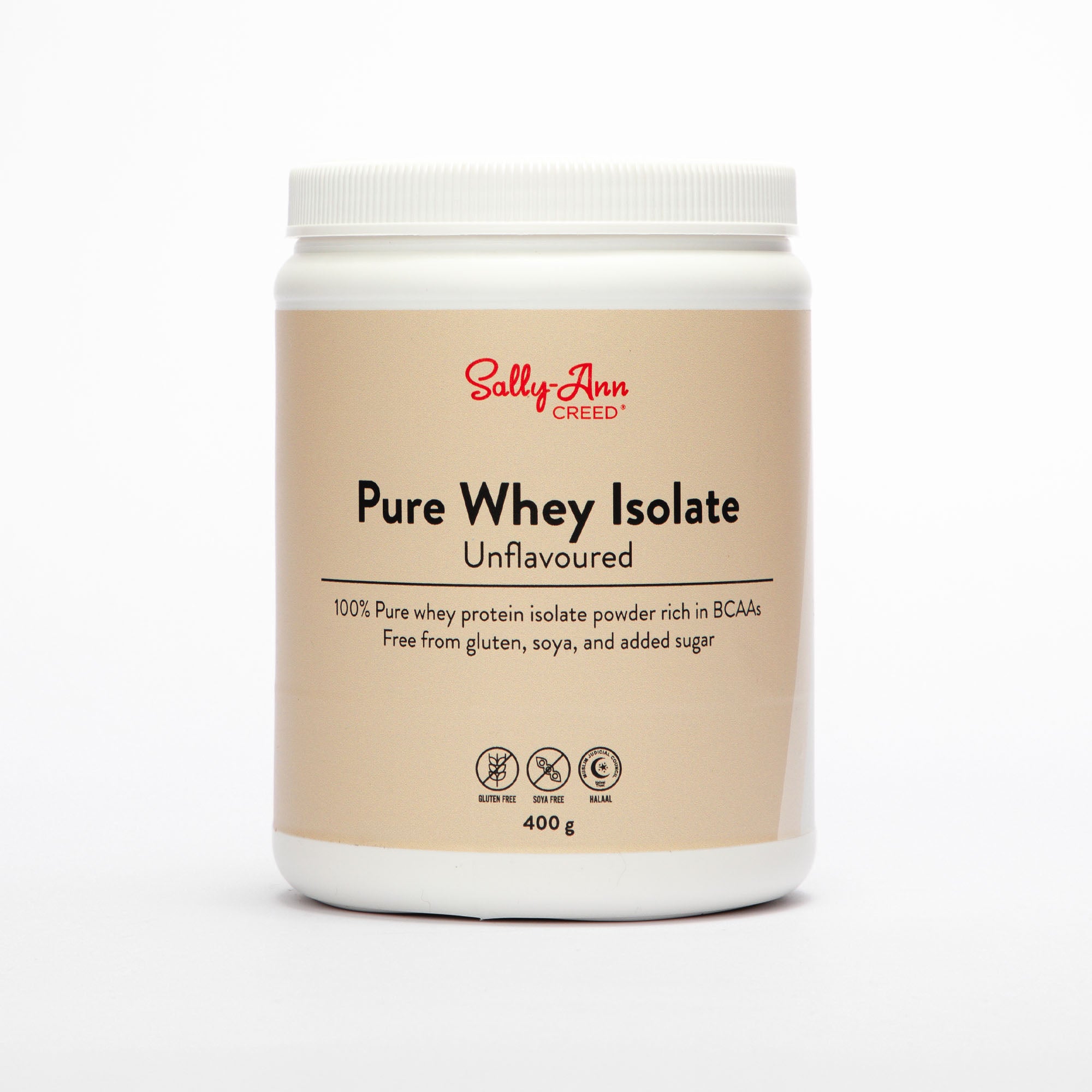
In the world of fitness and nutrition, protein is often hailed as the king of nutrients. It plays a crucial role in muscle repair, immune function, and overall well-being. Among the various sources of protein, whey protein stands out as a popular and effective option. However, not all whey proteins are created equal. In this article, we will explore the key differences between two common forms of whey protein: whey protein concentrate and whey protein isolate. Our goal is to help you make an informed choice that aligns with your health and fitness goals. Understanding Whey Protein Before delving into the differences, let’s first understand what whey protein is and why it’s valued in the nutrition and fitness community. Derived from milk during the cheese-making process, whey protein is a complete protein source, containing all nine essential amino acids necessary for optimal bodily function. It boasts an impressive amino acid profile, with a particularly high concentration of branched-chain amino acids (BCAAs) like leucine, which play a pivotal role in muscle protein synthesis and recovery. Furthermore, whey protein is rapidly absorbed by the body, making it an ideal choice for post-workout nutrition. Now, let’s explore the two main forms of whey protein: concentrate and isolate. Whey Protein Concentrate: A Closer Look Whey Protein Concentrate typically contains around 70-80% protein by weight. The remaining 20-30% consists of carbohydrates (lactose) and fats. While it does provide a decent protein content, it may not be suitable for individuals looking to increase their protein intake without additional calories. The benefits of whey protein concentrate include: Nutrient-rich: Whey protein concentrate retains many of the beneficial nutrients found in whole whey, such as immunoglobulins and lactoferrin, which support the immune system. Cost-effective: Whey protein concentrate tends to be less expensive than whey protein isolate due to its lower level of processing. Satiety: The presence of fats and carbohydrates in Whey protein concentrate can help you feel fuller for longer, making it a good option for meal replacements or weight management. However, there are some downsides to whey protein concentrate: If you are lactose intolerant or have a sensitivity to lactose, Whey protein concentrate may not be the best choice for you, as it contains a higher amount of lactose compared to whey protein isolate. The lower protein concentration in Whey protein concentrate means you need to consume more product to achieve the same protein intake as with whey protein isolate. Whey Protein Isolate: The Purest Form Whey protein isolate undergoes additional processing steps to remove most of the fats, lactose, and other non-protein components, resulting in a product that is typically 90% or more pure protein. This high level of purity makes whey protein isolate an attractive option for those seeking a protein source with minimal additional nutrients. The benefits of whey protein isolate include: High protein content: With over 90% protein content, Whey protein isolate is an excellent choice for those looking to increase their protein intake without added fats and carbohydrates. Low lactose: The extensive filtration process used to produce Whey protein isolate reduces lactose content to minimal levels, making it a suitable option for many individuals with lactose intolerance. Rapid absorption: Whey protein isolate is quickly digested and absorbed, making it an ideal choice for post-workout recovery when your muscles need protein most. Low fat and carbs: Whey protein isolate is virtually fat-free and contains very few carbohydrates, making it suitable for those on low-carb or ketogenic diets. However, it’s important to consider the downsides of whey protein isolate: Whey protein isolate is generally more expensive than whey protein concentrate due to the additional processing steps. The extensive processing to create Whey protein isolate removes some of the beneficial nutrients found in whole whey, such as immunoglobulins and lactoferrin. Now that we’ve explored the differences between whey protein concentrate and whey protein isolate, let’s discuss the best choice for your unique needs. If you are lactose intolerant or have lactose sensitivity: Whey protein isolate is the clear winner here. Its minimal lactose content makes it easier to digest and less likely to cause gastrointestinal discomfort. If you’re looking for the highest protein content: Whey protein isolate is your best bet. With over 90% pure protein, it allows you to maximise your protein intake without extra calories from fats and carbs. If you’re on a tight budget: Whey protein concentrate is a more cost-effective option, providing a good balance of protein and additional nutrients. While it may not be as pure as isolate, it’s still a valuable source of protein. If you’re seeking immune support and additional nutrients: Whey protein concentrate retains more of the natural immune-boosting components found in whole whey, making it a suitable choice if you want a holistic approach to your nutrition. In the debate between whey protein concentrate and whey protein isolate, the scales tip overwhelmingly in favour of whey protein isolate for several reasons: Higher Protein Content: Whey protein isolate contains over 90% pure protein by weight, providing a more efficient way to meet your protein goals without unnecessary calories from carbohydrates and fats. Lactose-Free: Isolate is virtually lactose-free, making it suitable for those with lactose intolerance. Minimal Fat Content: It is a low-fat option, ideal for individuals aiming to limit their fat intake. Superior Digestibility: Isolate is highly digestible and less likely to cause digestive discomfort or allergic reactions. Bioavailability: Its rapid absorption rate makes it the top choice for post-workout recovery and muscle protein synthesis. If you’re looking for a pure, clean whey protein, then Sally-Ann Creed Pure Whey Isolate is what you’re after. Its purity and quick digestibility make it an ideal choice for post-workout recovery and meeting your protein requirements efficiently. Remember, the best choice for you is the one that aligns with your dietary preferences, lifestyle, and health considerations. Always consult with a healthcare professional or nutritionist to ensure that your protein choice supports your overall well-being and fitness goals.
Read more
What's so great about our Sports Recovery Drink?
When running a race, people often focus on fuel. How can I make it through without running out of energy? What can I take to make me stronger, faster, increase stamina, etc. We believe that if you train properly, then you might not even need these things. Especially since they’re all loaded with maltodextrin or caffeine or BOTH! We decided that the best way to prepare your body is through post-training recovery. That’s why we spent time developing the best Sports Recovery powder we could. Our Sports Recovery powder is specially formulated to improve sport performance by providing the necessary nutrients to enhance recovery. We’ve created a unique blend of active ingredients including Pure Hydrolysed Collagen, L-Glutamine powder, Vitamin C, MaxiMSM powder and Prebiotic Fibre enriched with MCTs. Our Pure Hydrolysed Collagen is the hero in our formulation. Our 100% pure, grass-fed, non-GMO collagen is rich in amino acids glycine, proline, and hydroxyproline. It’s a key player in maintaining the integrity of your joints, tendons, and more. Plus, it’s highly absorbable by your body, ensuring speedy recovery and long-term health benefits. L-Glutamine powder is another vital ingredient. With natural anti-inflammatory properties, it aids in muscle cell repair, contributing to muscle growth and maintenance. It’s also wonderful for your immune system, protecting your body while it focuses on rebuilding worn and weary muscles. MaxiMSM powder is a form of Methylsulfonylmethane, a crucial sulphur-containing mineral for joint health. This natural compound helps reduce inflammation and pain, preserving joint function and aiding recovery post-exercise. We chose sodium ascorbate for this blend as it is gentle on your digestive system and easily absorbed by your body. Vitamin C is a well-known antioxidant and anti-inflammatory, boosting your immune system, reducing fatigue, and supporting collagen formation for bone and cartilage. Medium-chain triglycerides (MCTs) are popular among athletes and active individuals. They help burn fat and boost energy efficiently, providing a quick source of energy to power your workouts. Finally, we’ve included MaxiPrebiotic, a powerful prebiotic made from chicory root. It nurtures your gut microbiome, leading to improved digestion, immunity, and overall health. In a nutshell, this unique blend of amazing ingredients speeds up muscle tissue recovery and the benefits may include: Improved post-exercise muscle repair and recovery. Promoted muscle tissue maintenance and growth. Assistance with joint mobility, pain management and stiffness Natural antioxidant properties that optimise immunity, boost collagen production and assist with inflammation. Reduced symptoms of fatigue and improved energy production And that’s not all. We’ve added a delicious and natural flavouring to give our blend a refreshing taste – perfect for satisfying your thirst after a workout, run, swim, or cycle. It’s like a delicious and healthy reward for all your hard work! And because it’s sweetened using Monk Fruit, which doesn’t affect your blood sugar levels, it’s great for diabetics too!
Read more
Vitamin D Deficiency
Vitamin D is a fat-soluble vitamin used by the body for normal bone development and maintenance by increasing the absorption of calcium, magnesium, and phosphate. A severe Vitamin D deficiency can lead to rickets in children and osteomalacia in adults. Sadly, Vitamin D deficiency is still widely prevalent in both developed and developing countries, and is associated with osteoporosis, increased risk of falls and fragility fractures. Many conflicting recent studies are now showing an association between vitamin D deficiency and cancer, cardiovascular disease, diabetes, autoimmune diseases, and depression. Symptoms: Fatigue Not sleeping well Bone pain or achiness Depression or feelings of sadness Hair loss Muscle weakness Loss of appetite Getting sick more easily Pale skin 5 foods naturally high in vitamin D: Fatty fish like salmon, trout, tuna and mackerel Canned fish like herring and sardines Egg yolks Beef liver Fish liver 5 vitamin D fortified foods: Breakfast cereals Milk Almond milk Soy milk Orange juice Get vitamin D from sunlight When your skin is exposed to ultraviolet rays from the sun, your body creates vitamin D. While you’re enjoying the sun, 7-dehydrocholesterol in the skin absorbs UV B radiation and is converted to previtamin D3 which in turn isomerizes into vitamin D3. Make time daily to get out in the sun. If you don’t have classes, office work or commitments scheduled that require you to go outside for the day, set aside a few minutes to take a quick walk, even if it’s just around the block. Even just 10 minutes per day will be enough to elevate your Vitamin D3 levels naturally. Wear a hat if it’s very hot, and enjoy your free natural vitamin D3. Remember that sunscreen will drop your body’s ability to create vitamin D3, so if you don’t get regular sunlight, you may need to increase your dietary intake or take a vitamin D supplement. Take a vitamin D supplement Vitamin D has two main forms: D2 and D3. You can absorb both types in your body. Still, studies have shown that vitamin D3 raises your levels more effectively than vitamin D2. The recommended dietary allowance of vitamin D for young adults is 600-1000 iu (international units). A doctor may prescribe a prescription-strength dose of vitamin D if your levels are severely low. Are vitamin D supplements safe? Yes. A vitamin D supplement doesn’t cause many adverse effects at recommended doses. What you don’t use, your body usually urinates out, so it’s difficult to overdose on vitamin D unless you are taking massive doses. Prolonged supplementation with extremely high vitamin D levels is harmful and can cause nausea, vomiting, confusion, excessive thirst and kidney stones. Vitamin D supplements can interact with certain medications, so check with your doctor before starting one.
Read more
The different types of protein
Proteins, those essential building blocks of life, are long chains of amino acids cleverly connected by what we call α-peptide bonds. When we eat foods containing proteins, like meats, dairy, eggs, legumes, nuts, and seeds, our gastrointestinal tract springs into action. It diligently digests these proteins, breaking them down into smaller peptides and free amino acids. These tiny molecular treasures are then absorbed into our bloodstream, where they embark on a remarkable journey. They are put to work in our cells, constructing brand new proteins and performing various vital functions. But proteins aren’t just about making other proteins; some amino acids are also involved in crafting non protein substances that our bodies need. Now, here’s a fun fact: out of the 20 amino acids found in proteins, NINE are considered essential for adult humans. These nine are leucine, valine, isoleucine, histidine, lysine, methionine, threonine, tryptophan, and phenylalanine. The term “essential” means our bodies can’t create them, so we rely on our diet to provide them. Speaking of diet, let’s talk about how much protein we should aim for. For adults, the recommended daily intake is around 0.8 grams of protein per kilogram of body weight. If you’re pregnant or nursing your newborn, it’s advised to add an extra 10 – 15 grams of protein to your daily intake. Growing children also need more protein. On average, adult women consume about 64 grams of protein daily, while men consume around 104 grams. Protein is found in various foods, like eggs, meats, dairy, seafood, legumes, nuts, and seeds. Regardless of the source, once it enters our body, it gets broken down and reshaped into new proteins. Most animal proteins are considered complete proteins because they contain all nine essential amino acids. On the other hand, most plant proteins are incomplete, lacking at least one essential amino acid. But combining different plant-based protein sources can fill in those gaps. Unlike fat and carbohydrates, our bodies don’t have a dedicated storage system for protein. Instead, they can break down muscle tissue to obtain protein building blocks if needed. That’s why it’s crucial to consume protein regularly to avoid such a situation. Protein-rich foods have another neat trick up their sleeve – they make us feel full for longer. They do this by increasing thermogenesis and through certain amino acids, like leucine, influencing our brain. The world of proteins is both fascinating and essential to our well-being. By making informed choices about our protein sources and ensuring we meet our daily requirements, we can take significant steps towards a healthier and more balanced life. References: https://www.ncbi.nlm.nih.gov/pmc/articles/PMC6140426/ https://www.hsph.harvard.edu/nutritionsource/what-should-you-eat/protein/
Read more
Vitamin D: The “sunshine” vitamin
What is vitamin D and the role it plays in our body? Vitamin D is a fat-soluble vitamin which is used by the body for normal bone development and maintenance. Vitamin D assists in increasing the absorption of calcium and phosphate in our bodies[1]. Without vitamin D, only 10–15% of dietary calcium and about 60% of phosphorus can be absorbed.[2] Vitamin D is unique in that it can be made in the skin from sunlight exposure. It exists in two forms, namely Vitamin D2 obtained from the sun when it strikes the skin and vitamin D3 produced by the human body.[2] People with a darker skin tone have natural sun protection and require at least three to five times more exposure to the sun in order to make the same amount of vitamin D as a person with a lighter skin tone.[3] The way we determine our vitamin D levels is through a blood test, which is done by a healthcare professional, and maybe reported in different ways. You can either get the total vitamin D result, or separate results for Vitamin D2 and Vitamin D3. A circulating level of D greater than 30 ng/mL is required to maintain a healthy level of vitamin D. If your total vitamin D level shows a vitamin D deficiency or insufficiency, you may need to supplement with additional Vitamin D3 or implement some dietary changes.[2,4] What is vitamin D deficiency?Vitamin D insufficiency affects at least 50% of the population worldwide and an estimated 1 billion people across all age groups and ethnicities have a Vitamin D deficiency (VDD). This is mainly attributed to lifestyle (i.e., reduced outdoor activities) and/or environmental factors (i.e., air pollution) due to reduced sunlight exposure.[2] VDD can lead to an array of problems, and is an important public health issue since vitamin D plays a supportive role against cancer, heart disease, fractures, autoimmune diseases, influenza, type-2 diabetes, and depression.[3] Who may need extra vitamin D to prevent a deficiency?Getting enough vitamin D from your food alone is a task on its own. Besides exposure to sunlight, a dietary supplement is incredibly useful in order to meet your daily need of this VITAL vitamin for the following individuals:[5] Older adults People with limited sun exposure People with dark skin tones People with fat malabsorption People who are obese People with milk allergy People with lactose intolerance Complications of Vitamin D deficiencyIf you are Vitamin D deficient, this will result in a decreased absorption of dietary calcium and phosphorus levels. This leads to an increase in our parathyroid hormone (PTH). An increased level of PTH causes the levels of calcium in your blood to rise, causing further problems like bone weakness, a decrease in bone mineral density (BMD), and kidney stones. Children with VDD often struggle with irritability, lethargy, and developmental delays, while adults can experience symptoms associated with secondary hyperparathyroidism including bone pain, fatigue, muscle, and weakness increasing sway and frequent falls thereby increasing their risk of fracture.[7,8] What are the sources of vitamin D?It is important to eat a diverse diet that is rich in vitamin D. There are only a few commonly consumed foods that are good sources of vitamin D. We recommend the following: Cod liver oil Oily fish such as salmon, mackerel, tuna, sardines Milk and dairy products (cheese) Eggs Beef and liver Don’t forget that the biggest source of our vitamin D is exposure to the sun. Vitamin D which is produced by our skin lasts two times longer in our blood compared with ingested vitamin D. Season, geographic latitude, time of day, cloud cover, smog, and sunscreen affects the UV ray exposure and vitamin D synthesis. Sunscreens with a sun protection factor (SPF) of 8 or greater will block UV rays that produce vitamin D, but it is still important to routinely use sunscreen to help prevent skin cancer and other negative consequences of excessive sun exposure. An initial exposure to sunlight of between 10 -15 minutes at least two times per week to the face, arms, hands, or back without sunscreen is usually sufficient to provide adequate vitamin D. This should be followed by application of a sunscreen with an SPF of at least 15 to protect the skin. It is very important for individuals with limited sun exposure to include good sources of vitamin D in their diet. What is the recommended management of VDD? Treatment with either vitamin D2 or vitamin D3 supplementation is recommended for the deficient patient. The amount of vitamin D required to treat the deficiency depends on the severity of the deficiency and underlying risk factors. We recommend sticking to a daily dosage of 1000iu. Vitamin D deficient individuals may need to take up to 50,000iu per week in order to repair their levels. Your health care professional will prescribe the appropriate dose of vitamin D supplementation based on your blood tests. What are the health risks of too much vitamin D? Vitamin D toxicity results from excess oral intake and not due to excessive sunlight exposure. It can cause nausea, vomiting, poor appetite, constipation, weakness, and weight loss. It can also raise blood levels of calcium, causing mental status changes such as confusion. High blood levels of calcium also can cause heart rhythm abnormalities. Sun exposure is unlikely to result in vitamin D toxicity. Diet is also unlikely to cause vitamin D toxicity, unless large amounts of cod liver oil are consumed. Vitamin D toxicity is much more likely to occur from high intakes of vitamin D in supplements. That’s why it’s so important to dose correctly and according to your body’s needs. References: [1] https://www.ncbi.nlm.nih.gov/NBK532266[2] https://www.ncbi.nlm.nih.gov[3] https://pubmed.ncbi.nlm.nih.gov/18641195[4] https://medlineplus.gov[5] http://suprabrands.com/vitamin_d.pdf[6] https://pubmed.ncbi.nlm.nih.gov/4130245/[7] https://pubmed.ncbi.nlm.nih.gov/18413426/[8] https://pubmed.ncbi.nlm.nih.gov/15886381/[9] https://pubmed.ncbi.nlm.nih.gov/8390483/
Read more