Articles
3 ways to prepare your body for later life
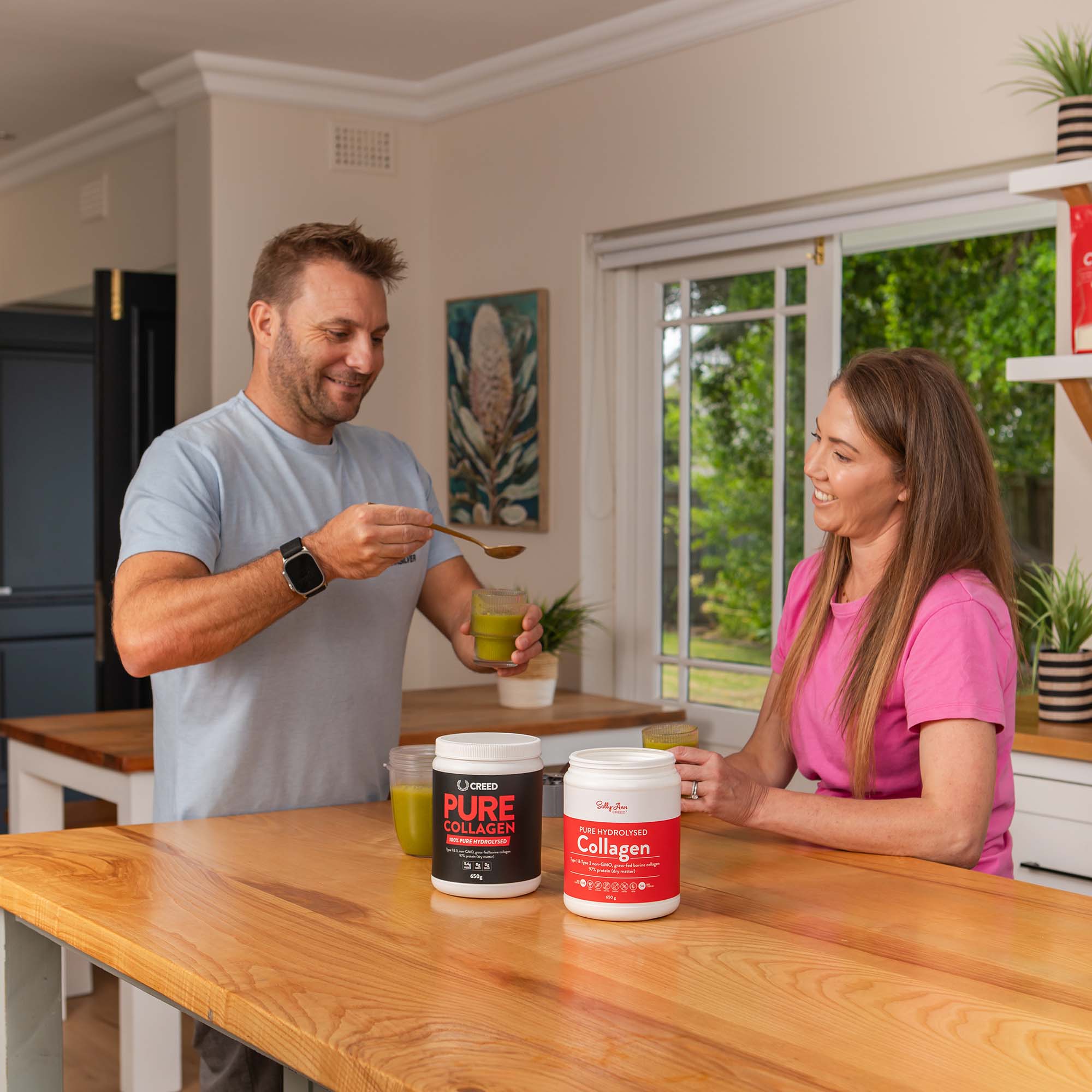
Getting older is an inevitable and natural part of life, but it can come with some challenges, including joints that are a bit stiffer and muscles that don’t recover as quickly as they used to. Fortunately, there’s plenty you can do today to prepare your body (and mind) for tomorrow. Here are three ways to lay the foundation for energy, vitality and good health in later life. Move your body One of the best things you can do for your older self is to stay active. While the immediate benefits of regular exercise are well-established, here are a few ways physical activity can help you prepare for later life: Strength and resistance training can help stave off age-related muscle loss. Weight-bearing exercises like walking and hiking can help you build and maintain strong bones. Cardio workouts can help lower blood pressure and improve heart health. Mobility exercises can help you develop and maintain a good range of motion as you get older. Supplement support: Glutamine and collagen are a dynamic duo to complement your exercise routine. Glutamine can improve recovery time after exercise and may even aid fat burning. And pure hydrolysed collagen is something of an all-round wonder supplement, supporting healthy connective tissue, helping to repair joints, tendons and ligaments, and promoting gut health, among many other benefits. Stimulate your brain Cognitive skills and abilities tend to decline with age, so it’s worth investing in activities that will help keep your brain fit and healthy. While eating a nutrient-rich diet and getting enough sleep and exercise are excellent healthy-brain habits, here are a few additional ways to keep your mind sharp as you get older. Play a brain game – word or number puzzles like crosswords or Sudoku are a great choice. Learn something new – whether you’re interested in painting, pottery or photography, there are plenty of courses on offer. Set yourself a reading goal – for example, aim to read a new book every month. Or better yet, join an online book club to reap the social benefits too. Challenge yourself – take up a musical instrument or start learning a new language. Supplement support: The B vitamins play an important role in the brain, from protecting and repairing cells to helping brain neurons to ‘fire’ correctly. Riboflavin (B2), for instance, is a powerful antioxidant which fights free radical damage in the body, especially in the brain. And folate (B9) is vital for a healthy brain and a good memory. So, if you’re looking to boost your brain health, consider adding a B complex supplement to your routine – the B vitamins work best together. Learn to manage stress Stress seems to be part and parcel of modern life. But when it becomes chronic, it can take a real toll on your body – affecting everything from your mood and sleep patterns to your immune system and digestion. And a number of studies have shown that stress may even make your cells age faster. So if you find that you struggle to manage your stress levels, it’s worth adopting some stress-busting strategies that you can use now and in the future. Focus on the positives in your life – gratitude can be a powerful stress-reduction tool. Get plenty of sleep – sleep deprivation can affect your mood and memory and exacerbate your stress levels. Do relaxation exercises – practices like yoga, meditation and deep breathing are particularly useful in calming your mind and body. Connect with friends – these relationships are essential for emotional and mental health. Supplement support Calm is a natural Sally-Ann Creed supplement which helps to reduce stress and anxiety and improve sleep quality. The active ingredient in Calm is Lactium®, a unique milk extract that contains a natural bioactive protein with relaxing properties. This soothing product also helps to promote cognitive health and healthy cortisol levels. Buy Calm here
Read moreQuick Tips for Menopause
1. MENOPAUSE SYMPTOMS RESPOND TO COLLAGEN Here is some first hand feedback from our customers… “Almost all my menopause symptoms are gone after a few months on the collagen! I only get hot flushes now when I drink alcohol, then it’s my own fault! Lol” JB Hi Sally, FYI…had been taking your Pure Hydrolysed Collagen to assist with my arthritis for 4 months and naturally my pain subsided. But what transpired was the best and most unexpected thing. My menopausal hot flushes disappeared as well. At first I didn’t tie the two together but I had a bad month financially and couldn’t get my collagen and that’s when the hot flushes returned!! Perhaps coincidence? I think not! I have had hot flushes for over 5 years and nothing has helped before this. The fact that they have reappeared after stopping the collagen is what was so interesting. I’m back on the collagen now and will see if the flushes stop again. Hold thumbs!!” KL I have to say I started only this week with your pure collagen and already I noticed a significant difference in the frequency and severity of my hot flashes. Ursula D 2. MENOPAUSE AND YOUR DIGESTIVE SYSTEM Keeping your digestive system working well is another key to good health not only in menopause but throughout your life. Eat organic vegetables where you can, pasture-fed meats and chickens, eggs from pasture-fed chickens and game. Ditch the sugar, alcohol and junk and concentrate on really fresh and healthy foods. 3. MENOPAUSE AND PHYSICAL ACTIVITY Stay active – exercise on its own won’t help you manage your weight but it does help to prevent muscle loss and helps to sensitise insulin. You don’t have to run a marathon or spend all day at the gym. Simply walking every few days or an hour or so is enough. 4. MENOPAUSE AND CHEMICALS Avoid chemicals on your face, when cleaning your home, washing your body and your clothing. Wherever possible, choose natural alternatives to chemicals. Look around your home. You’ll be horrified at how many chemical substances you use every day. 5. MENOPAUSE AND HEALTHY CHOICES Avoid genetically modified foods, avoid man-made fats and oils. Stick to animal fat and olive oil, butter and other healthy fats. You can get all the support you may need and embark on a ‘food journey’ through the 63 Days to Optimum Health Book. You will be guided over the course of 9 weeks to transition in your emotions, food intake and habits to create a new you. Hopefully (if you want to) you will lose weight, feel heaps better, and continue to apply these principles indefinitely. This book is for anyone seeking to ‘create health’ or maintain it. This comprehensive guide offers sections on gut heath, market place myths, substitutions for unhealthy old favourites, superfoods that improve immunity and nourish the body, and delicious, cook-from-scratch recipes that celebrate the benefits of making whole foods at home. By making informed choices, you can enjoy day-long energy and ongoing health.
Read more5 things worth knowing about menopause
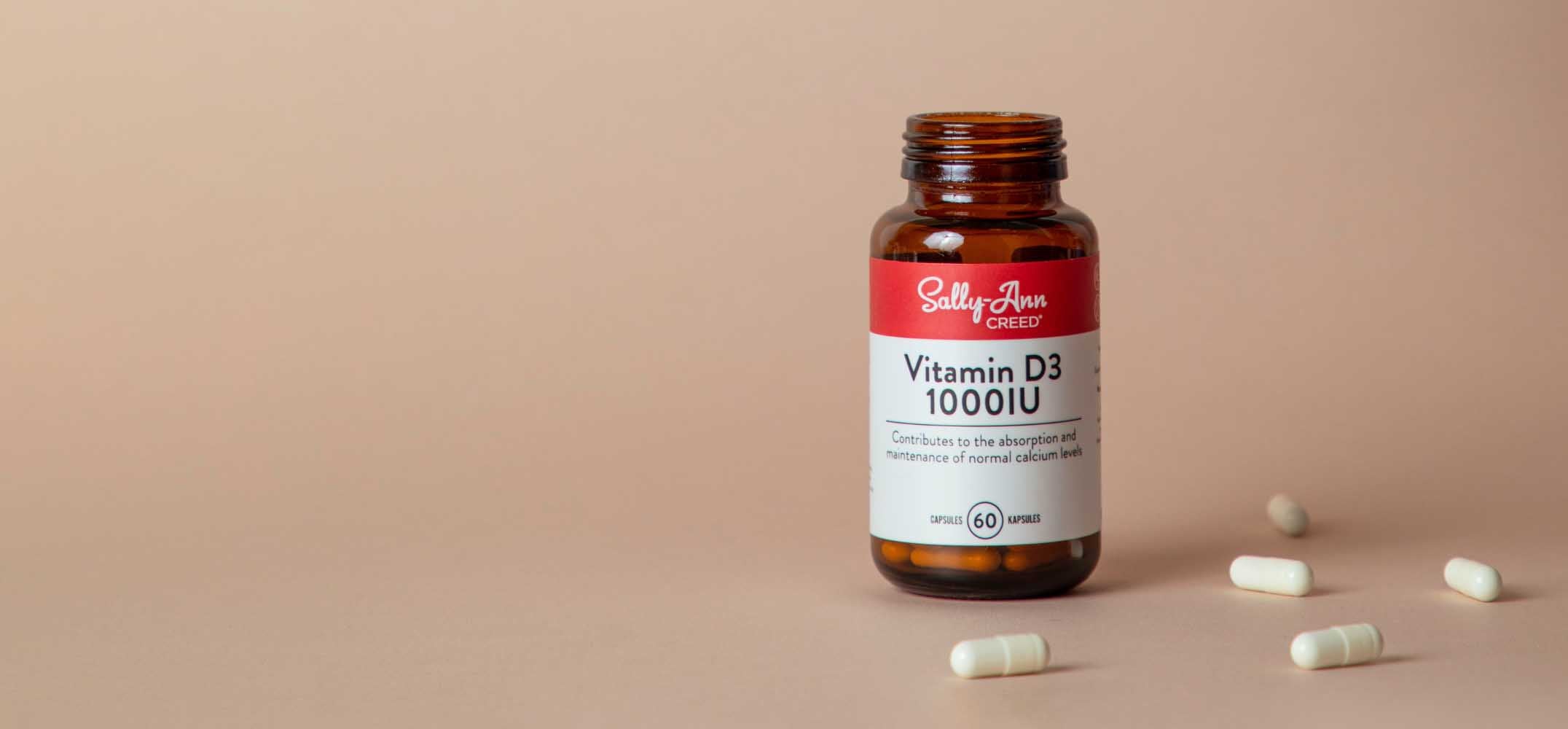
Hot flashes, night sweats, hormone replacement therapy (HRT)… If that’s about as much as you know on the topic of menopause, here’s your chance to get to grips with this often-dreaded stage of life. Knowledge is power, after all. What is menopause? Sometimes referred to as ‘change of life’, menopause signals the end of a woman’s reproductive cycle and is diagnosed once a woman has not had a menstrual cycle for 12 consecutive months – this change occurs as a result of the ovaries producing less of the hormone estrogen, and results in several menopause-related symptoms. The process includes three well-defined stages: Perimenopause – this encompasses the period leading up to menopause as well as the 12 months following the end of a woman’s menstrual cycle. Menopause – this stage follows 12 months after a woman’s last period, whether this occurs naturally or as the result of the ovaries being removed. Postmenopause – this covers the period following menopause, but it can be tricky to determine exactly when it starts. Here are five things you may not yet know about menopause – and which, if this phase of life still awaits you, should prove helpful when you get there. The symptoms of menopause are many and varied While hot flashes and night sweats are undoubtedly the most well-known indicators of menopause, this stage of life comes with a laundry list of (not-so-lovely) symptoms, some of which can kick in as soon as your early forties. These include but are not limited to: Mood swings Debilitating fatigue Hair loss Insomnia Memory issues Weight gain Bloating Vaginal dryness Increase in allergies Digestive problems Accelerated ageing While we’re on the topic of symptoms, there are some foods and drinks that can aggravate the situation, so try to avoid them wherever possible. Alcohol Coffee Very spicy food Sugar in any disguise (that includes fructose, agave etc.) Dairy products (with the exception of butter) Fizzy drinks Junk fats Soya Your cholesterol levels can increase Unfortunately, menopause can spell disaster for cholesterol levels – even if yours have always been normal. This has to do with the decrease in estrogen levels during menopause, which causes (?) a subsequent increase in levels of LDL (the ‘bad’ cholesterol) and a decrease in HDL (the ‘good’ cholesterol). What’s important to remember here is to get your cholesterol checked regularly, regardless of whether you’ve done so in the past. That way you can take measures to address it should you find your levels rising. Weight gain is a problem for many You’ve heard about the dreaded ‘middle age spread’ and sadly it’s a reality for many women during menopause, when hormonal changes can cause an associated change in your weight. So, what can you do about it? Stay active While regular exercise alone won’t help you lose weight, it is vital for preventing muscle loss and helping to sensitise insulin (more on why the latter is important below). And you don’t have to run a marathon or spend all day at the gym to make it worth your while – going for a walk several times a week is enough. Cut the carbs This is good advice at any age, but as we get older our insulin becomes less sensitive, with the result that our bodies produce more of it. And the more insulin we produce, the more fat we end up storing around our bellies. So, if you’re a fan of carbohydrates, which automatically trigger insulin production, now is the time to part ways with them in favour of a slimmer, relatively symptom-free menopausal you. Keep your digestive system in shape Again, this is advice worth following throughout your life. Here are a few valuable tips to keep in mind when planning meals: Ditch the sugar, alcohol and junk – focus on fresh, healthy foods instead. Source organic vegetables, pasture-fed meat and chicken and eggs from pasture-fed chickens, whenever possible. Avoid genetically modified foods. Use healthy fats – animal fat, olive oil and butter. Avoid all seed oils – these are inflammatory and will result in weight gain. There are alternatives to HRT Hormone replacement therapy (HRT) is very often recommended for woman experiencing menopause, but it’s vital that you think very carefully before embarking on this course of action as natural estrogen is very different to the synthetic estrogen we are given during menopause – synthetic hormones build fat and can predispose you to cancers. There are safe natural options you can try and seeking advice on what these are and which ones could work for you could be a huge help during the menopausal years. There are supplements that can help In spite of the difficulties associated with menopause, there is good news in the shape of several fantastic supplements that can help your body navigate this challenging time. B Complex A menopause all-rounder Omega-3 fish oil Powerful anti-inflammatory agent Improves memory function Calms and improves mood levels Improves fat burning Renewed Balance Body Cream A natural progesterone – only suitable if you are not on HRT Addresses a multitude of menopausal symptoms including: Osteoporosis Insomnia/restless sleep Anxiety/depression Brain fog Mood swings Weight gain Vitamin D3 Important for cardiovascular health Improves depression/anxiety Prevents fatigue Prevents bone and muscle pain Vitamin K2 Improves bone density – directs calcium to the bones, rather than, for example, the kidneys where it forms kidney stones Enhances remineralisation of bone, reducing osteoporosis Regulates the function of hormones Improves brain function Promotes healthy blood sugar levels Pure Hydrolysed Collagen Collagen is found in your bones, skin, ligaments and joints and literally holds everything together in the body Promotes healthy joints and rebuilds cartilage Prevents wrinkles and can smooth some of them out Improves arthritis Strengthens arteries Promotes weight loss through fat-burning Glutamine Eliminates or significantly reduces cravings for sugar, alcohol and tobacco Improves blood sugar levels Helps burn fat As an essential transmitter, glutamine is wonderful for memory loss, focus and concentration Prevents muscle wasting Berberine Normalises blood sugar levels There are also a number of targeted nutrients and specialised supplements that you can trial under the direction of a trained Functional Nutritional Therapist.
Read moreFood Fact: Asparagus
Did you know that asparagus is one of the most amazing nutritionally well-balanced vegetables and low in calories. It is known to be high in anti-inflammatory nutrients, may boost energy, cleanse the urinary tract and neutralize excess ammonia. Asparagus is a good source of: Vitamins C – important for proper functioning of the immune system Vitamin A – needed for eye health, vision, immune function, cell growth Vitamin K –important for blood clotting, bone health and possibly heart health Vitamin E – antioxidants that protect your cells from oxidative stress. Fibre – essential for your digestive health and promotes heart health Asparagus is also high in: Folate (vitamin B9) which may reduce the risk of depression and a nutrient important for a healthy pregnancy Antioxidants which may contribute to cardiovascular health because antioxidants may combat free radicals. Potassium – an effective way to lower blood pressure and reduce the risk of cardiovascular disease The flavonoid quercetin which is also an “ionophore” – something used to transport zinc intracellularly to assist immune system function. It is a free radical fighter, may reduce inflammation and may prevent infections due to its antibacterial properties. It may also help to fight viruses and may reduce the risk of heart disease and strokes due to the flavonoids present. Cell health, blood vessel health and blood flow through arteries may be improved by Quercetin. Asparagus can be eaten raw or cooked. Just bear in mind that cooking time will have an effect on the health benefits. A STEAMED ASPARAGUS RECIPE One bunch of asparagus spears Olive oil Salt Lemon juice Next steps: Place water in the bottom half of a steamer pan or basket and bring to a boil first. Trim any dry ends off of the asparagus and place in the top half of the steamer. Steam for approximately 3- 5 minutes depending on the thickness of the asparagus, or until asparagus is tender and still has a little crunch. You can drizzle with the olive oil, lemon juice and season with salt to taste. As a rule of thumb, the longer the asparagus is cooked for, the more nutrients are lost though cooking. If you don’t eat asparagus but are looking for a good source of quercetin, vitamins or minerals you will find them available online here www.sallyanncreed.co.za/shop
Read moreGout
Just the word is enough to make you cringe if you have it or have had it. It can strike anywhere from your knees to elbows, ankles or fingers – but the most common place is the big toe or ankles. It’s excruciating, so I’m told. But there is hope! There are things you can do. MaxiMSM alleviates the pain and inflammation of the joints associated with gout (but may require several weeks of daily supplementation before its beneficial effects become apparent and keep it away). Around a teaspoon or two a day in water of the MaxiMSM powder is recommended, or 6-10 of the MaxiMSM tablets in divided doses. But do keep it up. Vitamin C alleviates gout (by facilitating the excretion of excessive uric acid). Take Lypo-Spheric Vitamin C, Ester C, Super Cee or Scorbi-Cee – they are all excellent. It’s handy to mix the MaxiMSM powder with Super Cee and sip this through out the day. Quercetin with Vitamin C (450-750 mg per day) alleviates gout (by inhibiting the xanthine oxidase enzyme which subsequently causes a reduction in uric acid production). These are all available from my online store at https://sallyanncreed.co.za/shop/ Foods you can try: Raw potato juice (I know it sounds crazy – it works) Beetroot and beet juice from RediBeets Powder (much easier to take than using raw beets) Cherries – fresh red ones – a big cup a day – excellent Disclaimer: Originally published on https://www.facebook.com/SallyAnnCreedSA/ in 2020.
Read moreUnderstanding the difference: IU, mg, mcg
Knowing Your Dosage The human body requires a variety of essential vitamins. Although a healthy diet should provide most of the vitamins that we need, taking vitamin supplements helps to fill in for dietary shortcomings or aid in enhancing well-being. Vitamins and supplements are measured in many forms which include milligrams (mg), micrograms (mcg) or International Units (IU). How do we derive a dosage from these? Milligram and Microgram A gram is a metric measurement of weight. The gram is conveniently used for everyday products. For comparison purposes, a teaspoon is precisely 4.2 grams, a tablespoon is 15 grams and one cup is 128 grams. Milli- is a prefix meaning one thousandth. Therefore, a milligram is one thousandth of a gram, and a gram is one thousand milligrams (1g = 1000mg). Whereas Micro- is a prefix meaning one millionth. Therefore, a microgram is one millionth of a gram, and a gram is one million micrograms (1g = 1 000 000mcg). For example, if: 1mcg x 1,000 = 1 mg and 1mcg x 1,000,000 = 1g Therefore, a Vitamin of 5mg (milligram) dosage is stronger than a Vitamin of 5mcg (microgram) dosage. How to Convert Your Dosages? To convert from micrograms to milligrams, divide by 1,000. (For example, 100 mg of vitamin C equals 100,000 mcg, or µg.) To convert from milligrams to micrograms, times by 1,000. (For example, 100 mg of vitamin C equals 100,000 mcg or µg.) International Units (IU) Milligrams and micrograms indicate the amount of mass in a sample, but International Units indicate the level of biological activity of a substance specific to each substance. One international unit, or IU, is a measurement of the biological effect that a specific substance has on the body. The IU value for specific formulations of vitamins has been determined by an International agreement among a great number of scientific organizations. For each type of vitamin preparation, there is a unique IU value based on the method used for formulating that vitamin. The formulating methods include: Water-soluble Vitamins Fat-soluble Vitamins The International Unit will be indicated in a Vitamin or Supplements RDA (Recommended Daily Allowance) or Dosage & Directions of Use. For example, if the RDA of a Vitamin for adults ranges from 600-800 International Units (IU), then the packaging would indicate the 40 IU equals one microgram (1mcg or µg). Thus we can calculate that if: one mcg = 40 International Unit 600-800 International Unit = RDA 600/40 = 15 & 800/40 = 20 Therefore The RDA is equal to 15-20 micrograms. Always remember that ‘more’ isn’t necessarily better in nutrition. Many nutrients are only required in microgram amounts and taking larger amounts could be unnecessary or even detrimental to health. Now that you know how to, converting between these units will help clarify the amount of vitamin needed and aid in ensuring you reach optimum health.
Read moreSkinny Collagen Soup
I’m repeating this post from March last year due to the huge popularity of this unique soup which has taken the country by storm. It’s my Skinny Collagen Soup – once you try it, you won’t want anything else – AND you get your collagen in at the same time – it’s made with Pure Hydrolysed Collagen. The weather in Cape Town is starting to get REALLY cold now, so soups naturally spring to mind to warm us. Unlike me, some people don’t like collagen in their coffee. I know. It’s crazy, and I can’t understand it at all. My husband is one such case, so I had to come up with a way to get my husband to take his collagen without him realising it (sneaky because men “always know better”…). I developed a pure collagen consommé just for him! And – one that won’t cause weight gain, in fact just the opposite. He absolutely loves it (and he is super fussy). The ‘instant’ stuff on the shelves is pretty toxic so either make your own thin soup/stock/broth and add my very Pure Hydrolysed Collagen, or take 1-2 spoons of my scrumptious Skinny Collagen Soup (SCS) and just add hot water! So easy! When I presented my husband with his first SCS with chopped fresh parsley from our garden sprinkled on top – that was it. I now have an addict on my hands. Mission accomplished! The other thing he loves to add to his SCS is a few squished pieces of celery so the juice is just detectable. But even without it – it’s a meal for anyone on the run, to quell hunger pangs while not putting on weight, and it’s so delicious you may want seconds. It’s a fabulous meal replacement when you are stuck (or want to lose some weight). Great for kids at school on a cold day in a food flask. But because it’s a powder, you can take it in your bag/case and just add hot water – it’s so easy for a quick lunch anywhere, any time, it’s totally natural and it has my own mixture of organic herbs and spices with collagen. Sometimes when we don’t feel like a big meal, just a salad, we’ll make ourselves a mug of SCS and have it as our “starter”. It blunts the appetite, provides us with superb quality protein and other excellent nutrition from the organic dried herbs & spices in my recipe, while still leaving room for our crunchy salad. You don’t have to wait for winter to try Skinny Collagen Soup – we didn’t . It fills you and is a great way of banishing hunger when a snack attack rears it’s ugly head. Sometimes in the evenings before bed we might have a mug of steaming Skinny Collagen Soup instead of tea, or in the afternoon if we feel like it at tea time – actually anytime will do…. It’s always a winner in our home. If you want to lose some weight (or NOT put on this winter!) have a cup of SCS instead of lunch, and take my BRILLIANT Berberine Complex and you’ll lose quite a few kilos while getting your body super-healthy in the process. Please share your experience with this soup – I’d love to hear. Stay warm in this cold weather!!! (originally posted on Facebook)
Read moreWhat are Functional Foods?
Have you ever wondered what people mean when discussing functional foods and nutraceuticals? Functional foods are food items or ingredients that exhibit additional health benefits to the body beyond simply supplying it with energy or fuel for functioning. Nutraceuticals are also functional foods as they are derived from food items but used in a medicinal manner in the form tablets, capsules or liquid to be of benefit to the body. Nutraceuticals are a group of products that are more than just food but are less than pharmaceuticals. Nutraceuticals is an umbrella term commonly used to describe any product derived from food sources that has additional health benefits over and above the foods basic nutritional value. Think about the word – “nutrient” (a nourishing food component) and “pharmaceutical” IE: more than food but not a medical drug. In many countries nutraceuticals are taken as part of dietary supplements. The philosophy behind nutraceuticals is to focus on prevention. Combining a food first approach with supplementation to support healthy outcomes. As the Greek physician Hippocrates (known as the father of medicine) aptly stated “let food be your medicine” and evidence strongly supports his thinking! Nutraceuticals as a term first originated in Japan in the 1980’s where nutraceuticals were developed to improve better health in the general population. These nutritious foods health benefits extend beyond the nutritional value. Some contain supplements and additional ingredients to improve overall health. They have multiple Health Benefits which include: PROTECT against disease Many are rich in anti-oxidants – These compounds help to scavenge and neutralise harmful molecules known as free radicals that lead oxidative stress – they help prevent cell damage and the development of chronic conditions (1) PREVENT nutrition deficiencies Which may be caused by an inappropriate diet Possible malabsorption due to chronic conditions PROMOTES growth and development Supplying the body with the correct nutrients in the correct amounts You get two types of functional foods or nutraceuticals (2) CONVENTIONAL AND MODIFIED CONVENTIONAL These are natural, whole food ingredients rich in nutrients such as vitamins, minerals, antioxidants and heart healthy fats. Examples of nutrient rich ingredients are: fruits, vegetables, nuts, seeds, grains, legumes, seafood, fermented food, herbs and spices and some beverages.If you consider oats as an example, oats are shown to reduce inflammation, enhance immune function and improve heart health. Oats also contains Beta-Glucan which is able to lower total cholesterol and reduce LDL (bad) cholesterol. (3) MODIFIED These are foods that are fortified with additional nutrients such as minerals, vitamins, fibre and probiotics. These foods that are fortified can include juices, dairy products, milk alternatives, grains, cereals and eggs. (4) Remember wholefood ingredients should make up 80-90% of your daily consumption. Stay away from sugar-containing products, refined carbohydrates and highly processed foods! Sources: https://www.ncbi.nlm.nih.gov/pmc/articles/PMC4644575/ https://www.eatright.org/food/nutrition/healthy-eating/functional-foods https://www.ncbi.nlm.nih.gov/pmc/articles/PMC5618555/ https://www.ncbi.nlm.nih.gov/books/NBK208880/
Read more