Articles


Collagen and your bones
Quoting directly from a scientific journal article, “hydrolysed collagen has a positive therapeutic effect on osteoporosis and osteoarthritis with a potential increase in bone mineral density, a protective effect on articular cartilage, and especially in the symptomatic relief of pain.” Collagen peptides are a form of collagen that has been broken down into smaller, absorbable pieces through a process called hydrolysis. These peptides are usually derived from bovine, marine or chicken. While they’re often promoted for improving skin, nails and hair, there are several studies that have explored their effect on bone health- particularly in the context of osteopenia and osteoporosis. • Animal studies first suggested that collagen peptides may help improve bone structure and density. • This led to human trials in postmenopausal women, who are particularly at risk for age-related bone loss. In one randomised controlled trial, daily supplementation with 5g of collagen peptides for 12 months significantly increased bone mineral density (BMD) in the lumbar spine and upper femur and showed elevated levels of P1NP, a key marker of bone formation. The four-year follow-up revealed that participants continued to maintain these gains in BMD over time. One of the main components of our bone matrix is type 1 collagen. This is what gives our bones their strength, structure and slightly flexible nature. As our natural collagen production decreases with age, so too does our bone density. This reduction in bone mass can lead to conditions such as osteoporosis as well as an increased risk of bone fractures. Collagen supplementation has been shown to assist with bone health as it possesses osteogenic properties. This means that collagen is not only able to influence bone formation through growth and repair, but it is also able to regulate bone loss. It does this by being able to ensure that there is the correct balance between bone resorption (breakdown) and bone formation during the bone remodelling process. Bone remodelling is a lifelong process that is vital for the maintenance of our skeleton. It is the process of ‘old’ or more mature bone tissue being removed from the skeleton, to be replaced with new bone tissue. This process is important for the micro-damages that occur from our daily activity but also for when more serious injuries occur, such as bone breakages or fractures. I have found that many of my clients often do not/can not include dairy products such as milk, cheese or yoghurt for a number of reasons. Milk can be an easy and reliable source of calcium, so if you don’t eat dairy, it’s important to know how to get enough from other foods. Even then, you might not be getting enough calcium according to recommendations, unless you’re having about 2 cups of milk or yoghurt plus some cheese every day, along with other calcium-rich foods. If you want to know if you are getting enough it may be a good idea to track what you eat to see if you’re meeting your calcium needs. Before I go on, calcium can sometimes get a bad rep. Its true that too much calcium from supplements can raise the risk of kidney stones or vascular calcification, especially if not balanced with K2, vitamin D3 and magnesium to ensure it’s properly used by the body and directed into the bones, not soft tissues. It’s not about loving or hating calcium, it’s all about context. The opinion backed by science is that consumed wisely and in combination with other nutrients, calcium supports bone health. Neglecting it altogether (especially in women post-menopause) risks creating a nutrient gap. So how much do we need? According to the National Institute of Health, the below table is the recommended daily allowances per day. Age Male Female 1–3 years 700 mg 700 mg 4–8 years 1,000 mg 1,000 mg 9–18 years 1,300 mg 1,300 mg 19–50 years 1,000 mg 1,000 mg 51–70 years 1,000 mg 1,200 mg >70+ years 1,200 mg 1,200 mg Here’s a table of foods that are wonderfully natural sources of calcium: Food Amount Calcium Milk or yoghurt 1 cup (250ml) 300mg Cheese 30g 220–300mg Cooked greens (eg kale) 1 cup 100–150mg White beans (cooked) 200g 200mg Kidney or other beans (cooked) 200g 80–100mg Tahini 2 tbsp 120–130mg Almonds 30g 80–85mg Canned sardines, pilchards (with bones) 100g 300–400mg Linseeds (flaxseeds) 30g 80mg Cottage cheese ½ cup 70–80mg Sesame seeds 30g 270–280mg Sunflower seeds 30g 60–80mg Broccoli (cooked) 1 cup 60–100mg Orange (medium) 1 fruit 50–60mg Peanuts, walnuts 50g 25–35mg Blackstrap molasses 1 tbsp 150–180mg Chia seeds 2 tbsp 170–180mg My top tips: Bioavailability (or how well a nutrient is absorbed) matters. For example calcium from small-boned fish may be more readily absorbed than calcium from a high-oxalate veggie like spinach. Pair with vitamin D3, K2 and magnesium for optimal absorption. Avoid calcium inhibitors, such as excess caffeine, salt and oxalates. Take iron rich foods/supplements at separate times to calcium rich foods as they can compete in the digestive system. And lastly, very high intake of phosphorus (which is found in fizzy drinks as an example) can decrease calcium absorption. Moderation is key! So as you can see above, it is important that we are mindful of our intake and have a variety of foods.
Read more
How to handle anxiety
Imagine you are a cavewoman (or caveman) and you are scanning the land, hunting your next meal. Suddenly you hear a rustle and it’s a lion! Now you’re running away, heart racing, sweaty palms, and your breathing speeds up-because your body feels you are in trouble and it’s using all its might to protect you. You’re not thinking about dinner anymore—you’re focused on survival. That exact response is anxiety, in its most ancient, primal form. It’s your body’s built-in “Panic! This is your alarm” system, and it’s designed to protect you from danger. Even today, thousands of years later, our nervous system is still wired the same way. The only difference really is that these days the lion has been replaced with a million Whatsapps, money stress, traffic, social pressure, kids schedules, and just life in general. This rush of fear or unease comes from a small part of your brain called the amygdala. It constantly scans your environment for threats, whether it’s real or imagined. When it detects danger, stress hormones like adrenaline and cortisol get released. These chemicals help you fight, flee or freeze, whatever it takes to survive the threat. The problem? In modern life, we don’t burn off that energy by running from predators. So we end up feeling the effects of anxiety which are tight chest, racing thoughts, digestive issues as examples without the resolution that physical danger used to bring. Stress is your response to external pressures like a work deadline or morning jam. It usually passes once the situation resolves. Anxiety however, is more persistent. It can feel like fear without a clear cause or it may linger long after the stressor is gone. A little anxiety is normal. It can even help sharpen your focus and keep you alert. But when it becomes overwhelming, chronic, debilitating, or interferes with daily life, it may be part of an anxiety disorder. Anxiety can look like this: Racing thoughts or spiralling worry Sleep issues Stomach upsets or digestive problems Muscle tension or headaches Feeling easily overwhelmed, irritable and/or disconnected So what can you do? There is some good news- just like you can train your muscles, you can train your nervous system. Here are a few little ways to help your body feel safe again: Breathe like a cavewoman at rest. Long, slow exhales activate your parasympathetic nervous system (your calm state). Try- in for 4 seconds, out for 6 seconds. Repeat for a few minutes when you feel anxious. Move your body. Your body was built to move! Movement is one of the best ways to burn off excess stress hormones. Walk, stretch, swim, dance or do any strength training to help your body get rid of any toxic stress. Eat to support your brain. Stable blood sugar = stable mood. Include healthy fats (yes, fats), fibre and protein in your meals. Nutrients like magnesium, B vitamins and omega-3s are especially calming for the nervous system. More on this below. Rest like you mean it. Your brain needs downtime. Good sleep, less screen time and real relaxation (not just scrolling) help regulate anxious thoughts Talk about it. You’re not alone. Therapy, journaling or chatting with someone you trust can shift anxiety from a chaotic swirl into something you can understand and manage. Often anxious thoughts feel like a messy, knotted ball of wool and talking them through to gently untangle the threads, turns these knots into a neat, soft ball of yarn you can actually work with. At Sally-Ann Creed we want you to know anxiety isn’t a flaw. It’s a feature of your beautifully protective, slightly overreactive brain. The same system that helped your ancestors outrun lions now needs your help adjusting to traffic, emails and deadlines. “Anxiety is not a disease-it’s a signal. Your body is trying to tell you something important: that you need safety, rest, or a change.” Dr. Nicole LePera, holistic psychologist Magnesium Why do you see “magnesium” everywhere you go or every time you open up social media? Is it the incredible nutrient that it’s played out to be? Absolutely!! It’s involved in over 300 enzymatic reactions It regulates cardiac rhythm Muscle movements, nerve function, DNA repair and so much more A few quick facts: Magnesium is stored in our bones (50-60%), muscles (30%) and in our brain and other tissues (10-20%). The recommended daily intake for females over 19 is 240-360 mg and for males is 240-420 mg. Pumpkin seeds, chia seeds, dark choc, spinach and beans and oats are all really nice sources of magnesium. But the focus of this article is on magnesium’s role in anxiety and stress, in particular how magnesium helps your body respond to and recover from stress. When you’re stressed (whether physically, mentally or emotionally) your body burns through magnesium more rapidly. Low magnesium levels can increase the production of stress hormones like cortisol, which in turn can worsen feelings of anxiety, fatigue and irritability. In fact, one fascinating study found that 45% of stressed individuals had a magnesium deficiency at baseline. Even more interesting? Magnesium deficiency symptoms and stress symptoms often look exactly the same. Anxiety, fatigue, low mood, irritability, tight muscles, poor sleep, all can stem from either stress or low magnesium or both. Low magnesium → more sensitive to stress → stress uses up even more magnesium → repeat. The sciency bit: Magnesium helps regulate the hypothalamic-pituitary-adrenal (HPA) axis of your body’s central stress response system. In other words, it helps you shift from fight-or-flight back into rest-and-repair. When your brain senses danger (even if it’s just traffic), your hypothalamus releases Corticotropin-releasing hormone (CRH) to tell your pituitary to make adrenocorticotropic hormone (ACTH) which tells your adrenal glands to release cortisol, your main stress hormone. Here’s where magnesium is really great: Magnesium calms the part of your brain that sounds the stress alarm, so your body doesn’t jump to full alert so quickly (Magnesium moderates NMDA receptors in the hypothalamus, so less CRH is released at the start of the cascade.) It helps your brain pass on the stress message in a more balanced way (In the pituitary, magnesium keeps cells from overreacting to CRH, preventing an oversized ACTH surge) Magnesium helps your adrenal glands release cortisol in a more measured way, avoiding a flood of stress hormones (t influences adrenal enzymes so cortisol release is more measured, not a full‑blown flood) It supports the feedback loop that tells your body, “Okay, danger’s passed you can relax now.” (By supporting glucocorticoid receptors, magnesium helps cortisol feedback work smoothly so your system shuts down the stress response faster.) Magnesium also supports your brain’s natural calming system (GABA), helping you feel more steady and less reactive. Magnesium helps your stress system respond appropriately (not excessively) and switch off sooner. That means fewer meltdowns, better sleep and more resilience in everyday chaos.
Read more
Collagen, zinc and vitamin C
Collagen, zinc and vitamin C A closer look at the trio that work together Collagen is the most abundant protein in your body. It holds your skin together, cushions your joints, lines your gut, supports your tendons and ligaments, and gives every connective tissue its strength and structure. It is, quite literally, the protein that holds you together. You will often see claims that hydrolysed collagen is “instantly absorbed from the stomach.” That is not quite how it works, and the difference is quite important. What collagen actually does, and where it goes Hydrolysed collagen has already been pre-broken into smaller chains of two or three amino acids, known as dipeptides and tripeptides. These small fragments are then absorbed in the small intestine, not the stomach, where specialised peptide transporters carry them into the bloodstream. From there, they travel through circulation and are taken up by collagen-rich tissues such as skin, joints and the gut lining, where they act as biological signals to your fibroblasts, the cells responsible for producing new collagen. What are fibroblasts? Fibroblasts are the cells that help make collagen. They are found in connective tissue and play an important role in keeping skin, joints, tendons and ligaments strong, supported and able to repair. In other words, collagen does not magically rebuild your skin. It signals your body to do it. And whether your body is in a position to respond well to that signal depends on a few other things. Do you need zinc to absorb collagen? No, collagen supplementation or collagen from food will still be absorbed into your body, but zinc does play multiple, essential roles in the collagen story, and the science is fascinating once you understand it. Zinc is a cofactor of an entire family of enzymes called matrix metalloproteinases, also known as MMPs. This sounds very complex, but basically these zinc-dependent enzymes are in charge of collagen turnover throughout the body. They help break down old, damaged collagen so that new collagen can replace it. Without adequate zinc, this remodelling process may slow down. If we look at the science, recent dermatology research has shown how MMPs are central to skin ageing, particularly in the context of UV-related collagen breakdown. But zinc does not only help break down old collagen. It is also important to fibroblast function and DNA synthesis, so your body can manufacture new collagen molecules in the first place. It also plays a role in wound healing, tissue repair and the production of stomach acid. And that last point matters more than people realise. Adequate stomach acid is needed to digest dietary protein properly, including collagen from food. If zinc status is low, stomach acid production may also be affected, and that can affect the body’s ability to use the nutrients needed for healthy skin, hair and connective tissue. Zinc helps your body break down old collagen, build new collagen, and support the repair process. What about vitamin C? Vitamin C is one of the most important nutrients for collagen production. Our body needs vitamin C to help turn collagen amino acids into strong, stable collagen fibres. Without enough vitamin C, collagen cannot form properly. This is why severe vitamin C deficiency, known as scurvy, causes problems such as bleeding gums, fragile blood vessels, poor wound healing and weak connective tissue. Importantly, vitamin C is not required for the absorption of supplemental collagen peptides. Those are absorbed independently and mainly in the small intestine. But once those amino acids and small peptides are in the body, vitamin C is needed to help turn them into proper, functional collagen. Vitamin C also acts as an antioxidant. It helps protect existing collagen from oxidative stress caused by things like UV exposure, pollution, stress and normal everyday wear and tear. In this way, vitamin C supports collagen in two ways: it helps with new collagen formation and helps protect the collagen you already have. Clinical research generally supports 200 to 500 mg daily for collagen support. Splitting that into two doses, such as morning and afternoon, may be more useful than a single large dose because vitamin C is water-soluble and the body absorbs it more efficiently in smaller amounts. Collagen peptides provide building blocks. Vitamin C helps your body use those building blocks to make strong collagen. The Sally-Ann Creed approach Our approach is simple: food first, always, then targeted support where it is needed. Collagen, zinc and vitamin C each support a different part of the same bigger picture, which is helping your body maintain healthy connective tissue from the inside out. Collagen peptides provide building blocks. Zinc supports repair and renewal. Vitamin C helps your body build strong collagen. ❤ References 1. Alberts A, Moldoveanu ET, Niculescu AG, Grumezescu AM. Vitamin C: A Comprehensive Review of Its Role in Health, Disease Prevention, and Therapeutic Potential. Molecules. 2025;30(3):748. doi:10.3390/molecules30030748. pmc.ncbi.nlm.nih.gov/articles/PMC11820684 2. Feng L, Liu D, Cheng L. Matrix Metalloproteinases on Skin Photoaging. Journal of Cosmetic Dermatology. 2024. doi:10.1111/jocd.16558. pmc.ncbi.nlm.nih.gov/articles/PMC11626319 3. Virgilio N, Schön C, Mödinger Y, et al. Absorption of bioactive peptides following collagen hydrolysate intake: a randomized, double-blind crossover study in healthy individuals. Frontiers in Nutrition. 2024;11:1416643. doi:10.3389/fnut.2024.1416643. This article is for educational purposes only and is not intended to replace medical advice. Please consult a qualified healthcare practitioner for personal health concerns or before starting a new supplement.
Read more
Why vitamin C is important for Collagen absorption
Collagen and vitamin C are both important for our health. Collagen, the most abundant protein in the human body and plays a structural role, is found in our hair, skin, nails, bones and even our muscles. It is also found in the cartilage within our ligaments that hold the joints together, allowing them to move freely. From our mid-20s, and certainly by the time we’ve reached our 40s, we start losing the ability to manufacture collagen as abundantly as when we were younger. Our natural collagen levels decline and, as a result, we may notice that our skin begins to show visible signs of ageing such as fine lines, wrinkles, sagging and a loss of elasticity, and plumpness. We may also notice that our joints feel stiff and painful. Vitamin C is a water-soluble antioxidant vitamin that is vital to our overall health, and needs to be consumed daily through our diets and supplementation. Vitamin C plays various roles in supporting the work of the immune system, keeping both our DNA and cells healthy and functioning normally. Vitamin C is also essential for the health of our skin, cartilage, blood vessels and bones – all places where collagen is found. In fact, the body cannot produce collagen without vitamin C. Collagen supplements help keep their natural levels topped up, alongside vitamin C supplements which help ensure the body uses collagen efficiently. Vitamin C helps in the production of collagen by promoting the production of cells called fibroblasts. Fibroblasts are found within the skin and help to produce the fibrous connective tissues that keep our skin and joints healthy and supple, by secreting collagen. Vitamin C is essential for the health and abundance of fibroblasts and fibroblasts manufacture collagen; vitamin C is considered an important cofactor in collagen production. In other words, without vitamin C, we wouldn’t have fibroblasts, without fibroblasts, we wouldn’t have collagen.
Read more
Do you suffer from alopecia?
Losing one’s hair due to alopecia is a scary and often shameful experience. First off, there is NOTHING to be ashamed of! So many of us suffer from hair-loss in various forms, but the good news is that there are solutions available to all of us! First, let’s unpack androgenetic alopecia, commonly known as pattern baldness. It affects millions of individuals worldwide, impacting both men and women. This condition, characterised by progressive hair loss, is deeply rooted in genetics and hormonal factors, making it a challenging issue to address. However, recent research suggests that collagen plays a significant role in managing androgenetic alopecia and promoting overall hair health. The genetic and hormonal basis of androgenetic alopecia Pattern baldness, or androgenetic alopecia, is primarily determined by genetic predisposition and hormonal factors. It is characterised by a heightened sensitivity of hair follicles to dihydrotestosterone (DHT), a hormone derived from testosterone. This sensitivity leads to the gradual shrinking of hair follicles, resulting in shorter and finer hair growth cycles. Over time, affected follicles may cease to produce visible hair, leading to noticeable baldness. Both men and women can experience androgenetic alopecia, although the pattern and progression of hair loss tend to differ between the sexes. In men, hair loss typically begins with a receding hairline and thinning at the crown, eventually leading to baldness in these areas. On the other hand, women usually experience diffuse thinning throughout the scalp, with the hairline remaining intact. The role of collagen in hair health Collagen is the most abundant protein in the human body, providing structural support to various tissues, including the skin, bones, and hair. In the context of hair health, collagen plays a crucial role in maintaining the strength and elasticity of the hair shaft, as well as supporting the structure of the hair follicle. As we age, the production of collagen naturally declines, which can contribute to various signs of aging, including hair thinning and loss. Additionally, factors such as poor diet, stress, and environmental damage can further deplete collagen levels, exacerbating hair-related issues. Emerging evidence suggests that collagen supplementation may offer benefits for individuals dealing with androgenetic alopecia and other forms of hair loss. Collagen peptides, derived from animal sources such as bovine or marine collagen, contain amino acids that are essential for supporting hair structure and growth. Studies have shown that collagen supplementation can promote hair growth by increasing the diameter of individual hair fibres, improving hair texture, and stimulating hair follicle regeneration. Additionally, collagen’s impact on DHT involves supporting hair follicle health, potentially inhibiting enzymes like 5-alpha-reductase involved in DHT production. Improved follicle health may reduce hair loss associated with DHT. Incorporating collagen into your hair care routine If you’re dealing with androgenetic alopecia, or simply want healthier, fuller-looking hair, incorporating collagen into your daily routine is a must! Our Pure Hydrolysed Collagen is tasteless and odourless, which makes adding it to your daily routine easy. You should complement your collagen intake with a balanced diet rich in nutrient-dense foods, including fruits, vegetables, lean proteins, and healthy fats, to support overall hair health. Androgenetic alopecia is a complex condition influenced by both genetic and hormonal factors, making it challenging to manage effectively. However, by understanding the role of collagen in hair health and incorporating collagen supplementation into your routine, you will be able to support hair growth and hopefully fight off pattern baldness.
Read more
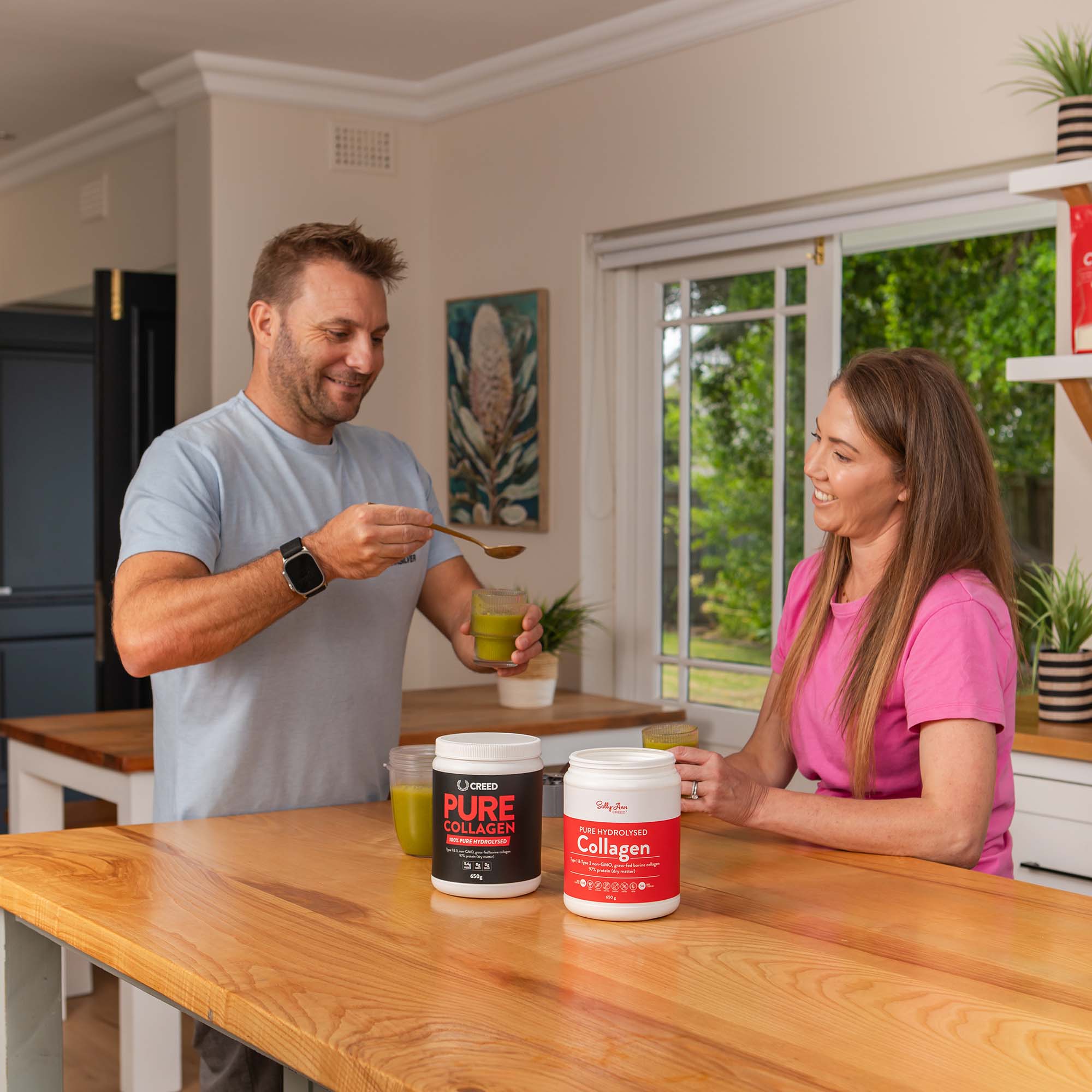
What to expect from Pure Hydrolysed Collagen
Everyone’s different, of course, and results will vary according to your age, diet and state of health, but generally you will see the first results in a few days. Bear in mind your body takes 3-4 months to replenish body tissue and increase the body’s collagen levels. When taken consistently, most people find their hair, skin, nails and joints all improve and remain that way. A good way to measure what to expect when you take our Pure Hydrolysed Collagen is to (a) take a picture of your face and hair before you start. (b) write down all the things you want to change (thin nails, sore joints, hair loss, wrinkles, cellulite, floaters in the eyes etc). Then go back in 3 months’ time and see how many of these symptoms have disappeared. You do need to give your body time to replenish collagen levels and see results even though some see immediate results. Collagen should be taken daily – it is food – and if used daily will produce sustained results. Even if not for cosmetic reasons, for the sake of your bones, cartilage, organs, and gut lining. It is a marvellous supplement for everyone. When it comes to health and beauty, consistency is key. There’s no magic bullet, although we do admit collagen does come close. These results will last as long as you take it as it reverses the body’s decline and keeps you younger (on the inside and outside) much longer. You won’t live forever, but you’ll have a better quality of life and look a lot better too. Bovine collagen (which is type 1 – the kind found in our Pure Hydrolysed Collagen) is the most abundant in the body – therefore the most important one to take. Type 2 is also a good idea, but as it’s in short supply right now – bear in mind that type 1 STIMULATES the production of type 2 in the body. Collagen is a protein present in all the body’s organs and tissues. Type 1 collagen provides the matrix that sustains the body’s structure in hair, skin, nail, and bones. The collagen molecule is too large to be absorbed topically on the skin. This is why collagen creams DO NOT work as a delivery mechanism for collagen. Our Grace skincare uses collagen’s hygroscopic nature to store moisture while your skin naturally absorbs it. Collagen’s main function is to sustain tendons, skin and cartilage. It provides integrity, firmness and elasticity to their structures and maximising collagen levels in your body will keep your skin supple more than any other protein supplement. Collagen begins to decline in the body around the age of 20-25, and signs this is happening include: The onset of, increase in, or deepening of wrinkles Decrease in skin elasticity Decrease in skin moisture levels Stretch marks Getting a head start in your 20’s is the best way to age well. It’s a complex protein made from many different amino acids but most abundantly proline, glycine, lysine and hydroxyproline. These are not present in muscle meats! We don’t eat enough collagen-containing gristle and broths in the modern diet to get these valuable amino acids. That’s why collagen is such a precious supplement. Hydrolysed Collagen is more easily digested and absorbed within 30 minutes and is beneficial in replacing the synovial fluids between the joints helping repair and rebuild the cartilage weakened by overuse through impact and stress. The human body is made up of 30% collagen, of which 70% are connective tissue. It will benefit hair, skin tissue, muscle, cartilage, ligaments and blood cell growth. From the age of 25, collagen levels decrease at a rate of ~1.5% a year. By the age of 40, collagen is depleted faster than it is produced! And by age 60, over half of the body’s collagen has been depleted. It’s collagen which holds us together. It’s found in skin, ligaments, cartilage, tendons, muscles, bone tissue, blood vessels, intervertebral discs, gastrointestinal tract and even in the cornea of the eye. We believe it’s one of those supplements everyone should take for more youthful looking skin, to reduce inflammation, and heal your gut. Collagen is a true nutritional powerhouse.
Read more
Collagen, Vitamin D and K2
You know, Vitamins D and K are the dynamic duo of vitamins – they’re both fat-soluble and play a really important role in how our bodies handle calcium. So, let’s break it down a bit. Vitamin D, the sunshine vitamin, is this cool fat-soluble powerhouse that can come from foods like yummy fatty fish, dairy treats, and eggs. But guess what? Our own skin gets in on the action too by making it when we soak up some sunlight. And the thing it’s super good at is helping our bodies absorb calcium in our guts, which is essential for strong bones and stuff. Then we’ve got Vitamin K, another fat-soluble rockstar. It comes in two flavours: Vitamin K1, which hangs out in leafy greens, and Vitamin K2, which prefers the company of fermented dairy and friendly lactic acid bacteria in our gut. And these two, Vitamin D and Vitamin K, they’re like the dream team when it comes to keeping our bodies happy. They tag-team for bone health, heart wellness, making sure glucose behaves itself, and even tackling inflammation. But here’s the twist – when these two get together, the magic really happens. Taking them as a pair might do even more wonders for your bones and heart than just popping them solo. So, it’s like a double-win for your wellbeing, and that’s a pretty rad reason to chow down on a rainbow of foods, from crisp veggies to creamy fermented dairy. By the way, if you’re thinking about Vitamin D and calcium, it’s not all sunshine and rainbows. If we’re not careful and our Vitamin K levels are low, too much D and calcium might end up doing a weird dance with our soft tissues, and that’s not good. So, a balanced diet is kind of like your secret weapon against sneaky long-term health troubles. Oh, and guess what? Collagen wants in on the action too! Studies have shown that tossing 5 grams of collagen into your daily mix could give your bones an extra boost in density. So there you have it – the scoop on these superstar vitamins. Time to soak up some sun, savour those greens, and maybe even share a spoonful of yoghurt with those friendly bacteria in your belly! All of these are available in our online store here: https://sallyanncreed.co.za/shop
Read more
Collagen Types 1, 2 and 3 - Know the important differences
Many people ask us what the difference is between the various collagen types. Certain types are better taken together as they occur in nature (type I & III as you’ll find in our Pure Hydrolysed Collagen), and it’s best to take our Pure Hydrolysed Super Chicken Collagen (type II) separately from the Pure Hydrolysed Collagen because you will get much better results as they have different amino acid profiles. Aside from water, collagen is the most plentiful substance in our bodies, and a building block for skin, tendons, and bones. Collagen types contain different proteins which serve separate purposes within the body. Types I & III can be taken together (they occur together naturally in bovine collagen) and support skin, muscles, bones, and hair and nail growth and maintenance. Collagen Type II protein makes up the fluids and function in the cartilage and joints. That’s why type II collagen should be taken separately from Types I & III to ensure adequate absorption. There are 19 amino acids found in Collagen Types I & III – each essential to functions and maintenance within skin, muscles, and bones. These types are produced by fibroblasts (cells in connective tissues) and osteoblasts (cells that make bones). Over 90% of collagen in the body is Type I & III Collagen and this collagen is high in glycine, proline, alanine, and hydroxyproline. Glycine – the amino acid found at the highest levels in collagen, requires more serine than our bodies can naturally produce. Studies suggest the need for glycine supplementation to achieve ideal metabolic processes. Proline – a non-essential amino acid synthesised from glycine and important in function of joints and tendons Hydroxyproline – an amino acid that plays an essential role in the stability of collagen Alanine – the amino acid used in the biosynthesis of proteins Collagen Type II is produced by chondrocytes (the non-cellular matrix of cartilage) – a liquid-like filling within the cartilage. Why supplement with collagen if it already naturally occurs in the body? Over time, the ideal levels of collagen our bodies naturally produce begin to wane. Collagen fibres break down or no longer regenerate, and lead to a “deflation” effect on the surface of the skin. The diminishing effects of reduced collagen Type II are less obvious and often go unnoticed or are considered “normal” for the ageing process. Research indicates that by the age of 40, the body’s ability to produce collagen decreases by 25%. By age 60, it has decreased by over 50%. Despite being made up of some non-essential amino acids, the supply of ideal levels of naturally occurring collagen cannot meet the demand. Though it is possible to obtain extra collagen through diet (consuming a fair amount of animal products such as gelatinous meats, the cartilage on bones such as chicken drumsticks, and skin from poultry), it is very difficult to eat enough to support the body’s growing requirements. Collagen Types I & III for Hair, Skin, Nails, and Bones minimise fine lines and wrinkles improve elasticity support the bone matrix (36% of bone is made up of collagen Type 1 and 3) correct weak or damaged nail beds thicken fine hair, slows hair loss improve circulation promote glycine production which builds leans muscle and helps burn fat during sleep increases skin hydration by 28% decreases micro-furrows by 26% increases skin suppleness by 19% Collagen Type II for Joint and Cartilage Support makes up 50-60% of protein in cartilage makes up 85-90% of collagen in articular cartilage may reduce popping knees may support back, jaw, and joints includes glucosamine, chondroitin, and hyaluronic acid We suggest taking Type II Collagen at bedtime on an empty stomach. To improve effectiveness, do not take in conjunction with Type I & III. High-quality collagen is appropriate and beneficial for adults of all ages. Our Pure Hydrolysed Collagen is the best there is – grass-fed, non-GMO, no hormones or steroids and 100% pure. Get yours from our online store here.
Read more
Why collagen is good for men
For years, women have been using collagen to keep their hair, skin, joints and bones healthy. It’s been proven time and time again to be incredibly beneficial in keeping us looking young and feeling even younger! As men age, their collagen production decreases, leading to a decline in overall health and well-being. The good news is that there is growing evidence that men can also benefit from taking collagen supplements. Recent research suggests that supplementing with collagen may have numerous benefits for men’s health, both inside and out! 1. Collagen improves joint health in men Joint pain and stiffness are common problems among men, particularly those who engage in physically demanding activities or sports. As men age, their joint cartilage deteriorates, leading to conditions such as osteoarthritis. A study published in the International Journal of Medical Sciences in 2020 investigated the effects of collagen supplementation on knee osteoarthritis. The researchers found that collagen significantly reduced pain, stiffness, and physical function limitations in men with knee osteoarthritis. The study concluded that collagen supplementation may be an effective strategy for managing osteoarthritis-related symptoms in men. A 2021 systematic review in the Journal of the American College of Nutrition analysed data from 17 randomised controlled trials involving a total of 1,558 participants and found that collagen supplementation was associated with significant improvements in joint pain and function compared to placebo. What an incredible result! You can enjoy all these benefits with our incredible Creed Collagen available in our online store here 2. Collagen may enhance muscle mass and strength in men Muscle mass and strength in men decline with age, leading to several health problems, including frailty and disability. However, research suggests that collagen slows down this process by promoting muscle growth and regeneration. A study published in the Journal of the International Society of Sports Nutrition in 2019 investigated the effects of collagen on muscle mass and strength in older men, and found that collagen supplementation increased muscle mass and strength in men aged 60-80 years. Unsurprisingly, collagen is incredibly powerful in preventing age-related muscle loss and improving overall muscle health in older men. 3. Collagen may improve skin health in men Collagen is a major component of the skin, and its decline is a key contributor to skin ageing, including wrinkles and sagging. While most studies on collagen supplementation and skin health have focused on women, there is evidence that men can also benefit from taking collagen. A 2020 study published in the Journal of Cosmetic Dermatology investigated the effects of a collagen supplement on skin ageing in men. The study involved 61 men aged 30–60 years who took a collagen supplement or a placebo for 12 weeks. The researchers found that collagen supplementation led to significant improvements in skin elasticity, hydration, and roughness. Who says men can’t enjoy wonderful skin?? 4. Collagen may help improve gut health in men The gut is an important organ that plays a crucial role in digestion, nutrient absorption, and immune function. However, many men suffer from gut problems such as bloating, constipation, and diarrhoea, which can affect their overall health and wellbeing. A 2018 study published in the Journal of Nutritional Science and Vitaminology, involving 32 men who took a collagen supplement or a placebo for four weeks, found that collagen led to significant improvements in bowel movement frequency, stool consistency, and overall gut satisfaction. 5. Improves Heart Health Collagen also plays a vital role in heart health, as it is a major component of blood vessels. A study published in Nutrients in 2021 investigated the effects of collagen supplementation on cardiovascular risk factors in men with mild hypertension. The researchers found that collagen supplementation significantly reduced blood pressure, arterial stiffness, and inflammation compared to placebo. The study suggested that collagen supplementation may be an effective strategy for improving cardiovascular health in men with mild hypertension. As you can see, collagen has numerous benefits for men’s health, including improved joint health, muscle growth, skin, gut, and heart health. The evidence suggests that collagen supplementation may be a promising strategy for managing age-related health issues in men. It’s been working wonders for women for years, so why shouldn’t it work for men too? Try our amazing new Creed Collagen at 20% off here. Give it a few weeks to kick in and you’ll be amazed at the results! Sources: “Effect of Collagen Hydrolysate in Articular Pain: A 6-Month Randomized, Double-Blind, Placebo Controlled Study” – International Journal of Medical Sciences (2020) https://www.ncbi.nlm.nih.gov/pmc/articles/PMC7043085/ “Effects of Collagen Peptide Supplementation and Resistance Training on Body Composition and Skeletal Muscle Strength in Elderly Men: A Randomized Controlled Trial” – Journal of the International Society of Sports Nutrition (2019) https://jissn.biomedcentral.com/articles/10.1186/s12970-019-0326-5 “Oral supplementation of specific collagen peptides has beneficial effects on human skin physiology: a double-blind, placebo-controlled study” – Journal of Cosmetic Dermatology (2019) https://onlinelibrary.wiley.com/doi/abs/10.1111/jocd.12174 “Collagen Peptides Improve Endothelial Function and Prevent Blood Pressure Increases in Aging Males with Mild Hypertension” – Nutrients (2021) https://www.ncbi.nlm.nih.gov/pmc/articles/PMC7941579/ “Collagen Supplementation for Joint Health: The Link between Composition and Scientific Knowledge” https://www.ncbi.nlm.nih.gov/pmc/articles/PMC10058045/ “Collagen peptide supplementation in combination with resistance training improves body composition and increases muscle strength in elderly sarcopenic men: a randomised controlled trial” https://www.ncbi.nlm.nih.gov/pmc/articles/PMC4594048/
Read more
Collagen and leaky gut
Leaky gut is a condition that occurs when the lining of the small intestine becomes damaged, allowing undigested food particles, toxins, and bacteria to leak into the bloodstream. This can cause a variety of health problems, including inflammation, digestive issues, and autoimmune disorders. One way to help repair the damage caused by leaky gut is to incorporate collagen into your diet. Collagen is a protein that is found in the connective tissues of animals, including the skin, bones, and tendons. It is also the main component of cartilage, which is the cushioning tissue between joints. Our non-GMO, grass-fed Pure Hydrolysed Collagen is the best form of collagen you can get. Collagen has been shown to have a number of health benefits, including improving skin health, reducing joint pain, and promoting healthy digestion. It is also a key component in the gut lining, and can help to strengthen and repair damaged tissue. There are several ways to incorporate collagen into your diet. One option is to consume bone broth, which is made by simmering bones and connective tissue in water for several hours. This process releases collagen and other nutrients into the broth, making it a rich source of gut-healing nutrients. Another option is to take a collagen supplement. These supplements come in various forms, including powders, capsules, and liquids. They are typically made from animal sources, such as beef or fish, and are designed to be easily absorbed by the body. When selecting a collagen supplement, it is important to choose a high-quality product that is free from additives and fillers. Look for supplements that are sourced from grass-fed, pasture-raised animals, as these are more likely to be free from harmful contaminants. In addition to supplementing with collagen, there are other steps you can take to support gut health. These include eating a healthy, balanced diet that is rich in fiber and nutrients, avoiding processed and sugary foods, and managing stress levels. You may also want to consider taking a probiotic supplement, which can help to restore the balance of good bacteria in the gut. Probiotics are live bacteria and yeasts that are beneficial to the body, and can help to reduce inflammation and support immune function. It is important to note that while collagen can be a helpful tool in healing leaky gut, it is not a cure-all. If you suspect that you may have leaky gut or other digestive issues, it is important to consult with a healthcare professional for proper diagnosis and treatment. So while a leaky gut can cause a variety of health problems, remember that it can be treated through diet and lifestyle changes. Our non-GMO, grass-fed Pure Hydrolysed Collagen is a powerful tool in repairing the damage caused by leaky gut. The best part is that it’s virtually odourless and tasteless, so you can easily add it to your daily routine. By incorporating collagen and other gut-healing nutrients into your diet, you can support overall gut health and improve your overall well-being.
Read more
The truth about collagen and heat
We’ve been reading so many FALSE claims that collagen should not be added to hot drinks as it damages the collagen, rendering it ineffective. This is absolute nonsense, and we’re going to explain why in this article. Native collagen, also called raw collagen, is extracted through a softening process which allows the collagen to separate from connective tissue. This is then extracted safely from raw materials (animal skin, bone and / or cartilage). This ‘raw’ collagen is actually quite a big molecule, and is formed by three chains that form a triple helix structure. Because of its spatial structure and high molecular weights, native collagen is naturally insoluble in water. Collagen peptides however, are made from native / raw collagen that is then hydrolysed either through a chemical or enzymatic process. This means that the collagen is not ‘cooked’ in the same way as the gelatine is. Our Pure Hydrolysed Collagen is just that – nothing but pure hydrolysed collagen peptides, ready to be absorbed by our bodies. That leads us to how we take it. Once collagen is completely hydrolysed, it’s easy to take because it dissolves in liquids and is virtually tasteless and odourless. A recent study has shown that hydrolysed collagen is only further affected by temperatures over 300ºC, which is way hotter than your coffee could ever be. What this really means is that there is nothing to be concerned about when it comes to adding collagen to hot drinks or even stews. While we’re talking about coffee, we’ve also seen some articles stating that coffee prevents the absorption of collagen. This is also FALSE. Unfortunately people are misreading the study that shows how caffeine inhibits the body’s natural production of collagen, so it’s actually vitally important to supplement with collagen if you’re a coffee drinker. This is why it’s very important that you get your information from trusted sources. So next time someone tells you that you shouldn’t be adding collagen to your coffee, or try to convince you of the danger of mixing collagen and heat, you can show them the real science! Sources: Donejko M, Przylipiak A, Rysiak E, Głuszuk K, Surażyński A. Influence of caffeine and hyaluronic acid on collagen biosynthesis in human skin fibroblasts. Drug Des Devel Ther. 2014 Oct 15;8:1923-8. doi: 10.2147/DDDT.S69791. PMID: 25342885; PMCID: PMC4206198. Bozec L, Odlyha M. Thermal denaturation studies of collagen by microthermal analysis and atomic force microscopy. Biophys J. 2011 Jul 6;101(1):228-36. doi: 10.1016/j.bpj.2011.04.033. PMID: 21723833; PMCID: PMC3127184.
Read more
How to use our Grace skincare range
Morning Routine Step One: Cleanser Our Daily Cleanser contains glycerine, niacinamide and squalene. Each of these ingredients has specially been included thanks to their amazing effects on the skin. Together they complement each other to produce a nourishing, age defying cleanser that leaves your skin makeup-free, and hydrated. It is a gentle gel cleanser that foams up superbly, removing makeup and impurities effortlessly. It is suitable for all skin types and you can say goodbye to tight, dried out skin along with poorly removed makeup panda eyes, and hello to a radiant, clean complexion. How to use: Apply a small, pea sized dollop onto your fingertips, gently lather onto a wet face and rinse off thoroughly. Suitable for morning and evening use Learn more about our Cleanser here: https://sallyanncreed.co.za/product/sally-ann-creed-daily-cleanser-125ml/ Step Two: Collagen Serum Our Collagen Serum contains Hyaluronic Acid (HA) and is an ultra hydrating, specially formulated serum to help your skin lock in moisture while reducing the signs of fine lines and wrinkles. This serum provides instant skin radiance and rejuvenation as well as long term restorative effects. Collagen particles cannot penetrate the skin as the molecules are too large, however they are able to create an incredibly moisture-rich layer that the hyaluronic acid molecules are able to absorb moisture from to transport into the deeper layers of the dermis. This dual action results in less wrinkles and fine lines – on the skin’s surface, the outermost layer is noticeably plumper and more hydrated, while the lower layers of the skin benefit long term with increased moisture stores. If this weren’t enough, we have also incorporated rosehip oil due to its naturally high Vitamin C content, meaning it further stimulates collagen production within the skin while providing anti-ageing properties, and essential fatty acids known to support the skin and its skin barrier. How to use it: While the skin is still damp, apply 1 pump onto fingertips and gently smooth onto face. Learn more about our Collagen Serum here: https://sallyanncreed.co.za/product/sally-ann-creed-collagen-serum-30ml/ Step Three: Vitamin C Serum Vitamin C is a phenomenal active ingredient known in the skincare industry for its antioxidant properties. It is able to stimulate skin cell renewal as well as promote collagen production within the skin. When applied topically, Vitamin C accelerates the skin turn over and promotes more plump, hydrated skin cell growth. Although it is such a powerhouse compound, it is highly unstable, meaning it is quick to oxidise. For this reason we created a Vitamin C Serum that contains Vitamin E and IntenCfy (ergothioneine & mannitol). Together these actives encourage stability while delivering a high potency, antioxidant formulation that the skin loves! It also provides amazing phyto-protection. This means that the sun’s UVA and UVB radiation will not have such detrimental effects long term, as the ingredients are able to protect the cells from this damage. If this weren’t enough, we incorporated turmeric to provide a soothing, anti-inflammatory quality to this serum, while further strengthening its antioxidant potency. How to use: Apply 1 pump onto fingertips, gently smooth onto face before applying moisturizer Learn more about our Vitamin C Serum here: https://sallyanncreed.co.za/product/sally-ann-creed-vitamin-c-serum-30ml/ Step Four: Collagen Moisturiser Our Collagen Moisturiser is ultra hydrating, and specifically formulated to nourish the outermost layer of the skin while improving long term skin health and appearance due to the inclusion of hyaluronic acid in the formulation. When applied topically, collagen is able to create a moisture rich film on the surface of the skin’s epidermis. This provides instant hydration to the outermost layer of the skin and results in a visibly plumper look and more hydrated feel. The hyaluronic acid is then able to transport the retained water on the skin to the deeper skin layers, replenishing the hyaluronic acid stores while providing more moisture on a deeper level. Together these actives create an ultra nourishing formulation, shown to have both short and long term benefits to the skin while reducing the appearance of fine lines and wrinkles. Further to this, we included the aromatherapy properties of neroli. This inclusion provides the moisturiser with a natural, subtle aroma while soothing the skin due to its natural anti-inflammatory, and anti-microbial properties. How to use: Apply a small amount to face and neck area, both morning and night after serums Learn more about our Collagen Moisturiser here: https://sallyanncreed.co.za/product/sally-ann-creed-collagen-moisturiser-50ml/ Evening Routine Step One: Cleanser Our Daily Cleanser contains glycerine, niacinamide and squalene. Each of these ingredients has specially been included thanks to their amazing effects on the skin. Together they complement each other to produce a nourishing, age defying cleanser that leaves your skin makeup-free, and hydrated. It is a gentle gel cleanser that foams up superbly, removing makeup and impurities effortlessly. It is suitable for all skin types and you can say goodbye to tight, dried out skin along with poorly removed makeup panda eyes, and hello to a radiant, clean complexion. How to use: Apply a small, pea sized dollop onto your fingertips, gently lather onto a wet face and rinse off thoroughly. Suitable for morning and evening use. Learn more about our Cleanser here: https://sallyanncreed.co.za/product/sally-ann-creed-daily-cleanser-125ml/ Step Two: Collagen Serum Our Collagen Serum contains Hyaluronic Acid (HA) and is an ultra hydrating, specially formulated serum to help your skin lock in moisture while reducing the skins of fine lines and wrinkles. This serum provides instant skin radiance and rejuvenation as well as long term restorative effects. Collagen particles cannot penetrate the skin as the molecules are too large, however they are able to create an incredibly moisture-rich layer that the hyaluronic acid molecules are able to absorb moisture from to transport into the deeper layers of the dermis. This dual action results in less wrinkles and fine lines – on the skin’s surface, the outermost layer is noticeably plumper and more hydrated, while the lower layers of the skin benefit long term with increased moisture stores. If this weren’t enough, we have also incorporated rosehip oil due to its naturally high Vitamin C content, meaning it further stimulates collagen production within the skin while providing anti-ageing properties, and essential fatty acids known to support the skin and its skin barrier. How to use it: While the skin is still damp, apply 1 pump onto fingertips and gently smooth onto face. Learn more about our Collagen Serum here: https://sallyanncreed.co.za/product/sally-ann-creed-collagen-serum-30ml/ Step Three: Retinol Serum Retinol is a Vitamin A derivative that is known in the beauty industry as the ‘holy grail’ of skincare. The reason for this being that it is able to stimulate skin cell turnover while reducing collagen breakdown and prompting collagen production. As we age our collagen production naturally decreases, and the constant sun exposure and day-to-day wear and tear accelerates this breakdown. Retinol is like a skin cell-communicator that encourages growth, revealing new skin cells that are rich in collagen resulting in a smoother, firmer and tighter skin appearance. How to use: At night, apply 1 pump onto fingertips, and gently smooth onto face If new to retinol, limit use to two times per week. Thereafter increase use to every second night for two weeks, building up to nightly application. Always use retinol after water serums but before heavier treatments Important to note: Do not use in conjunction with other retinoid treatments. Retinoids can make the skin more sensitive to UV radiation. Always ensure that you make use of sun protection while incorporating retinoids into your skincare regime. Acne prone skin may experience an increase in acne during the first few weeks of application. This is known as ‘purging’ and should clear with time. When pregnant or breastfeeding, it is recommended to avoid any skincare products that contain retinoids. When it comes to retinol, it is important to remember two things. Firstly, patience is key. Build up your skin tolerance slowly as it can take 3 – 6 months of consistent use before improvements are apparent. Secondly, Vitamin A (regardless of the derivative form and application) increases skin sensitivity and in particular sun sensitivity. Always use sunscreen when incorporating this product into your regime. Learn more about our Retinol Serum here: https://sallyanncreed.co.za/product/sally-ann-creed-retinol-05-serum-30ml/ Step Four: Collagen Moisturiser Our Collagen Moisturiser is ultra hydrating, and specifically formulated to nourish the outermost layer of the skin while improving long term skin health and appearance due to the inclusion of hyaluronic acid in the formulation. When applied topically, collagen is able to create a moisture rich film on the surface of the skin’s epidermis. This provides instant hydration to the outermost layer of the skin and results in a visibly plumper look and more hydrated feel. The hyaluronic acid is then able to transport the retained water on the skin to the deeper skin layers, replenishing the hyaluronic acid stores while providing more moisture on a deeper level. Together these actives create an ultra nourishing formulation, shown to have both short and long term benefits to the skin while reducing the appearance of fine lines and wrinkles. Further to this, we included the aromatherapy properties of neroli. This inclusion provides the moisturiser with a natural, subtle aroma while soothing the skin due to its natural anti-inflammatory, and anti-microbial properties. How to use: Apply a small amount to face and neck area, both morning and night after serums Learn more about our Collagen Moisturiser here: https://sallyanncreed.co.za/product/sally-ann-creed-collagen-moisturiser-50ml/
Read more