Articles


Constipation - the uncomfortable truth
Bowel habits are a crucial indicator of a person’s overall well-being. They can become disturbed when a person is out of their natural environment. In the hospital setting, several factors influence patients’ bowel movements, including changes in diet and fluid intake, reduced mobility, certain medications, psychological stress, and disruptions to their everyday routine. The Bristol Stool Chart is a clinical assessment tool (used in hospitals and clinics) that was made in 1997. There are 7 types of stools (poop) according to the chart. The type depends on how long it is spent in your colon. What you see in the toilet reflects your diet, fluid intake, medication and lifestyle. We’re all a little different, but the goal is to have stools that are soft, easy to pass and regular like type 3 or 4 on the chart. Type 1-2 indicate constipation, Type 3-4 are ideal stools as they are easier to pass Type 5-7 may indicate diarrhoea and urgency We often hear the term “being regular”, but what does it really mean when it comes to gut health? A healthy bowel doesn’t mean you have to go every day. It’s totally normal to have a bowel movement: Anywhere from 3 times a day to 3 times a week As long as it’s comfortable, well-formed, and easy to pass So, being “regular” is more about how you go than how often. Signs of a good bowel function in adults: You can hold it for a little while after feeling the urge Once you sit down, you’re able to go within about a minute You don’t need to strain and the stool isn’t hard or dry You feel fully empty after, no need to go again right away What about kiddies? Children are often trained by around 3 years old but of course occasional accidents can happen. Why do kiddies soil? It’s actually usually linked to constipation. If poo builds up in the bowel, it can “stretch” the bowel and reduce the urge to go. Soft or runny stools can leak out around hard stools and you might see “skid marks” or full accidents, even if it seems like the child isn’t constipated. And please know, this is more common than you think. If this continues, it’s a good idea to chat to your local paediatrician or dietitian. They can help identify whether hydration, fibre intake or emotional factors may be playing a role. Sources: Yaseen S, Abuelass F (2026) Continence Health Australia (2024)
Read more
The new Dietary Guidelines for Americans (2025-2030)
“The consequences have been devastating. More than 70% of American adults are overweight or obese. Nearly one in three American adolescents between the ages of 12 and 17 has prediabetes. Diet-driven chronic disease now disqualifies large numbers of young Americans from military service” The new US Dietary Guidelines for Americans (2025-2030) have been released, and as with any major nutrition guideline update, there’s already plenty of discussion, debate and differing opinions. And that’s great! But, at Sally-Ann Creed, we’re not here for politics or headlines. We’re here for science. We’ve taken time to read the guidance, look at the evidence it’s built on and consider what it means in real life, because “what works on paper” and “what works for a human being with a busy life, preferences, culture, budget and health goals” aren’t always the same thing. The pyramid itself One reason these guidelines often feel controversial isn’t because the science is new, it’s because the way the guidance is visualised. Food pyramids are designed to communicate population-level advice quickly. But when people see certain foods placed prominently in a pyramid, it can feel like: “This is all I’m allowed to eat.” In reality, these visuals are not intended to dictate exact portions, exclude foods or prescribe strict meal plans. They show relative emphasis, not rules. What these models cannot account for is individual blood sugar regulation, appetite control, physical activity, cultural eating patterns, food access or personal health goals. This is where individualised nutrition matters. Where there is broad agreement: Nutrition works best when we look at the whole dietary patterns, not single nutrients in isolation. Dietary quality matters more than chasing individual foods or supplements. Adequate protein is important at every stage of life. There is growing concern about the health effects of highly and ultra-processed foods. There should be a shift towards prevention rather than cure. Large, well-designed studies repeatedly show that diets rich in vegetables and fruit, legumes and whole grains, nuts and seeds and quality protein sources are linked to a lower risk of heart disease, type 2 diabetes and early mortality. This reflects how nutrition science has evolved over time. Rather than focusing narrowly on single nutrients, the emphasis has shifted toward how foods are eaten together, the quality of the diet as a whole, and what supports health long-term and sustainably (Talegawkar et al 2024). As noted in the evidence underpinning the guidelines, diets should prioritise whole, nutrient-dense foods such as protein, dairy, vegetables, fruits, healthy fats and whole grains, while significantly reducing highly processed foods that are often high in refined carbohydrates, added sugars, excess sodium, unhealthy fats and chemical additives. Now let’s look a bit more into the individual macro nutrients: Carbohydrates: The Dietary Guidelines are not prescriptive meal plans, nor do they promote carbohydrate restriction, although the visual pyramid can sometimes create confusion. Their emphasis is on: Improving carbohydrate quality. Limiting added sugars and refined products. Encouraging fibre-rich carbohydrate sources within balanced dietary patterns. This distinction is often lost in public conversation. The focus is not “no carbs” but better carbs. The guidelines support carbohydrates that contribute fibre, micronutrients and metabolic health, rather than refined, highly processed options. Carbohydrate quality also plays a key role in gut health. Your gut contains trillions of microorganisms that influence digestion, immunity and metabolic function. Diets high in highly processed foods can disrupt this balance, while vegetables, fruit, fermented foods (such as sauerkraut, kimchi, kefir and miso) and fibre-rich foods support a more diverse and resilient microbiome. Greater microbial diversity is increasingly associated with better health outcomes. Protein: While earlier dietary guidance was often interpreted as discouraging higher protein intake in favour of carbohydrate-heavy patterns, the current guidelines align more closely with the scientific evidence by emphasising high-quality, nutrient-dense protein at every meal. This includes a variety of animal-based sources such as eggs, poultry, seafood and red meat, alongside plant-based proteins including beans, peas, lentils, legumes, nuts, seeds and soy foods. Adequate protein intake is recognised as essential across the lifespan for muscle health, metabolic function, satiety and overall resilience. Highly processed foods: For the first time, the Dietary Guidelines directly highlight the health concerns associated with certain highly processed foods. The guidance recommends avoiding “highly processed packaged, prepared, ready-to-eat or other foods that are salty or sweet,” and specifically advises against sugar-sweetened beverages such as sodas, fruit drinks and energy drinks. Previous guidelines were often criticised for being vague around added sugars, particularly in early childhood. The updated guidance takes a clearer position, stating that no amount of added sugars or non-nutritive sweeteners is recommended or considered part of a healthy dietary pattern, and strongly advises parents to avoid added sugars entirely for children aged four years and under. Fat: Rather than focusing on fat reduction, the guidelines emphasise fat quality. They recommend that most dietary fat come from whole-food sources such as meat, poultry, eggs, omega-3 rich seafood, nuts, seeds, full-fat dairy, olives and avocados. When fats are added during cooking or preparation, the guidance supports using nutrient-dense options with essential fatty acids, such as olive oil. This reflects a continued shift away from blanket low-fat messaging toward a more nuanced, evidence-based understanding of dietary fat. Taken together, the 2025–2030 Dietary Guidelines reinforce a message that has been building for years: diets must prioritise whole, nutrient-dense foods and significantly reduce reliance on highly processed products. Paired with improved protein adequacy and better carbohydrate quality, this approach has the potential to meaningfully shift long-term health outcomes. The most effective diet is not the one that looks best on a pyramid, but the one that can be sustained long-term while supporting metabolic health, strength and overall wellbeing. We’d love to know what you think about the pyramid. If you have thoughts, questions or reflections, please send us an email, we’d love to hear from you. Sources: Talegawkar S, Tobias D, Fung T, Giovannucci E, Hoelscher DM, Anderson CAM, Booth S, Deierlein A, Gardner C, Raynor H, Stanford FC, Taylor C, English LK, Reigh N, Higgins M, Butera G, Callahan E, Huang S, Raghavan R, Terry N, Obbagy J. Dietary Patterns and Risk of Type 2 Diabetes: A Systematic Review . Alexandria (VA): USDA Nutrition Evidence Systematic Review; 2024 Nov. PMID: 39817923. Ahmad S, Moorthy MV, Demler OV, et al. Assessment of Risk Factors and Biomarkers Associated With Risk of Cardiovascular Disease Among Women Consuming a Mediterranean Diet. JAMA Netw Open. 2018;1(8):e185708. Published 2018 Dec 7. doi:10.1001/jamanetworkopen.2018.5708 U.S. Department of Health and Human Services. Fact Sheet: Historic Reset of Federal Nutrition Policy. 2025. Available here https://cdn.realfood.gov/DGA.pdf
Read more
All about Akkermansia
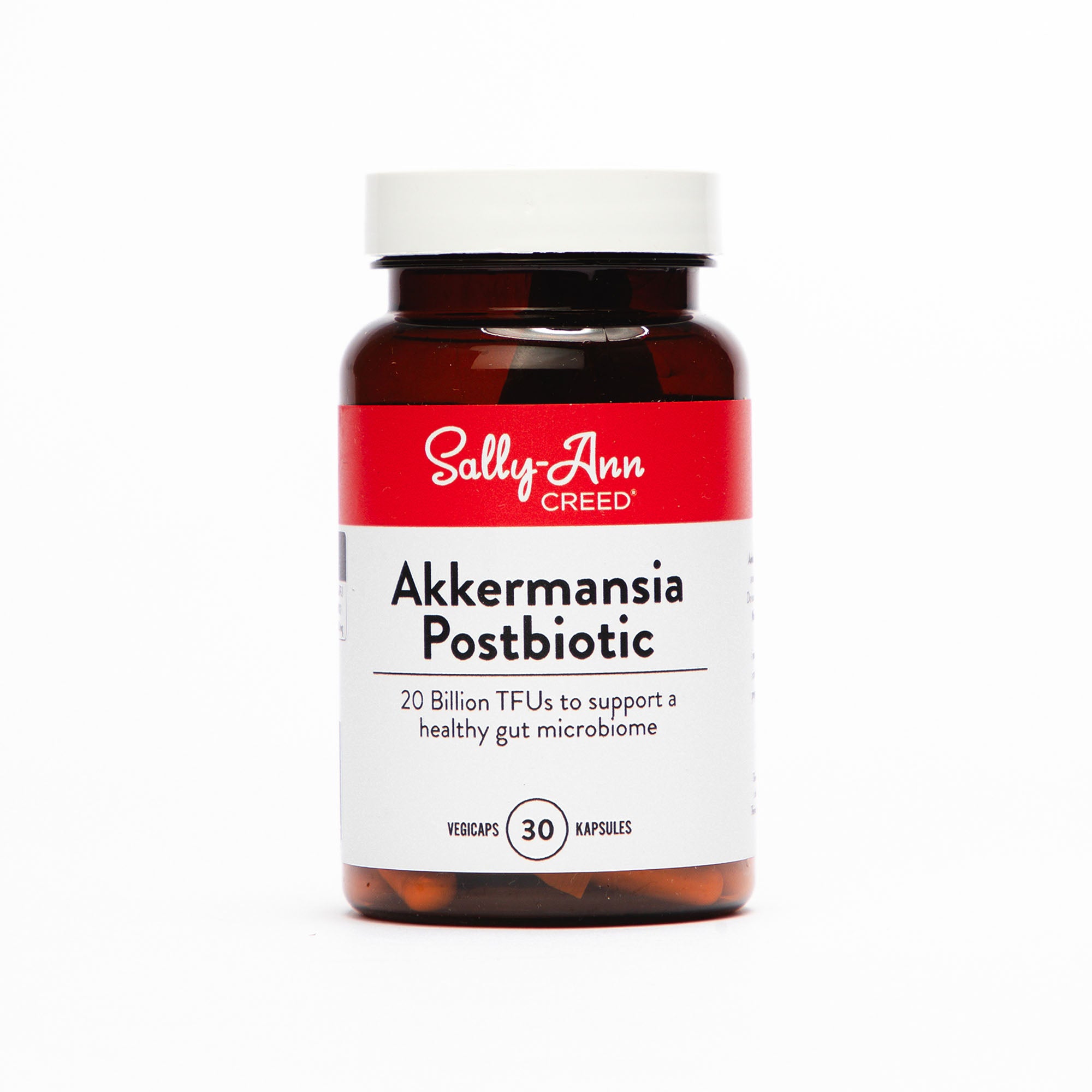
Gut health is a major focus in modern nutrition science. This is because the gut plays a huge role in your immunity, nutrient absorption, metabolism and communication with the rest of the body. That’s why interest in the gut microbiome has grown so rapidly. Among the trillions of microbes that live in the gut, certain species appear to play a more specialised role in supporting gut function and metabolic signalling. If you’ve been hearing more about Akkermansia muciniphila it’s because this unique gut bacterium has shown incredible gut barrier function, metabolic signalling and microbiome health, with human clinical research to support its role. It’s also one of the few so-called “next-generation” gut microbes to be studied in supplement form. Where is Akkermansia muciniphila found? Akkermansia muciniphila is a natural resident of the human gut and was first isolated in 2004, when researchers began identifying microbes that interact directly with the gut’s protective mucus layer. In healthy adults, Akkermansia is estimated to make up around 1-3% of the total intestinal microbiota. While that may sound like a small proportion, its location gives it an outsized influence. Rather than floating freely in the gut, Akkermansia lives in the mucus layer of the large intestine (colon), right next to the gut lining. The mucus layer is the gut’s “protective gel coating” or a physical barrier that helps separate the body from the contents of the digestive tract. Here’s what makes Akkermansia unique: It feeds on mucin, the main building block of this mucus layer In response, the body produces more mucin This helps maintain a strong, healthy gut barrier This discovery reinforced a now well-established concept in nutrition science: the gut microbiota plays an important role in maintaining human health by influencing metabolism and gut barrier function. In population studies, people with higher levels of Akkermansia often show signs of healthier metabolism, such as better blood sugar control, improved insulin sensitivity and lower inflammation. On the other hand, those with lower levels are more likely to show metabolic challenges, including higher blood sugar, insulin resistance and weight gain around the waist. This doesn’t mean Akkermansia causes these outcomes but the association has been observed consistently across multiple studies. Several factors influence Akkermansia levels: Higher fibre intake Colourful, polyphenol-rich plant foods such as berries, pomegranate, cocoa and green tea A generally diverse, plant-rich eating pattern Certain prebiotic fibres, including fructooligosaccharides (FOS) and galactooligosaccharides (GOS), have also been shown to increase Akkermansia levels in some individuals. What is postbiotic Akkermansia? You may be familiar with probiotics (live bacteria), but postbiotics are different. Postbiotics are defined as non-living microorganisms or their components that provide health benefits. In the case of Akkermansia, postbiotic formats typically use pasteurised (heat-inactivated) Akkermansia muciniphila. While the bacteria are no longer alive, their structural components remain intact and can still interact with the gut lining. Akkermansia’s benefits appear to come largely from how it communicates with the gut lining, rather than from colonising the gut long-term like traditional probiotics. Benefits of postbiotic Akkermansia: Interact with the gut mucus layer and gut lining cells Support gut barrier signalling Influence metabolic and immune communication pathways Human research shows in a randomised, double-blind, placebo-controlled trial pasteurised Akkermansia muciniphila was shown to be safe and well tolerated over three months, with improvements in insulin sensitivity and cholesterol markers in overweight, insulin-resistant adults. Is it safe? Yes. The European Food Safety Authority (EFSA) has published scientific opinions concluding that pasteurised Akkermansia is safe (of course not all populations would be suited eg young children, immunocompromised, oncology patients etc). This independent safety assessment provides an added layer of reassurance for consumers. Why choose a postbiotic Akkermansia supplement? As we always say, diet remains the foundation of gut health. Having said that, a postbiotic Akkermansia supplement can be helpful because: You can’t get Akkermansia from food (it’s not found in fermented foods or standard probiotics) Stability and tolerance (because the bacteria are inactivated, postbiotics don’t need to survive digestion and are often perceived as gentler) Our targeted formulation combines: 20 billion TFU of postbiotic Akkermansia muciniphila AKK001 350 mg FOS (fructooligosaccharides), a well-studied prebiotic fibre This dual approach is designed to deliver the studied functional components of Akkermansia, as well as support a fibre-nourished gut environment that benefits the wider microbiome. Rather than focusing on digestion alone, this formula is designed to support gut barrier resilience and metabolic communication- two areas where Akkermansia appears to play a uniquely important role. Sources: Cani PD, de Vos WM. Next-generation beneficial microbes: the case of Akkermansia muciniphila. Front Microbiol. 2017;8:1765. Published September 22, 2017. doi:10.3389/fmicb.2017.01765 Thursby E, Juge N. Introduction to the human gut microbiota. Biochem J. 2017;474(11):1823-1836. Published 2017 May 16. doi:10.1042/BCJ20160510 Geerlings SY, Kostopoulos I, de Vos WM, Belzer C. Akkermansia muciniphila in the human gastrointestinal tract: when, where, and how? Microorganisms. 2018;6(3):75. doi:10.3390/microorganisms6030075 Everard A, Belzer C, Geurts L, Ouwerkerk JP, Druart C, Bindels LB, Guiot Y, Derrien M, Muccioli GG, Delzenne NM, de Vos WM, Cani PD. Cross-talk between Akkermansia muciniphila and intestinal epithelium controls diet-induced obesity. Proc Natl Acad Sci U S A. 2013 May 28;110(22):9066-71. doi: 10.1073/pnas.1219451110. Epub 2013 May 13. PMID: 23671105; PMCID: PMC3670398. Dao MC, Everard A, Aron-Wisnewsky J, Sokolovska N, Prifti E, Verger EO, Kayser BD, Levenez F, Chilloux J, Hoyles L; MICRO-Obes Consortium; Dumas ME, Rizkalla SW, Doré J, Cani PD, Clément K. Akkermansia muciniphila and improved metabolic health during a dietary intervention in obesity: relationship with gut microbiome richness and ecology. Gut. 2016 Mar;65(3):426-36. doi: 10.1136/gutjnl-2014-308778. Epub 2015 Jun 22. PMID: 26100928. Liu E, Ji X, Zhou K. Akkermansia muciniphila for the Prevention of Type 2 Diabetes and Obesity: A Meta-Analysis of Animal Studies. Nutrients. 2024 Oct 11;16(20):3440. doi: 10.3390/nu16203440. PMID: 39458436; PMCID: PMC11510203. Depommier C, Everard A, Druart C, et al. Supplementation with Akkermansia muciniphila in overweight and obese human volunteers: a proof-of-concept exploratory study. Nat Med. 2019;25(7):1096-1103. doi:10.1038/s41591-019-0495-2 EFSA NDA Panel (EFSA Panel on Nutrition, Novel Foods and Food Allergens). Scientific opinion on the safety of pasteurised Akkermansia muciniphila as a novel food pursuant to Regulation (EU) 2015/2283. EFSA J. 2021;19(9):6780. doi:10.2903/j.efsa.2021.6780 EFSA NDA Panel (EFSA Panel on Nutrition, Novel Foods and Food Allergens). Safety of the extension of use of 3-fucosyllactose (3-FL) as a novel food pursuant to Regulation (EU) 2015/2283. EFSA J. 2025;23(4):e9370. doi:10.2903/j.efsa.2025.9370
Read more
What you need to know about Diverticulitis
Most people only hear about diverticulitis when something goes wrong. A scan might show “small pouches” in the bowel or someone goes to emergency with lower-left abdominal pain. But this condition is far more common and far more manageable than many realise. With the right information, you can spot symptoms early, understand flare-ups and make diet and lifestyle choices that support long-term gut health. The broader term diverticular disease covers both diverticulosis and diverticulitis. Diverticulosis: This means small bulges (diverticula) have formed in the wall of the colon. They’re especially common after age 40 or 50. Most people never feel them and only find out during a routine colonoscopy or scan. Diverticulosis is the “quiet” stage of the condition. Diverticulitis: This is when one or more of those pouches becomes inflamed or infected. This is the stage that causes symptoms. Pain is usually sharp or constant and sits in the lower-left abdomen. Fever, nausea, bloating, constipation, diarrhoea or even vomiting may follow. A way to remember is that “itis” means inflammation. What causes diverticular disease? We used to blame just “not enough fibre”, but now we know it’s more complex. Current research suggest it develops due to a combination of factors such as bowel structure, genetics, lifestyle and the gut microbiome. Chronic constipation A long term low fibre diet Obesity and physical inactivity Age: The wall of the colon naturally changes with age, pressure inside the bowel plus areas of weakness can cause pouches to form over time. Certain medication use Symptoms of diverticulitis: During diverticulitis, symptoms may come suddenly or gradually: Sudden or gradual abdominal pain Painful or straining when passing stool Fever, feeling unwell Nauseas and vomiting Constipation or diarrhoea Loss of appetite Blood in the stool If you think you or someone special you know might have diverticulitis, then the usual approach is proper medical diagnosis. This often includes a doctor’s assessment, blood tests to check for infection and sometimes imaging like a CT scan. Thereafter, treatment would involve rest for the inflamed bowel, antibiotics if needed and a clinical modified diet such as a low fibre or temporary liquid diet until the inflammation settles. A dietitian or nutrition doctor specialist will be best to assist with an individualised diet. Once recovered, the focus shifts to gradually reintroducing fibre and supporting long-term gut health to help prevent future flare-ups. Note: A low-fibre diet is only required during diverticulitis (the inflamed, painful stage) and should be used short term to help the bowel rest. Once symptoms improve, fibre should be slowly reintroduced, and in the long term, a higher-fibre diet is actually recommended to support gut health and reduce the risk of future flare-ups. Diet and diverticular disease: what does the evidence say? “Avoid nuts, seeds, popcorn” is outdated (for both diverticulosis and after diverticulitis). Multiple sources and guidelines say there’s no evidence that nuts/seeds/popcorn cause flares. “Intake of peanuts, nuts, and seeds and fresh fruits with edible seeds was not associated with incident diverticulitis.” (Barlowe et al 2025). Fibre is consistently linked with lower risk of developing diverticular disease, but after an episode the picture is a bit more mixed. That said, fibre still plays an important role in overall gut health and bowel regularity. What most doctors and dietitians still recommend once symptoms have settled, is aiming for a fibre-rich eating pattern, focusing on whole foods like vegetables, fruit, legumes, whole grains, nuts and seeds. Food always comes first, but fibre supplements can be helpful if someone struggles to meet their needs through diet alone. Overall diet pattern matters also (not just fibre), a more “Western” pattern and lower risk with more fruit, veg, whole grains and legumes. Ensure to drink lots of water and stay hydrated to prevent constipation and soften the stool. Being active will help with bowel movement. The goal is to help with inflammation control, gut barrier support, bowel regularity and diet quality. So supplements will never replace medical care but will support you: Probiotics may assist with symptom control such as bloating and bowel regularity in diverticulosis but must be taken with medical supervision in a flare or diverticulitis. L-Glutamine supports intestinal integrity and is also fuel for our enterocytes (the cells of the intestinal lining). Also not to be used during acute flare unless doctor/dietitian prescribed. Omega 3 is often recommended to assist with reducing overall inflammation. Fibre supplements such as psyllium husk powder may be recommended to help with stool regularity and consistency. Other supplements that the health professional may recommend will be slippery elm, turmeric (curcumin), magnesium citrate (helpful with bowel regularity) and zinc carnosine (supports gut barrier function). What about collagen? Collagen provides specific amino acids such as glycine, proline and hydroxyproline, which are important building blocks for connective tissue and the gut lining. In theory, these amino acids support gut barrier structure and repair, which is why collagen is often spoken about in the context of gut health. But collagen has not been studied to be a direct treatment plan for diverticular disease, it’s a low residue and easily digested protein, so some people find it a convenient way to add beneficial amino acids, especially when appetite is low or when they’re following a temporary low-fibre/low-residue plan during recovery. The key points to remember: ✅ Diverticular disease is common, manageable and far less frightening once you understand it. ✅ Diverticulosis is common and usually painless. ✅ Diverticulitis is the inflamed, painful stage and needs proper medical care. ✅ A low-fibre diet is short-term only. ✅ Fibre protects the gut long term, but it should be introduced slowly. ✅ Hydration, movement, gut-friendly foods and supplement support (when needed) all play a role in prevention. ✅ Most importantly, every person’s gut is different so personalised advice from a dietitian is ideal.
Read more
What is GlucoGuard?
GlucoGuard is one of our newest and most exciting products. It was developed through the innovative work of scientists who discovered a unique collagen peptide that helps the body manage blood sugar naturally. It’s completely sugar-free, fat-free and derived as a collagen, yet the science behind it is quite remarkable. Most people know collagen for its benefits to skin, joints and hair, but GlucoGuard is a very specific type of collagen peptide. GlucoGuard contains a patented peptide called Nextida™ GC, developed by scientists who discovered that certain collagen-derived peptides can support the body’s own blood-sugar regulation system. Unlike ordinary collagen, this particular peptide works in the gut, where it helps stimulate the release of a natural hormone called GLP-1. How GlucoGuard works GLP-1 plays a major role in how your body handles sugar after you eat, it slows down stomach emptying, helps insulin work more efficiently and promotes a sense of fullness after a meal. By supporting this natural pathway, GlucoGuard helps smooth the sharp rises and falls in blood sugar that many people experience after eating, without any artificial ingredients or stimulants. 5g taken 20-30 minutes before a meal, the peptide travels to your gut where it naturally encourages the release of certain hormones which supports: How quickly food leaves your stomach Support healthy insulin release Reduce the spike in blood sugar after meals Signals fullness to your brain, helping you feel satisfied sooner In other words, it does not “force” your body to do anything unnatural. It simply helps your system work the way it’s meant to. The research This special peptide was identified after years and years of studies. They screened hundreds of natural peptide sequences “and found one unique profile could influence GLP-1 activity in a positive way. As stated by Grasset et al. (2024) “A selection of specifically developed collagen hydrolysates was screened for their ability to enhance natural GLP‐1 production in vitro.” They then tested the selected peptide in normogenic animal models and pre-diabetic mice, the peptide increased active GLP-1 after dosing (217% in normogenic group and 860% in the pre-diabetic group). After seeing the benefit, scientists have since done a small, but incredible, study in 16 humans (mix of normoglycaemic and pre-diabetic). Participants took the peptide 30 minutes before a mixed meal at 5g or 10g doses. Glucose spike: Both 5g and 10g lowered the post-meal glucose spike, with an average reduction of 42% versus placebo Effects were measurable immediately after the meal when the peptide was taken beforehand. A larger human study is in the pipeline and we are looking forward to seeing even more detailed results on how this remarkable collagen peptide supports post-meal glucose control and natural GLP-1 activity. Early findings are incredibly encouraging, showing that even a small, food-based peptide can make a meaningful difference in the way the body handles sugar after meals. How to use GlucoGuard Mix two scoops (about 5g) into water 20-30 minutes before your main meal, ideally the meal with your highest carbohydrate content. It can be used daily, and has a consistency and texture similar to that of collagen. Who might benefit from GlucoGuard Anyone who struggles with mid-afternoon energy dips or sugar cravings Those who feel tired or sluggish after eating Those who want to support balanced insulin and glucose responses Individuals managing insulin resistance or blood-sugar fluctuations Anyone wanting a natural way to support appetite control and steady energy Why we love it Pure collagen peptide- no sugar, fat, fillers or flavourings Backed by human clinical research Safe for daily use and gentle on digestion Heat-stable- easy to use in hot or cold drinks Frequently Asked Questions Q: Can I take GlucoGuard with my regular collagen? A: Yes! GlucoGuard targets blood-sugar balance, while other collagens (like Pure Hydrolysed Collagen or Super Chicken Collagen) focus on skin, joints and general tissue repair. They work beautifully together. Q: Do other proteins have the same effect? A: A 2023 systematic review and meta-analysis in The American Journal of Clinical Nutrition concluded that whey pre-meals lower post-meal glucose, slow gastric emptying and raise insulin with typical doses using 20-30g. Whey pre-loads are effective, but they generally require 20-30g protein and add calories. GlucoGuard aims for a similar gut-hormone pathway (supporting GLP-1 signalling) with just 5g of a targeted peptide, no sugar and minimal calories, making it a lower-volume, easier option before meals. Q: Is it suitable for diabetics? A: GlucoGuard is sugar-free and designed to support healthy post-meal glucose levels naturally. If you use glucose-lowering medication, it’s always best to monitor your levels and speak with your healthcare professional first. Q: Can I take it with coffee? A: Absolutely. It dissolves perfectly in hot drinks, and because it’s unflavoured, it won’t affect the taste of your coffee or tea. However, we generally recommend taking it with plain water, rather than with a drink that contains protein, milk or carbohydrates. These nutrients can start digestion early, which may reduce how effectively GlucoGuard reaches the small intestine, the place where it naturally supports GLP-1 release and helps regulate blood sugar. Having it with water 20-30 minutes before your meal gives the best results. Q: Is GlucoGuard a weight-loss product? A: Not directly, but many people notice reduced cravings and improved satiety, which can make maintaining a balanced diet easier over time. References: Smedegaard S, Kampmann U, Ovesen PG, Støvring H, Rittig N. Whey Protein Premeal Lowers Postprandial Glucose Concentrations in Adults Compared with Water-The Effect of Timing, Dose, and Metabolic Status: a Systematic Review and Meta-analysis. Am J Clin Nutr. 2023 Aug;118(2):391-405. doi: 10.1016/j.ajcnut.2023.05.012. Epub 2023 Jun 23. PMID: 37536867. Grasset E, Briand F, Virgilio N, et al. A Specific Collagen Hydrolysate Improves Postprandial Glucose Tolerance in Normoglycemic and Prediabetic Mice and in a First Proof of Concept Study in Healthy, Normoglycemic and Prediabetic Humans. Food Sci Nutr. 2024;12(11):9607-9620. Published 2024 Oct 20. doi:10.1002/fsn3.4538.
Read more
Step off the glucose rollercoaster
Have you ever noticed how your energy feels great after a meal, only to crash a little later, leaving you feeling tired, moody or craving more sugar? That’s the “glucose rollercoaster” at work. And it doesn’t just affect people with diabetes, it affects everyone. Here is what is happening when we have regular spikes. You eat a meal, maybe one especially high in sugar or refined carbs. This will cause your blood sugar levels to rise quickly, which will make you feel temporarily energised and maybe even euphoric. This is the classic sugar high. As a response your body will release insulin, a hormone that helps move sugar out of your bloodstream and into your cells for energy or storage. This is a normal, healthy process. Sometimes, especially after a high-sugar meal, the body may release more insulin than needed, causing blood sugar to drop more sharply than ideal. That’s the dip you see in the rollercoaster graph, the part where the energy boost fades and the crash sets in. Now you feel it. You feel tired, unmotivated and maybe even irritable. Your brain and body register this drop as an energy emergency. It shouts to you “get more energy, FAST!”. So you crave more sugar or carbs, and the cycle repeats. Are you on a glucose rollercoaster? Do you: “Crash” in the afternoon? Feel shaky/irritable if meals are delayed? Need caffeine to “push through” dips? Crave sweets 1-2 hours after meals? Find it hard to stop at one portion of refined carbs (biscuits, pastries, white bread)? Find yourself nibbling on sugary snacks in the evening? Eat carbs alone (toast/juice/pastry without protein)? Skip breakfast or go >5 hours between meals? Have large, late dinners? Sleep worse after sugary or heavy dinners? Wake at night feeling wired or hungry? Have brain fog or poor focus 60-120min after eating? Workouts feel sluggish after a high-carb, low-protein meal? If you answered “yes” to more than 2 questions, that means that you are likely on a roller coaster, time to work on meals and behaviours. NOTE: If you’re metabolically healthy (meaning your body responds well to insulin), these blood sugar swings tend to be milder and better controlled. You might still feel a dip, especially after a high-carb or sugary meal, but it won’t be as dramatic or frequent. However, if you have insulin resistance, prediabetes or poor metabolic flexibility, these ups and downs can become more extreme and harder to recover from. Research shows that these rapid rises and falls can cause: Increase fat storage (especially around the belly) Chronic fatigue Insulin resistance Mood instability and anxiety Poor sleep GLP-1: The hormone everyone’s talking about and how collagen can support it If you’ve heard the buzz around “GLP-1” lately, you’re not alone. From medical journals to social media, everyone is suddenly talking about this incredible gut hormone. GLP-1 (Glucagon-Like Peptide-1) is naturally released by your gut after eating. It signals your pancreas to release insulin (helping control blood sugar), slows down gastric emptying (so you feel fuller for longer), and helps reduce cravings and appetite. Natural ways to control your GLP-1 When it comes to controlling your blood sugar, we believe in eating healthy first, and only supplementing when diet simply isn’t enough. Certain nutrients, especially fibre and proteins, trigger your body’s natural GLP-1 production, which is why we often feel fuller after eating a high-protein meal. Fibre: What it does: Viscous (soluble) fibre forms a gel in the gut that slows carbohydrate absorption, which blunts the post meal glucose rises. It also is fermented by gut bacteria, into short chain fatty acids (postbiotics), which directly stimulate these little cells in our intestine, the L-cells, to release GLP-1. In the graph below you can see how fibre can affect the glucose curve. Look at how sugary foods can spike the glucose curve, as well as refined carbs like bread- compared to a meal high in fibre. Oats, barley, legumes, fruit pectins (apples, pears, citrus), vegetables, seeds and functional fibres when needed like psyllium husk, inulin or glycomannan (Skinny Fibre). Try to aim for around 30g of fibre at least a day. Around 5-10g of fibre a meal. Remember to introduce fibre slowly and drink lots of water. Protein: As protein is digested into amino acids/peptides, it activates nutrient-sensing receptors in the gut which then stimulate the GLP-1 release. Specific amino acids are consistently shown to be potent triggers. Pre-meal whey protein can reduce post-meal glucose, partly via incretin effects and slower gastric emptying. Very exciting and new research is showing how cutting the strands of collagen into specific peptides can make its effects more targeted towards glucose-lowering effects. Having a pre-meal whey protein shake, ensuring protein at every meal is a great way to naturally support your GLP-1 system. Foods to help boost your body’s natural GLP-1 production: Protein-rich foods such as free-range, organic meats, poultry, fish, eggs, yogurt, beans, lentils, nuts, and seeds all stimulate GLP-1 release and promote that wonderful feeling of fullness. The research: American Journal of Clinical Nutrition (2023) showed that whey protein “pre-meal” lowers post-prandial (post meal) glucose spikes and was proposed to raise GLP-1 levels. Healthy fats, such as the omega-3 fatty acids found in olive oil, avocados, certain nuts (like walnuts), seeds (chia, flax), and fatty fish (salmon, mackerel, sardines), increase GLP-1 release and slow stomach emptying. The research: A very interesting study in the journal Nutrients 2022, in people with pre-diabetes, extra virgin olive oil added to a meal, was linked to higher GLP-1 and better insulin response. Fibre, especially soluble fibre in whole grains (oats, barley), legumes, vegetables (artichokes, asparagus, carrots), fruits (apples, oranges, pears, avocados), and seeds, is fermented by gut bacteria into short-chain fatty acids (which then activate receptors in our intestinal cells), which promote GLP-1 secretion. The research: Gut Microbes (2024). Probiotics and fermented foods such as yogurt, kefir, sauerkraut, kimchi, miso and tempeh. These foods definitely support gut health, but at the moment we are still waiting for research to show direct GLP-1 contribution. Dark chocolate (at least 70% cacao) contains flavanols that firstly are great as antioxidants but also may influence gut-hormone signalling, but direct GLP-1 effects in humans aren’t conclusive yet.
Read more
The science behind (and the truth about) our creatine
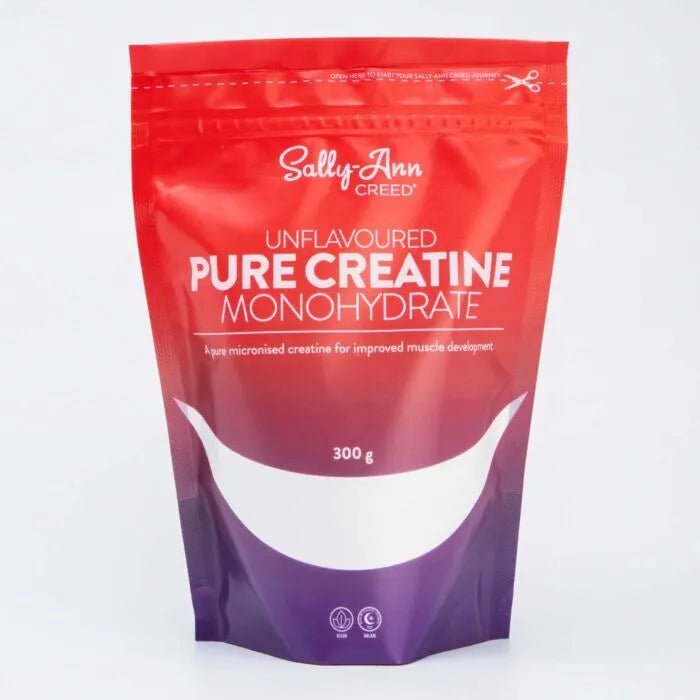
Here at Sally-Ann Creed, we hold purity and integrity as a core belief. It’s why we use only the best ingredients in our products, and rely on the latest science when offering our advice. Creatine as a product comes with some incorrect preconceptions, and we wanted to clarify some of these for you, especially as we’ve been getting some questions lately. There have been over SIX HUNDRED clinical trials involving more than 13000 people over the last 30 years testing the long-term efficacy and implications of taking creatine. After all these years, and after all these clinical trials have been conducted in humans on both healthy and medically managed populations, there have been NO adverse events reported. In one of the most recent metastudies (a study conducted using the results of other studies), it was found that “When the number of participants reporting side effects was considered from all studies, no significant differences were observed in the frequency of GI issues (PLA 4.05%, Cr 5.51%, p = 0.820), muscle cramping/pain (PLA 0.07%, Cr 0.52%, p = 0.085), or any other of the 33 side effects evaluated, including clinical markers of health and renal function.” In plain english, what that means is that there are no significant side effects from taking creatine. Any suggestion that creatine can cause these adverse side-effects is simply false. Our team has spent MONTHS researching the benefits and possible side-effects of creatine, and both our dietitian and food scientist have given it the big thumbs-up as the benefits (reduced brain fog, more energy, etc) are undeniable. Once we had done our research, we then spent weeks sourcing products from around the world. Because the quality and integrity of our products is so important to us, after much research and deliberation, we chose the purest creatine that we could find. Yes it comes from China, but it’s also as pure as that from Europe, but just more affordable, so that you as the consumer don’t need to pay an arm and a leg for the wonderful benefits of this product. We’re not ashamed of our suppliers, because they’ve been fully vetted and accredited, and always meet or exceed European standards. Our creatine is 99.9% pure. While some creatines may contain high levels of these harmful chemicals, our creatine contains virtually none, and is one of the cleanest creatines you can find: Diacyanimide: <0.005% Creatinine: <0.01% Dihydrotriazine: None Heavy metals: <0.001% FUN FACT: There have been claims that creatine was banned in France due to a cancer risk. The truth is that yes it was, but this was due to an opinion piece (not a clinical study) written by the AFSSA, which was later reversed after proper research proved that there was no proof that creatine caused cancer, and has been on sale ever since. In fact, a 2015 study looking at supplemental creatine of 7g per day for 7 days and then 5g for 23 days does not lead to increase of carcinogenic heterocyclic amines. “Individual analyses revealed that diet, rather than creatine supplementation, was the main responsible factor for HCA formation in these cases. This study provides compelling evidence that both low and high doses of creatine supplementation, given either acutely or chronically, did not cause increases in the carcinogenic HCAs”. The undeniable benefits of creatine: As women enter menopause, their oestrogen levels naturally decline, causing, among other things, brain fog. Creatine has proven to be an incredible way of countering this. People often mistakenly believe that because of this, creatine is a hormone regulator. The great news is that creatine’s positive impact on our brain function helps beat that brain fog, allowing us to better manage our menopausal brain fog and live life to the fullest. Creatine by itself does not cause mass gain. This is a common misconception caused by the fact that many bodybuilders use it as a means to increase their energy levels, and boost recovery. Without weight training, creatine will simply boost the levels of energy-boosting ATP in your body, allowing you to achieve more. As we mentioned at the start of this blog, we trust in science, and we want you to trust us too. We also understand that sometimes fear can be a barrier, so if you’d like to read more about creatine, you can browse over 20 studies listed on our creatine page here. Otherwise, please feel free to email us any questions you might have to our dietitian Carrie-Ann, who will be happy to answer any questions you might have, and hopefully put your mind at ease. All our love, The Sally-Ann Creed team
Read more
The truth about creatine and heat
Creatine is one of the most studied, useful and safe supplements around, and creatine and heat is a critical part of those studies. If you want to learn more about the benefits of creatine, please see our blog here. It’s also incredibly easy to take daily, you can stir it into water, milk, smoothies, oats and yes, even coffee. As myth busters, we spend a lot of time talking with clients about supplement myths. One that is very common, is the idea that a hot drink, or even a hot warehouse, will convert creatine monohydrate into the inactive waste product creatinine. In this blog we will be focusing on two questions to help you: “Does heat destroy creatine?” “Do coffee/caffeine and creatine ‘cancel’ each other out?” 1. Creatine and heat Powder form (in the tub):Creatine is VERY heat stable in powder form. In fact, there is a study that looked at creatine powder for 3 years at temperatures above 40 degrees Celsius and there was no breakdown. Only trace amounts (0, 01%) were seen after 44 months at 60 degrees Celsius. In other words, even in very hot warehouses, your creatine is safe. Once mixed in a drink:In solution (added to a fluid), creatine slowly converts to creatinine. The rate depends on pH, temperature and time. A study looked at this and showed at 25 degrees Celsius for 3 days, the expected loss is about 4% at pH 5.5 (filter coffee, some herbal teas), 12% at pH 4.5 (strong black tea, tomato juice, yoghurt) and 21% at pH 3.5 (some fruit juices, sports drinks, kombucha and some soft drinks). At neutral pH (6.5-7.5) like water or milk, it’s relatively stable over those 3 days. The conversion stops at very low pH (< 2.5), which is why creatine isn’t degraded in your stomach and also at very high pH (> 12). Fresh coffee sits around pH 5 and starts out hot (60-85 degrees celsius), then cools quickly. From the graph above, meaningful losses take hours, not minutes, especially as the mug cools. So practically wise, adding creatine to hot coffee and drinking soon after mixing keeps losses trivial. If you plan to let it sit, use cool/neutral pH options (water or milk) instead. No studies, as of yet, have timed creatine in boiling coffee to the minute, but putting the equations together, if you have your creatine in warm/hot liquids in the first 10-15 minutes your loss is well under 5%, as your mug most likely cools below 60 before degradation is really accelerated. What we wouldn’t suggest is leaving your coffee there for an hour or more, you might lose double-digit percentages, and the coffee tastes awful by then anyway. 2. Creatine and caffeine: why the evidence looks “mixed” Does ingesting caffeine at the same time blunt creatine performance benefits? Like many concerns about creatine, it started with an old, small participant size study. In 1990s, 9 participants showed less effect on muscle performance with creatine supplementation when caffeine was added. However, muscle creatine levels increased. The study was not brilliant, it was small (n=9), all male and uses a very specific isokinetic lab test. The doses are hefty (creatine 30 to 40 g/day and caffeine 350-450 mg/day) and were taken together for 6 days, this isn’t how most people use them. Newer controlled work is far less dramatic. A randomised study comparing creatine alone vs creatine and caffeine tablets vs creatine and coffee during 5 days of loading, and found no significant performance differences among creatine groups. Systematic reviews have concluded that evidence of a consistent negative interaction is inconclusive and protocol-dependent. Some studies even show neutrality or even benefit of caffeine and creatine when programmed sensibly. In our opinion, the caffeine in coffee which ranges from 95mg in 1 cup filter, to 40-80mg in an espresso is not comparable to the 350-450mg caffeine tablet/supplement seen in studies anyways. So the bottom line, creatine is heat-stable and coffee-friendly. Stir it into your coffee and enjoy within 30 minutes. The “caffeine cancels creatine” idea is old and inconsistent. If you’re cautious, take your creatine any time with water or milk and keep your coffee for your collagen 😊. References: Trexler ET, Smith-Ryan AE, Roelofs EJ, Hirsch KR, Persky AM, Mock MG. Effects of Coffee and Caffeine Anhydrous Intake During Creatine Loading. J Strength Cond Res. 2016;30(5):1438-1446.https://pmc.ncbi.nlm.nih.gov/articles/PMC4808512/pdf/nihms-724283.pdf Kreider RB, Jäger R, Purpura M. Bioavailability, Efficacy, Safety, and Regulatory Status of Creatine and Related Compounds: A Critical Review. Nutrients. 2022; 14(5):1035.https://www.mdpi.com/2072-6643/14/5/1035 Trexler ET, Smith-Ryan AE, Roelofs EJ, Hirsch KR, Persky AM, Mock MG. Effects of Coffee and Caffeine Anhydrous Intake During Creatine Loading. J Strength Cond Res. 2016;30(5):1438-1446.https://pubmed.ncbi.nlm.nih.gov/26439785/ Jäger R, Purpura M, Shao A, Inoue T, Kreider RB. Analysis of the efficacy, safety, and regulatory status of novel forms of creatine. Amino Acids. 2011;40(5):1369-1383.https://pmc.ncbi.nlm.nih.gov/articles/PMC3080578/
Read more
The truth about our Whey Protein Isolate
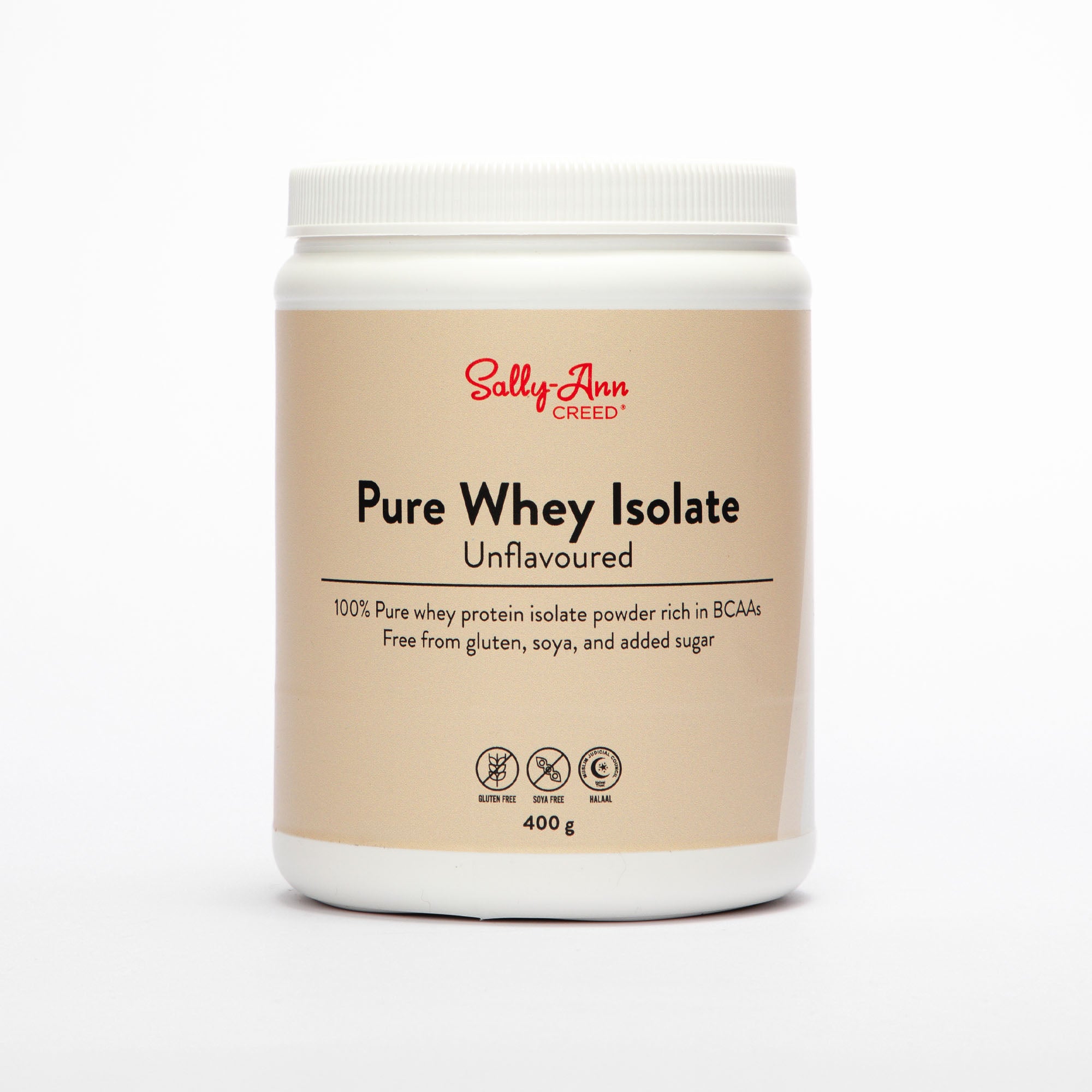
At Sally-Ann Creed we are passionate about bringing the best, clean and pure supplements to promote health and longevity to our clients. Let’s explain why our Best Whey Isolate stands out compared to others. We asked our dietitian to compare several popular whey protein powders on the market, and here’s what you need to know to make the best choice for your family. Whey protein is the by-product of cheese manufacturing (at Sally-Ann Creed we get ours from USA mozzarella production). It originally starts with cow’s milk which contains two types of protein—whey (80%) and casein (20%)—remember Little Miss Muffet?. During cheesemaking, enzymes are added to the heated milk which cause the casein in the milk to coagulate, or change to curd, separating from a liquid substance. The liquid substance is the whey which is further separated into the three types of whey. Side note: Both whey and casein are high-quality complete proteins, however casein is referred to as a “slow” protein due to its slow absorption and digestion whereas whey protein is much quicker to digest and higher in leucine. FUN FACT: Did you know that creatine is NOT a protein? It’s a compound that is naturally created to help provide energy to the cells in your body. It is used in conjunction with protein to promote muscle growth when combined with weight training. Pure protein with superior quality: Our Best Whey Isolate is made with only whey protein isolate sourced from quality mozzarella. Giving you a product that’s 86% pure protein. Compared to other products that range between 66% and 71% protein, we lead the whey. 😂 Why choose whey isolate? Ideal for those with lactose intolerance Absorbs quickly for faster recovery and body usage Contains minimal carbs (0g sugar) Per serving protein comparison: Creed Whey Isolate: 31g protein (86%) Best Whey Isolate: 20g protein (86%) Competitor 1: 23g protein (72%) Competitor 2:20g protein (69%) Competitor 3: 25g protein (65%) Clean, Minimal ingredients: We believe in keeping our products simple, clean and natural. The only ingredients in our Best Whey Isolate are whey protein isolate and sunflower lecithin. Absolutely no sugar, artificial sweeteners, flavourings or unnecessary fillers. In contrast, other brands include: Vegetable oils Sugars, syrups Artificial flavourings Preservatives Maltodextrin Natural Flavours: Our whey comes in two flavours: Unflavoured Chocolate—made with real, non-GMO cocoa powder for a natural, wholesome taste Unlike other products loaded with artificial flavours we wanted our customers to be able to customise their protein smoothies with alternative flavours from nature such as berries, nut butter or vanilla extract. Low-Carb Friendly: With 0g sugar and only 1.5g carbs per serving, our Whey Protein Isolate is perfect for those seeking a high-quality protein for daily use without the added unnecessary and unclean ingredients- because you deserve nothing but the best. Product Name Creed Whey Isolate (36g serving) Best Whey Isolate (24g serving) Product A (32g serving) Product B (38g serving) Product C (29g) Protein amount 31g 20g 23g 25.3g 19.6g Protein type Whey Protein Isolate Whey Protein Isolate Whey Protein Isolate, Whey Protein Hydrolysate, Whey Protein Concentrate Whey Protein Concentrate, Whey Protein Isolate, Whey Protein Isolate, Whey Protein Concentrate Carbohydrates 1.5g 1.2g 2.8g 7g 1g Flavours Plain and chocolate (cocoa powder) Plain and chocolate (cocoa powder) Cocoa, speckled eggs, milk tart etc Biscuit flavour, birthday cake, chocolate etc Vanilla Ingredients Whey protein isolate and lecithin (sunflower) Whey protein isolate and lecithin (sunflower) Protein blend (Whey Protein Isolate, Whey Protein Hydrolysate, Whey Protein Concentrate), Cocoa Powder (7 %), Flavouring, Sodium Chloride, Stabiliser, Non-nutritive Sweetener Blend (Sucralose, Acesulfame-K), Whey Protein Concentrate, Whey Protein Isolate, Cookie Crumbs (13,2 %) , Flavouring, Stabiliser (Xanthan Gum), Pink Himalayan Salt, DigeZyme® (Multi-Enzyme Complex), Non-nutritive Sweetener (Sucralose). Whey Protein Isolate, Whey Protein Concentrate, Cocoa Powder, Craftie Inuin, Fat Powder, MCT Powder, Stabiliser, Pink Himalayan Salt. Emulsifier, Non-nutritive Sweetener [Steviol Extract), Digezyme® (Digestive Enzyme Blend: Amyloses, Proteases, Lipases, Lactases and Cellulases)
Read more
What are endocrine disruptors?
Information (and misinformation) is everywhere in the media, so it’s easy to feel overwhelmed. One topic that often raises questions is endocrine disruptors (EDCs). Our role at Sally-Ann Creed is to provide you with the science and context, we’re not here to create fear, but to educate and empower. In this blog, we’ll look at what EDCs are, where they’re found, how they may affect health and simple daily swaps to reduce exposure. According to the Endocrine Society (2025), “An endocrine-disrupting chemical (EDC) is defined as: ‘an exogenous chemical, or mixture of chemicals, that can interfere with any aspect of hormone action.’ These can include natural or manufactured chemicals, such as pesticides, biocides, chemicals in plastic polymers (including breakdown products or constituents), food contact materials, cosmetics, and others.” Hormones are chemical messengers that help regulate metabolism, growth, reproduction, mood and sleep. They’re made by your endocrine system which includes your pituitary, thyroid, pancreas, adrenal glands and ovaries or testes and travel through the bloodstream to act on target tissues. Examples include insulin, oestrogen, testosterone, thyroid hormones, cortisol and adrenaline. Image source So why should we be aware of endocrine disruptors? Imagine your body is trying to send critical messages, and something external intercepts or “garbles” it. That’s what EDCs do, they disrupt communication, either by acting like hormones (mimics), blocking hormone receptors or interfering with hormone production or breakdown. When those signals get distorted, even slightly, the effects ripple through the body. You might feel it as changes in your menstrual cycle, thyroid function, sleep, mood, skin breakouts, energy, fertility challenges or weight regulation. Some recent studies are showing: Higher prenatal endocrine disruptor interactions were linked with more behavioural difficulties – Nature 2024. Reviews report associations between EDCs and earlier (or shifted) pubertal development – Jornal de pediatria (2022). In 2023, Europe’s food-safety authority set a much lower tolerable daily intake for BPA (0.2 ng/kg/day), reflecting new evidence. A European biomonitoring project found BPA in 92% of adults, with many exceeding thresholds compatible with that new limit. A 2023 Nature Communications study showed UV nail dryers can damage DNA and cause characteristic mutations in mammalian cells (lab data, not people). In fact, as of 1 September 2025, the EU prohibits TPO (a nail polish photo-initiator) in cosmetics. So we can expect to see more TPO-free formulations. Other studies are exploring links between EDCs and conditions such as PCOS, thyroid disorders, breast and prostate cancers and metabolic syndrome. What are examples of endocrine disruptors and where can we find them in day to day life? (For a more detailed table please see bottom of blog) ❌ Food contact and plastics: Some additives can migrate from packaging (cling wrap, plastic food containers), especially with heat, time, and fatty or acidic foods. ❌ Personal care and cosmetics: Certain fragrances, preservatives (eg some parabens), UV filters and nail products are frequent discussion points. ❌ Thermal receipts “till slips”: Many contain bisphenols (BPA/BPS) that can transfer to skin. ❌ Indoor dust: Household dust can carry phthalates and PFAS from furnishings and finishes. ❌ Pesticide residues on food ❌ Contaminated water or industrial pollution ❌ Cigarette smoke (active and second-hand) ❌ Cleaning products Image source This is particularly important during critical windows of development such as: Pregnancy and fetal development Infancy and early childhood Puberty Perimenopause and menopause What can you do to lower your risk? NB- You don’t need to overhaul your life in one day. But you can make smart, sustainable swaps that reduce your EDC exposure over time. Choose glass or stainless steel containers over plastic Don’t microwave food in plastic, use ceramic or glass Choose natural, fragrance-free or low-tox personal care Switch to eco-friendly cleaning products without synthetic scents Wash produce thoroughly and choose organic where possible Limit handling of thermal receipts Ventilate your home and vacuum regularly to reduce dust-borne chemicals Eat plenty of cruciferous vegetables (broccoli, cabbage, rocket) to support liver detox (may consider milk thistle or Sulforaphane a compound from broccoli that helps our bodies natural detox system) Include fermented foods or probiotics for gut health Endocrine disruptors aren’t something to panic over, but they are something to be aware of. The goal isn’t to live in a bubble or throw out everything you own. It’s about building awareness and making small, consistent swaps that support your body’s natural ability to detox, balance and thrive. Chemical family What it is / role Where you might find it Label clues / aliases Simple swap Bisphenols (BPA, BPS, BPF) Monomers/thermal developers used in plastics & thermal paper Some can linings; thermal receipts; older rigid polycarbonate bottles/lids “BPA‑free” (may still use BPS/BPF); resin code 7 (PC); receipts rarely labelled Heat/store food in glass/ceramic/stainless; choose e‑receipts; avoid heating old polycarbonate Phthalates (DEHP, DBP, DINP; DEP common in perfumes) Plasticisers; solvents/fixatives in fragrance Fragranced personal care; PVC/vinyl (flooring, shower curtains); some packaging Fragrance/Parfum; PVC/vinyl; look for diethyl phthalate (DEP) in perfumes Go fragrance‑free or phthalate‑free; favour non‑vinyl materials; ventilate and wash hands after DIY Parabens (methyl‑, propyl‑, butyl‑paraben) Preservatives in cosmetics/toiletries Lotions, shampoos, make‑up, some wipes Ingredients ending “‑paraben” (e.g., methylparaben) Choose paraben‑free options; keep routines simple (fewer products) UV filters (oxybenzone/benzophenone‑3; octinoxate/ethylhexyl methoxycinnamate) Organic sunscreen filters used in some cosmetics Certain chemical sunscreens; lip balms; foundations Oxybenzone / Benzophenone‑3 (BP‑3); Octinoxate / Ethylhexyl methoxycinnamate If avoiding these, choose mineral sunscreens (zinc oxide/titanium dioxide), plus hats & shade Triclosan Antibacterial agent (now less common) Older “antibacterial” soaps, some toothpastes/cleansers Triclosan; Triclocarban (bar soaps) Opt for triclosan‑free; plain soap + water for routine handwashing Triphenyl phosphate (TPHP) Plasticiser/flame retardant used in some nail polishes Nail polish; occasionally other coatings Triphenyl phosphate; TPHP (metabolite DPHP isn’t on labels) Pick TPHP‑free polish; avoid skin contact with uncured gels; UV‑blocking gloves/SPF for curing lamps
Read more
What is Creatine?
Creatine is a naturally occurring compound that plays an incredibly vital role in energy production, especially during high-intensity activity or increased energy demand. It helps regenerate ATP (adenosine triphosphate) the body’s primary energy currency or, making it essential for movement, recovery, brain function and even healthy ageing. As humans, we get creatine from two sources: Endogenously: meaning the body produces it Exogenously: through dietary intake Creatine is synthesised in the kidneys, liver and pancreas from three amino acids: arginine, glycine and methionine, at a rate of around 1g per day. Once produced, it is transported to tissues with high energy demands, mainly skeletal muscle and smaller amounts are stored in the brain, heart and other organs, where creatine continues to support cellular energy metabolism. An omnivorous diet typically provides 1-2g of creatine per day, primarily from red meat fish and poultry (0.4-1g of creatine per 100g raw meat), In contrast, plant-based foods contain virtually no creatine, which is why vegetarians and vegans often have lower creatine stores and may benefit more noticeably from supplementation. Creatine has an incredibly neutral taste so is very easy to add into your schedule. At Sally-Ann Creed, we always advocate a food-first approach, but when it comes to creatine, supplementation can be particularly effective, especially for those who are plant-based, active or experiencing hormonal changes like perimenopause and menopause. One of creatines primary benefits is its ability to assist with cellular energy. Your body’s quick-burst energy comes from ATP- like a phone battery that drains quickly under load. When used, ATP becomes ADP, losing one phosphate. Phosphocreatine (PCr) acts like a portable power bank, donating a phosphate to recharge ATP. So by topping up your PCr stores, creatine helps your muscles, brain, heart and liver keep performing-delaying fatigue and improving energy output when you need it most. For her: Women naturally store and produce less creatine than men, which may affect energy, strength and recovery, especially during hormonal fluctuations like the menstrual cycle, perimenopause or menopause. Research shows creatine can: Support energy and mood during the luteal phase Enhance strength, tone and recovery Improve cognitive and physical performance without causing bulk The myth that creatine causes “bulky muscles” is unfounded. Most women experience better muscle tone and workout results, not unwanted size. Temporary water retention is mild and actually helps improve muscle performance. For active women or those navigating hormonal shifts, creatine offers real support for metabolism, energy and resilience-without compromising femininity. For him: Men often turn to creatine for the “big three”: strength, size and recovery and for good reason. A 2024 meta-analysis found that men supplementing with creatine gained an average of 4.4 kg in upper-body strength and 11 kg in lower-body strength over 4-12 weeks with resistance training. But that’s not all. Creatine also supports: Faster recovery between sessions Reduced muscle soreness and inflammation Improved bone strength via muscle loading and enhanced osteoblast activity
Read more
Creatine's resurgence as a womens health superpower
Creatine has come a long way. Once known mainly as a muscle-building supplement for bodybuilders and athletes, it’s now being recognised for so much more—especially when it comes to women’s health. From supporting brain function and bone strength to enhancing energy levels and resilience during perimenopause and menopause, creatine has been redefined and is experiencing a resurgence among a broader community. Creatine Monohydrate is one of the most popular and extensively studied supplements in the world. Literally HUNDREDS of clinical trials in humans have consistently demonstrated its safety and effectiveness, not just for exercise performance and muscle recovery, but recently for cognitive support, healthy ageing and bone health. The decades of research and a strong body of evidence have established creatine as one of the most studied and effective supplements for improving exercise performance. Authoritative professional health bodies, including the FDA and National Institutes of Health, recognise creatine monohydrate as a safe and effective nutritional supplement. After thoroughly reviewing the science and carefully studying the benefits, safety and broad advantages of creatine, our team knew we had to bring this incredible supplement to you. We’ve spent months researching and ensuring that it’s backed by evidence, not hype. We wanted to cut through the noise of social media and bring real science to the women (and men) we support every day. In short, creatine is not a steroid, not a gimmick, and certainly not just for men. What is creatine? Creatine occurs naturally in our body. Humans both create it in our body and obtain it through diet. Synthesised in the body from amino acids arginine, glycine and methionine (11)(1), creatine is created mainly in the kidneys, pancreas and the liver at a rate of around 1g a day. It is stored in tissues where there is a high need for energy such as the muscles, cells and brain. Because creatine has such an important role in energy production, 95% is stored in skeletal muscle (1)(2). In terms of getting creatine from your diet, an omnivorous diet contains around 1-2g/day of creatine. Creatine from your diet In terms of getting creatine from your diet, an omnivorous diet contains around 1-2g/day of creatine. Creatine is naturally found in animal-based foods, especially red meat, fish and to a lesser extent in poultry. Plant-based foods contain virtually no creatine, which is why vegetarians and vegans generally have lower creatine levels. At Sally-Ann Creed, we always advocate a food-first approach, however, in the case of creatine, supplementation may be more beneficial. For reference 100g raw beef contains approximately 0.9-1g of creatine, 100g raw pork provides around 0.6-0.9g, 100g raw chicken about 0.4g Cooking causes some loss of creatine, as it can degrade to creatinine (a less active compound) and boiling, frying or grilling can reduce creatine content by up to 30% depending on the cooking time and method (1)(10). If you would like to learn even more about this incredible product, visit our Creatine Reinvented page.
Read more