Articles


All about Akkermansia
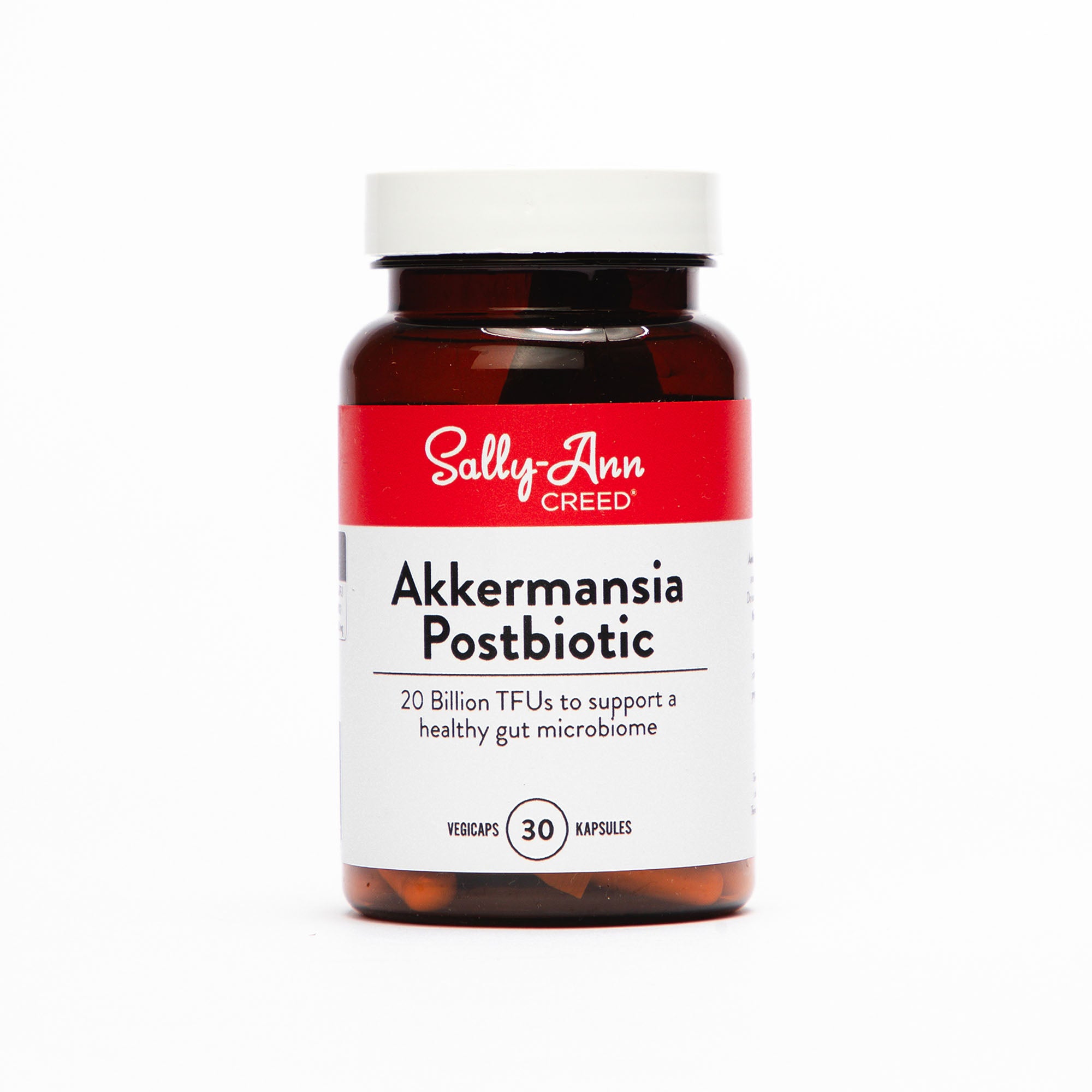
Gut health is a major focus in modern nutrition science. This is because the gut plays a huge role in your immunity, nutrient absorption, metabolism and communication with the rest of the body. That’s why interest in the gut microbiome has grown so rapidly. Among the trillions of microbes that live in the gut, certain species appear to play a more specialised role in supporting gut function and metabolic signalling. If you’ve been hearing more about Akkermansia muciniphila it’s because this unique gut bacterium has shown incredible gut barrier function, metabolic signalling and microbiome health, with human clinical research to support its role. It’s also one of the few so-called “next-generation” gut microbes to be studied in supplement form. Where is Akkermansia muciniphila found? Akkermansia muciniphila is a natural resident of the human gut and was first isolated in 2004, when researchers began identifying microbes that interact directly with the gut’s protective mucus layer. In healthy adults, Akkermansia is estimated to make up around 1-3% of the total intestinal microbiota. While that may sound like a small proportion, its location gives it an outsized influence. Rather than floating freely in the gut, Akkermansia lives in the mucus layer of the large intestine (colon), right next to the gut lining. The mucus layer is the gut’s “protective gel coating” or a physical barrier that helps separate the body from the contents of the digestive tract. Here’s what makes Akkermansia unique: It feeds on mucin, the main building block of this mucus layer In response, the body produces more mucin This helps maintain a strong, healthy gut barrier This discovery reinforced a now well-established concept in nutrition science: the gut microbiota plays an important role in maintaining human health by influencing metabolism and gut barrier function. In population studies, people with higher levels of Akkermansia often show signs of healthier metabolism, such as better blood sugar control, improved insulin sensitivity and lower inflammation. On the other hand, those with lower levels are more likely to show metabolic challenges, including higher blood sugar, insulin resistance and weight gain around the waist. This doesn’t mean Akkermansia causes these outcomes but the association has been observed consistently across multiple studies. Several factors influence Akkermansia levels: Higher fibre intake Colourful, polyphenol-rich plant foods such as berries, pomegranate, cocoa and green tea A generally diverse, plant-rich eating pattern Certain prebiotic fibres, including fructooligosaccharides (FOS) and galactooligosaccharides (GOS), have also been shown to increase Akkermansia levels in some individuals. What is postbiotic Akkermansia? You may be familiar with probiotics (live bacteria), but postbiotics are different. Postbiotics are defined as non-living microorganisms or their components that provide health benefits. In the case of Akkermansia, postbiotic formats typically use pasteurised (heat-inactivated) Akkermansia muciniphila. While the bacteria are no longer alive, their structural components remain intact and can still interact with the gut lining. Akkermansia’s benefits appear to come largely from how it communicates with the gut lining, rather than from colonising the gut long-term like traditional probiotics. Benefits of postbiotic Akkermansia: Interact with the gut mucus layer and gut lining cells Support gut barrier signalling Influence metabolic and immune communication pathways Human research shows in a randomised, double-blind, placebo-controlled trial pasteurised Akkermansia muciniphila was shown to be safe and well tolerated over three months, with improvements in insulin sensitivity and cholesterol markers in overweight, insulin-resistant adults. Is it safe? Yes. The European Food Safety Authority (EFSA) has published scientific opinions concluding that pasteurised Akkermansia is safe (of course not all populations would be suited eg young children, immunocompromised, oncology patients etc). This independent safety assessment provides an added layer of reassurance for consumers. Why choose a postbiotic Akkermansia supplement? As we always say, diet remains the foundation of gut health. Having said that, a postbiotic Akkermansia supplement can be helpful because: You can’t get Akkermansia from food (it’s not found in fermented foods or standard probiotics) Stability and tolerance (because the bacteria are inactivated, postbiotics don’t need to survive digestion and are often perceived as gentler) Our targeted formulation combines: 20 billion TFU of postbiotic Akkermansia muciniphila AKK001 350 mg FOS (fructooligosaccharides), a well-studied prebiotic fibre This dual approach is designed to deliver the studied functional components of Akkermansia, as well as support a fibre-nourished gut environment that benefits the wider microbiome. Rather than focusing on digestion alone, this formula is designed to support gut barrier resilience and metabolic communication- two areas where Akkermansia appears to play a uniquely important role. Sources: Cani PD, de Vos WM. Next-generation beneficial microbes: the case of Akkermansia muciniphila. Front Microbiol. 2017;8:1765. Published September 22, 2017. doi:10.3389/fmicb.2017.01765 Thursby E, Juge N. Introduction to the human gut microbiota. Biochem J. 2017;474(11):1823-1836. Published 2017 May 16. doi:10.1042/BCJ20160510 Geerlings SY, Kostopoulos I, de Vos WM, Belzer C. Akkermansia muciniphila in the human gastrointestinal tract: when, where, and how? Microorganisms. 2018;6(3):75. doi:10.3390/microorganisms6030075 Everard A, Belzer C, Geurts L, Ouwerkerk JP, Druart C, Bindels LB, Guiot Y, Derrien M, Muccioli GG, Delzenne NM, de Vos WM, Cani PD. Cross-talk between Akkermansia muciniphila and intestinal epithelium controls diet-induced obesity. Proc Natl Acad Sci U S A. 2013 May 28;110(22):9066-71. doi: 10.1073/pnas.1219451110. Epub 2013 May 13. PMID: 23671105; PMCID: PMC3670398. Dao MC, Everard A, Aron-Wisnewsky J, Sokolovska N, Prifti E, Verger EO, Kayser BD, Levenez F, Chilloux J, Hoyles L; MICRO-Obes Consortium; Dumas ME, Rizkalla SW, Doré J, Cani PD, Clément K. Akkermansia muciniphila and improved metabolic health during a dietary intervention in obesity: relationship with gut microbiome richness and ecology. Gut. 2016 Mar;65(3):426-36. doi: 10.1136/gutjnl-2014-308778. Epub 2015 Jun 22. PMID: 26100928. Liu E, Ji X, Zhou K. Akkermansia muciniphila for the Prevention of Type 2 Diabetes and Obesity: A Meta-Analysis of Animal Studies. Nutrients. 2024 Oct 11;16(20):3440. doi: 10.3390/nu16203440. PMID: 39458436; PMCID: PMC11510203. Depommier C, Everard A, Druart C, et al. Supplementation with Akkermansia muciniphila in overweight and obese human volunteers: a proof-of-concept exploratory study. Nat Med. 2019;25(7):1096-1103. doi:10.1038/s41591-019-0495-2 EFSA NDA Panel (EFSA Panel on Nutrition, Novel Foods and Food Allergens). Scientific opinion on the safety of pasteurised Akkermansia muciniphila as a novel food pursuant to Regulation (EU) 2015/2283. EFSA J. 2021;19(9):6780. doi:10.2903/j.efsa.2021.6780 EFSA NDA Panel (EFSA Panel on Nutrition, Novel Foods and Food Allergens). Safety of the extension of use of 3-fucosyllactose (3-FL) as a novel food pursuant to Regulation (EU) 2015/2283. EFSA J. 2025;23(4):e9370. doi:10.2903/j.efsa.2025.9370
Read more
What you need to know about Diverticulitis
Most people only hear about diverticulitis when something goes wrong. A scan might show “small pouches” in the bowel or someone goes to emergency with lower-left abdominal pain. But this condition is far more common and far more manageable than many realise. With the right information, you can spot symptoms early, understand flare-ups and make diet and lifestyle choices that support long-term gut health. The broader term diverticular disease covers both diverticulosis and diverticulitis. Diverticulosis: This means small bulges (diverticula) have formed in the wall of the colon. They’re especially common after age 40 or 50. Most people never feel them and only find out during a routine colonoscopy or scan. Diverticulosis is the “quiet” stage of the condition. Diverticulitis: This is when one or more of those pouches becomes inflamed or infected. This is the stage that causes symptoms. Pain is usually sharp or constant and sits in the lower-left abdomen. Fever, nausea, bloating, constipation, diarrhoea or even vomiting may follow. A way to remember is that “itis” means inflammation. What causes diverticular disease? We used to blame just “not enough fibre”, but now we know it’s more complex. Current research suggest it develops due to a combination of factors such as bowel structure, genetics, lifestyle and the gut microbiome. Chronic constipation A long term low fibre diet Obesity and physical inactivity Age: The wall of the colon naturally changes with age, pressure inside the bowel plus areas of weakness can cause pouches to form over time. Certain medication use Symptoms of diverticulitis: During diverticulitis, symptoms may come suddenly or gradually: Sudden or gradual abdominal pain Painful or straining when passing stool Fever, feeling unwell Nauseas and vomiting Constipation or diarrhoea Loss of appetite Blood in the stool If you think you or someone special you know might have diverticulitis, then the usual approach is proper medical diagnosis. This often includes a doctor’s assessment, blood tests to check for infection and sometimes imaging like a CT scan. Thereafter, treatment would involve rest for the inflamed bowel, antibiotics if needed and a clinical modified diet such as a low fibre or temporary liquid diet until the inflammation settles. A dietitian or nutrition doctor specialist will be best to assist with an individualised diet. Once recovered, the focus shifts to gradually reintroducing fibre and supporting long-term gut health to help prevent future flare-ups. Note: A low-fibre diet is only required during diverticulitis (the inflamed, painful stage) and should be used short term to help the bowel rest. Once symptoms improve, fibre should be slowly reintroduced, and in the long term, a higher-fibre diet is actually recommended to support gut health and reduce the risk of future flare-ups. Diet and diverticular disease: what does the evidence say? “Avoid nuts, seeds, popcorn” is outdated (for both diverticulosis and after diverticulitis). Multiple sources and guidelines say there’s no evidence that nuts/seeds/popcorn cause flares. “Intake of peanuts, nuts, and seeds and fresh fruits with edible seeds was not associated with incident diverticulitis.” (Barlowe et al 2025). Fibre is consistently linked with lower risk of developing diverticular disease, but after an episode the picture is a bit more mixed. That said, fibre still plays an important role in overall gut health and bowel regularity. What most doctors and dietitians still recommend once symptoms have settled, is aiming for a fibre-rich eating pattern, focusing on whole foods like vegetables, fruit, legumes, whole grains, nuts and seeds. Food always comes first, but fibre supplements can be helpful if someone struggles to meet their needs through diet alone. Overall diet pattern matters also (not just fibre), a more “Western” pattern and lower risk with more fruit, veg, whole grains and legumes. Ensure to drink lots of water and stay hydrated to prevent constipation and soften the stool. Being active will help with bowel movement. The goal is to help with inflammation control, gut barrier support, bowel regularity and diet quality. So supplements will never replace medical care but will support you: Probiotics may assist with symptom control such as bloating and bowel regularity in diverticulosis but must be taken with medical supervision in a flare or diverticulitis. L-Glutamine supports intestinal integrity and is also fuel for our enterocytes (the cells of the intestinal lining). Also not to be used during acute flare unless doctor/dietitian prescribed. Omega 3 is often recommended to assist with reducing overall inflammation. Fibre supplements such as psyllium husk powder may be recommended to help with stool regularity and consistency. Other supplements that the health professional may recommend will be slippery elm, turmeric (curcumin), magnesium citrate (helpful with bowel regularity) and zinc carnosine (supports gut barrier function). What about collagen? Collagen provides specific amino acids such as glycine, proline and hydroxyproline, which are important building blocks for connective tissue and the gut lining. In theory, these amino acids support gut barrier structure and repair, which is why collagen is often spoken about in the context of gut health. But collagen has not been studied to be a direct treatment plan for diverticular disease, it’s a low residue and easily digested protein, so some people find it a convenient way to add beneficial amino acids, especially when appetite is low or when they’re following a temporary low-fibre/low-residue plan during recovery. The key points to remember: ✅ Diverticular disease is common, manageable and far less frightening once you understand it. ✅ Diverticulosis is common and usually painless. ✅ Diverticulitis is the inflamed, painful stage and needs proper medical care. ✅ A low-fibre diet is short-term only. ✅ Fibre protects the gut long term, but it should be introduced slowly. ✅ Hydration, movement, gut-friendly foods and supplement support (when needed) all play a role in prevention. ✅ Most importantly, every person’s gut is different so personalised advice from a dietitian is ideal.
Read more
What is GlucoGuard?
GlucoGuard is one of our newest and most exciting products. It was developed through the innovative work of scientists who discovered a unique collagen peptide that helps the body manage blood sugar naturally. It’s completely sugar-free, fat-free and derived as a collagen, yet the science behind it is quite remarkable. Most people know collagen for its benefits to skin, joints and hair, but GlucoGuard is a very specific type of collagen peptide. GlucoGuard contains a patented peptide called Nextida™ GC, developed by scientists who discovered that certain collagen-derived peptides can support the body’s own blood-sugar regulation system. Unlike ordinary collagen, this particular peptide works in the gut, where it helps stimulate the release of a natural hormone called GLP-1. How GlucoGuard works GLP-1 plays a major role in how your body handles sugar after you eat, it slows down stomach emptying, helps insulin work more efficiently and promotes a sense of fullness after a meal. By supporting this natural pathway, GlucoGuard helps smooth the sharp rises and falls in blood sugar that many people experience after eating, without any artificial ingredients or stimulants. 5g taken 20-30 minutes before a meal, the peptide travels to your gut where it naturally encourages the release of certain hormones which supports: How quickly food leaves your stomach Support healthy insulin release Reduce the spike in blood sugar after meals Signals fullness to your brain, helping you feel satisfied sooner In other words, it does not “force” your body to do anything unnatural. It simply helps your system work the way it’s meant to. The research This special peptide was identified after years and years of studies. They screened hundreds of natural peptide sequences “and found one unique profile could influence GLP-1 activity in a positive way. As stated by Grasset et al. (2024) “A selection of specifically developed collagen hydrolysates was screened for their ability to enhance natural GLP‐1 production in vitro.” They then tested the selected peptide in normogenic animal models and pre-diabetic mice, the peptide increased active GLP-1 after dosing (217% in normogenic group and 860% in the pre-diabetic group). After seeing the benefit, scientists have since done a small, but incredible, study in 16 humans (mix of normoglycaemic and pre-diabetic). Participants took the peptide 30 minutes before a mixed meal at 5g or 10g doses. Glucose spike: Both 5g and 10g lowered the post-meal glucose spike, with an average reduction of 42% versus placebo Effects were measurable immediately after the meal when the peptide was taken beforehand. A larger human study is in the pipeline and we are looking forward to seeing even more detailed results on how this remarkable collagen peptide supports post-meal glucose control and natural GLP-1 activity. Early findings are incredibly encouraging, showing that even a small, food-based peptide can make a meaningful difference in the way the body handles sugar after meals. How to use GlucoGuard Mix two scoops (about 5g) into water 20-30 minutes before your main meal, ideally the meal with your highest carbohydrate content. It can be used daily, and has a consistency and texture similar to that of collagen. Who might benefit from GlucoGuard Anyone who struggles with mid-afternoon energy dips or sugar cravings Those who feel tired or sluggish after eating Those who want to support balanced insulin and glucose responses Individuals managing insulin resistance or blood-sugar fluctuations Anyone wanting a natural way to support appetite control and steady energy Why we love it Pure collagen peptide- no sugar, fat, fillers or flavourings Backed by human clinical research Safe for daily use and gentle on digestion Heat-stable- easy to use in hot or cold drinks Frequently Asked Questions Q: Can I take GlucoGuard with my regular collagen? A: Yes! GlucoGuard targets blood-sugar balance, while other collagens (like Pure Hydrolysed Collagen or Super Chicken Collagen) focus on skin, joints and general tissue repair. They work beautifully together. Q: Do other proteins have the same effect? A: A 2023 systematic review and meta-analysis in The American Journal of Clinical Nutrition concluded that whey pre-meals lower post-meal glucose, slow gastric emptying and raise insulin with typical doses using 20-30g. Whey pre-loads are effective, but they generally require 20-30g protein and add calories. GlucoGuard aims for a similar gut-hormone pathway (supporting GLP-1 signalling) with just 5g of a targeted peptide, no sugar and minimal calories, making it a lower-volume, easier option before meals. Q: Is it suitable for diabetics? A: GlucoGuard is sugar-free and designed to support healthy post-meal glucose levels naturally. If you use glucose-lowering medication, it’s always best to monitor your levels and speak with your healthcare professional first. Q: Can I take it with coffee? A: Absolutely. It dissolves perfectly in hot drinks, and because it’s unflavoured, it won’t affect the taste of your coffee or tea. However, we generally recommend taking it with plain water, rather than with a drink that contains protein, milk or carbohydrates. These nutrients can start digestion early, which may reduce how effectively GlucoGuard reaches the small intestine, the place where it naturally supports GLP-1 release and helps regulate blood sugar. Having it with water 20-30 minutes before your meal gives the best results. Q: Is GlucoGuard a weight-loss product? A: Not directly, but many people notice reduced cravings and improved satiety, which can make maintaining a balanced diet easier over time. References: Smedegaard S, Kampmann U, Ovesen PG, Støvring H, Rittig N. Whey Protein Premeal Lowers Postprandial Glucose Concentrations in Adults Compared with Water-The Effect of Timing, Dose, and Metabolic Status: a Systematic Review and Meta-analysis. Am J Clin Nutr. 2023 Aug;118(2):391-405. doi: 10.1016/j.ajcnut.2023.05.012. Epub 2023 Jun 23. PMID: 37536867. Grasset E, Briand F, Virgilio N, et al. A Specific Collagen Hydrolysate Improves Postprandial Glucose Tolerance in Normoglycemic and Prediabetic Mice and in a First Proof of Concept Study in Healthy, Normoglycemic and Prediabetic Humans. Food Sci Nutr. 2024;12(11):9607-9620. Published 2024 Oct 20. doi:10.1002/fsn3.4538.
Read more
Step off the glucose rollercoaster
Have you ever noticed how your energy feels great after a meal, only to crash a little later, leaving you feeling tired, moody or craving more sugar? That’s the “glucose rollercoaster” at work. And it doesn’t just affect people with diabetes, it affects everyone. Here is what is happening when we have regular spikes. You eat a meal, maybe one especially high in sugar or refined carbs. This will cause your blood sugar levels to rise quickly, which will make you feel temporarily energised and maybe even euphoric. This is the classic sugar high. As a response your body will release insulin, a hormone that helps move sugar out of your bloodstream and into your cells for energy or storage. This is a normal, healthy process. Sometimes, especially after a high-sugar meal, the body may release more insulin than needed, causing blood sugar to drop more sharply than ideal. That’s the dip you see in the rollercoaster graph, the part where the energy boost fades and the crash sets in. Now you feel it. You feel tired, unmotivated and maybe even irritable. Your brain and body register this drop as an energy emergency. It shouts to you “get more energy, FAST!”. So you crave more sugar or carbs, and the cycle repeats. Are you on a glucose rollercoaster? Do you: “Crash” in the afternoon? Feel shaky/irritable if meals are delayed? Need caffeine to “push through” dips? Crave sweets 1-2 hours after meals? Find it hard to stop at one portion of refined carbs (biscuits, pastries, white bread)? Find yourself nibbling on sugary snacks in the evening? Eat carbs alone (toast/juice/pastry without protein)? Skip breakfast or go >5 hours between meals? Have large, late dinners? Sleep worse after sugary or heavy dinners? Wake at night feeling wired or hungry? Have brain fog or poor focus 60-120min after eating? Workouts feel sluggish after a high-carb, low-protein meal? If you answered “yes” to more than 2 questions, that means that you are likely on a roller coaster, time to work on meals and behaviours. NOTE: If you’re metabolically healthy (meaning your body responds well to insulin), these blood sugar swings tend to be milder and better controlled. You might still feel a dip, especially after a high-carb or sugary meal, but it won’t be as dramatic or frequent. However, if you have insulin resistance, prediabetes or poor metabolic flexibility, these ups and downs can become more extreme and harder to recover from. Research shows that these rapid rises and falls can cause: Increase fat storage (especially around the belly) Chronic fatigue Insulin resistance Mood instability and anxiety Poor sleep GLP-1: The hormone everyone’s talking about and how collagen can support it If you’ve heard the buzz around “GLP-1” lately, you’re not alone. From medical journals to social media, everyone is suddenly talking about this incredible gut hormone. GLP-1 (Glucagon-Like Peptide-1) is naturally released by your gut after eating. It signals your pancreas to release insulin (helping control blood sugar), slows down gastric emptying (so you feel fuller for longer), and helps reduce cravings and appetite. Natural ways to control your GLP-1 When it comes to controlling your blood sugar, we believe in eating healthy first, and only supplementing when diet simply isn’t enough. Certain nutrients, especially fibre and proteins, trigger your body’s natural GLP-1 production, which is why we often feel fuller after eating a high-protein meal. Fibre: What it does: Viscous (soluble) fibre forms a gel in the gut that slows carbohydrate absorption, which blunts the post meal glucose rises. It also is fermented by gut bacteria, into short chain fatty acids (postbiotics), which directly stimulate these little cells in our intestine, the L-cells, to release GLP-1. In the graph below you can see how fibre can affect the glucose curve. Look at how sugary foods can spike the glucose curve, as well as refined carbs like bread- compared to a meal high in fibre. Oats, barley, legumes, fruit pectins (apples, pears, citrus), vegetables, seeds and functional fibres when needed like psyllium husk, inulin or glycomannan (Skinny Fibre). Try to aim for around 30g of fibre at least a day. Around 5-10g of fibre a meal. Remember to introduce fibre slowly and drink lots of water. Protein: As protein is digested into amino acids/peptides, it activates nutrient-sensing receptors in the gut which then stimulate the GLP-1 release. Specific amino acids are consistently shown to be potent triggers. Pre-meal whey protein can reduce post-meal glucose, partly via incretin effects and slower gastric emptying. Very exciting and new research is showing how cutting the strands of collagen into specific peptides can make its effects more targeted towards glucose-lowering effects. Having a pre-meal whey protein shake, ensuring protein at every meal is a great way to naturally support your GLP-1 system. Foods to help boost your body’s natural GLP-1 production: Protein-rich foods such as free-range, organic meats, poultry, fish, eggs, yogurt, beans, lentils, nuts, and seeds all stimulate GLP-1 release and promote that wonderful feeling of fullness. The research: American Journal of Clinical Nutrition (2023) showed that whey protein “pre-meal” lowers post-prandial (post meal) glucose spikes and was proposed to raise GLP-1 levels. Healthy fats, such as the omega-3 fatty acids found in olive oil, avocados, certain nuts (like walnuts), seeds (chia, flax), and fatty fish (salmon, mackerel, sardines), increase GLP-1 release and slow stomach emptying. The research: A very interesting study in the journal Nutrients 2022, in people with pre-diabetes, extra virgin olive oil added to a meal, was linked to higher GLP-1 and better insulin response. Fibre, especially soluble fibre in whole grains (oats, barley), legumes, vegetables (artichokes, asparagus, carrots), fruits (apples, oranges, pears, avocados), and seeds, is fermented by gut bacteria into short-chain fatty acids (which then activate receptors in our intestinal cells), which promote GLP-1 secretion. The research: Gut Microbes (2024). Probiotics and fermented foods such as yogurt, kefir, sauerkraut, kimchi, miso and tempeh. These foods definitely support gut health, but at the moment we are still waiting for research to show direct GLP-1 contribution. Dark chocolate (at least 70% cacao) contains flavanols that firstly are great as antioxidants but also may influence gut-hormone signalling, but direct GLP-1 effects in humans aren’t conclusive yet.
Read more
The truth about detoxing
God made our bodies with an already highly sophisticated built-in detox system, working 24/7 against toxins, toxicants and pathogens. We often hear the term “detox” being thrown around irresponsibly, usually by marketing schemes. Schemes such as green juices, coffee enemas, restrictive diets, herbal teas or shakes. We aren’t saying that there isn’t a need to be mindful of exposures or that we don’t need to worry about what we put in our bodies, that would also be irresponsible but what we want to hopefully achieve by our readers looking at this article is that our bodies are working extra hard for you and the best thing we can do in return is to nourish and support the systems already in place. In this article, we’ll go through your body’s six key detoxification organs. The liver, kidneys, colon, skin and lungs- showing you what each one does, what it detoxifies and how to support it through your everyday nutrition and lifestyle. No gimmicks or selling points. Just real, practical ways to help your body do what it was divinely designed to do. What is detoxification? You can define detoxification as your body’s way of eliminating waste and harmful substances. This includes- toxicants (from man-made sources), toxins (from biological sources), excess hormones, bodies byproducts from metabolism (ammonia or carbon dioxide), pollutants, alcohol, medications and sources from foods. Your skin The largest organ in our body, and known as our body’s first line of defence. The skin is responsible for activating your immune system when harm does pass through, but it also helps our body expel toxins from your body from the inside out, in addition to keeping the beneficial chemicals in. Detoxes Sweat contains urea, salt, ammonia and heavy metals (interestingly, research has shown that sweating through dynamic exercise leads to significantly high excretion of heavy metals such as nickel (Ni), lead (Pb), copper (Cu) and arsenic (As)). Toxins and old skin cells. How it works The skin helps remove waste through sweat glands, which release a fluid called sweat. Sweat is mostly water with some salts and waste products, and it plays a key role in helping the body cool down and get rid of small amounts of excess salts and fluids. How to support your skin Stay hydrated Avoid overuse of harsh skincare products Be mindful of the sun and UV rays (wear sunscreen) Collagen, vitamin c and zinc help support skin repair and strength Regular movement and gentle sweating (exercise or sauna) Your lungs We don’t often think of our lungs as part of the detoxification system, however they play a really vital role in removing waste. And they work very hard—exchanging about 6L of air per minute. Detoxes Carbon dioxide Airborne toxins, pollutants and microbes How it works With every exhale, the lungs release waste gases and help filter out harmful airborne substances. The bloodstream picks up toxins and transports them to the lungs, where they reach the alveolar sacs (tiny air sacs at the base of the lungs). Waste gases like carbon dioxide are expelled, and more “stubborn” toxins can be trapped and later removed through coughing or phlegm. How to support your lungs Avoid smoking and minimise environmental pollutants as much as possible (certain candles, fragrances, pollution and cleaning products) Regular exercise (to help strength and restoration of the lungs) Hydrate for healthier mucous production Increase antioxidant-rich foods- vitamin A, vitamin C and vitamin E. Include more dark green vegetables and dark red/purple/blue fruits such as berries Ventilate your living areas, remember to open the windows occasionally for fresh air Your kidneys These important bean-shaped organs are one of the main organs in the detoxification system. Filtering half a cup of blood a minute! And all your blood in 30 minutes. Detoxes Urea (protein) and uric acid Electrolytes (sodium, chloride etc) Alcohol Medication Excess water How it works Kidneys can be explained simply as “sophisticated sieves”. Blood enters the kidneys through an artery from the heart. Each kidney contains up to a million tiny units called nephrons, which work to filter and clean your blood. After the kidneys remove waste, the cleaned blood returns to your body, while the waste, now in the form of urine, moves into the bladder. How to support your kidneys Ensure to hydrate sufficiently Aim to have healthy blood pressure to prevent kidney damage Being active and doing the recommended amount of exercise weekly is important in keeping a healthy blood pressure Manage your blood sugar levels, this is also incredibly important because when your body’s cells can’t use the glucose (sugar) in your blood, your kidneys are forced to work extra hard to filter your blood Stop smoking (cigarettes and vaping) as smoking damages your body’s blood vessels (slower blood flow) to your kidneys Monitor your salt intake and processed foods Your liver The human liver is the primary detox organ, and not only performs over 500 functions but also filters and processes toxins. Detoxes Alcohol Medications and drugs Hormones Metabolic waste How it works The liver will receive blood from the digestive tract through the portal vein to the liver, carrying nutrients, medication and also toxic substances. Once they reach the liver, these substances are processed, altered, detoxified and either stored or passed back into the blood. Others are mixed into bile, which the liver produces and releases into the bowel, helping to eliminate waste through the digestive system. How to support your liver Avoid excessive alcohol intake. Also avoid unnecessary medications and drugs. Aim to include more mono- and poly-unsaturated (omega 3) fats to reduce inflammation . Research has also shown that just a 5% weight loss can reduce the fat that can accumulate in your liver. Cruciferous vegetables like broccoli, cabbage, and brussels sprouts contain special compounds that turn into helpful substances, like sulforaphane, which support the liver by boosting the production of enzymes that break down and remove harmful toxins. Bitter greens such as rocket or mustard greens, can stimulate bile production. The bitter compounds in these greens activate the liver and gallbladder, encouraging the secretion of bile, which helps with digestion and the removal of toxins from the body. Your gastro intestinal tract (GIT) The intestinal tract runs from the mouth to the colon and anus. Its not all about digestion, but also the elimination (detoxification) of toxins as well. Detoxes Toxins from food and the environment Used-up hormones, especially excess oestrogen Waste from digestion By-products from gut bacteria Microbes or pathogens that shouldn’t be there How it works Binds all waste, toxins, excess hormones (oestrogen and cholesterol!) to fibre so that they can be eliminated out with stool. The “good” bacteria in your gut help break down harmful substances. How to support your intestinal tract Instead of going on a juice cleanse for 2 weeks (and they don’t have any fibre- which the gut really needs to be healthy) give it attention and care with increased diversity of vegetables, fibre and probiotics Include more probiotic rich foods like fermented milks, sauerkraut or kimchi and prebiotic foods such as onions, garlic, spring onions etc Water helps move everything along your digestive tract and keeps bowel movements regular Stress affects digestion and gut lining integrity Help your gut by reducing the toxins it has to deal with in the first place (ultra processed foods, alcohol and excess sugar) A healthy gut lining helps prevent toxin reabsorption (try adding collagen, bone broths or glutamine to repair your gut lining) Your lymphatic system The lymphatic system is a network of vessels, lymph nodes and organs (like the spleen and thymus) that helps your body remove waste, balance fluid levels and transport white blood cells for immune defence. Detoxes Cellular waste Toxins and environmental chemicals Pathogens (viruses, bacteria) Dead or damaged cells Excess fluid How it works Lymph vessels collect waste from your tissues. This fluid (lymph) is carried through lymph nodes, where it’s filtered. Cleaned lymph is then returned to your bloodstream for final waste removal via kidneys, liver, skin and colon. How to support your intestinal tract Stay hydrated as lymph is mostly water, without enough, it becomes “sluggish” Exercise and increase your activity if you are sedentary as the lymphatic system is stimulated by moving your muscles and getting your heart rate up See a professional for lymph massage Focus on an anti-inflammatory diet rich in nutrients and low in fast foods and refined carbohydrates After seeing how hard our body works to naturally detox, it’s clear why commercial detoxes that are low in fibre and nutrients can be risky. These detoxes don’t support the body’s natural processes and can actually do more harm than good. The idea of a “detox” can be great because it brings awareness to one’s eating habits and choices. So instead of relying on restrictive or fad detoxes, focus on nourishing your body with whole foods, fibre, exercise and movement, reducing alcohol and increasing nutrients that support our bodies natural detoxification processes, in a sustainable way.
Read more
Net Carbs Explained
The concept of net carbs is based on the principle that not all carbohydrates are created equal. Some carbohydrates, like simple or refined starches and sugars, are absorbed rapidly and have a high glycaemic index, causing the blood sugar levels to spike straight after eating. Excess simple carbohydrates are stored in the body as fat. Other carbohydrates, such as the fibre-rich carbohydrates found in whole grains, fruits, and vegetables, move slowly through the digestive system, with much of them not digested at all. Another category of largely indigestible carbohydrates are sugar alcohols, such as erythritol, xylitol, and other polyols. These are modified alcohol molecules that taste like sugar, but don’t affect your blood sugar. These substances are commonly used as artificial sweeteners and sugar replacements. Calculation: In calculating net carbs, there are many formulas that you can use. In some diabetic education lessons, if the fibre is greater than 5g, you subtract half of the fibre amount from the total carbs along with any sugar alcohols. For example, if a product contains 20g of carbohydrates and 12g of fibre, the net carbs would be calculated as 20g – (12g ÷ 2) = 14g net carbs. However, this method may vary for individuals, as some people react to fibre differently. A more common method is to subtract the total amount of fibre and sugar alcohols from the total number of carbohydrates, as these types of carbs are thought to have minimal impact on blood sugar levels. For example, in a product containing 20g of carbohydrates and 12g of fibre, the net carbs would be 20g – 12g = 8g net carbs. Another formula involves only subtracting insoluble fibre from total carbs. The method used is solely dependent on how your body digests and reacts to fibre. You can choose how strict you want to be when calculating net carbs. Why this could be confusing The concept of net carbs can lead to some confusion. Everyone’s body responds differently to fibre and carbs, influenced by factors like genetics, activity levels, and health conditions. Plus, some companies use net carbs as a marketing tactic, making their products seem healthier than they really are. For example, a bar might claim to have only 2g of net carbs, but it could still contain 18g of total carbs. Because we like to adhere to a LCHF diet, we err on the side of caution and calculate using half the fibre value. In the end, while counting net carbs can be useful, for us, it’s more important to focus on the quality of the carbs you consume. Opt for a variety of high-fibre, whole-food sources that nourish your body and support your long-term health goals. Whether you’re counting carbs or not, the key is to choose foods that make you feel your best and contribute to your overall well-being. Everyone wants a quick list of really low carb fruit and veggies – well here it is! Use this ascending carbohydrate list and you won’t even have to think! These are one cup raw weight, including their skins (USDA): FRUIT Carbs Fibre Strawberries, whole (144g) 11.1g 2.88g Watermelon, diced (152g) 11.5g 0.68g Coconut, shredded (80g) 12.2g 7.2g Raspberries (123g) 14.6g 8g Apple 15g 2.62g Peaches (155g) 15.7g 2.32g Orange (sections) 21.2g 4.32g Blueberries (148g) 21.5g 3.55g Goji Berries (30g) dried 21.6g 3.64g Banana 34.2g 3.9g VEGETABLES Carbs Fibre >Spinach (30g) 1g 0.7g Lettuce (36g) 1g 0.5g Mushrooms (70g) 2.2g 0.7g Celery (101g) 3g 1.6g Zucchini, sliced (113g) 3.5g 1.1g Radish (116g) 3.9g <1.9g Cabbage, shredded (70g) 4g 1.75g Cucumber (120g) 4.4g 0.6g Aubergine (82g) 4.8g 3g Asparagus (134g) 5g 2.8g Cauliflower (107g) 5.3g 2.1g Broccoli (90g) 6g 2.5g Bell Peppers (100g) 6.65g 1.2g Green beans (100g) 7g 2.7g Tomatoes (180g) 7g 2.16g Brussel Sprouts (88g) 7.88g 3.34g Carrot (128g) 12.3g 3.58g Gem Squash, winter, acorn (140g) 14.6g 2.1g Onion(160g) 14.9g 2.72g Butternut (140g) 16.4g 2.8g Potato (150g) 26g 3g Sweet potato (133g) 26.7g 3.99g
Read more
What are carbs exactly?
Carbohydrates are one of the three macronutrients. They are organic compounds like sugars, starches, and fibers, providing energy for the body through glucose. You’ll find carbohydrates in dairy, fruit, vegetables, grains, beans and seeds. The majority of simple carbohydrates eaten eventually turn into glucose molecules after digestion, which is their simplest form. Glucose is then absorbed, transported around the body and eventually used by our cells, brain and muscles for energy. But not all carbohydrates are created equally. Understanding the different types of carbs, how they impact blood sugar levels, and their role in overall health and performance can help you make smarter dietary choices. For example, even though both an apple and a piece of chocolate contain sugar, they affect your body differently. The apple provides natural sugars along with fibre, vitamins, and antioxidants which slow down digestion and provide a more sustained release of energy. On the other hand, chocolate contains added sugars with little to no fibre, causing a faster and higher spike in blood sugar, followed by a crash in energy levels. Glycemic index This is why whole, fibre-rich carbohydrates like fruits, vegetables, and wholegrains are better for steady energy levels, while highly processed carbs and sugary foods can lead to short, quick energy bursts followed by fatigue. This is where the glycaemic index comes into play. This is a scale from 0 to 100 which rates different foods based on how they affect blood sugar levels. The higher the GI (closer to 100) the higher and quicker the effect on blood sugar levels. Lower GI Higher GI Fruits Whole fruits with skin: apples, apricots, peaches and plums • Fruit juices • Dried fruits • Canned fruits in juice: pineapple, watermelon, mango TIPS 💡Eat fruit with the skin on to lower GI 💡Fresh fruit is the best option 💡Strawberries, raspberries, blackberries and passionfruit have less carbohydrate compared to other fruits and have less effect on blood glucose levels. Vegetables • Non-starchy green vegetables: spinach, cabbage, kale, cucumber & lettuce • Most stirfry and salad ingredients • Starchy vegetables: potato, sweet potato, corn and carrots (cooked) TIPS 💡Eat potatoes with the skin on to lower their GI 💡Some semi-starch vegetables, eg: pumpkin, peas, carrot, parsnip, broad beans and beetroot have a higher GI value, but rarely increase blood glucose unless eaten in large amounts more than 200g. 💡Over-cooking vegetables can also increase the GI of the food. Raw carrots have a much lower GI impact compared to soft-boiled carrots. 💡By adding healthy fats and/or protein to higher GI foods, you slow the digestion of the food, therefore reducing the GI impact. 💡Cooking and then cooling a higher GI food, also reduces the glycemic index. 💡Adding vinegar, lemon juice or apple cider vinegar to higher GI vegetables also reduces the GI of the meal. While GI measures the effect of individual foods on blood sugar levels, in reality,we rarely eat foods in isolation. This is why most dietitians, however, recommend taking the glycaemic index with a pinch of salt. When fats, proteins, and fibre-rich foods are included in a meal, they slow digestion and modify the overall glycaemic response. Why do we still need carbs? Glucose from carbohydrates is the quickest and most efficient fuel for the brain and muscles. While the body can use fat and protein for energy, intense exercise, fast reaction times, and brain function still rely on some glucose. For low-carb eaters, the body can absolutely adapt to using fat (ketones) as fuel, as your body can rely on more fat for fuel. For sprints and long-distance ultra running, some carbohydrates may still be beneficial, depending on personal needs. For example, in short bursts e.g. sprints, if not properly trained, our body cannot break down fat and protein fast enough to supply energy to our muscles. Carbohydrate sources are also a lovely food group that can be rich in fibre and nutrients for our gut health and for a healthy microbiome. Eating low or no carbs isn’t always affordable or accessible for everyone, and so carbs shouldn’t be demonised or deemed unhealthy. Our philosophy is to embrace a balanced approach to nutrition, recognising that all food groups have a valuable place in a diverse and nourishing diet. By focusing on whole, nutrient-dense carbohydrates, we can support overall health and well-being while honouring individual needs and circumstances. What does 15g of carbohydrate look like? 🌾 1 slice of normal bread or 2-4 slices lower carb bread 🌾 1/2 cup of beans or lentils or chickpeas 🌾 1/2 cup cooked starchy vegetables 🌾 1/2 – 1 whole fruit or ½ cup fruit juice 🌾 ½ cup cooked pasta or grains or rice 🌾 ½ hamburger roll or ½ a large wrap 🌾 1/4-1/3 cup muesli 🌾 1/2-¾ cup breakfast cereal 🌾 1 cup milk or yoghurt Diabetes SA So how much fibre do I need a day? You can read more about fibre and its vital role in our diet in this blog post According to most guidelines: 25-35 grams of fibre per day for women and 35-38 grams of fibre per day for men From 30-50 grams of fibre per day for some individuals with type 2 diabetes and wanting to control cholesterol levels There we have it! All things carbohydrates! Whether you are on a keto or banting regime, or a carbo-loading endurance athlete, carbohydrates do not have to be seen only in a negative light. It’s about the balance, quality and nutritional composition that matters.
Read more
The Skinny on Fibre
Why we love fibre: Weight Management: Fibre is perfect for keeping you full and satiated. Sugar Control: Fibre binds to sugar in the gut, releasing them slowly in the blood ensuring that we avoid blood-sugar spikes. Cholesterol Assistance: LDL (type of cholesterol) levels can be reduced as well as their size – changing the particles to big, fluffy healthy forms of LDL if you eat enough fibre. Detox help: Fibre also binds to metals and toxins helping our body eliminate them better. Like so many other health issues, it all comes back to your gut. The health of your gut affects everything from your immune system to your moods. Poor diets have little fibre, are inflammatory and full of over-processed food and sugar. If you don’t get enough fibre, you won’t have enough “food” to feed the healthy bacteria in your gut, and this is KEY to good health. Healthy gut bacteria is everything. Our digestive enzymes can’t break down vegetable fibre, so it is intact as it moves through the digestive tract. And as it travels, the healthy microbes in our gut feed off the fiber’s vitamins, nutrients, and short-chain fatty acids (SCFAs). Too little fibre will starve these microbes, causing some to die off, while others end up eating the mucus lining of the digestive wall, and it becomes permeable, known as Leaky Gut Syndrome. This makes you more prone to infection as well. This weakens the immune system, a large part of which depends on these microbes, the body becomes inflamed and we are more susceptible to illness and obesity. What is the up-to-date science literature showing us? A huge 2024 meta-analysis involving more than 3 million subjects showed that the higher the intake of daily dietary fibre, the lower the risk of all-cause deaths by 23%. In particular, a reduction in heart disease death by 26%, and cancer-related mortality 22%! Studies also show that dietary fibre (especially those that ferment in the gut- think onions, leeks, inulin, oats, apples and berries) help improve insulin sensitivity, regulate blood sugar levels, and reduce the risk of developing diabetes. This 2013 study may be older, but it doesn’t take away how important the results are- a high-fibre diet was given (with around 42g/day) or fibre supplements (15g/day) for 8 to 24 weeks, the results? Reduced fasting glucose by 0.55 mmol/L (9.97 mg/dL) and HbA1c by 5%, making fibre an incredible, natural tool in blood sugar management. Another reason to become more mindful of your fibre intake? Soluble fibre helps lower LDL cholesterol by binding to bile acids and this reduces cholesterol levels. How much do we need? Guidelines typically suggest 25-35 grams of fibre per day for women and 35-38 grams of fibre per day for men From 30-50 grams of fibre per day for some individuals with type 2 diabetes and wanting to control cholesterol levels Are you getting enough? Count your fibre intake from the list below and see if you are reaching your goals. And remember, increase your fibre slowly and when upping your fibre always ensure you drink enough water too. Food Serving Fibre (g) VEGETABLES Artichoke, cooked 1 medium 10.3g Asparagus, cooked 6 spears 1.8g Brocolli, cooked ½ cup 2g Brussel sprouts, cooked ½ cup 3g Carrots , raw ½ cup 2.3g Edamame beans, cooked ½ cup 4.3g Peas, green, cooked ½ cup 5.6g Potato/sweet with skin cooked 1 medium 3.3-4.3g Spinach, cooked ½ cup 3.7g FRUIT Avocado ½ cup 6.7g Cherries 20 3.4g Guava 1 fruit 3g Mango ½ fruit 1.7g Orange 1 medium 2.3g Pear 1 medium 5.3g Raspberries/blackberries ½ cup 4-5g WHOLE FOODS, NUTS, SEEDS, SUPPLEMENTS Oats, cooked ¾ cup 2.8-3.5g Beans, cooked ¾ cup 8.6g-13.6g Chickpeas, cooked ¾ cup 5.5g Lentils, cooked ¾ cup 6.2g Chia seeds 1 tbsp 3.7-5g Flaxseeds, ground 1 tbsp 1.9 Nuts ¼ cup 3-4g Seeds ¼ cup 3-3.7g MaxiPrebiotic Tsp serving 5.3g Psyllium Husk 1 tsp 3.2g-4g Ref: Canadian Nutrient File 2015.
Read more
Magnesium Citrate vs Magnesium Chelate Premium
You’re probably wondering why we have two different kinds of oral magnesium – the powdered Magnesium Citrate vs Magnesium Chelate Premium. Apart from the fact that some people like powders and others like capsules, there are some subtle differences. Firstly, these two forms of magnesium are both known as “chelates”. In nature, elemental magnesium is always attached to another compound or ‘bonded’ to it – when magnesium is bonded to an organic compound such as an amino acid, it’s known as a chelate. Magnesium citrate is a chelate of magnesium and natural citric acid. Magnesium Chelated Premium is bonded to the amino acid glycine so it could also be called magnesium glycinate. Both these forms of magnesium are superbly absorbed, while some of the other forms are poorly absorbed. Magnesium is responsible for THOUSANDS of biochemical processes in your body, so we can all benefit from more magnesium. It is one of the most important minerals we can take, and it is also one of the safest. It is the 5th most common dietary mineral, and the second most common electrolyte in the body. Here are some of magnesium’s key roles: Energy production Nerve transmission Bone formation Heart rhythm Muscle contraction Blood sugar control Getting too little magnesium can cause health problems, including difficulty falling asleep, anxiety and fatigue. Of greater concern, long term magnesium deficiency has been linked to chronic health conditions such as diabetes and cancer. Getting enough magnesium through diet or supplementation can potentially cure, alleviate or prevent many common health issues. Here’s where magnesium can make a massive difference to your life, if you struggle with any of these areas: Insomnia – especially if diabetic (type 1 or 2) – improves sleep quality Headaches and migraines – very effective at alleviating/eliminating them Constipation – excellent treatment for this condition Anxiety – very effective if deficient Cramps – prevents and treats cramp of all kinds Joint pain – beneficial if deficient Weight loss – evidence suggests it balances blood sugar and therefore facilitates weight loss There are dozens of kinds of magnesium, but we stock three for their excellent properties: Magnesium Citrate Powder (powder) – very good for constipation, cramps, good absorption, safety, Chelated Magnesium Premium (capsules) – bonded to glycine noted for it’s calming effects especially if anxious Luxury Bath Salts – magnesium sulphate and sea salts to put into your bath or a foot bath, well absorbed through the skin for a calming effect, relaxation and sleep plus all the other beneficial properties of magnesium Sometimes it’s good to get magnesium any which way you can, and you may need it orally and topically to get enough. Magnesium is also vital for calcium absorption into the bone (BUT even more so is Vitamin D3 & Vitamin K2, so take these 3 TOGETHER for strong bones). Things which interfere with the uptake of magnesium: Proton Pump Inhibitors (PPIs) or antacids and medication for ulcers, gastritis, reflux, GERD etc. These severely inhibit magnesium, and if you are on any of these you need to aggressively address a magnesium deficiency – perhaps with several forms of magnesium, especially if you find you are suffering from headaches or insomnia. Low vitamin D status contributes to magnesium deficiency by reducing magnesium absorption. In turn, magnesium deficiency has been shown to reduce the effectiveness of vitamin D in performing some of its roles. Clearly these two MUST go together – and when taking vitamin D, vitamin K2 is paramount. Too much zinc can interfere with magnesium uptake – don’t overdo the zinc Too little protein from animal products in the diet (you should get more than 50 grams a day) can contribute to an inability to both absorb and retain magnesium. You need to get enough animal protein daily to make the most of your magnesium. We hope this has helped you! A great “strong bones, strong heart” formula then would be the following: 1. Magnesium Chelate Premium (or one of the other kinds of magnesium mentioned above) 2. Vitamin D3 – 1 per day anytime 3. Vitamin K2 Premium – 1 per day anytime (100ug MK-7) 4. Our Pure Hydrolysed Collagen powder – 2 tablespoons per day Add in one or more of the other magnesium forms to make sure you get enough magnesium – it is generally poorly absorbed, so we have to work hard at getting enough from our diets (mainly leafy greens), supplements and topical application. Go to our shop here for all these specialised supplements.
Read more
Do you suffer from Rosacea?
Rosacea is a really nasty skin disorder affecting the curves and features of the centre of the face. It is often called acne rosacea. It’s generally characterised by one or more of the following: Light to heavy facial flushing (erythema) which can be transient or permanent Papules and pustules Telangiectasia – threadlike red lines or patterns that cross the face Rhinophyma – where the nose thickens and becomes bulbous Women of 30-50 are most often victims of this condition, and find it frustrating and embarrassing to deal with for obvious reasons. Allopathic treatments like cortisone and antibiotics are often used to treat it, but this doesn’t solve the problem in the long term. While its cause is supposedly unknown there are a number of factors which are known to trigger it including: Leaky gut syndrome (your gut flora are responsible for more than you know!). This one is the most obvious of all A mite that lives on the skin Poor diet and fizzy drinks Sugar/insulin dysregulation Auto-immunity Low immune status Various pathogenic bacteria living in the gut Helicobacter pylori (a germ that lives in the stomach) Some fungal infections (gut and on the skin) Alcohol is a known trigger if you are genetically predisposed Sometimes rosacea appears in people with autoimmune conditions like Rheumatoid Arthritis, Diabetes type 1, multiple sclerosis, Crohn’s, ulcerative colitis and celiac disease, and is sometimes considered an auto-immune condition. However the ‘cause’ which makes the most sense, and where we’ve seen the best results, is in treating the gut and using supplements. Dysbiosis and gastrointestinal disorders in people lead to increased prevalence of the problem, and almost everyone we’ve ever seen with rosacea has leaky gut. Once this is addressed, the problem can be very efficiently controlled with a few basic nutrients. Natural treatments Clearly the GUT has to be addressed. Pathogenic bacteria may be assessed via a sophisticated stool test if you can afford it (not your regular lab). But if you don’t want to do this there is plenty you can do on your own. Some of these measures include: Dietary modification: this is absolutely essential if you want to beat it! NO more seed oils, margarine, gluten, dairy products other than butter, sugar, fructose, fizzy drink, alcohol, soya or processed food. Yes, it’s hard to start with, but so worthwhile Include healthy meats, eggs and other animal protein from grass-fed humanely reared animals. B12 is a KEY nutrient in dealing with rosacea. Get it from animal protein first and foremost. Eat more liver and eggs for vitamin A (vitamin A is only found in the animal kingdom and is not efficiently converted from beta-carotene to vitamin A in the body). This is one of your main ‘skin’ nutrients. Make sure your sugar and insulin levels are normal and that your homocysteine is low (blood tests will confirm this). Take a very good probiotic – MaxiProbiotic is an excellent one (from our online store) Take a good PREbiotic too – like MaxiPrebiotic – to allow effective implantation of probiotics – this takes time, and you need to keep up addressing the gut Take a good Vitamin B12 (methylcobalamine) under the tongue – every day Take a good B Complex daily as well – many B vitamins are missing in this condition and the condition responds well to a good B complex Make sure you are NOT trying to ‘alkalise’ your body! Forget the pH myth – it won’t do you any favours Pure Hydrolysed Collagen has a remarkable effect on skin MaxiMSM is also known to make a huge difference to the skin in a short time like collagen Zinc is a skin-specific nutrient and also encourages stomach acid production, and regulates insulin production. It is a fundamental nutrient in cell-mediated immunity and is an anti-inflammatory. Magnesium citrate is good for a number of things, but in this case for regulation of blood sugar if your problem is in this area – high blood sugar and insulin are VERY inflammatory and will drive this condition out of control Take 1000iu Vitamin D3 daily (make sure it’s D3 and not D2) – excellent for skin and has been shown to be effective in both rosacea treatment and autoimmune diseases. Direct sunlight can irritate rosacea, so in this case a supplement is much better than the sun itself Omega-3 fish oil has been shown to help in dealing with the inflammation of rosacea as it acts by competitively inhibiting pro-inflammatory pathways – take a higher dose than usual if your skin is very greasy All of the above are available from our online store here.
Read more
3 change-of-season flu & virus toolkits
We are now officially entering a change of season world wide – either going into Autumn or Spring, depending in which hemisphere you live. Even the healthiest people seem to fall prey to the sniffles, respiratory and gut viruses, and a host of other miseries at this time of year. Gut bugs, body aches, headaches, ear aches, sore throats and even old viruses like Shingles can spring up at this time of year. Be prepared! We want to give you a basic “Change of Season Toolkit” here – in fact THREE toolkits – one for staying healthy, and another one for IF/WHEN the virus/flu hits to scare it off, and a third for if it ‘gets’ you. So we’re sharing what we do personally. 1. Remaining healthy Vitamin C. We recommend Scorbi-Cee, Super Cee or EsterVit C. We like both Super Cee and Scorbi-Cee powders because you can stir them into water and sip these throughout the day. Squeeze an orange in if you don’t like the tartness. Put 2-3 spoons into 1-2 litres, and sip this all day. MaxiProbiotic 20. If you like capsules, MaxiProbiotic is great. Ensure you take them every day to keep your gut healthy. 1000iu of Vitamin D3 tablets or drops daily This will “hold” a healthy person during even the worst seasonal changes. Don’t forget to eat well!! 2. When you feel like you’re starting to get sick: Ok, so you didn’t dodge the bugs, and you have a scratchy throat, headache etc. The MOMENT this starts, HIT IT HARD so that it will last only a few hours to a few days and not drag on for weeks or months as it can do! We all know what fun that can be…. INCREASE your Vitamin C to 4-5 times or more the dose you are used to. We take 1-2 grams every hour for as long as we feel bad, and then add one more day before dialling it down to 2-4g a day. Continue using your MaxiProbiotic 20. This kills bugs in the gut where they take hold. You can dramatically increase your vitamin D3 for a few days to a week, particularly if your levels are very low. Take 2-4 a day for several days – a powerful immune stimulant. Then revert to one a day when feeling better. Berberine Complex – not only is this brilliant for blood sugar control, but what many people don’t know is that it is a natural antibiotic too! This will prevent opportunistic bacteria from causing a secondary infection. Take one a day 3. If the ‘lurgy’ gets you and you’re now sick: Continue on Vitamin C at a high dose. (In fact as much of the above regimen as you can afford and/or stand) It’s always good to jump in as fast as you can of course – the sooner you start treating yourself the better it will be. Add Olive Leaf Extract 2 caps 3 x a day MaxiProbiotic – take twice as much for a week Bone broths now are important – drink all day and remain hydrated Try to stay quiet and rest during this time – DO NOT EXERCISE as you can damage your heart valves. Wait till you are better.
Read more
What to expect from Pure Hydrolysed Collagen
Everyone’s different, of course, and results will vary according to your age, diet and state of health, but generally you will see the first results in a few days. Bear in mind your body takes 3-4 months to replenish body tissue and increase the body’s collagen levels. When taken consistently, most people find their hair, skin, nails and joints all improve and remain that way. A good way to measure what to expect when you take our Pure Hydrolysed Collagen is to (a) take a picture of your face and hair before you start. (b) write down all the things you want to change (thin nails, sore joints, hair loss, wrinkles, cellulite, floaters in the eyes etc). Then go back in 3 months’ time and see how many of these symptoms have disappeared. You do need to give your body time to replenish collagen levels and see results even though some see immediate results. Collagen should be taken daily – it is food – and if used daily will produce sustained results. Even if not for cosmetic reasons, for the sake of your bones, cartilage, organs, and gut lining. It is a marvellous supplement for everyone. When it comes to health and beauty, consistency is key. There’s no magic bullet, although we do admit collagen does come close. These results will last as long as you take it as it reverses the body’s decline and keeps you younger (on the inside and outside) much longer. You won’t live forever, but you’ll have a better quality of life and look a lot better too. Bovine collagen (which is type 1 – the kind found in our Pure Hydrolysed Collagen) is the most abundant in the body – therefore the most important one to take. Type 2 is also a good idea, but as it’s in short supply right now – bear in mind that type 1 STIMULATES the production of type 2 in the body. Collagen is a protein present in all the body’s organs and tissues. Type 1 collagen provides the matrix that sustains the body’s structure in hair, skin, nail, and bones. The collagen molecule is too large to be absorbed topically on the skin. This is why collagen creams DO NOT work as a delivery mechanism for collagen. Our Grace skincare uses collagen’s hygroscopic nature to store moisture while your skin naturally absorbs it. Collagen’s main function is to sustain tendons, skin and cartilage. It provides integrity, firmness and elasticity to their structures and maximising collagen levels in your body will keep your skin supple more than any other protein supplement. Collagen begins to decline in the body around the age of 20-25, and signs this is happening include: The onset of, increase in, or deepening of wrinkles Decrease in skin elasticity Decrease in skin moisture levels Stretch marks Getting a head start in your 20’s is the best way to age well. It’s a complex protein made from many different amino acids but most abundantly proline, glycine, lysine and hydroxyproline. These are not present in muscle meats! We don’t eat enough collagen-containing gristle and broths in the modern diet to get these valuable amino acids. That’s why collagen is such a precious supplement. Hydrolysed Collagen is more easily digested and absorbed within 30 minutes and is beneficial in replacing the synovial fluids between the joints helping repair and rebuild the cartilage weakened by overuse through impact and stress. The human body is made up of 30% collagen, of which 70% are connective tissue. It will benefit hair, skin tissue, muscle, cartilage, ligaments and blood cell growth. From the age of 25, collagen levels decrease at a rate of ~1.5% a year. By the age of 40, collagen is depleted faster than it is produced! And by age 60, over half of the body’s collagen has been depleted. It’s collagen which holds us together. It’s found in skin, ligaments, cartilage, tendons, muscles, bone tissue, blood vessels, intervertebral discs, gastrointestinal tract and even in the cornea of the eye. We believe it’s one of those supplements everyone should take for more youthful looking skin, to reduce inflammation, and heal your gut. Collagen is a true nutritional powerhouse.
Read more