Articles

Constipation
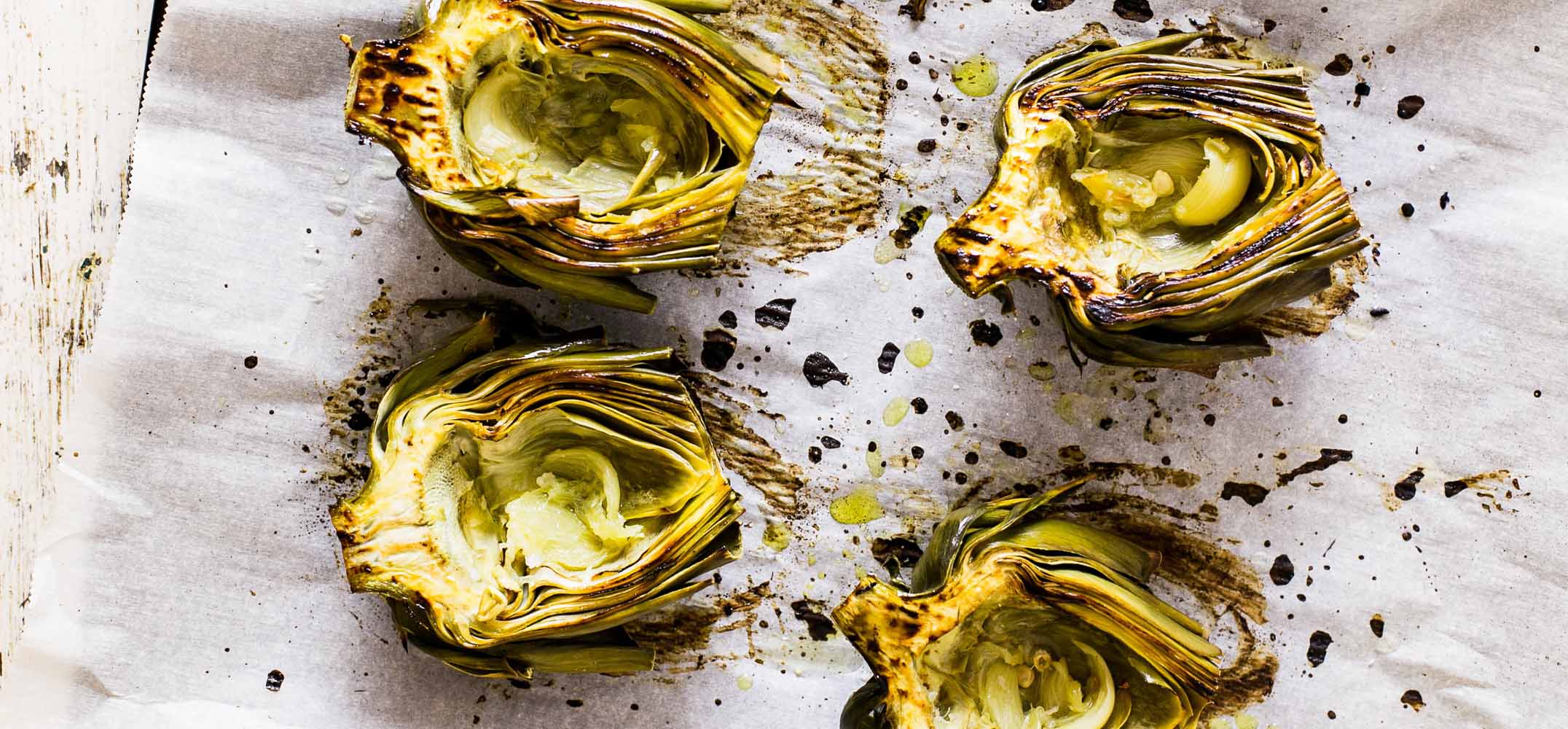
Constipation is a common issue that can affect anyone, no matter their age. It could range from finding it a bit tricky to completely empty your bowels, not going to the bathroom as often as you should, or not having a bowel movement for multiple days. When you’re dealing with constipation, your bathroom experiences might involve stools that are hard, lumpy, or even strangely big or small. The seriousness of constipation can vary from person to person. Some folks might only deal with it for a little while, but for others, it can turn into a more ongoing thing, causing quite a bit of discomfort and affecting how they go about their daily lives. There are several factors that can play a role in the onset of constipation. Things like not getting enough fibre in your diet (healthy and organic fruits, veggies, and cereals), a change in your usual routine or how you eat, not paying attention when nature calls, certain medications’ side effects, not drinking enough fluids, and even feelings of anxiety or depression can all contribute. A high-protein diet can also bring on mild constipation as protein makes you feel full sooner, causing people to neglect fibre in their diet. When it comes to tackling constipation, the first step is usually making some changes to your lifestyle and diet. Try adding more fiber into your meals slowly, make sure you’re sipping enough fluids throughout the day, and hey, getting a bit more exercise in there could help too. Just a few tweaks can make a world of difference! Here are some ways to add more fibre to your food: 3g per medium artichoke (cooked) ½ an Avocado 6.7-9g Broccoli 5.1g (1 cup cooked) Brussels Sprouts 4.3 (1 cup cooked) Boiled green leafy veg provide a whopping 5g per cup Berries are up around 8g a cup Cabbage 4g a cup, cooked Chia seeds 5.5g per tablespoon Flaxseed meal (make this yourself) – 2 tablespoons contain 3.8g fibre Green beans 17g per cup, cooked Kohlrabi raw 1 cup 5g Kale 3g 1 cup raw Nuts and seeds are relatively high at around 2.7-just on 4g per 28g Add psyllium husks if all else fails. Onions and garlic are good ways to feed flora, and have some fibre. Remember just as you need to eat good food daily to remain healthy, so your flora need daily feeding with fibre to remain at a healthy level. References: https://www.nhsinform.scot/illnesses-and-conditions/stomach-liver-and-gastrointestinal-tract/constipation#:~:text=Constipation%20is%20a%20common%20condition,as%20unusually%20large%20or%20small.
Read more
Can Vitamin D save your Life?
Yes, we believe vitamin D can save your life. Vitamin D is a true superstar which affects so much more than bones and teeth. The brain, immune system, hormones, cancer prevention and gene expression all rely to some extent on Vitamin D. In fact Vitamin D has been called “one of the simplest solutions to wide-ranging health problems”. Because almost every cell and tissue in the body has a receptor for Vitamin D. So it’s important to get enough, wouldn’t you say vitamin D can save your life? Vitamin D is made in the skin using cholesterol and sunlight, but how many of us get hours of daily sun on bare skin at noon? Studies show most people on this planet are deficient in the minimum RDA for Vitamin D, especially children (they use it quickly to build bones and teeth), and the elderly. You need to have a blood test annually if you are not sure. The preferred range is 50-70ng/ml, and it becomes harder for our bodies to produce it after 35 anyway. If you have heart disease or a history of cancer you want that up to 70-100 ng/ml. It is possible to overdose on D, but if you remain in these ranges and test annually, you will be fine. Overdosing takes a long time at high doses. Taking 1000iu a day will slowly get you to your right level, and you won’t overdose. Please note: Prescription Vitamin D is D2, not D3. D2 does not directly supply D3, and is given in much higher doses (50,000 iu weekly). When blood levels test normal, your doctor will take you OFF D2. But you’ll slip back to deficiency if not taking D3 on a regular basis. Foods which contain D3 Fatty fish such as wild (not farmed) salmon and sardines have roughly 400iu of D in a 90g serving. Liver and pastured egg yolk have a tiny bit – 40iu in 1 egg or 90g of liver. That’s a lot of liver, eggs and canned fish to get a dose of 1000 to 7,000 iu daily. A good supplement is so much easier. Cod liver oil has about 450iu per teaspoon. Mushrooms labelled as containing Vitamin D have been exposed to light and contain Vitamin D2 NOT D3. So it’s difficult to get from food. Absorption of all fat-soluble vitamins is decreased in those with intestinal inflammation such as Celiac, Crohn’s and Irritable Bowel Syndrome and other gut issues. NOTE: ALWAYS TAKE VITAMIN K2 WITH D. Never, never, take Vitamin D3 without K2. We have supplements in our online store with D3 and K2 at https://sallyanncreed.co.za/shop Ways Vitamin D can save your life: DNA repair and gene regulation. This is massive! Vitamin D impacts all the bad genes (turns them off) and all the good genes (turns them on), changing your entire future. One study showed a mere 2,000iu of vitamin D3 per day for a few months upregulated 291 different genes controlling 80 different metabolic processes. Imagine what you are missing out on if you don’t have enough D3? Prevents osteoporosis, hip fractures, arthritis and many types of pain. Studies show a sharp increase in all-cause mortality after a broken hip. Anything that stops us from exercising is harmful. Vitamin D is so important with Vitamin K2 for maintaining bone strength. Vitamin D plays a big role in the aches and pains of chronic fatigue and Fibromyalgia too. The immune system. Vitamin D3 supports the “killer cells” of the immune system, helping white blood cells kill infections. We get sick less often and get well faster. Vitamin D3 is also a potent immune modulator for the prevention and resolution of autoimmune diseases like Multiple Sclerosis and inflammatory bowel disease. Cancer. Vitamin D plays a role in most cancers. In one study, 70% of women with breast cancer were found to be vitamin D deficient. It has even been shown to prevent breast cancer cell growth and decrease the expression of cancer causing genes. It is essential after cancer treatment to track your Vitamin D twice annually and keep it at the top of the range or just slightly beyond – 75-100 ng/ml according to some experts. Maintains a healthy brain. Vitamin D affects production of serotonin which affects sleep, depression, PMS, weight, mood, digestion and more. It helps prevent Parkinson’s by enhancing the transmission of electricity to your neurons and by detoxifying your cells. Dementia, Alzheimer’s, memory and information processing are all affected by low D. Vitamin D activates and deactivates enzymes in the brain and the cerebrospinal fluid involved in neurotransmitter synthesis and nerve growth. Heart disease. People with insufficient vitamin D have an 80% greater risk of narrowing of the arteries according to a long-term study at Johns Hopkins. Vitamin D is important for reducing hypertension, atherosclerotic heart disease, heart attack, and stroke. One study showed Vitamin D deficiency increased the risk of heart attack by 50%. VERY important – Vitamin K2 plays a huge role here also. Don’t take D without K2, as the K2 prevents D from hardening the arteries or forming calcium deposits incorrectly anywhere in the body. Vitamin D plays many roles, but Vitamin K2 makes sure the calcium absorbed does NOT go to the arteries, but to the bones. It’s as important as D3. Diabetes & Weight Loss. Vitamin D stimulates insulin production and is important for Diabetes management and for weight loss. There’s almost no mental or physical function that D does not affect. You’ll find the excellently formulated vitamins – Vitamin D3 Premium and Vitamin K2 Premium at https://sallyanncreed.co.za/shop
Read more
Collagen and leaky gut
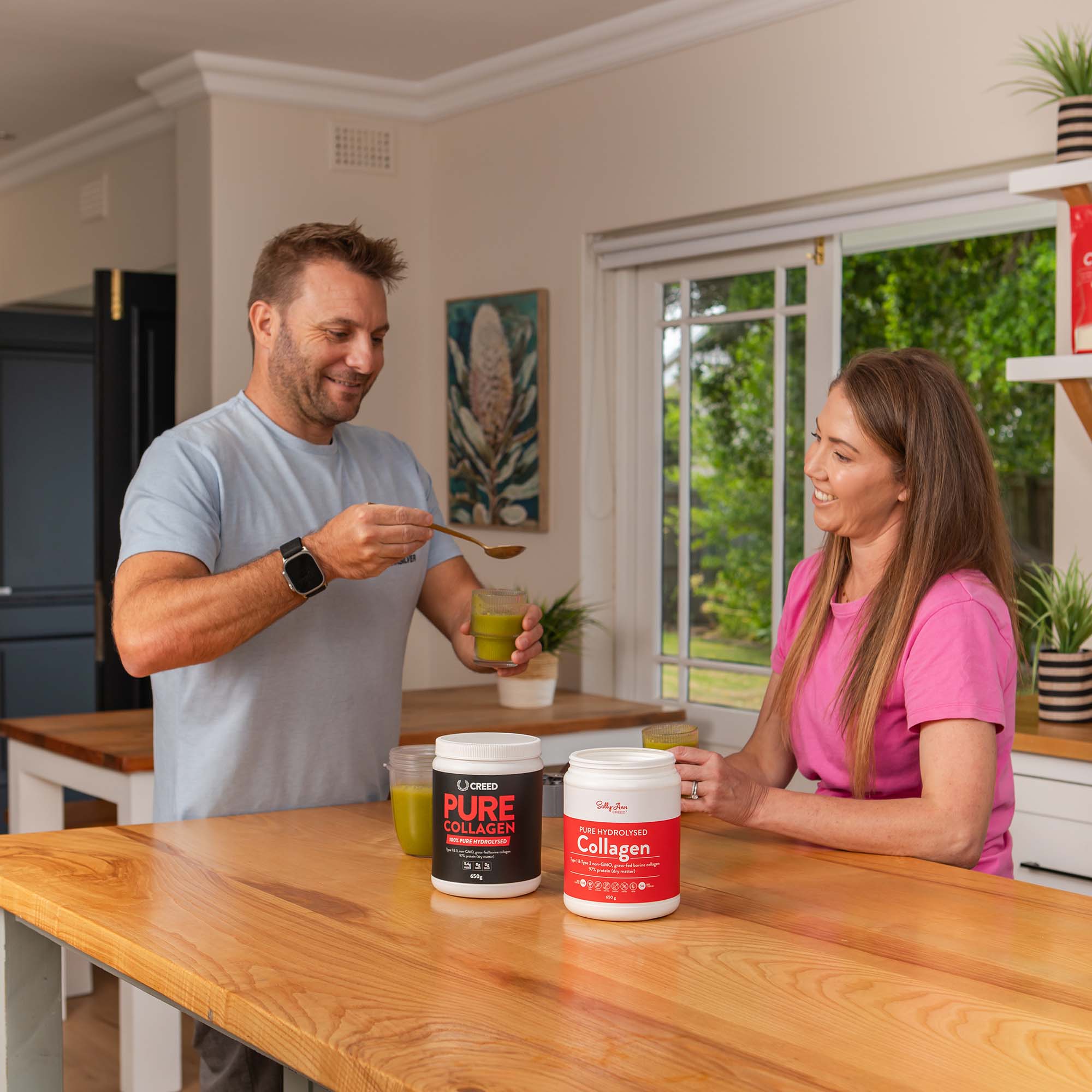
Leaky gut is a condition that occurs when the lining of the small intestine becomes damaged, allowing undigested food particles, toxins, and bacteria to leak into the bloodstream. This can cause a variety of health problems, including inflammation, digestive issues, and autoimmune disorders. One way to help repair the damage caused by leaky gut is to incorporate collagen into your diet. Collagen is a protein that is found in the connective tissues of animals, including the skin, bones, and tendons. It is also the main component of cartilage, which is the cushioning tissue between joints. Our non-GMO, grass-fed Pure Hydrolysed Collagen is the best form of collagen you can get. Collagen has been shown to have a number of health benefits, including improving skin health, reducing joint pain, and promoting healthy digestion. It is also a key component in the gut lining, and can help to strengthen and repair damaged tissue. There are several ways to incorporate collagen into your diet. One option is to consume bone broth, which is made by simmering bones and connective tissue in water for several hours. This process releases collagen and other nutrients into the broth, making it a rich source of gut-healing nutrients. Another option is to take a collagen supplement. These supplements come in various forms, including powders, capsules, and liquids. They are typically made from animal sources, such as beef or fish, and are designed to be easily absorbed by the body. When selecting a collagen supplement, it is important to choose a high-quality product that is free from additives and fillers. Look for supplements that are sourced from grass-fed, pasture-raised animals, as these are more likely to be free from harmful contaminants. In addition to supplementing with collagen, there are other steps you can take to support gut health. These include eating a healthy, balanced diet that is rich in fiber and nutrients, avoiding processed and sugary foods, and managing stress levels. You may also want to consider taking a probiotic supplement, which can help to restore the balance of good bacteria in the gut. Probiotics are live bacteria and yeasts that are beneficial to the body, and can help to reduce inflammation and support immune function. It is important to note that while collagen can be a helpful tool in healing leaky gut, it is not a cure-all. If you suspect that you may have leaky gut or other digestive issues, it is important to consult with a healthcare professional for proper diagnosis and treatment. So while a leaky gut can cause a variety of health problems, remember that it can be treated through diet and lifestyle changes. Our non-GMO, grass-fed Pure Hydrolysed Collagen is a powerful tool in repairing the damage caused by leaky gut. The best part is that it’s virtually odourless and tasteless, so you can easily add it to your daily routine. By incorporating collagen and other gut-healing nutrients into your diet, you can support overall gut health and improve your overall well-being.
Read more
The Problem with Soy
Are you using soy milk thinking it’s healthier than dairy, or perhaps taking isoflavones for menopausal symptoms – or even eating tofu as a “healthy” alternative to animal protein? Many people today perceive soy products to be healthy, but nothing couldn’t be further from the truth. The risks to your health associated with soy are significant and worth looking at closely if you are considering soy as a dietary addition. While this article could go on for the length of an entire book, I’ll cover just a few areas to give you a good idea of the dangers you face when consuming soy products. Hormone Health Soy certainly is not a healthy alternative to HRT by any stretch of the imagination either, in fact it may worsen your symptoms. At the end of a 2-year study (published in Aug 2011 Archives of Internal Medicine) showed no improvement in symptoms or bone loss. Even a very small amount of isoflavones have the ability to disrupt hormonal balance (around 1 cup of soymilk). In fact dietary estrogens in the form of soy foods were found to have the potential to disrupt the endocrine system with the effects in women similar to taking the breast cancer drug Tamoxifen (Proceedings of the Society for Experimental Biology and Medicine 1995 Jan;208(1):51-9). Thyroid Health A study done in 1999 found that just 2 tablespoons daily of roasted and pickled soybeans for 3 months (given to healthy adults receiving adequate iodine in their diet) was enough to cause thyroid suppression with the characteristic symptoms of malaise, constipation, sleepiness and even goiters (Nippon Naibunpi Gakkai Zasshi 1991, 767:622-629). It blocks the T4 to T3 conversion. Alternative to Animal Protein People eat soy to get ‘vegetable protein’ – but what they don’t realize is that the phytates in soy actually impede absorption of protein, deprive them of B12 and impede absorption of four key minerals: Calcium Magnesium Iron Zinc The phytates are deactivated when soy is fermented but how many people really eat it in the form of the traditional fermented form? Most ‘fermented’ soya is not made in the traditional method anyway. In the East very little soy is actually eaten and it’s all fermented in the ancient way. There is a dark side to soy too. In an excellent article entitled “The Ploy of Soy” by Sally Fallon and Mary G Enig, Ph.D., of the Weston A. Price Foundation – Fallon and Enig put the nutritional realities of soy consumption into perspective. Here are a few of the key points they make: Soybeans contain “antinutrients” that inhibit enzymes needed for protein digestion and amino acid uptake Soybeans contain hemaglutinin. A substance that promotes the clotting of red blood cells. Enzyme inhibitors are reduced in bean curd and tofu but not completely eliminated. When vegetarians substitute dairy products and meat with bean curd and tofu. they may risk serious mineral deficiencies. Kidney Stones Soy intake may also increase kidney stone risk. A 2001 study published in the Journal of Agricultural and Food Chemistry showed how soybeans, tofu, and commercially processed soy products contain extremely high levels of oxalate. This is a compound that binds with calcium in the kidneys. It also increases the risk of kidney stone development. Genetic Modification 91-98% of the world’s soy is genetically modified. The genetic modification is done to impart resistance to the toxic herbicide Roundup. While this is meant to increase farming efficiency and provide you with less expensive soy. The downside is that your soy is loaded with this toxic pesticide. This toxic pesticide has been fingered in many cancers especially kidney cancer. There is also concern that it may cause Parkinson’s Disease. Inflammation & Allergies It’s also inflammatory. Inflammation from a soy allergy can develop anywhere in the body where there’s soft tissue. The most common places, besides in the gastrointestinal tract, are in the nose, lungs and skin. You could experience nasal congestion, sneezing, a runny nose, postnasal drip and sinus pressure pain from nasal inflammation, according to the Cleveland Clinic. The lungs can swell, leading to asthma symptoms such as shortness of breath, chest tightness and wheezing. Hives, eczema and general itching are common skin inflammations from a soy allergy. Fattening Soy! Animals are fattened on corn and soy all over the world – it’s in the feed for every kind of animal, and is almost always genetically modified. If this fattens them, why would we think we’d not put on weight from soy? Soy is one of the most lucrative crops around. Sadly at the expense of other crops this awful bean is being grown instead of nourishing vegetables. As well as instead of putting animals back on the land. Over 350,000 farms in the United States produce soybeans. This accounts for over 50% of the world’s soybean production and $6.66 billion in soybean and product exports in 2000 (heaven knows what it is now…). Soy has a metabolic estrogenic effect in the body. If you’re male you may want to think twice before consuming processed or unfermented soy products, as these types of soy can be feminizing. Excess estrogen in men is a known cause for gynecomastia (fatty breasts in men), prostate enlargement and cancer. Women shouldn’t have excess estrogens circulating throughout the body either. Estrogen dominance is a known cause for PMS, breast cancer and other female disorders. If you can’t figure out why your stubborn fat and metabolic disorders increase the problem may well be the processed soy you are eating, perhaps without realising it. Whether it is soy milk, soy ice cream, veggie burgers, tofu or other processed soy based products, all overwhelmingly contribute to an excess of estrogen in the body. Bottom line soy is fattening for man and beast. Do You eat Soy? And in case you think you eat little or no soy – check the label. Surprise!! Soy is in everything today. From so-called health foods to cereals, breads, medications, meat products, protein bars and almost 100% of processed foods. You name it and you will probably find soy present. The only sure way to eliminate soy is to eliminate processed food completely and eat real food. It’s in everything from dog food to take-aways to baby food to vegetable oils. How to Recover from Being ‘Over-Soyed’ The gut will need healing if you have been exposed to a lot of soy. Eliminate all grains and all sources of soy. Introduce a lot of bone broths, sauerkraut, kimchi and other cultured foods, coconut oil and probiotic supplements.
Read more
Collagen Alternatives for Vegans
As we age, our natural collagen production slows down and decreases. Collagen is an animal-derived product, making it difficult for those following a plant-based lifestyle to choose the right supplements that provide similar benefits. Below we have listed the main preventative benefits of using collagen supplementation, and then suggested some plant-based supplement options that you could incorporate to reap similar benefits. Joint health Cartilage is a connective tissue, which is similar to a rubber band that protects our joints. One of the main components of cartilage is collagen. Science has shown that as we age, our natural collagen production decreases, resulting in age-related joint degradation,with sub-optimal cartilage health, this may lead to increased inflammation and joint disorders such as osteoarthritis. Sulphur is a major component in maintaining and strengthening joint tissue, notably cartilage, and is the third most abundant mineral in the human body. Methylsulfonylmethane (MSM) is a natural sulphur-containing compound found in green plants, animals, and the human body. MSM provides the body with essential sulphur and methyl groups that are used by the body during its healing and repair processes. This multi-functional mineral has also been shown to assist in reducing inflammation and pain, while preserving normal joint health and functioning. Bone density Just like our natural collagen production decreases with age, so too does our bone density. This reduction in bone mass can lead to an increased risk of bone fractures as well as conditions such as osteoporosis. Although collagen is the main organic matter that makes up the bone matrix, calcium is the main inorganic matter. While supplementing directly with collagen and calcium may seem to be the quick fix for this, there is a concern that excess calcium can result in the calcification of the arteries (you can read more about Sally-Ann’s perspective on this here). Rather, one should look at supplementing with Vitamin D3 and K2. Vitamin D3 assists with the absorption of calcium from the food we eat. Vitamin K2 can be thought of as the ‘traffic officer’ that sends this calcium to the bones for bone mineralisation. When taken in combination, Vitamin D3 and Vitamin K2 form the ideal l bone building combo as they are able to absorb and direct calcium to the bone matrix to assist with the development and maintenance of overall bone density. Heart health Collagen provides a structural framework for our arteries, it therefore assists with healthy blood flow from our heart to the rest of our body. Without this structural support in our arteries, they can begin to stiffen, become less flexible, and weaken. This could lead to more serious and life threatening issues, such as heart disease, strokes, or heart attacks.Therefore, it is important to look at supplementing with Vitamin C and Zinc, as both of these assist with promoting the absorption of collagen, as well as stimulate the body’s natural collagen production. Further to this, Coenzyme Q-10 (CoQ-10), is a fat-soluble, vitamin-like compound that has been shown to contribute to improving heart health, regulating blood sugar, and is recommended to be used with Statins (cholesterol lowering medication), as Statins can lead to secondary CoQ-10 depletion. Gut health Maintaining a strong and healthy digestive tract is important for our overall health as well as preventing a condition known as “leaky gut.” Leaky gut occurs when there is damage in the barrier that lines our intestines. This damage allows for food and waste particles to pass through the gut lining directly into the bloodstream, causing inflammation. This inflammation can then lead to symptoms such as stomach cramping, bloating and gas, as well as Irritable Bowel Syndrome (IBS) and, in some cases, food sensitivities. As we go about our daily activities, stress is placed on muscles and the metabolites in our body increase. L-glutamine supplementation helps reduce excessive inflammation and improves the health of the digestive system by strengthening the intestinal wall. L-glutamine also has anti-oxidative properties proving beneficial in reducing waist circumference and blood sugar levels. If you would like to further improve your digestive health, you can look at supplementing with a pre- and probiotic such as our Sally-Ann Creed® MaxiPrebiotic (MaxiFOS) and Sally-Ann Creed® MaxiProbiotic 20 (Maxibiotic 20). This will ensure that your good gut bacteria are operating at their optimum, providing you with even better nutrient absorption and overall well being. Muscle mass Collagen is also a large component of muscle tissue. As we age, our muscle mass, motor functions and muscular performance decreases. We tend to become less active and the combination of these factors has a downward-spiral effect on our overall mobility and well-being. Glutamine is the most abundant and versatile non-essential amino acid in the human body, promoting cell survival, maintenance, and division. L-glutamine supplementation can be thought of as the fuel that boosts our immune system and improves athlethic performance outcomes. It has been shown to assist in post-exercise muscle cell repair, promote muscle tissue maintenance and growth, and helps to burn fat, while possessing anti-inflammatory properties. In addition to this, magnesium is a mineral that assists with the functioning of the nervous system, improves muscle recovery, and promotes sleep. Supplementing with magnesium has been shown to assist in the optimal functioning of muscles and the nervous system and is essential for skeletal growth and development, while helping to maintain strong bones and teeth. Together, L-glutamine and Magnesium not only assists in creating an optimal environment for our muscles, but have many other benefits similar to that of collagen, such as bone density, gut and joint health benefits. With the above information, we hope that you can now narrow in on some key supplement options that target specific prevention concerns you may have. Collagen supplementation is an easy way to get all of the above benefits in one go, but following a plant-based lifestyle does not mean that one cannot reap similar benefits elsewhere – it is all about understanding your needs and strategically coupling the correct supplements to cater to these needs. Sources: J. McIntosch medically reviewed by C. Cobb. 2017. What is collagen, and why do people use it? Medical News Today online: https://www.medicalnewstoday.com M. Butawan, RL. Benjamin and RJ. Bloomer. 2017. Methylsulfonylmethane: Applications and Safety of a Novel Dietary Supplement. Nutrients Journal NCBI online: https://www.ncbi.nlm.nih.gov B.M. Thomson. 1998. Encyclopedia of Human Nutrition (Second Edition). Bone Matrix. Science Direct online: https://www.sciencedirect.com/topics/agricultural-and-biological-sciences/bone-matrix J. Hirano, Y. Ishii. 2002. Effects of vitamin K2, vitamin D, and calcium on the bone metabolism of rats in the growth phase. J Orthop Sci. Vol 7(3) pg. 364-369. National Library of Medicine online: https://pubmed.ncbi.nlm.nih.gov SA. Lanham-New. 2008. Importance of calcium, vitamin D and vitamin K for osteoporosis prevention and treatment. Proc Nutr Soc. Vol 67(2) pg. 163-76. National Library of Medicine online: https://pubmed.ncbi.nlm.nih.gov M. Li-ng, JF. Aloia, S. Pollack, BA. Cunha, M. Mikhail, J. Yeh. and N. Berbari. (2009). A randomized controlled trial of vitamin D3 supplementation for the prevention of symptomatic upper respiratory tract infections. Epidemiology and Infection. Cambridge University Press, 137(10), pp. 1396–1404. RC. Gupta. 2016. Nutraceuticals: Efficacy, safety and toxicity. Chapter 19: Application of ‘nano’ nutraceuticals in medicine. First Edition. p. 264 – 265 available online: https://books.google.co.za JR. Rapin and N. Wiernsperger. 2010. Possible links between intestinal permeability and food processing: a potential therapeutic niche for glutamine. Clinics. Volume 65. National Library of Nutrition online: https://www.ncbi.nlm.nih.gov RC. Gupta. 2016. Nutraceuticals: Efficacy, safety and toxicity. Chapter 61: Glutamine supplementation: hope, hype, or stay tuned?. First Edition. p 1027 -1036 available online: https://books.google.co.za U. Grober, J. Schmidt and K. Kisters. 2015. Magnesium in Prevention and Therapy. Nutrients 7(9), pages: 8199-8226 PubMed online: https://pubmed.ncbi.nlm.nih.gov
Read more
Akkermansia - gut bacteria for weight loss
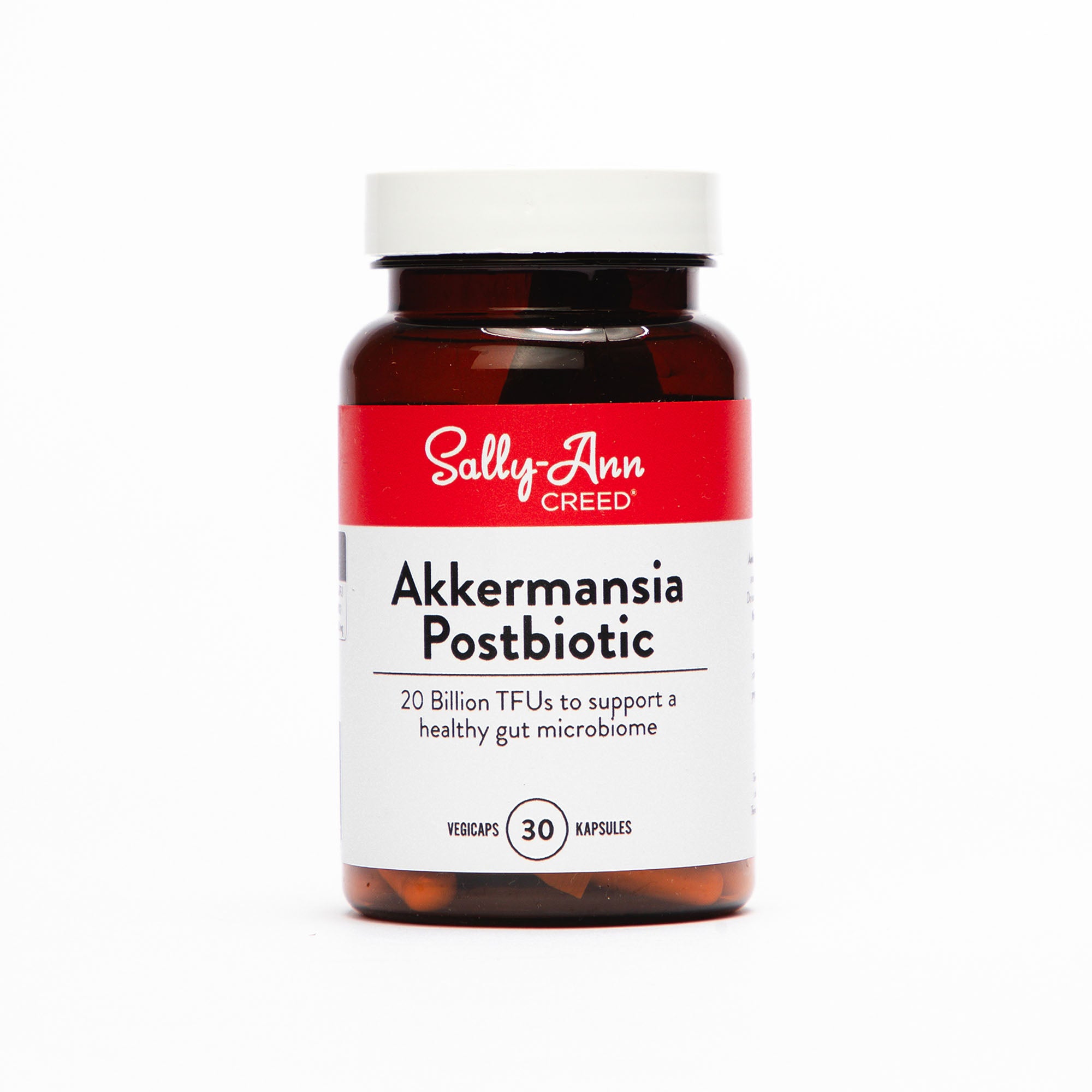
Everyone wants to lose weight for summer – it’s a thing! But did you know that there is a strain of bacteria which quite literally, can help you lose weight? Have you ever heard of Akkermansia muciniphilia? Didn’t think so. After reading this you’ll know all about it and why it’s the trendiest topic in the scientific weight loss community. Akkermansia is a probiotic bacterium which lives inside most of us. It has the happy ability to control how much belly fat we have. If you’ve tried to lose weight without success and feel a bit frustrated, you might want to eat your way into encouraging more of this strain of gut bacteria to help you lose unwanted weight. Akkermansia is said to improve metabolic rate, lower inflammation and strengthen immunity. A paper from back in 2013 by researchers at the University of Louvain, Belgium, concluded that this strain of bacteria has the ability to actively promote weight loss in humans. In healthy humans this bacterium makes up 3-5% of your gut bacteria, yet for some reason, in obese people this percentage is considerably lower. Akkermansia not only repairs a dysfunctional metabolic rate, it seems to have a positive impact on inflammation and diabetes as well. It just goes to prove once again the amazing part our gut flora play in keeping us healthy in every single way. How to increase Akkermansia levels Before you get excited and want to rush out and buy a boat-load of Akkermansia you need to know that there is no actual supplement you can take which will give you this strain, as it is still in the process of being studied and tested which takes years. However, you can encourage growth of your own colony of this bacterium (even if you only have a teensy bit) good news indeed. Belgian researchers discovered that oligofructose (not fructose!) will improve the percentage of Akkermansia. You will find oligofructose in our online store under the name of MaxiPrebiotic. Another way to promote this bacterial species is by taking Psyllium Husks as this particular strain absolutely adores fibre and prebiotics. (So much for the naysayers who slate fibre intake – such a necessary item in our diet). Prebiotic foods, dietary fibre, psyllium husks and oligofructose as found in MaxiPrebiotic (which is a prebiotic) are the ideal food sources for Akkermansia which will promote its growth, as well as many other very beneficial strains of bacteria. This strain relieves constipation, IBS, diarrhoea, control diabetes and encourage weight loss. What’s not to like? They are all also very cost effective and easy to take, as they are either tasty (as in foods) or tasteless (as in psyllium husks) or downright delicious as in the case of MaxiPrebiotic. You need a variety of foods daily for oligofructose to have an effect on the flora. While 32g per day of dietary fibre is recommended, diabetics are encouraged to have up to 50g a day for good health. Most people don’t even get 9g! Remember, you aren’t only eating for one here – you have colonies of hungry bacteria to feed – lots more mouths than you previously thought. Certain foods are rich in dietary fibre which encourage a healthy microbiome: Dandelion greens Asparagus Garlic, Onions and Leeks Banana Oatmeal Akkermansia is quite a chatty little fellow, it ‘talks’ a lot to the other bacteria, to stimulate a number of physiological processes, so by ‘feeding’ it correctly, you keep it talking. Imagine an organism living in you which can: Control weight Improve glucose control Lower inflammation Increase metabolism and Deal with harmful microorganisms In very rare cases there are people with absolutely no Akkermansia – but don’t panic, it’s likely that you have some. Even the smallest amount can be stimulated to grow according to researchers, and apparently they respond really quickly. Ways you can encourage Akkermansia to reproduce include: Lowering your intake of carbohydrates Eliminating sugar and sugary foods Eliminating processed foods from your diet (Akkermansia hate them) Increasing consumption of healthy fats Increasing consumption of fresh vegetables (both cooked and raw) Consuming fermented vegetables (sauerkraut, kimchi, kefir) – but without any sugar Taking a daily high-quality probiotic Cranberry extract alleviates intestinal inflammation and has been shown to increase the population of Akkermansia. Fish oil is also a healthy way to increase abundant Akkermansia according to studies There is even better news. Did you know you can start to change your gut microbiome in just one day? The average lifespan of the average bacterium is very short – just 20 minutes! So every time you eat, you could be encouraging and increasing your Akkermansia – one meal at a time! Imagine – in one day you can begin to change your entire microbiome! Of course sleep, stress, environment, exercise and other lifestyle modifications all determine the state of your microbiome too, but the greatest factor of all is your diet. How to Fast Track Your Diet to Increase Akkermansia What goes into your mouth can encourage that gorgeous colony of Akkermansia – so here’s how to do that: Choose the right food – numero uno!! Whole, fresh, natural – nothing processed, nothing out of a bottle or bag or tin if you can help it. This includes sugar. Food as it appears in nature (your secret Akkermansia weapon) Exclude all sugar and carbohydrates from grains. Get your carbs from non-starchy vegetables, especially leafy greens, radishes, Jerusalem artichokes, leeks, asparagus, garlic and turmeric. The body ‘sees’ grains as sugar Eat fat and protein at every meal. Include fermented foods in your diet, they’re rich in probiotics Ditch the dairy for a while, except for real farm butter (dairy is defined as anything out of a cow or goat) not including eggs, as they are not out of a cow/goat Toss out the nasty ‘foods’ like soy, corn, peanuts, seed oils, artificial sweeteners, gluten and grains. Avoid alcohol and coffee – at least for a while – Akkermansia is fussy that way. Add your coffee back in later, but ensure it’s organic or you defeat the object Akkermansia loves fatty seafood like salmon, sardines, mackerel and clams Take a good, high-quality probiotic not only for Akkermansia growth but for the health of your urogenital tract, respiratory tract and entire ecosystem. Consider taking Glutamine – an excellent way to rebuild and maintain digestive health and support digestion – a good friend to Akkermansia Support your stomach acid if you have too little – either HCL, lemon water or a tablespoon of apple cider vinegar in water before each meal to see if your symptoms improve (do NOT ever try to ‘go alkaline’) Exercise, but take care not to overdo it. Get enough sleep. Sleep has the power to change gut flora. Just two nights of sleep deprivation can lead to a dramatic drop-off in healthy bacteria – including Akkermansia. Relax and de-stress! Your gut is known as your ‘second brain’ and can take on the stress of everyday life very quickly – throwing your microbiome out of balance, which may make you feel depressed, anxious or tired, create memory problems or brain fog. Getting your microbiome back into balance will almost certainly help you lose weight – no more pounding the tar daily in an effort to shed a few kilos. (And by the way, exercise tones the body, it doesn’t lead to weight loss.) Fibre is a vital key to promoting weight loss, but it has to be the right fibre, not brans or cereals. Fibre is critical to good health because it is food for your intestinal flora. When you deprive yourself of fibre on a regular basis (think of people who live constantly on refined food) your gut microbes behave erratically. They can ‘turn’ on you and start to eat the mucus lining of your intestine as it’s also a carbohydrate source. If they are starved of fibre, they have no choice. Fibre is a carbohydrate which the beneficial flora eat – it does not count as a carbohydrate in our diets and is not digested. It’s food for your healthy bacteria and Akkermansia. Akkermansia Growth Programme If you want to use supplements to help you increase Ak, the ones you’ll need (and find in the online store) include: MaxiPrebiotic Apple Cider Vinegar (organic) with ‘mother’ culture Glutamine Fish oil A good probiotic
Read more
What is Human Microbiome?
A microbiome is a community consisting of trillions of microorganisms (also called microbiota or microbes) of thousands of different species that inhibit our bodies. These also include bacteria, fungi, parasites and viruses. Inside and out, our bodies are home to a huge array of micro-organisms. Did you know there are more bacterial cells in your body than human cells? In a healthy body these all co-exist peacefully and the largest numbers are found in the small and large intestines. However having too many unhealthy microbes can lead to disease. The gut microbiome refers to all of the microbes in your intestines . These act as another organ that’s crucial for your health. Microbiota stimulate the immune system. They also break down potentially toxic food compounds and synthesize certain vitamins and amino acids. An imbalance of healthy and unhealthy microbes in the gut may contribute to weight gain, sleep disturbances, skin irritations and auto immune conditions. While a balance in gut microbes may help control blood sugar, positively affect brain health and lower the risk of diabetes. How can we ensure that we have enough microbiota and enough of the right types? In addition to family genes, environment, and medication use, diet plays a large role in determining the kinds of microbiota and more specifically which are best for optimum gut health! Here are 5 top tips to a happy gut 1. Eat a diverse range of foods including food rich in polyphenols which are broken down to stimulate healthy bacteria growth (found in green tea, olive oil and dark chocolate) 2. Probiotics: Eat fermented vegetables, like kimchi and sauerkraut, and pickled vegetables, like onions and gherkins which are a source of live cultures of bacteria like bifidobacteria and lactobacilli 3. If using an artificial sweeteners choose one that contains a prebiotic such as https://sallyanncreed.co.za/…/bio-sweet-prebiotic…/ 4. Take supplements that contain live active bacteria such as these: https://sallyanncreed.co.za/product/maxibiotic-20-vegicaps/ https://sallyanncreed.co.za/…/maxifos-prebiotic-powder…/ 5. Eat collagen rich foods such as bone broth or take pure hydrolysed collagen https://sallyanncreed.co.za/…/sally-ann-creed-collagen…/ Join our Instagram Page @SallyAnn_Creed and subscribe to our Newsletter https://sallyanncreed.co.za/subscribe/ receive free food lists from The Low-Carb Creed when you join. This post is subject to our general disclaimer https://sallyanncreed.co.za/disclaimer/.
Read more
Are you suffering from leaky gut?
If you have these symptoms you may be suffering from leaky gut… Leaky Gut is the name given to damaged and permeable intestinal lining which allows undigested food particles, toxic waste products and bacteria to ‘leak’ through the intestinal wall into the bloodstream. Symptoms include: 1. Chronic diarrhoea, constipation, gas or bloating 2. Nutritional deficiencies 3. Weak immune system 4. Headaches, brain fog, memory loss 5. Excessive fatigue; insomnia 6. Skin rashes and problems such as acne, eczema or rosacea 7. Cravings for sugar and carbs 8. Arthritis and/or joint pain 9. Depression, anxiety, ADD and ADHD 10. Autoimmune diseases such as rheumatoid arthritis, lupus, celiac disease or Crohn’s This condition needs to be approached from several different angles at once in order to return the body to full health, including: changes to the diet, the inclusion of supplements, reducing the stress factor and rooting out the underlying cause in the first place. We believe a pleiotropic approach is necessary which means you must approach healing from several angles at once to actually flip the body back to health. This includes: • making dietary changes • adding specialized and targeted supplements • reducing stressors • correcting underlying root cause of disease And when it comes to supplements L-Glutamine is one of the most talked about for digestive health. At this point, the research is pretty clear on L-Glutamine being a very valuable supplement for anyone dealing with almost most chronic health issues. Whether it works to help fix the gut wall, improve sleep, recover from exercise or reduce cravings, it is a safe, cheap and readily available supplement to think about trying. L-Glutamine is easy to take – it plays a crucial role in healthy digestion, brain function and has been well documented in studies to protect against mucosal deterioration in the gut. Glutamine is helpful in reducing the side effects of chemotherapy. The worse your gut problem is, the more Glutamine will help to you. You will find our l-glutamine powder here https://sallyanncreed.co.za/product/l-glutamine-powder/ Join our Instagram Page @SallyAnn_Creed and subscribe to our Newsletter https://sallyanncreed.co.za/subscribe/ receive free food lists from The Low-Carb Creed when you join. This post is subject to our general disclaimer https://sallyanncreed.co.za/disclaimer/.
Read more
The difference between a Probiotic and Prebiotic
Probiotic and Prebiotic? Trusting Your Gut In human intestines, there are many strains of two main species of friendly bacteria, Lactobacillus and Bifidobacterium. Probiotics and Prebiotics both help those friendly bacteria, but in different ways: What is the Difference between Probiotic and Prebiotic? The lining of our gut is covered in microscopic bacteria. Collectively, these organisms create a micro-ecosystem known as the microbiome. The microbiome plays an oversized role in our health. Therefore, what you feed your microbiome is what has the biggest impact on its health. And the healthier it is, the healthier you are. The key to a healthy microbiome is nourishing a balance among the bacteria. In order to do so, you can: Use Prebiotics to help the microbes already inhabiting your gut by giving them foods they like, and Use Probiotics to add living microbes directly to your system. Prebiotics are specialized plant fibers. They act like fertilizers that stimulate the growth of healthy bacteria in the gut. Prebiotics are found in many fruits and vegetables, especially those that contain complex carbohydrates, such as fiber and resistant starch. These carbs aren’t digestible by your body, so they pass through the digestive system to become food for the bacteria and other microbes. Whereas Probiotics are different in that they contain live organisms, usually specific strains of bacteria that directly add to the population of healthy microbes in your gut. Microbiota-loving foods such as: Fiber-rich foods: Fruits, vegetables and whole grains Potatoes Bananas Artichokes Are recommended to consume in conjunction with a prebiotic supplement. And fermented foods such as: Yoghurt Kombucha Tempeh Sauerkraut Contain live microbes just as a probiotic supplement does. So which should you take? Take both! Sources: Lyte M, et al. Resistant starch alters the microbiota-gut brain axis: Implications for dietary modulation of behavior. PLOS One. 2016;11:1.Quigley EM. Basic definitions and concepts: Organization of the gut microbiome. Gastroenterology Clinics of North America. 2017;9:2.Salonen A, et al. Impact of diet and individual variation on intestinal microbiota composition and fermentation products in obese men. ISME Journal. 2014;8:2218.Yatsunenko T, et al. Human gut microbiome viewed across age and geography. Nature. 2012;486:222., Rountree R. The human microbiome — Humans as super-organisms. Alternative and Complementary Therapies. 2011;17:70.Lynch SV, et al. Targeting gut flora to treat and prevent disease. The Journal of Family Practice. 2016;65:2369 (297 words).
Read more
How do I take this? A Guide to our Products
People often ask us How do I take this? Our Sally-Ann Creed Products, directions for use and what can they be taken with are all below. We have put together a comprehensive list of “How do I take this”. The list has 35 Collagen, Vitamins, Minerals and Nutraceuticals, Pantry and Sugar Alternatives. We have 170 products in our range and we will continue to update this list. Contents: Pure Hydrolysed Collagen Beauty Bullets Collagel Colla-Joint Plus for Man’s Best Friend Skinny Collagen Soup Super CollagenT2 Gelatine Berberine Complex Biotin Bio Chelated Magnesium Premium Clear Skin & Lips CoQ10 Ester C caplets L-Glutamine Magnesium Citrate Powder MaxiPrebiotic MaxiProiotic 20 Milk Thistle Premium MaxiMSM (powder and tablets) Olive Leaf Omega-3 Fish Oil Quercetin Scorbi-Cee and Super-Cee powder Skinny Fibre Vitamin D3 Premium 5000iu Vitamin K2 Premium 100mcg Zinc BioSweet Xylitol & Erythritol Keto Sweet Zero Collagen Products 1. Pure Hydrolysed Collagen About: ‘There’s no magic bullet, although I do admit collagen does come close. You won’t live forever but you’ll have a better quality of life and look a lot better too (on the inside and out)’ – Sally-Ann Creed. https://sallyanncreed.co.za/product/collagen-pure-hydrolysed/ Direction for use: 1-2 scoops (14ml scoops are placed in the bag) can be added to your morning tea/coffee/glass of water at least an hour or more before breakfast. You can also take it between meals or last thing at night. Where possible avoid mixing it with other proteins however, if you absolutely cannot take it unless you have yogurt or something else, you will still derive benefit from it. Do not mix it with the Super CollagenT2 (chicken) type 2. If you are taking both, then take them at least 2 hours away from each other to ensure the best absorption possible. Always increase water intake with collagen. Can take with: L-Glutamine powder in water 2. Beauty Bullets About: Each capsule contains 575mg pure collagen. Now you can have the choice of either powder or capsules when getting your ‘collagen fix’ daily. We understand that for travelling, or if you are sensitive to taking powders you might want capsules, so now you can get pure hydrolysed collagen in capsule form. These BEAUTY BULLETS are literally ‘shots’ of Pure Hydrolysed Collagen. https://sallyanncreed.co.za/product/collagen-beauty-bullets/ Direction for use: Take 5-10 Collagen Beauty Bullet Capsules 1-2 x a day with hot or cold liquid (great for travellers). Can take with: Same instructions as collagen 3. Collagel About:A unique blend of Pure Hydrolysed Collagen (NON-GMO, Grass-Fed and 100% Pure) from a clean bovine source. It is exactly the same excellent Pure Hydrolysed Collagen you will find under our label. In addition we have included Pure Hydrolysed Gelatine with a potent prebiotic powder to improve and promote the healthy colonic flora. The addition of hydrolysed gelatine brings the price down but the effects are the same. https://sallyanncreed.co.za/product/collagel/ Direction for use: Take 1 tablespoon in water or stir into your coffee – it dissolves instantly and has no taste. 4. Colla-Joint Plus About: A powerful supplement which includes Collagen, MaxiMSM, gelatine, probiotic and prebiotic to improve bone and joint health, digestive health and promotes the health of skin, nails and hair. https://sallyanncreed.co.za/product/collagen-plus/ Direction for use: One scoop a day in warm or hot water. Add to food or with yoghurt. Ingredients: Collagen, gelatine, probiotic for the health of the gut. 5. Super CollagenT2 About: Chicken Collagen Type 2 for Joint Support. https://sallyanncreed.co.za/product/chicken-collagen-type-2-for-joints/ Direction for use: 1-2 scoops (14ml scoops are the size of a tablespoon) can be added to your morning tea/coffee/glass of water at least an hour or more before breakfast. Where possible avoid mixing it with other proteins however, if you absolutely cannot take it unless you have yogurt or something else, you will still derive benefit from it. Do not mix it with the other Pure Hydrolysed Collagen (bovine, type 1 & 3). If you are taking both, then take them at least 2 hours away from each other. Can take with: L-Glutamine powder in water 6. Skinny Collagen Soup About: There are 3g of Pure Hydrolysed Collagen per scoop so this is a suitable meal replacement for at least one main meal a day if you are wishing to lose weight. In each scoop of Skinny Collagen Soup you will get a burst of flavour from dozens of organic herbs and spices. https://sallyanncreed.co.za/product/skinny-collagen-soup/ Direction for use: 1-2 spoons in hot water – which can be a meal replacement or used as a base for soups, gravies, stews or as a broth alternative to lose weight. Very nourishing and collagen-rich, it is excellent when you can’t stomach solid food for whatever reason – this way you are nourished and filled. Lovely in a broth or light soup. 1-2 scoops a day is fine. Can take with: L-Glutamine powder 7. Gelatine About: A cooked form of collagen– gelatin “gels” so you can make jelly and terrines. Great for baking/cooking, but collagen doesn’t gel. https://sallyanncreed.co.za/product/the-benefits-of-gelatine/ Direction for use: Mixed the required amount as per your recipe in hot water to dissolve complete then add the same amount of cold water and allow to cool for 5-10minutes. Vitamins, Minerals and Nutraceuticals 8. Berberine Complex About: On its own it is an amazing product for normalizing blood sugar levels, however with Sally-Ann Creed® Berberine Complex you have the added chromium for that “double whammy” – ideal for those who wish to lose weight whilst controlling blood sugar levels. https://sallyanncreed.co.za/product/berberinecomplex/ Direction for use: Adults – Take 1 capsule three times a day, after food. Do not exceed the recommended daily dose. For special precautions please read package insert or link below 9. Biotin Bio About: Boosts health of hair and nails, helps manage blood sugar levels, assists blood sugar control, prevents hair loss, provides energy, eliminate skin inflammation & seborrheic dermatitis, helps prevent anaemia. https://sallyanncreed.co.za/product/biotin-bio/ Direction for use: Take 1 tablet daily. 10. Chelated Magnesium Premium About: It is an essential nutrient and is required for the maintenance of some of the most basic functions of life. Crucial organs, such as the heart, brain, and kidneys are dependent upon it. https://sallyanncreed.co.za/product/chelated-magnesium-premium/ Direction for use: Take 2-3 a day. These capsules contain 100mg each of magnesium glycinate. Can take with: Food, with other vitamins. 11. Clear Skin & Lips About: A combination of powerful immune modulators, and are intricately involved in the repair and maintenance of skin and lips. https://sallyanncreed.co.za/product/clear-lips-skin/ Direction for use: You can take one to three a day – excellent for skin, herpes zoster and acne. Can take with: Anything – best with food. 12. CoQ10 About: Coenzyme Q-10 is an essential component of the mitochondria and so is involved in energy production within body cells. Coenzyme Q-10 is a natural antioxidant which plays several highly useful roles in the body, including support for heart health and the production of energy in cells. CoQ-10 has also been identified as important for those using Statins as it can replace what they may deplete. https://sallyanncreed.co.za/product/coq-10-coenzyme-q10/ Direction for use: As a food supplement for adults, one (1) vegetable capsule daily, preferably at mealtime, or as directed by a healthcare practitioner. If you are pregnant, nursing, taking any medications or have any medical condition, please consult your healthcare practitioner before taking this product. 13. Ester-C Tablets About: Our bodies cannot make vitamin C so it is an essential nutrient to take in daily. It is formulated with citrus bioflavonoids to help with absorption. https://sallyanncreed.co.za/product/ester-c/ Direction for use: 2 or more a day with food at any time of the day – we cannot make vitamin C in our bodies so it is an essential nutrient for us to survive. Can take with: Anything – best with food. 14. L-Glutamine About: This is a powerful gut healer, energy provider and all-round “feel-good” nutrient. Used for the control of cravings, support the immune system, aid in muscle fatigue, improve blood sugar, and the able to repair a leaky gut. https://sallyanncreed.co.za/product/l-glutamine-powder Direction for use: Take ½ to one teaspoon a day in water away from food. ½ an hour before breakfast, lunch and/or dinner (which means 1-3 times a day) take in ¼ glass of water (or more). Eat your meal ½ hour or more later. This is a powerful gut healer, energy provider and all-round “feel-good” nutrient. Can take with: You can take this with Collagen but not with Skinny Fibre. 15. Magnesium Citrate Powder About: You might not know this, but almost everyone is short of magnesium, you included. And another interesting little health byte is that almost every known disease is associated with (not caused by – I said associated with) a magnesium deficiency. https://sallyanncreed.co.za/product/magnesium-citrate-powder Direction for use: Take a teaspoon in ½ – 1 glass water at any time of the day with or without meals. You can add this to your bottle of water It is quite tart, so give it a good stir to dissolve it properly, it is sometimes very slightly lumpy. Can take with: MaxiMSM powder, Pure Hydrolysed Collagen, MaxiFOS and Glutamine, Scorbi-Cee or Super Cee powder in water.. Can be taken with food, with other vitamins or on its own. 16. MaxiPrebiotic About: This is a soluble fibre and creates an excellent and healthy environment for the probiotics to implant, while improving overall colon ecology and digestive health. It helps the gut flora and can be an effective Candida treatment, gut ‘fixer’ and weight loss aid. https://sallyanncreed.co.za/product/maxifos-prebiotic-powder-100g/ Direction for use: Take 1-6 teaspoons any time of the day with anything. Can be mixed into food or beverage, hot or cold or taken on the tongue and eaten as a treat! It helps the gut flora and can be an effective Candida treatment, gut ‘fixer’ and weight loss aid. Can take with: Absolutely anything you like. Quite delicious to sweeten things with but it is not sugar. 17. MaxiProbiotic 20 About: Combines both prebiotic and probiotic into one capsule: It is an extremely potent probiotic with 10 strains, delivering 20 billion CFUs per vegicap, with added FOS, a prebiotic to help to promote the implantation of the probiotic flora. Ideal for building a healthy microbiome. https://sallyanncreed.co.za/product/maxibiotic-20-vegicaps/ Direction for use: You can take one to three a day – excellent for building the microbiome. Can take with: Best on an empty stomach last thing at night or first thing in the morning with water. Very good to take this with MaxiFOS as it is the ‘food’ for the healthy intestinal bacteria. 18. Milk Thistle Premium 500mg About: Milk Thistle is one of the most powerful ways you can protect your liver. https://sallyanncreed.co.za/product/milk-thistle-premium/ Direction for use: 1-3 a day with a meal. Can take with: Anything – best with food. 19. Maxi-MSM– Tablets and Powder About: MSM is one of the most powerful and effective anti-inflammatory. https://sallyanncreed.co.za/product/maxi-msm/ Direction for use: You can take from 1-6 or more tablets a day at breakfast or spread this out at meals –. With the powder, a teaspoon in water is an easy way to take it. A nice way to take it is to put 1-2 teaspoons in a litre of water in a bottle and sip it all day. Can take with: Glutamine, Collagen Scorbi-Cee or Super Cee powder in water. 20. Olive Leaf About: Powerful iImmune Support, reduces inflammation, reduces risk of atherosclerosis, supports weight loss, antioxidative properties. https://sallyanncreed.co.za/product/olive-leaf-active/ Direction for use: Take 1-2 tablets per day after a meal 21. Omega-3 Fish Oil About: Ultra-refined and extra-pure, this fish oil is free from mercury, PCBs, DDT and dioxins. We cannot make this in the body, so we all need it daily. https://sallyanncreed.co.za/product/the-omega-3-solution-fish-oil-softgels/ Direction for use: 3 a day is a good dose.. Keep in the fridge, they then go hard and are easy to swallow and won’t repeat (they shouldn’t anyway, but for sensitive tummies). Can take with: Take with water and with food, any time of the day. This can be taken with other supplements. 22. Quercetin with Vitamin C About: Powerful Antioxidant and Immune Booster. https://sallyanncreed.co.za/product/quercetin-with-vitamin-c/ Direction for use: Take 2 capsules a day, after food with a full glass of water. Do not exceed the recommended daily dose. 23. Scorbi-Cee and/or Super-Cee About: Super Cee has a base of ascorbic acid, but it is buffered or chelated meaning it is joined to a sodium (mineral) molecule, making it much easier on the gut and ideal for those with gut issues. Scorbi-Cee is ascorbic acid, or plain vitamin C. This is a very effective powder that you can add to water or drinks to get your quota of vitamin C in per day. Direction for use: Scorbi-Cee: Adult: Take a 1/4 tsp in water 2 to 3 times a day, with food. Children: Take 1 pinch daily in water, with food. Super Cee (Sodium Ascorbate): Take 1/2 tsp in water 1 to 2 times a day. Can take with:Anything except Skinny Fibre. You can mix either of these with MaxiMSM powder and/or Magnesium Citrate powder, and with MaxiFOS. https://sallyanncreed.co.za/product/hi-cee-300g/ https://sallyanncreed.co.za/product/super-cee/ 24. Skinny Fibre – Powder About: Literally one of the fastest moving products we have ever seen. It does what it says it does. Incredible dietary fibre to promote weight loss and a healthy gut. https://sallyanncreed.co.za/product/skinny-fibre/ Direction for use: ¼ to ½ teaspoon of Skinny Fibre onto your tongue, and immediately chase with a full glass of water. Take this late morning or mid-afternoon when you feel hungry OR take it before meals or between meals. Do NOT stir it INTO water or it immediately congeals as it is supposed to. Make sure you increase water intake when taking this fibre by 1-2 glasses a day. Can take with: It is best taken on its own. Not with food and 2 hours after medication. 25. Vitamin D3 Premium 5000IU About: D3 is only found in animal products, not in the plant kingdom, and taking a daily supplement is an excellent way to ensure you are not deficient. https://sallyanncreed.co.za/product/vitamin-d3-premium/ Direction for use: One a day for adults in the morning or at night with a meal. Please have a blood test around 6-9 months after taking this to make sure you are getting your levels up. Can take with: Anything – best with food and something with fat content. 26. Vitamin K2 Premium 100mcg About: Getting enough of, or being deficient in Vitamin K2 can be a serious situation, to the point of developing heart disease or having a stroke. It may not manifest with any symptoms either which can be difficult. But the benefits of taking a supplement are nothing short of incredible. https://sallyanncreed.co.za/product/vitamin-k2-premium/ Direction for use: One a day with food. This is an amazing nutrient, you can’t overdose and everyone should be on it unless your doctor has a reason for you not taking it. Remember Vitamin K1 is the ‘clotting’ Vitamin, K2 is very different – it is responsible for the distribution of calcium. Can take with:Anything – best with food and something with fat content 27. Zinc Picolinate About: Zinc is a nutrient known to benefit the immune system, and deficiency of zinc impairs the capacity of many different immune cells to carry out their functions. It is also a powerful antioxidant. https://sallyanncreed.co.za/product/sally-ann-creed-zinc-picolinate/ Direction for use: Take 1 tablet daily after a meal Can take with: Pure Hydrolysed collagen – or any protein source to increase absorption Pantry and Sugar Alternatives 28. BioSweet About: BioSweet is a prebiotic with monk fruit added to make it utterly delicious, calorie and carb free and enable you to enjoy sweetened foods and beverages. https://sallyanncreed.co.za/product/bio-sweet-prebiotic-sweetener-2/ Direction for use: As much or little as you wish to sweeten beverages or foods. Very safe, natural and without any calories. Can take with: Anything 29. Xylitol or Erythritol Direction for use: these are both sweeteners with very similar taste profiles to sugar. With Xylitol you can use 1 spoon to equal the sweetness of a spoon of sugar. With Erythritol however, you’ll need a little more than a teaspoon to equal the sweetness of the same amount of sugar. They are both very successfully used in tea, coffee, food and baking, they’re heat-stable and very versatile. https://sallyanncreed.co.za/product/erythritol/ 30. Keto Sweet Zero Direction for use: As with the above sweeteners this is heat stable, delicious and is the same sweetness as sugar. It has erythritol and the wonderful organic monk fruit with it – no calories, no carbs whatsoever, and very successful in tea, coffee, cooking and baking. It is the closest taste to sugar of all the natural keto sweeteners. Take in place of sugar one-for-one – tastes like sugar. https://sallyanncreed.co.za/product/keto-sweet-another-south-african-first-by-sally-ann-creed/ All these products can be found – together with many others not listed here. I hope this has cleared up any “How do I take this?” questions. For further instructions on How do I take this, please read the package insert which accompanies the product.
Read more
Bone broth for iImmune Support
Bone broth for iImmune Support – So how does it really work? Bone broth is a superfood that can strengthen your immune system. It really goes to show grandmas chicken soup to fight was spot on with scientific data now able to back it up! Bone broth contains essential nutrients that help your immune system to function properly. This nutritious and cost effective broth is made from boiling animal bones, adding vegetables and herbs then simply straining out the solids laving you with a broth abundantly rich in amino acid, vitamins, minerals and packed with anti oxidants. The benefits of bone broth include boosting your immune system, reducing inflammation, improving gut health and maintaining balanced nutrition. Top Tips: To enhance the flavour of the bones you can roast them in the oven until lightly browned before adding them to the pot. Broth freezes incredibly for up to six months. It is fantastic to add to other soups or dishes and can simply be enjoy on its own. Broth can be made from bones of any kind including beef, lamb, pork, fish, shellfish or chicken. Adding additional herbs and spices to taste are always a great idea. Here are some suggestions: Beef bones – rosemary Chicken bones – ginger, turmeric Fish bones – parsley and thyme Pork bones – thyme The most effective bone broth recipe from a convenience and cost perspective is the one that best suits your needs and what you currently have in your fridge. We don’t like to waste a single cutting or skin so keep a container in the fridge for your “offcuts” and collect any vegetables tops, peels or skins for your recipe. Click here for a bone broth recipe: https://sallyanncreed.co.za/recipes/bone-broth-recipe-with-a-personal-touch/ Disclaimer: You can simply click on the name of each product mentioned above (in bold) and a hyperlink will take you directly to the product for an easy purchase. Originally published on https://www.facebook.com/SallyAnnCreedSA/ on 1 February 2021. Instagram: @SallyAnn_Creed Facebook: @SallyAnnCreedSA
Read more
Berberine Complex
I think of all the products I’ve developed, this is one of the ones I am most proud of. Some studies say when you take Berberine, it is advisable to take a break every 8 weeks. I don’t really agree with this but the rationale is that it may kill off some beneficial flora if taken indefinitely. Well, this has been taken care of with a powerful probiotic blend built into the recipe. The other thing I’ve included is chromium for even better blood sugar control. Berberine on its own is an amazing product for normalising blood sugars. However with Berberine Complex you have the added chromium for that ‘double whammy’ for those who wish to lose weight while controlling blood sugar levels. Several B Vitamins (which can sometimes be depleted with long-term use of Berberine) have been added. So that this won’t happen especially Vitamins B1, B6 and B12. These vitamins may also help to control homocysteine levels and prevent anaemia. Lastly, Milk Thistle has been included in the formulation to assist the bioavailability of Berberine. Milk thistle acts as an inhibitor of the transporter that limits absorption. So this is a revolutionary product and one I think you’re going to love! Disclaimer: You can simply click on the name of each product mentioned above (in bold) and a hyperlink will take you directly to the product for an easy purchase. Originally published on https://www.facebook.com/SallyAnnCreedSA/ in 2020.
Read more