Articles

Vitamin D: The “sunshine” vitamin
What is vitamin D and the role it plays in our body? Vitamin D is a fat-soluble vitamin which is used by the body for normal bone development and maintenance. Vitamin D assists in increasing the absorption of calcium and phosphate in our bodies[1]. Without vitamin D, only 10–15% of dietary calcium and about 60% of phosphorus can be absorbed.[2] Vitamin D is unique in that it can be made in the skin from sunlight exposure. It exists in two forms, namely Vitamin D2 obtained from the sun when it strikes the skin and vitamin D3 produced by the human body.[2] People with a darker skin tone have natural sun protection and require at least three to five times more exposure to the sun in order to make the same amount of vitamin D as a person with a lighter skin tone.[3] The way we determine our vitamin D levels is through a blood test, which is done by a healthcare professional, and maybe reported in different ways. You can either get the total vitamin D result, or separate results for Vitamin D2 and Vitamin D3. A circulating level of D greater than 30 ng/mL is required to maintain a healthy level of vitamin D. If your total vitamin D level shows a vitamin D deficiency or insufficiency, you may need to supplement with additional Vitamin D3 or implement some dietary changes.[2,4] What is vitamin D deficiency?Vitamin D insufficiency affects at least 50% of the population worldwide and an estimated 1 billion people across all age groups and ethnicities have a Vitamin D deficiency (VDD). This is mainly attributed to lifestyle (i.e., reduced outdoor activities) and/or environmental factors (i.e., air pollution) due to reduced sunlight exposure.[2] VDD can lead to an array of problems, and is an important public health issue since vitamin D plays a supportive role against cancer, heart disease, fractures, autoimmune diseases, influenza, type-2 diabetes, and depression.[3] Who may need extra vitamin D to prevent a deficiency?Getting enough vitamin D from your food alone is a task on its own. Besides exposure to sunlight, a dietary supplement is incredibly useful in order to meet your daily need of this VITAL vitamin for the following individuals:[5] Older adults People with limited sun exposure People with dark skin tones People with fat malabsorption People who are obese People with milk allergy People with lactose intolerance Complications of Vitamin D deficiencyIf you are Vitamin D deficient, this will result in a decreased absorption of dietary calcium and phosphorus levels. This leads to an increase in our parathyroid hormone (PTH). An increased level of PTH causes the levels of calcium in your blood to rise, causing further problems like bone weakness, a decrease in bone mineral density (BMD), and kidney stones. Children with VDD often struggle with irritability, lethargy, and developmental delays, while adults can experience symptoms associated with secondary hyperparathyroidism including bone pain, fatigue, muscle, and weakness increasing sway and frequent falls thereby increasing their risk of fracture.[7,8] What are the sources of vitamin D?It is important to eat a diverse diet that is rich in vitamin D. There are only a few commonly consumed foods that are good sources of vitamin D. We recommend the following: Cod liver oil Oily fish such as salmon, mackerel, tuna, sardines Milk and dairy products (cheese) Eggs Beef and liver Don’t forget that the biggest source of our vitamin D is exposure to the sun. Vitamin D which is produced by our skin lasts two times longer in our blood compared with ingested vitamin D. Season, geographic latitude, time of day, cloud cover, smog, and sunscreen affects the UV ray exposure and vitamin D synthesis. Sunscreens with a sun protection factor (SPF) of 8 or greater will block UV rays that produce vitamin D, but it is still important to routinely use sunscreen to help prevent skin cancer and other negative consequences of excessive sun exposure. An initial exposure to sunlight of between 10 -15 minutes at least two times per week to the face, arms, hands, or back without sunscreen is usually sufficient to provide adequate vitamin D. This should be followed by application of a sunscreen with an SPF of at least 15 to protect the skin. It is very important for individuals with limited sun exposure to include good sources of vitamin D in their diet. What is the recommended management of VDD? Treatment with either vitamin D2 or vitamin D3 supplementation is recommended for the deficient patient. The amount of vitamin D required to treat the deficiency depends on the severity of the deficiency and underlying risk factors. We recommend sticking to a daily dosage of 1000iu. Vitamin D deficient individuals may need to take up to 50,000iu per week in order to repair their levels. Your health care professional will prescribe the appropriate dose of vitamin D supplementation based on your blood tests. What are the health risks of too much vitamin D? Vitamin D toxicity results from excess oral intake and not due to excessive sunlight exposure. It can cause nausea, vomiting, poor appetite, constipation, weakness, and weight loss. It can also raise blood levels of calcium, causing mental status changes such as confusion. High blood levels of calcium also can cause heart rhythm abnormalities. Sun exposure is unlikely to result in vitamin D toxicity. Diet is also unlikely to cause vitamin D toxicity, unless large amounts of cod liver oil are consumed. Vitamin D toxicity is much more likely to occur from high intakes of vitamin D in supplements. That’s why it’s so important to dose correctly and according to your body’s needs. References: [1] https://www.ncbi.nlm.nih.gov/NBK532266[2] https://www.ncbi.nlm.nih.gov[3] https://pubmed.ncbi.nlm.nih.gov/18641195[4] https://medlineplus.gov[5] http://suprabrands.com/vitamin_d.pdf[6] https://pubmed.ncbi.nlm.nih.gov/4130245/[7] https://pubmed.ncbi.nlm.nih.gov/18413426/[8] https://pubmed.ncbi.nlm.nih.gov/15886381/[9] https://pubmed.ncbi.nlm.nih.gov/8390483/
Read more
Top 10 Toxins to Avoid
Toxins to avoid: There are some very nasty chemicals out there – yes, they’re all bad – but some are worse than others. Below are some toxins to avoid. The liver is the most important detoxifying organ in the body. When the liver can’t effectively neutralise and dispose of toxins, they accumulate in the body. An essential nutrient for healthy liver function is Milk Thistle Here are our Top 10 toxins to avoid: 1. Sodium lauryl sulfate (SLS) and sodium laureth sulfate (SLES): These closely related chemicals occur in everything from soaps to toothpaste, and are found in virtually all shampoos and foaming products. They cause skin irritation, serious eye damage, diarrhea, breathing difficulty – even death – in laboratory animals. The American College of Toxicology discovered these chemicals can cause malformation in the eyes of children. While other research shows SLS in particular can damage the immune system. This can potentially leave the body open to damage, disorders and disease including cancer. Toxic residues can be left behind in the heart, brain and liver. 2. FD&C colour pigments: They may seem like harmless colorants, but the many pigments finding their way into personal care products can damage the skin. In addition it’s been shown that absorption of some of these colorants can deplete the body of oxygen and in extreme cases lead to death. The majority of these pigments are made from coal tar – a substance known to cause cancer in laboratory animals. 3. Isopropyl alcohol: How many times have you noticed this chemical listed on the ingredients of lotions, fragrances, cosmetics and similar products? You might think because of its widespread use that isopropyl alcohol is safe. This petroleum-derived substance is the same chemical used in antifreeze and as a solvent in shellac. Both inhalation and ingestion are dangerous – leading to dizziness, depression, vomiting, nausea and coma. 4. Polyethylene glycol (PEG): These harsh chemicals are used to dissolve oil and grease, as well as thicken products! Ugh. They are even used as oven cleaners!! Why would you want to use them on or in your body? Yet, PEGs find their way into many of the personal care products you use every day. Potentially carcinogenic, PEGs are known to damage the immune system and exposure can trigger cancer cell growth. 5. Chlorine: Despite being used in swimming pools, laundry products, sewage systems and tap water among other applications – chlorine is far from harmless. This chemical is widely known to cause delirium, diabetes, high blood pressure, circulatory collapse and a host of other serious conditions. It is also a likely carcinogen. This is why we use a distiller and have for 20 years! (See more here ) 6. DEA (diethanolamine), MEA (momoethanolamine) and TEA (triethanolamine): You will often find these acronyms listed in conjunction with other ingredients on product labels. These chemicals are carcinogens known as hormone-disrupting chemicals. They are frequently found in products that foam, such as bubble baths, body washes and shampoos. Dr. Samuel Epstein the Professor of Environmental Health at the University of Illinois has noted that repeated skin exposure can lead to a significant increase in the rates of kidney and liver cancer. 7. Mineral oil and baby oil: What can be more harmless than something known as baby oil, marketed to protect an infant’s skin? Baby oil is still 100% mineral oil, a commonly used petroleum-based ingredient that is also used to make plastic wrap. Like plastic wrap, it robs your skin’s natural ability to breathe and release toxins. It can also slow down cell development, leading to breakdown of cells and premature ageing. We shudder when I think of how as a teenager we would rub this all over our bodies to get a faster tan! 8. Fragrance: It’s difficult to find a personal care product that doesn’t contain some sort of fragrance, from baby lotion to deodorants. Unfortunately, a surprising number of the compounds used in fragrance are themselves carcinogenic or toxic. Many fragrances are synthetic chemicals. Clinical studies have shown that repeated exposure can affect the central nervous system, causing depression hyperactivity, irritability, and behavioural problems. Make sure any fragrances you use are from essential oils – we only use natural fragrances in our Grace skincare range 9. Propylene glycol (PG): Commonly found in products as a “wetting” agent or solvent, you may be surprised to learn that PG is also the active component in antifreeze – actually, there is no difference in the industrial product and the personal care product ingredient. While known to break down protein and cellular structure it is still found in a multitude of skin and hair products including cosmetics. The U.S. Environmental Protection Agency requires that workers wear protective gear when working around these chemicals. This is to guard against brain, liver and kidney damage. 10. Imidazolidinyl urea and DMDM hydantoin: These compounds are just a few of the many preservatives found in personal care products that are known to release formaldehyde (this is used to embalm the dead) – which has been shown to damage the respiratory system and cause heart palpitations, according to the Mayo Clinic. Other complications brought on by exposure include rash, joint pain, depression, headaches, chest pains, and sleep loss, to name a few. Exposure has also been shown to weaken the immune system and known to increase the risk of cancer. Educate yourself and invest in natural products with ingredients you understand and know. Better still know what toxins to avoid and where possible make your own!
Read more
7 foods to help improve your skin
An unhealthy diet can not only damage your metabolism and cause weight gain but may also lead to chronic health conditions including diabetes and heart disease. What’s more, your diet has a direct impact on your skin, contributing to conditions such as ageing or even acne. Skin conditions often have a domino effect on your self-esteem and quality of life. It’s important to take care of your skin health and one of the most effective ways to do so is by looking at your daily diet to ensure you are getting the essential nutrients you need for skin protection. These seven foods may help keep skin healthy, strong, and attractive. 1. Walnuts Walnuts are particularly high in Omega 3, vitamin E and Zinc, all being essential in maintaining a healthy skin barrier to protect not only against inflammation but bacteria too. You will find fabulous ones available here: https://sallyanncreed.co.za/product/walnuts/ 2. Omega-3 from Fatty fish. The omega-3 fatty acids contained in fish are vital for reducing skin redness, acne and keeping your skin moisturised. Omega-3 fats are a good source of vitamin E (an antioxidant), zinc and protein which can make the skin less sensitive to the sun’s harsh UV radiation. Omega-3 deficiency can cause skin dryness and supplements may also fight autoimmune conditions which are known to affect the skin such as lupus and psoriasis and lupus. You will find ours here: https://sallyanncreed.co.za/product/the-omega-3-solution-fish-oil-softgels/ 3. Avocado The good fats from avocados help to keep your skin moisturised and flexible. Avo’s are rich in both Vitamin E and Vitamin C, both are fabulous for skin health. They even protect your skin from possible UV damage exposure. 4. Bell Peppers Bell Peppers contain vitamin C which is important for your body’s own collagen production and will aid in skin elasticity. They are also an excellent source of the carotenoid beta-carotene that acts as a natural sunblock for one’s skin, protecting against cell damage, sunburn, skin cancer, dryness and wrinkles (not replacing sunblock of course!) 5. Dark chocolate Cocoa is known to be rich in antioxidants that increase blood flow and hydrate the skin. Hooray! Enjoy our very own 70% dark chocolate! 6. Green tea Every cup is filled with antioxidants and catechins which may protect skin from the onset of visible signs of ageing. 7. Pure Hydrolysed Collagen Collagen is known to have many benefits for the skin including slowing down the rate at which fine lines may appear, helping your form new collagen, strengthening skin, improving elasticity and hydration! Make sure you are using pure hydrolysed collagen for the best skin health benefits. You will find ours available here: https://sallyanncreed.co.za/product/collagen-pure-hydrolysed/
Read more
Five Surprising Uses for a Banana Peel
We have all heard of the benefits of eating a banana before a run or strenuous workout but how can you make your banana and the banana peel go the extra mile? Here are five surprising uses for banana peels to help you do just that 1. Acne & wrinkles – banana peel houses nutrients and antioxidants which work wonders on your skin. Gently rub the inner peel on your skin and leave on for 30 minutes. Wash off with warm water and moisturize. Repeat 3 times a week and see if you note any changes to your skin complexion. 2. First Aid – rubbing a banana peel against sunburn, poison ivy rash or bug bites can sooth the skin and reduce itching. 3. Placing the peel on a splinter in the skin for 15 minutes can help draw it to the surface. 4. Shoe polish – rub the banana peel on your leather shoes and then buff them up with a soft cloth, we’re calling it Natures Shoe Polish! 5. Easy composting – by adding banana peel to your compost it will help introduce a multitude of nutrients. These will introduce nutrients including calcium, magnesium, sulphur, phosphates, potassium and sodium. Simply cut the it into small pieces then bury the banana skin bits under the plant you want to fertilize (ideally next to the roots). Water the plant right away to let the soil sit on top for a bit and let the banana skin work its magic. So, the next time you finish that banana snack, save the peel and give one of these a try! We’d love to hear from you on how you utilize this powerhouse fruit!
Read more
Make Your Own Healthy Cleansers
With all the dangerous chemicals around today, consider always trying to make something yourself. These do-it-yourself cleanser concoctions are designed for dry, oil or normal skin types. The apple cider vinegar acts as a natural astringent; the olive oil helps remove dirt; the lactic acid in the yogurt exfoliates; and the lemon juice tightens pores. What more could you want. Dry Skin: Mix 1 cup plain yogurt, ½ mashed banana/avocado, ¼ tsp apple cider vinegar, 1 tsp olive oil Oily Skin: Mix 1 cup plain yogurt, ½ tsp olive oil and ¼ tsp lemon juice Normal Skin: Mix 1 cup plain yogurt, 1 tsp olive oil and ¼ tsp apple cider vinegar Choose a cleanser depending on your personal skin type. Combine all ingredients well. Scoop out approximately ¼ cup and apply all over face with a soft, circular motion. Rub into skin for at least one minute. Rinse well with cool (not cold) water. Gently pat dry with a soft cloth. Store any unused cleanser in the refrigerator for up to seven days. Disclaimer: You can simply click on the name of each product mentioned above (in bold) and a hyperlink will take you directly to the product for an easy purchase. Originally published on https://www.facebook.com/SallyAnnCreedSA/ in 2020.
Read more
Are you collagen deficient?
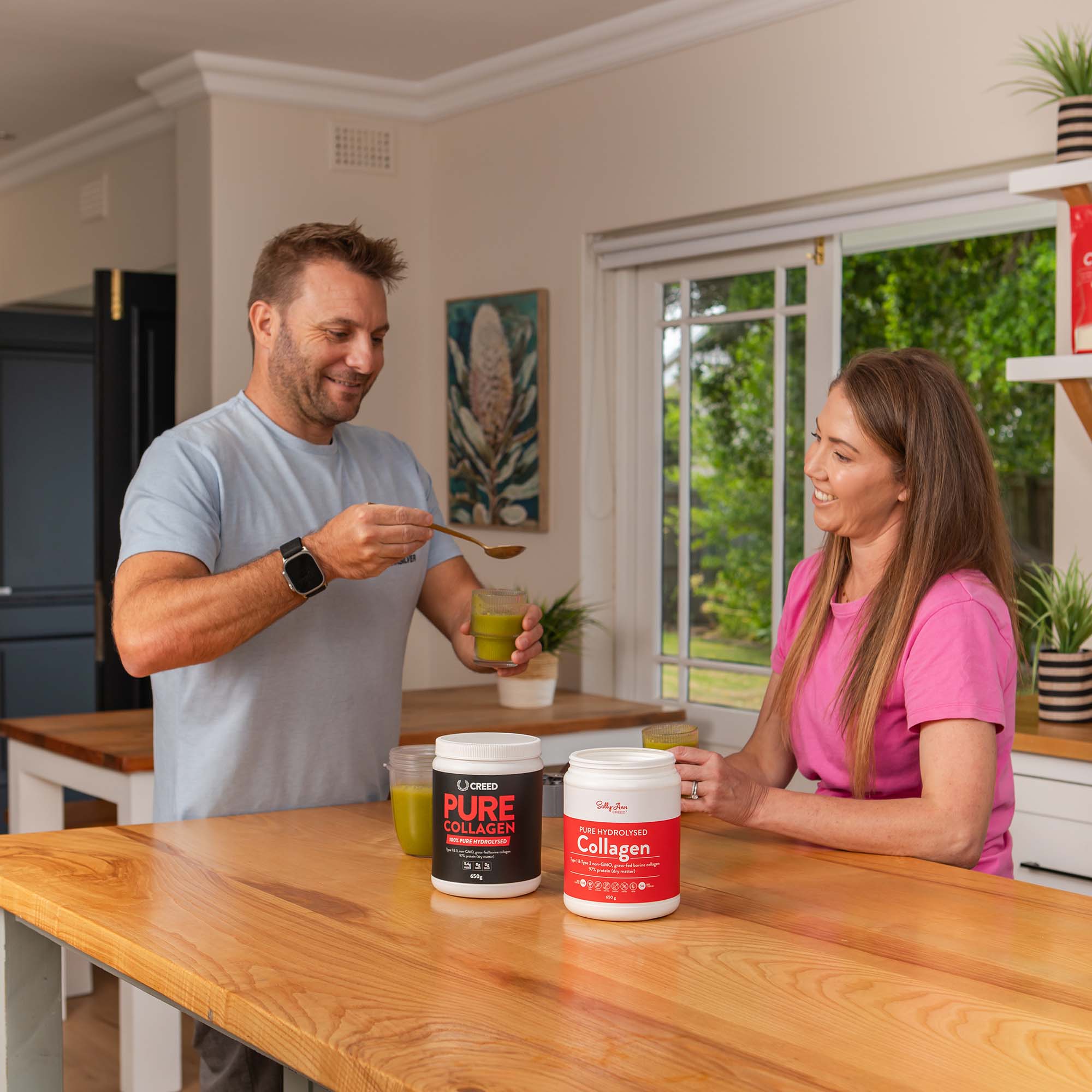
In the same way that eggs ‘bind’ cake ingredients together when you make a cake, so collagen is the ‘glue’ or binding agent which holds your cells together so effectively. Collagen enables your skin to move flexibly, and to bounce back into place when you press it. Now – just imagine this glue “drying up” over time as it does as we age, and that’s precisely what starts happening once you get into your 30’s and 40’s. Eventually, you may not have enough collagen in your skin or joints to do the job which leads to all sorts of collagen-deficiency problems such as: Stiff, achy joints – have you ever walked up the stairs and your knees start cracking? Or when you stand up, your hips crack? If your bones crack frequently, you could be deficient in collagen. Wrinkles and fine lines start becoming evident – if you’re losing collagen, you’re losing the glue holding your body together. Your skin loses its elasticity, so fine lines and wrinkles begin to show in your face and hands. Unexpected weight gain – because collagen is LOADED with gelatine, a gut-healing nutrient, it heals the gut. Now if you have a leaky gut, you pack on the pounds so much easier, plus it’s that much harder for you to lose weight. Heal your inflamed gut with collagen to support weight loss. I highly recommend my unique non-GMO, grass-fed Pure Hydrolysed Collagen powder – or if you prefer capsules – my Beauty Bullets (collagen-filled capsules). Disclaimer: You can simply click on the name of each product mentioned above (in bold) and a hyperlink will take you directly to the product for an easy purchase. Originally published on https://www.facebook.com/SallyAnnCreedSA/ in 2020.
Read more
How to use our luxury bath salts
These wonderful Luxury bath salts contain Epsom salts and other salts which help the entry of magnesium into the cells but did you know that magnesium and other salts are not a salt at all, but rather a mineral compound used for centuries as a natural remedy for a number of ailments. Magnesium is readily absorbed into the skin, which makes it’s health benefits quickly accessible, providing: reduction of inflammation alleviates hardening of the arteries improves muscle and nerve function allows nutrient absorption to be much faster help to flush out toxins Here are some more uses for my Luxury Epsom Bath Salts: Soothes sore muscles and prevents cramps and joint pain To remain healthy and vibrant the salts help exfoliate the dead skin. Relaxation and relief from stress Exfoliates & softens skin Relieves constipation Draws out toxins Reduces swelling Kills foot fungus and removes odour Sunburn treatment You will also find these amazing Bath Scrubs have essential oils and moisturising oils. This will help you to exfoliate your whole body and then when you wash it off your skin will be amazingly smooth. Find them all here https://sallyanncreed.co.za/?s=bath&post_type=product. Elwynn Oberholzer “I simply love these bath salts! Luxurious and healing ❤️ “ Disclaimer: You can simply click on the name of each product mentioned above (in bold) and a hyperlink will take you directly to the product for an easy purchase. Originally published on https://www.facebook.com/SallyAnnCreedSA/ in 2020.
Read more