Articles

Hair today, gone tomorrow
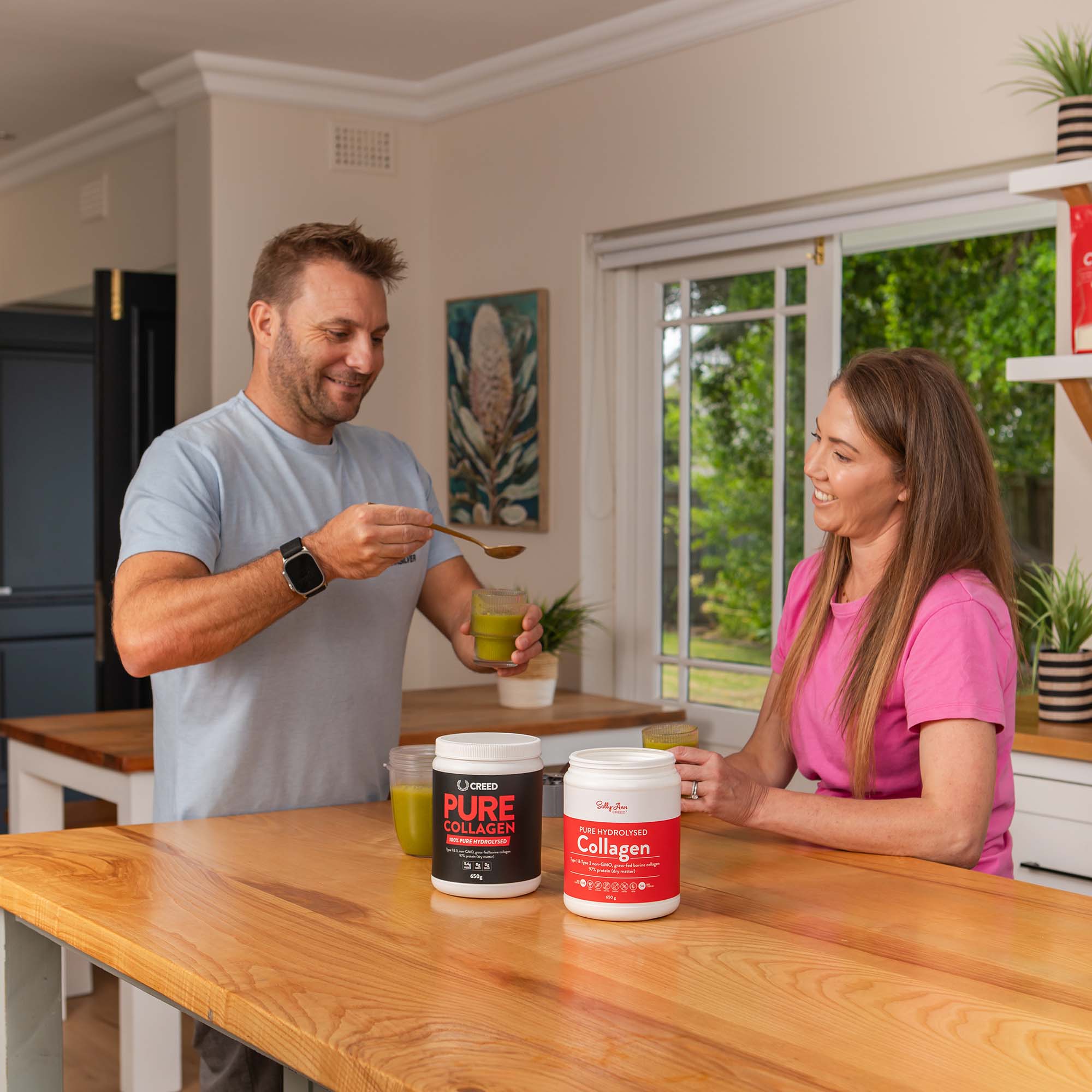
Mmm, not funny when you have hair loss or thinning hair. There are a lot of complex mechanisms at work here, but some of you can deal with it to stop the process worsening and in fact give you back that lovely full head of hair. Hair loss can be a simple thing – like a protein deficiency or iron deficiency – but there could also be genetic and hormonal components too. Start by addressing the things you can – here are some ideas if you are experiencing hair loss – remember though, it will take several months to see any difference as hair takes a months to grow. It should at least halt the loss in the first few weeks, while new hair begins to grow. 1. Eat enough animal protein as in meat, eggs, fish etc. Protein deficiency is one of the most obvious reasons for hair loss. We recommend supplementing with collagen. Our Pure Hydrolysed Collagen is the best you can get and works wonders for your hair. 2. If you are on blood thinners, you will find your hair will thin – speak to a health professional about an alternative safe blood thinner 3. Stop smoking if you smoke, as this affects arteries taking blood to the hair follicles (and damages the heart, lungs and brain too) 4. Have a ferritin blood test – you could be iron-deficient. Don’t ever take iron unless you are deficient – it is not a safe mineral to gaily take too much of 5. Use fish oil daily – 3 x softgels. Omega-3 DHA & EPA from fish oil is a powerful way to stop the damage and is one of the top nutrients for helping to keep a full head of hair. Studies show an increase in active hair follicle percentage and diameter distribution of hair over a 6 month period. Also eat more wild-caught salmon. 6. Zinc effectively treats telogen effluvium and alopecia areata – both forms of hair loss because zinc benefits the health of the hair follicle. It also prevents follicle regression and accelerates hair follicle recovery. Another reason beef is so good for you – it is a rich source of zinc. 7. B Complex (a GOOD one) is very important – especially if you are stressed. 8. Biotin is well known as a powerful help for hair growth and is used a lot to prevent further loss. A major sign of biotin deficiency is hair loss, especially during pregnancy. 9. Pantothenic Acid also known as vitamin B5 – has been used as alternative hair loss treatments for ages. In fact pantothenic acid is a natural alternative to cortisone, so it’s an anti-inflammatory agent and at one a day is very affordable. It prevents hairs splitting and breaking, it also increases the diameter of the hair, thickening it and increasing pliability to withstand force, so it doesn’t break. Foods which will provide biotin and pantothenic acid include eggs, beef, chicken, avocado and some nuts. 10. Vitamin C prevents cellular damage to DNA, lipids, proteins and prevents oxidative stress. All these affect hair, so we can never have too much vitamin C! I suggest Super Cee, Liposomal or Lipospheric Vitamin C, Ester C or Scorbi Cee – all of which you’ll find in my online store – any and all vitamin C is crucial for keeping your hair. 11. Vitamin D3 – both a hormone and a vitamin – is important too as hair follicles are very sensitive to hormones. Alopecia areata is common in people with a vitamin D deficiency. Vitiligo is also common in those with a D deficiency. A supplement is highly recommended, but also eat fatty fish like halibut, mackerel and salmon. WHAT SLOWS HAIR GROWTH? In women the most common cause is nutritional before the age of 50. Lack of animal protein, depleted iron stores and after 50, hormonal changes. In general though, these are some of the most common reasons for hair growth inhibition: • Poor nutrition (often too little protein), junk food • Alcohol and cigarettes/vaping • Hormonal changes • Family history – genes • Medications • Pregnancy and breastfeeding (if you are undernourished) • Radiation therapy • Thyroid disorders • Anaemia • Autoimmune diseases • Polycystic Ovary Syndrome (PCOS) • Psoriasis and seborrheic dermatitis • Dramatic, fast weight loss (especially if it’s a poor diet) • Too little fat in the diet • Physical trauma/stress of any kind • Lack of collagen A word on COLLAGEN here: Collagen has long been used to support hair, skin, muscle, cartilage, ligament, and blood-cell regeneration. What makes it so special is its essential amino acid profile: glycine, lysine, and proline help regulate cell growth – every cell of the body, including the hair follicles, that’s why people report how thick their hair becomes on collagen supplementation. The best way to add collagen to your diet is by using our non-GMO, grass-fed Pure Hydrolysed Collagen which is in the form of collagen peptides. This is a flavourless powder which dissolves in cold and hot liquids equally, and is tasteless. It is vastly super to traditional protein powders and blends and will give you swift results. We put mine ours in our morning cup of coffee – it makes it super-creamy! To make it easier for you, all these products are available from our online store here. Hair’s to you!
Read more
Do you have undiagnosed PCOS?
Overview Could you have undiagnosed PCOS? Types of PCOS Common Causes of PCOS Recognising the symptoms of PCOS Lifestyle Tips for PCOS Nutrients to help PCOS COULD YOU HAVE UNDIAGNOSED PCOS? Many women are walking around with problems they don’t understand, and may have undiagnosed Polycystic Ovary Syndrome (PCOS). There are a lot of symptoms like anxiety, depression, weight gain, acne, PMS, blemishes and breakouts, unwanted hair growth and infertility or lack of a menstrual cycle. PCOS is now the most common endocrine disorder in women with up to 1 in 5 women suffering from – 20% of women. Hormones work like little chemical messengers in your body, they determine everything from your mood, to your energy levels, to your weight – hormones affect and control so many aspects of your health, yet it can be so easy to overlook just how important they are to our well-being- until your balance is compromised. The underlying cause for PCOS symptoms is an abnormally high level of male sex hormones compared to female sex hormones such as estrogen and progesterone. In a majority of PCOS cases, male sex hormones are high – this can prevent the ovaries from releasing an egg each month as they would when in a state of balance. Female sex hormones need to be balanced with male sex hormones in the proper ratio. It’s the ratio which is out of kilter. THERE ARE 5 TYPES OF PCOS The Classic type: high androgen levels, irregular or absent ovulation, and polycystic ovaries The Hyperandrogenic Anovulatory type: excess androgens with irregular or absent ovulation (but not polycystic ovaries) Ovulatory type : excess androgens with polycystic ovaries (but without ovulatory dysfunction) Non-Hyperandrogenic PCOS: irregular or absent ovulation and polycystic ovaries Obesity or the ‘unofficial’ type: obesity with insulin resistance can lead to excess testosterone and estrogen production. This combination can result in acne, facial hair, and the irregular cycles as seen in PCOS. Most women with PCOS are prescribed the birth control pill, but this does not fix nor halt PCOS, it merely masks the symptoms at best. The Pill is a concoction of synthetic hormones does nothing to prevent, cure, or fix PCOS or any other hormone disorder for that matter. While it seems to manage symptoms in some women but a holistic approach is best here – lower inflammation and balance hormone levels through nutrition, supplementation, and lifestyle changes. COMMON CAUSES INCLUDE: Genetic predisposition: PCOS is regarded as a condition that runs in families, especially if you have a diabetic parent. You don’t HAVE to go on to develop this by the way, you can ‘change your destiny’ in this instance. Poor diet: Eating too many high-glycaemic foods, such as those with a high-sugar content and refined carbohydrates. Chronic stress Too much exercise Thyroid disorders like hypothyroidism Exposure to synthetic estrogen, phytoestrogens in soy, plastics, pesticides and phthalates Obesity High insulin levels – which cause the ovaries to increase male sex hormones, preventing the ovaries’ ability to ovulate High levels of inflammation – even chronic low-grade inflammation will cause the ovaries to produce more androgens RECOGNISE THE SYMPTOMS There is no one reason as to why women develop PCOS. It’s also not just one single disorder but instead, at least four or five independent disorders that are all characterized by an overlapping but inconsistent set of symptoms: High androgen, or male sex hormone levels Acne Facial and body hair growth Hair loss or balding Irregular or absent menstrual cycles/infertility Excessive or heavy menstrual bleeding Ovarian cysts Darkening of the skin in the armpits, back of the neck, or groin Mood disorders Obesity and inability to lose weight with a healthy lifestyle Recurrent miscarriages LIFESTYLE TIPS FOR PCOS: Eat WHOLE foods – create a meal plan with fresh, organic, pasture-reared food. No processed food. It MUST be a no-sugar, low carb diet to work, and you must avoid seed oils, gluten, dairy, sugar, feedlot animal protein and farmed fish. Choose wild caught fish and free-range, pasture-reared beef, lamb, chicken, etc. Avoid all grains as these become sugar in the bloodstream and will only add to your misery. DO NOT TOUCH SOY! Anything soy is taboo for you – it is the most controversial phytoestrogen and it is found in almost every packaged food, and virtually all soy is genetically modified and highly processed, which can further trigger an overload of estrogen and contribute to a new imbalance which also comes with its own set of symptoms. Use natural, organic spices and herbs – powerhouses of the correct type of phytonutrients which decrease inflammation, support liver health and nourish – best spices are cinnamon, turmeric, black cumin, coriander and ginger. Use apple cider vinegar daily as it helps to increase insulin sensitivity Don’t over-exercise, but do move Avoid toxins in food, make-up, your environment etc Learn to relax and destress Get enough GOOD quality sleep – go to bed earlier – use L-Theanine if you need it. NUTRIENTS TO HELP PCOS Berberine is absolutely excellent at helping to control blood sugar and insulin, probably the biggest culprit of all Vitamin D3 – vitamin D deficiency is linked to insulin resistance, ovulatory and menstrual irregularities, obesity and decreased fertility (PCOS in a nutshell!) Magnesium Citrate powder will help you to relax and destress Use Pure Hydrolysed Collagen which helps to balance hormones, blood sugar levels and insulin You will find all of these in our ONLINE STORE at www.sallyanncreed.co.za/shop Disclaimer: This post is subject to our general disclaimer https://sallyanncreed.co.za/disclaimer/.
Read more
Polycystic Ovarian Syndrome (PCOS) & Berberine
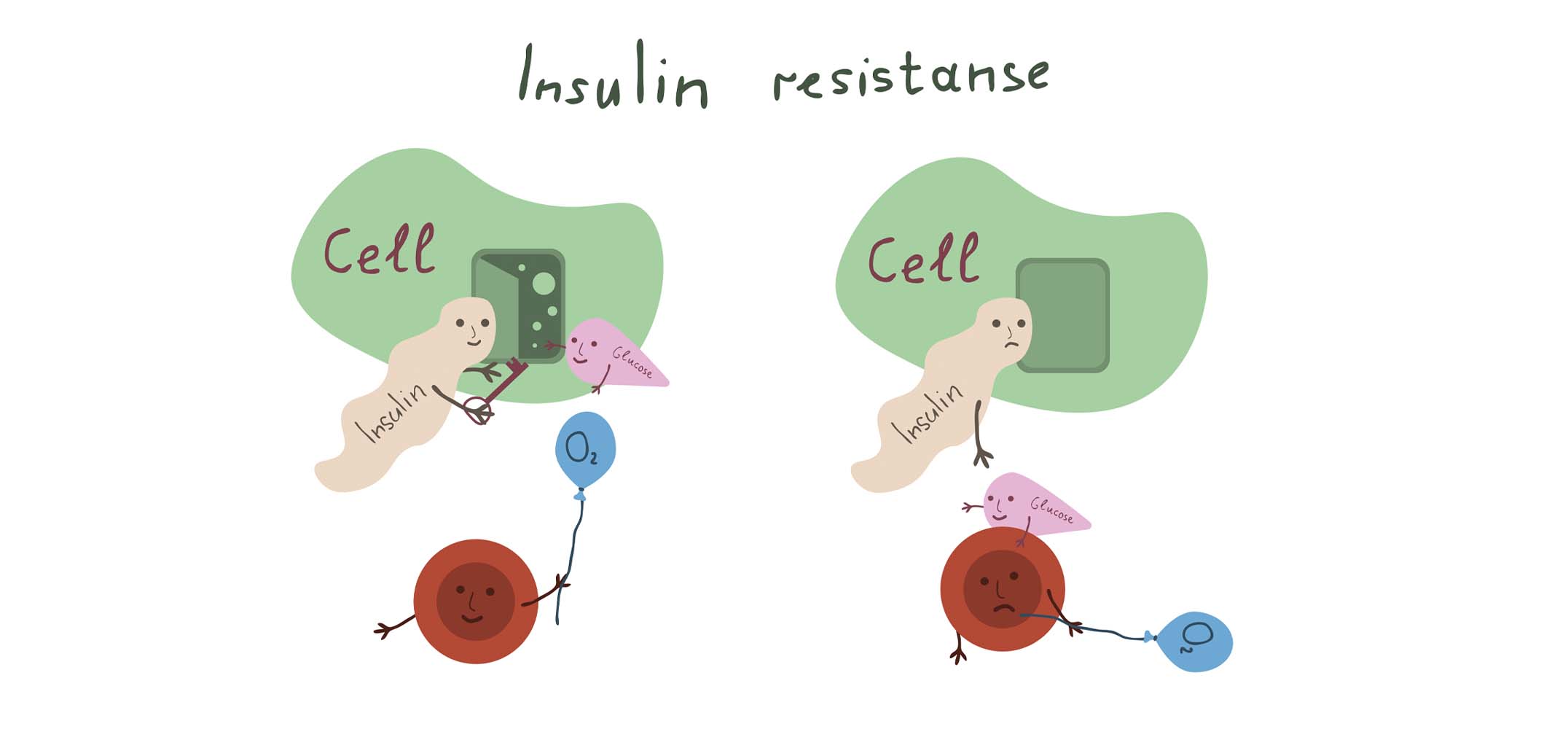
Polycystic Ovarian Syndrome: Your medical practitioner may not have heard of it but the natural medicine community is RAVING about Berberine for polycystic ovarian syndrome (PCOS). Many women with PCOS have a very poor response to insulin creating weight gain and hormone imbalance. The Metformin drug is usually prescribed. However studies have found that Berberine is as good if not much better than metformin. As it causes blood sugar and insulin levels to drop. This can result in ovulation for women with PCOS. One study also found that the women taking Berberine lost much more weight than the women on metformin. Win-win! The elevated testosterone associated with PCOS is the one hormone imbalance most women want addressed quickly as elevated testosterone in a woman leads to: Acne Head hair loss Chin and upper lip hair growth Berberine can speed the resolution of these symptoms. Berberine benefits the gut It is great for your ovaries and for your gut too. Berberine has been used for generations to treat symptoms of:• Gas• Bloating• Constipation and diarrhea• Supports healthy bacteria in the gut. Berberine loves your liver Your liver is essential in hormone balance. Berberine has been found in studies to increase the production of sex hormone binding globulin (that’s a mouthful…) or SHBG that binds to testosterone and makes it unavailable for use in your body in PCOS. It also lowers liver enzymes in non-alcoholic fatty liver disease, a condition that is commonly found in women who are overweight and have PCOS. Berberine benefits fertility In women with PCOS undergoing IVF procedures, those who took Berberine (no matter whether they were normal weight or overweight) had higher pregnancy rates than women using metformin or a placebo. Berberine boosts weight- and fat-loss Not every woman with PCOS is overweight. However, if you are even mildly overweight Berberine can help you shed some unwanted fat. Berberine has been found in multiple studies to support weight loss. Help target fat loss from the midsection of the body while it also helps to lower Leptin (our hunger hormone). Women with PCOS and women who are overweight often have abnormally high levels of leptin. Find this amazing nutritional supplement here https://sallyanncreed.co.za/product/berberine-complex/ Join our Instagram Page @SallyAnn_Creed and subscribe to our newsletter: https://sallyanncreed.co.za/subscribe. You’ll receive free food lists from The Low-Carb Creed when you join. This post is subject to our general disclaimer https://sallyanncreed.co.za/disclaimer/.
Read more