Articles

What are endocrine disruptors?
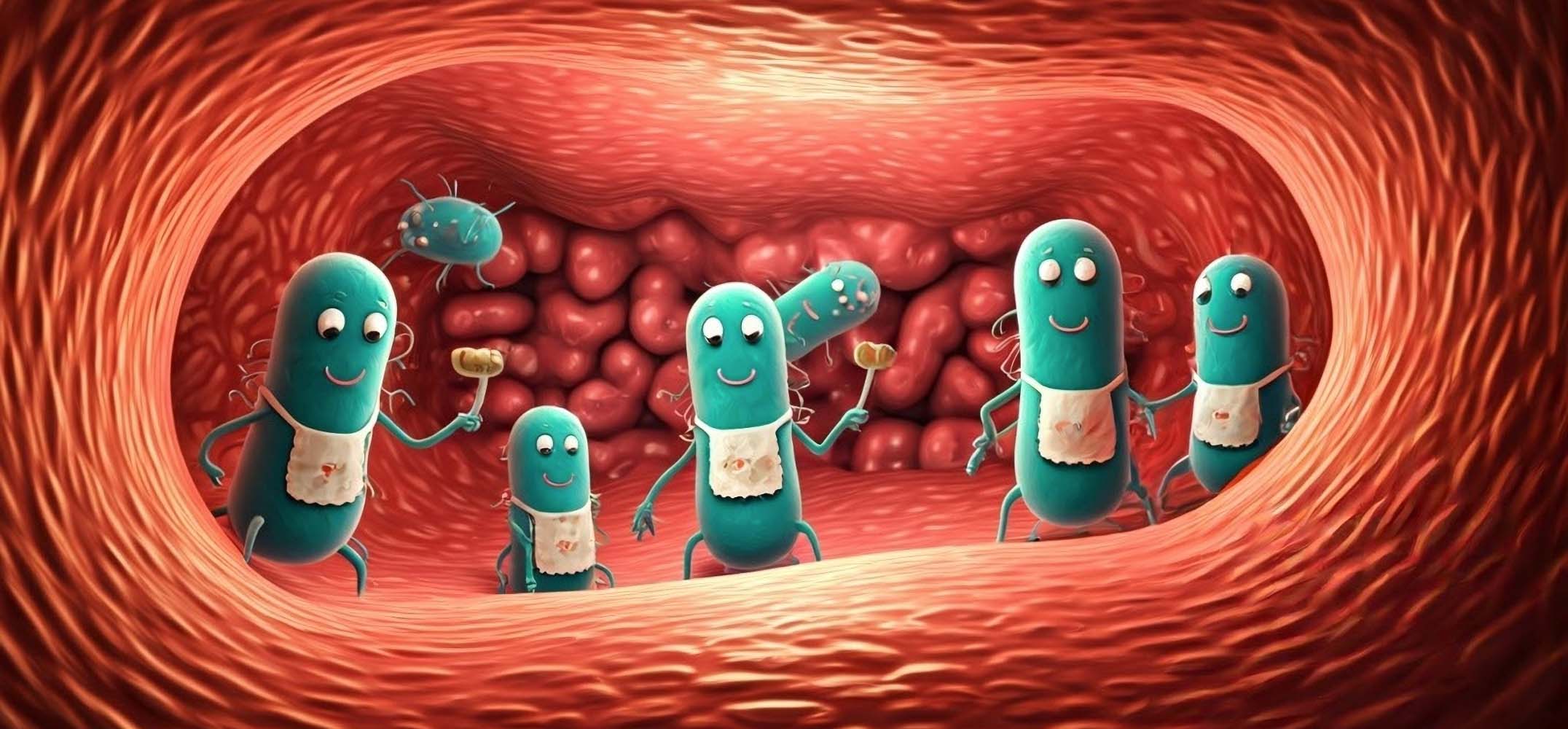
Information (and misinformation) is everywhere in the media, so it’s easy to feel overwhelmed. One topic that often raises questions is endocrine disruptors (EDCs). Our role at Sally-Ann Creed is to provide you with the science and context, we’re not here to create fear, but to educate and empower. In this blog, we’ll look at what EDCs are, where they’re found, how they may affect health and simple daily swaps to reduce exposure. According to the Endocrine Society (2025), “An endocrine-disrupting chemical (EDC) is defined as: ‘an exogenous chemical, or mixture of chemicals, that can interfere with any aspect of hormone action.’ These can include natural or manufactured chemicals, such as pesticides, biocides, chemicals in plastic polymers (including breakdown products or constituents), food contact materials, cosmetics, and others.” Hormones are chemical messengers that help regulate metabolism, growth, reproduction, mood and sleep. They’re made by your endocrine system which includes your pituitary, thyroid, pancreas, adrenal glands and ovaries or testes and travel through the bloodstream to act on target tissues. Examples include insulin, oestrogen, testosterone, thyroid hormones, cortisol and adrenaline. Image source So why should we be aware of endocrine disruptors? Imagine your body is trying to send critical messages, and something external intercepts or “garbles” it. That’s what EDCs do, they disrupt communication, either by acting like hormones (mimics), blocking hormone receptors or interfering with hormone production or breakdown. When those signals get distorted, even slightly, the effects ripple through the body. You might feel it as changes in your menstrual cycle, thyroid function, sleep, mood, skin breakouts, energy, fertility challenges or weight regulation. Some recent studies are showing: Higher prenatal endocrine disruptor interactions were linked with more behavioural difficulties – Nature 2024. Reviews report associations between EDCs and earlier (or shifted) pubertal development – Jornal de pediatria (2022). In 2023, Europe’s food-safety authority set a much lower tolerable daily intake for BPA (0.2 ng/kg/day), reflecting new evidence. A European biomonitoring project found BPA in 92% of adults, with many exceeding thresholds compatible with that new limit. A 2023 Nature Communications study showed UV nail dryers can damage DNA and cause characteristic mutations in mammalian cells (lab data, not people). In fact, as of 1 September 2025, the EU prohibits TPO (a nail polish photo-initiator) in cosmetics. So we can expect to see more TPO-free formulations. Other studies are exploring links between EDCs and conditions such as PCOS, thyroid disorders, breast and prostate cancers and metabolic syndrome. What are examples of endocrine disruptors and where can we find them in day to day life? (For a more detailed table please see bottom of blog) ❌ Food contact and plastics: Some additives can migrate from packaging (cling wrap, plastic food containers), especially with heat, time, and fatty or acidic foods. ❌ Personal care and cosmetics: Certain fragrances, preservatives (eg some parabens), UV filters and nail products are frequent discussion points. ❌ Thermal receipts “till slips”: Many contain bisphenols (BPA/BPS) that can transfer to skin. ❌ Indoor dust: Household dust can carry phthalates and PFAS from furnishings and finishes. ❌ Pesticide residues on food ❌ Contaminated water or industrial pollution ❌ Cigarette smoke (active and second-hand) ❌ Cleaning products Image source This is particularly important during critical windows of development such as: Pregnancy and fetal development Infancy and early childhood Puberty Perimenopause and menopause What can you do to lower your risk? NB- You don’t need to overhaul your life in one day. But you can make smart, sustainable swaps that reduce your EDC exposure over time. Choose glass or stainless steel containers over plastic Don’t microwave food in plastic, use ceramic or glass Choose natural, fragrance-free or low-tox personal care Switch to eco-friendly cleaning products without synthetic scents Wash produce thoroughly and choose organic where possible Limit handling of thermal receipts Ventilate your home and vacuum regularly to reduce dust-borne chemicals Eat plenty of cruciferous vegetables (broccoli, cabbage, rocket) to support liver detox (may consider milk thistle or Sulforaphane a compound from broccoli that helps our bodies natural detox system) Include fermented foods or probiotics for gut health Endocrine disruptors aren’t something to panic over, but they are something to be aware of. The goal isn’t to live in a bubble or throw out everything you own. It’s about building awareness and making small, consistent swaps that support your body’s natural ability to detox, balance and thrive. Chemical family What it is / role Where you might find it Label clues / aliases Simple swap Bisphenols (BPA, BPS, BPF) Monomers/thermal developers used in plastics & thermal paper Some can linings; thermal receipts; older rigid polycarbonate bottles/lids “BPA‑free” (may still use BPS/BPF); resin code 7 (PC); receipts rarely labelled Heat/store food in glass/ceramic/stainless; choose e‑receipts; avoid heating old polycarbonate Phthalates (DEHP, DBP, DINP; DEP common in perfumes) Plasticisers; solvents/fixatives in fragrance Fragranced personal care; PVC/vinyl (flooring, shower curtains); some packaging Fragrance/Parfum; PVC/vinyl; look for diethyl phthalate (DEP) in perfumes Go fragrance‑free or phthalate‑free; favour non‑vinyl materials; ventilate and wash hands after DIY Parabens (methyl‑, propyl‑, butyl‑paraben) Preservatives in cosmetics/toiletries Lotions, shampoos, make‑up, some wipes Ingredients ending “‑paraben” (e.g., methylparaben) Choose paraben‑free options; keep routines simple (fewer products) UV filters (oxybenzone/benzophenone‑3; octinoxate/ethylhexyl methoxycinnamate) Organic sunscreen filters used in some cosmetics Certain chemical sunscreens; lip balms; foundations Oxybenzone / Benzophenone‑3 (BP‑3); Octinoxate / Ethylhexyl methoxycinnamate If avoiding these, choose mineral sunscreens (zinc oxide/titanium dioxide), plus hats & shade Triclosan Antibacterial agent (now less common) Older “antibacterial” soaps, some toothpastes/cleansers Triclosan; Triclocarban (bar soaps) Opt for triclosan‑free; plain soap + water for routine handwashing Triphenyl phosphate (TPHP) Plasticiser/flame retardant used in some nail polishes Nail polish; occasionally other coatings Triphenyl phosphate; TPHP (metabolite DPHP isn’t on labels) Pick TPHP‑free polish; avoid skin contact with uncured gels; UV‑blocking gloves/SPF for curing lamps
Read more
What is Creatine?
Creatine is a naturally occurring compound that plays an incredibly vital role in energy production, especially during high-intensity activity or increased energy demand. It helps regenerate ATP (adenosine triphosphate) the body’s primary energy currency or, making it essential for movement, recovery, brain function and even healthy ageing. As humans, we get creatine from two sources: Endogenously: meaning the body produces it Exogenously: through dietary intake Creatine is synthesised in the kidneys, liver and pancreas from three amino acids: arginine, glycine and methionine, at a rate of around 1g per day. Once produced, it is transported to tissues with high energy demands, mainly skeletal muscle and smaller amounts are stored in the brain, heart and other organs, where creatine continues to support cellular energy metabolism. An omnivorous diet typically provides 1-2g of creatine per day, primarily from red meat fish and poultry (0.4-1g of creatine per 100g raw meat), In contrast, plant-based foods contain virtually no creatine, which is why vegetarians and vegans often have lower creatine stores and may benefit more noticeably from supplementation. Creatine has an incredibly neutral taste so is very easy to add into your schedule. At Sally-Ann Creed, we always advocate a food-first approach, but when it comes to creatine, supplementation can be particularly effective, especially for those who are plant-based, active or experiencing hormonal changes like perimenopause and menopause. One of creatines primary benefits is its ability to assist with cellular energy. Your body’s quick-burst energy comes from ATP- like a phone battery that drains quickly under load. When used, ATP becomes ADP, losing one phosphate. Phosphocreatine (PCr) acts like a portable power bank, donating a phosphate to recharge ATP. So by topping up your PCr stores, creatine helps your muscles, brain, heart and liver keep performing-delaying fatigue and improving energy output when you need it most. For her: Women naturally store and produce less creatine than men, which may affect energy, strength and recovery, especially during hormonal fluctuations like the menstrual cycle, perimenopause or menopause. Research shows creatine can: Support energy and mood during the luteal phase Enhance strength, tone and recovery Improve cognitive and physical performance without causing bulk The myth that creatine causes “bulky muscles” is unfounded. Most women experience better muscle tone and workout results, not unwanted size. Temporary water retention is mild and actually helps improve muscle performance. For active women or those navigating hormonal shifts, creatine offers real support for metabolism, energy and resilience-without compromising femininity. For him: Men often turn to creatine for the “big three”: strength, size and recovery and for good reason. A 2024 meta-analysis found that men supplementing with creatine gained an average of 4.4 kg in upper-body strength and 11 kg in lower-body strength over 4-12 weeks with resistance training. But that’s not all. Creatine also supports: Faster recovery between sessions Reduced muscle soreness and inflammation Improved bone strength via muscle loading and enhanced osteoblast activity
Read more
Creatine's resurgence as a womens health superpower
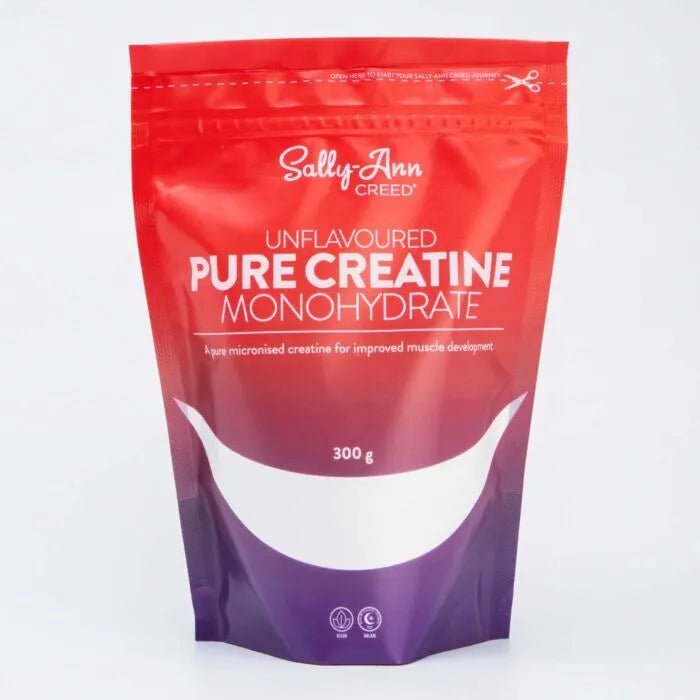
Creatine has come a long way. Once known mainly as a muscle-building supplement for bodybuilders and athletes, it’s now being recognised for so much more—especially when it comes to women’s health. From supporting brain function and bone strength to enhancing energy levels and resilience during perimenopause and menopause, creatine has been redefined and is experiencing a resurgence among a broader community. Creatine Monohydrate is one of the most popular and extensively studied supplements in the world. Literally HUNDREDS of clinical trials in humans have consistently demonstrated its safety and effectiveness, not just for exercise performance and muscle recovery, but recently for cognitive support, healthy ageing and bone health. The decades of research and a strong body of evidence have established creatine as one of the most studied and effective supplements for improving exercise performance. Authoritative professional health bodies, including the FDA and National Institutes of Health, recognise creatine monohydrate as a safe and effective nutritional supplement. After thoroughly reviewing the science and carefully studying the benefits, safety and broad advantages of creatine, our team knew we had to bring this incredible supplement to you. We’ve spent months researching and ensuring that it’s backed by evidence, not hype. We wanted to cut through the noise of social media and bring real science to the women (and men) we support every day. In short, creatine is not a steroid, not a gimmick, and certainly not just for men. What is creatine? Creatine occurs naturally in our body. Humans both create it in our body and obtain it through diet. Synthesised in the body from amino acids arginine, glycine and methionine (11)(1), creatine is created mainly in the kidneys, pancreas and the liver at a rate of around 1g a day. It is stored in tissues where there is a high need for energy such as the muscles, cells and brain. Because creatine has such an important role in energy production, 95% is stored in skeletal muscle (1)(2). In terms of getting creatine from your diet, an omnivorous diet contains around 1-2g/day of creatine. Creatine from your diet In terms of getting creatine from your diet, an omnivorous diet contains around 1-2g/day of creatine. Creatine is naturally found in animal-based foods, especially red meat, fish and to a lesser extent in poultry. Plant-based foods contain virtually no creatine, which is why vegetarians and vegans generally have lower creatine levels. At Sally-Ann Creed, we always advocate a food-first approach, however, in the case of creatine, supplementation may be more beneficial. For reference 100g raw beef contains approximately 0.9-1g of creatine, 100g raw pork provides around 0.6-0.9g, 100g raw chicken about 0.4g Cooking causes some loss of creatine, as it can degrade to creatinine (a less active compound) and boiling, frying or grilling can reduce creatine content by up to 30% depending on the cooking time and method (1)(10). If you would like to learn even more about this incredible product, visit our Creatine Reinvented page.
Read more
How to handle anxiety
Imagine you are a cavewoman (or caveman) and you are scanning the land, hunting your next meal. Suddenly you hear a rustle and it’s a lion! Now you’re running away, heart racing, sweaty palms, and your breathing speeds up-because your body feels you are in trouble and it’s using all its might to protect you. You’re not thinking about dinner anymore—you’re focused on survival. That exact response is anxiety, in its most ancient, primal form. It’s your body’s built-in “Panic! This is your alarm” system, and it’s designed to protect you from danger. Even today, thousands of years later, our nervous system is still wired the same way. The only difference really is that these days the lion has been replaced with a million Whatsapps, money stress, traffic, social pressure, kids schedules, and just life in general. This rush of fear or unease comes from a small part of your brain called the amygdala. It constantly scans your environment for threats, whether it’s real or imagined. When it detects danger, stress hormones like adrenaline and cortisol get released. These chemicals help you fight, flee or freeze, whatever it takes to survive the threat. The problem? In modern life, we don’t burn off that energy by running from predators. So we end up feeling the effects of anxiety which are tight chest, racing thoughts, digestive issues as examples without the resolution that physical danger used to bring. Stress is your response to external pressures like a work deadline or morning jam. It usually passes once the situation resolves. Anxiety however, is more persistent. It can feel like fear without a clear cause or it may linger long after the stressor is gone. A little anxiety is normal. It can even help sharpen your focus and keep you alert. But when it becomes overwhelming, chronic, debilitating, or interferes with daily life, it may be part of an anxiety disorder. Anxiety can look like this: Racing thoughts or spiralling worry Sleep issues Stomach upsets or digestive problems Muscle tension or headaches Feeling easily overwhelmed, irritable and/or disconnected So what can you do? There is some good news- just like you can train your muscles, you can train your nervous system. Here are a few little ways to help your body feel safe again: Breathe like a cavewoman at rest. Long, slow exhales activate your parasympathetic nervous system (your calm state). Try- in for 4 seconds, out for 6 seconds. Repeat for a few minutes when you feel anxious. Move your body. Your body was built to move! Movement is one of the best ways to burn off excess stress hormones. Walk, stretch, swim, dance or do any strength training to help your body get rid of any toxic stress. Eat to support your brain. Stable blood sugar = stable mood. Include healthy fats (yes, fats), fibre and protein in your meals. Nutrients like magnesium, B vitamins and omega-3s are especially calming for the nervous system. More on this below. Rest like you mean it. Your brain needs downtime. Good sleep, less screen time and real relaxation (not just scrolling) help regulate anxious thoughts Talk about it. You’re not alone. Therapy, journaling or chatting with someone you trust can shift anxiety from a chaotic swirl into something you can understand and manage. Often anxious thoughts feel like a messy, knotted ball of wool and talking them through to gently untangle the threads, turns these knots into a neat, soft ball of yarn you can actually work with. At Sally-Ann Creed we want you to know anxiety isn’t a flaw. It’s a feature of your beautifully protective, slightly overreactive brain. The same system that helped your ancestors outrun lions now needs your help adjusting to traffic, emails and deadlines. “Anxiety is not a disease-it’s a signal. Your body is trying to tell you something important: that you need safety, rest, or a change.” Dr. Nicole LePera, holistic psychologist Magnesium Why do you see “magnesium” everywhere you go or every time you open up social media? Is it the incredible nutrient that it’s played out to be? Absolutely!! It’s involved in over 300 enzymatic reactions It regulates cardiac rhythm Muscle movements, nerve function, DNA repair and so much more A few quick facts: Magnesium is stored in our bones (50-60%), muscles (30%) and in our brain and other tissues (10-20%). The recommended daily intake for females over 19 is 240-360 mg and for males is 240-420 mg. Pumpkin seeds, chia seeds, dark choc, spinach and beans and oats are all really nice sources of magnesium. But the focus of this article is on magnesium’s role in anxiety and stress, in particular how magnesium helps your body respond to and recover from stress. When you’re stressed (whether physically, mentally or emotionally) your body burns through magnesium more rapidly. Low magnesium levels can increase the production of stress hormones like cortisol, which in turn can worsen feelings of anxiety, fatigue and irritability. In fact, one fascinating study found that 45% of stressed individuals had a magnesium deficiency at baseline. Even more interesting? Magnesium deficiency symptoms and stress symptoms often look exactly the same. Anxiety, fatigue, low mood, irritability, tight muscles, poor sleep, all can stem from either stress or low magnesium or both. Low magnesium → more sensitive to stress → stress uses up even more magnesium → repeat. The sciency bit: Magnesium helps regulate the hypothalamic-pituitary-adrenal (HPA) axis of your body’s central stress response system. In other words, it helps you shift from fight-or-flight back into rest-and-repair. When your brain senses danger (even if it’s just traffic), your hypothalamus releases Corticotropin-releasing hormone (CRH) to tell your pituitary to make adrenocorticotropic hormone (ACTH) which tells your adrenal glands to release cortisol, your main stress hormone. Here’s where magnesium is really great: Magnesium calms the part of your brain that sounds the stress alarm, so your body doesn’t jump to full alert so quickly (Magnesium moderates NMDA receptors in the hypothalamus, so less CRH is released at the start of the cascade.) It helps your brain pass on the stress message in a more balanced way (In the pituitary, magnesium keeps cells from overreacting to CRH, preventing an oversized ACTH surge) Magnesium helps your adrenal glands release cortisol in a more measured way, avoiding a flood of stress hormones (t influences adrenal enzymes so cortisol release is more measured, not a full‑blown flood) It supports the feedback loop that tells your body, “Okay, danger’s passed you can relax now.” (By supporting glucocorticoid receptors, magnesium helps cortisol feedback work smoothly so your system shuts down the stress response faster.) Magnesium also supports your brain’s natural calming system (GABA), helping you feel more steady and less reactive. Magnesium helps your stress system respond appropriately (not excessively) and switch off sooner. That means fewer meltdowns, better sleep and more resilience in everyday chaos.
Read more
Bone health during menopause
The image above depicts how oestrogen affects bone mass. Oestrogen helps regulate osteoclasts, the cells responsible for breaking down bone. When oestrogen levels drop during menopause, osteoclast activity increases, leading to faster bone loss and a higher risk of osteoporosis. Some facts: Women typically reach their peak bone mass around the age of 30. After that, bone mass remains relatively stable until about one to three years before menopause, when bone loss begins. This loss occurs at a rate of about 2% per year and continues for five to 10 years. As a result, women experience an average reduction of 10-15% in bone mineral density (BMD) during the menopause transition. Why are women at an increased risk of bone mass loss during menopause transition? During hormonal shifts, as oestrogen (the main hormone in maintaining bone density) rapidly declines, bone breaks down at a faster rate than the body can grow new bone tissue. Tips for bone health: The favourite nutrients for bone health are: Vitamin K: Important for bone density, as it activates osteocalcin (protein helping bind calcium to bones) and reduces bone breakdown as it regulates osteoclasts (cells that break down bone)- slowing bone loss. More so, vitamin K supports calcium balance along with vitamin D to direct calcium to bones instead of arteries, reducing the risk of calcification. Vitamin D: Helps our body absorb calcium from our food. Without enough vitamin D, even if you consume plenty of calcium, your body won’t absorb it properly. Calcium: The ‘building block’ that’s stored in our bones. Incredibly important for maintaining bone mass. Magnesium: Supports calcium absorption (like vitamin D), stimulates bone formation by activating osteoblasts, and regulates osteoclasts to maintain bone density. Hydrolysed Bovine Collagen: Supports bone health by providing essential amino acids, stimulating osteoblast activity, enhancing calcium absorption and reducing bone loss. Exercise cannot be stressed enough. Weight-bearing and muscle-strengthening exercises like walking, jogging, lifting weights and gym help build bones and keep them strong. Lifestyle choices such as smoking and alcohol consumption, have been linked to increased bone loss. Again, another reason why it is so important to have a trusted and caring health care professional. You can speak to them regarding bone density assessments such as DEXA scans, treatments like bisphosphonates or hormone replacement therapy (HRT) or newer treatments which might look like an injection given every six months.
Read more
Cortisol and Menopause
Known as the ‘stress hormone’, and involved in our bodies’ “fight, flight or freeze” response. Cortisol helps protect our bodies against “danger” during stress. In the caveman days this helped us get away from danger such as predators, it did this by increasing blood sugar levels, redirecting energy to muscles and suppressing non-essential functions (like digestion and immune response) to help with quick survival reactions. Nowadays, work, traffic and our busy schedules can be so stressful that our body feels as though we are chronically running away from “lions”. This chronic stress keeps cortisol levels high, leading to: Increased belly fat (as the body stores fat for “future emergencies”) Muscle loss (as the body breaks down protein for energy) Blood sugar imbalances (increasing cravings and insulin resistance) Poor sleep (cortisol should drop at night, but stress keeps it high) What about during menopause? During menopause, cortisol can have an even greater impact because of hormonal changes. When oestrogen and progesterone decline, the body becomes more sensitive to stress, causing higher cortisol levels. How can you lower your cortisol levels? 1. Practice mindful behaviours. Breathing exercises, meditation (this could look like praying for some or guided meditation for others), yoga or walks in nature. 2. Avoid overloading your schedule. Your body is more stress-sensitive now and taking the time to use techniques like the Eisenhower’s Urgent-Important Matrix, may help. See diagram below. 3. Prioritise sleep. Consider supplements such as magnesium glycinate (we have a great one—Chelated Magnesium Premium) and avoiding screen time an hour before bed. 4. Balance blood sugar. Eat protein and healthy fats with every meal to prevent crashes and reduce refined carbs and sugars, which spike cortisol. You can also consider supplements
Read more
Menopause Hormones
It’s pretty clear that menopause affects your oestrogen and progesterone, but what does it do to your other hormones and endocrine glands? Let’s take a look! Leutinizing Hormone (LH) What does it do? It’s critical for your reproductive system. It’s what tells your ovaries to release an egg and make other important hormones like oestrogen and progesterone. What happens in menopause? The ovaries start making less oestrogen and progesterone, and LH levels go up. This hormonal shift is what causes menopausal symptoms like hot flushes, night sweats, mood swings, and sleep problems. Since LH levels are usually high during menopause, doctors can use them, along with other hormones, to figure out if you are going through menopause. Follicle-stimulating hormone (FSH) What does it do? It works alongside LH in regulating the female reproductive system. FSH is crucial for the growth and maturation of ovarian follicles. Like LH, the levels of FSH change during different phases of a woman’s life. What happens in menopause? The ovaries gradually lose their ability to produce eggs and hormones. In response to this, the body produces more FSH. These elevated FSH levels are associated with the onset of menopausal symptoms such as hot flushes, night sweats, mood changes, and sleep disturbances. Insulin What does it do? Insulin helps regulate your blood sugar levels by enabling glucose uptake into cells for energy. What happens in menopause? Hormonal changes can affect insulin sensitivity, and this can lead to increased insulin resistance. When your body becomes less responsive to insulin, your blood sugar levels rise. As a result, you may experience weight gain, particularly around the abdomen. Cortisol What does it do? Known as the ‘stress hormone’, cortisol helps regulate various functions, including metabolism and immune response. It also helps you manage stress. What happens in menopause? Fluctuating oestrogen levels can affect cortisol production and regulation. When your cortisol levels are higher, you may experience increased stress, anxiety, and insomnia. Elevated cortisol also contributes to abdominal weight gain and may impact bone density and immune function. Leptin What does it do? This hormone is mainly produced by your fat cells and helps to regulate your energy balance. When your leptin levels are high, your brain gets the message that you have enough fat stored, and this reduces hunger and helps you to maintain a healthy weight. Leptin is usually highest in the evening and early morning hours, so your body can repair itself without getting hungry. What happens in menopause? Declining oestrogen levels can lead to increased leptin resistance, where the body doesn’t respond to leptin signals effectively. This can result in increased hunger and weight gain. Thyroid gland What does it do? This powerhouse produces hormones that are pivotal in regulating your metabolic rate, growth, and development. It exerts control over critical functions like heart regulation, muscle control, digestion, brain maturation, and the maintenance of strong bones. The thyroid gland relies on a sufficient supply of iodine from your diet to function at its best. What happens in menopause? Hormonal fluctuations, particularly in oestrogen, can affect thyroid function. Some women may experience hypothyroidism, where the thyroid becomes underactive, leading to symptoms like fatigue, weight gain, and depression. Others might have hyperthyroidism, where the thyroid is overactive, causing anxiety, weight loss, and rapid heartbeat. Adrenal glands What do they do? Your adrenal glands play a vital role in your body’s response to stress and help regulate several essential bodily functions. They produce hormones like adrenaline, cortisol, and aldosterone, and help you cope with stress, maintain energy levels, and keep your bodily functions in check. What happens in menopause? As oestrogen and progesterone levels decline, your adrenal glands try to step in by producing these hormones in small amounts. This added pressure can lead to adrenal strain and worsen menopause symptoms like fatigue, mood swings, and stress. Hormone Function Changes Oestrogen regulates menstrual cycle and ovulation influences mood increases bone density influences cognitive health Declines Progesterone influences libido affects sleep and anxiety levels affects weight balance and fluid balance affects scalp hair growth Declines Testosterone influences libido affects muscle mass and bone density assists with mood regularity influences energy levels Declines FSH Stimulates your ovary’s follicles to produce oestrogen. As the follicles decline, so does your oestrogen, telling your brain to produce more FSH. This is why doctors often test FSH levels as a marker of menopause. Increases LH Responsible for ovulation. As oestrogen & progesterone levels decrease, LH will increase and will be another key blood marker to test your progression through menopause. Increases
Read more
What you need to know about progesterone
Progesterone is often disregarded when we consider hormones, we mainly look at oestrogen and testosterone and forget about the incredible role that progesterone plays in a number of functions in the body and symptoms that irregular levels can create. Progesterone is considered the “feel good hormone” with its role in the production of GABA (a neurotransmitter) that helps promote better sleep and improves mood by creating a sense of relaxation and well-being. This detailed blog post is dedicated to educating us on all things progesterone, from where it is made, how low or high progesterone levels can affect us, and its role in our body- progesterone 101. “Progesterone is like the baby sitter for oestrogen. So when stress causes progesterone to plummet, oestrogen goes wild. (and not in a good way).” – Dr Mindy Pelz. Where is progesterone made? Progesterone is mainly made in the ovaries by a temporary structure called the corpus luteum, which forms after ovulation (when an egg is released). This structure lasts about 14 days and produces progesterone under the influence of a hormone called luteinizing hormone (LH). Besides the ovaries, the adrenal glands, placenta (during pregnancy) and even the brain can also make small amounts of progesterone. Unlike oestrogen, which needs multiple steps and different cell types to be made, progesterone is created in just two simple steps. First, cholesterol is turned into a substance called pregnenolone, and then it’s converted into progesterone. How does progesterone affect our bodies? ✨ Sex hormone: Progesterone plays a key role in maintaining a regular menstrual cycle by working alongside oestrogen. It helps thicken the uterine lining in case of pregnancy and tells your body to shed that lining during your period if pregnancy doesn’t happen. It also helps with preparing breasts for pregancy (why women get tender breasts leading up to periods). ✨ Mood and brain health: Progesterone helps boost the production of GABA, a neurotransmitter that promotes relaxation, sleep, and a positive mood. When progesterone levels drop, GABA production decreases as well, which can lead to feelings of anxiety, sadness or depression. In perimenopause, lower progesterone levels often result in more frequent and intense mood swings. During pregnancy, higher levels of progesterone contribute to the sense of well-being that many women experience. However, after childbirth, the rapid drop in progesterone can lead to mood changes like the “baby blues” or postpartum depression. ✨ Muscles: Progesterone levels can affect muscle strength and performance. For example, during the menstrual cycle, progesterone levels fluctuate, some studies suggest that progesterone might have a relaxing effect on muscles, which can lead to a feeling of decreased muscle tension. This may contribute to a sensation of increased joint mobility during certain phases of the cycle. Progesterone also potentially influences muscle protein synthesis and impacts muscle strength/fatigue, especially in postmenopausal women. ✨ Weight: There are a number of ways that progesterone affects weight. Water retention, fat storage, metabolism and appetite and cravings. Progesterone can affect weight through its interaction with oestrogen. When hormone levels are ideal, progesterone and oestrogen have a lovely natural balance in our body, regulating the other’s effects. So while oestrogen promotes fat storage, progesterone allows our bodies to metabolise that fat. Progesterone also acts like a diuretic and helps with water loss and swelling. You can think of symptoms of water retention in menopause and post menopause when progesterone levels are low. ✨ Bone health: While many say that progesterone isn’t as vital or powerful in preserving bone mass as oestrogen, its role in balancing bone metabolism is crucial. Progesterone supports bone health by promoting bone formation (osteoblast activity) and working alongside oestrogen to maintain bone density. Bonus benefits of progesterone? ✨ Immune system: Oestrogen and progesterone work in opposition to regulate immune function. Oestrogen enhances the immune system by promoting inflammation, while progesterone reduces inflammation by activating anti-inflammatory T-cells. Basically, progesterone helps “calm down” the immune response, maintaining a balanced immune system. ✨ Sugar control: Both oestrogen and progesterone play a role in regulating blood sugar by interacting with cells in the pancreas. So when these hormone levels fluctuate or drop significantly, like during perimenopause and menopause, the body’s ability to manage blood glucose becomes less efficient. This explains why blood sugar regulation can become more challenging during these times. How progesterone levels fluctuate: “Progesterone is not a minimalist hormone. It leans toward excess, toward velvet, toward a thickening of the blood. Under its spell, the womb’s endometrial mat goes from a thin brown covering to a thick crimson pile, a wild, expensive carpet, bedding fit for a king. No amount of money could buy a mattress with the thickness, the precision, the pure comfort that progesterone produces; here is where you started your first perfect sleep.” – Lauren Slater In the menstrual cycle, At the start of the menstrual cycle (during your period), progesterone levels are low and stay that way through the follicular phase (when the egg is being matured). After ovulation, progesterone becomes the dominant hormone, produced by the corpus luteum (the structure left behind after the egg is released). Its levels peak in the middle of the luteal phase but drop if conception doesn’t occur, leading to the start of the next period. Interesting fact: Progesterone can influence period symptoms by affecting mood, bloating and cramping. High progesterone in the luteal phase (before your period) can cause water retention, leading to bloating. It also slows digestion, which may contribute to constipation. Since progesterone interacts with brain chemicals like serotonin, low levels before menstruation can lead to mood swings or irritability. What about during menopause? During perimenopause, progesterone levels fluctuate and gradually decline due to irregular ovulation- this can lead to symptoms like mood swings, anxiety, sleep disturbances and heavier or irregular periods. In menopause, ovulation stops completely and progesterone production drops significantly, contributing to issues like poor sleep, low mood and bone loss. Since progesterone helps balance oestrogen- its decline may also lead to what some call “oestrogen dominance” in perimenopause before both hormones decrease in menopause. Some women use progesterone therapy to help manage symptoms like our Renewal Cream.
Read more
What you need to know about Oestrogen
Oestrogen is often referred to as the matriarch of the female sex hormones, and although one of the most talked about hormones in menopause, there is still so much incredible knowledge about its role in the body that doesn’t get discussed enough. While oestrogen is of course, well known for its influence on the menstrual cycle and menopause, it also plays a crucial role in bone health, heart function, skin elasticity, brain function and even mood regulation. This blog post is about all things oestrogen- where it is produced, how low or high levels affect our bodies and what can affect oestrogen levels in our bodies. 💡Note: Yes, men also have oestrogen, though in much smaller amounts than women. Oestrogen plays an important role in male health by supporting bone strength, brain function and even sperm production. Where is oestrogen made? Oestrogen is mainly produced in our ovaries with the highest oestrogen levels during the egg-releasing period (ovulation) and after menstruation. But our body is a very clever organism, and as oestrogen levels decline (as what happens during menopause), our body shifts to trying to obtain our oestrogen from another source (oestrone) from our fat cells and adrenal glands The science? First, cholesterol turns into something called pregnenolone, which then becomes progesterone. From progesterone, your body creates androgens, hormones that are often thought of as “male hormones,” but women have them too. These include dehydroepiandrosterone (DHEA), androstenedione and testosterone. Now, here’s where it gets interesting, these androgens are actually the building blocks for oestrogen, the primary female hormone. An enzyme called aromatase helps convert androgens into oestrogens. The ovaries are the best at making this conversion, but fat tissue can also produce some oestrogen, which becomes important for women after menopause. There are three main types of oestrogen: Oestradiol – the strongest form, and most common form for women during child bearing age. Oestrone – becomes the dominant oestrogen after menopause. Oestriol – the weakest form, made from both oestradiol and oestrone, and main osterogen during pregnancy. How does oestrogen affect our body? ✨ Sex hormone: Involved in the development of female characteristics (hip widening, growth of breasts, growth of pubic and underarm hair) and regulating the menstrual cycle. In women and men, oestrogen is also involved in sexual desire and erectile function. ✨ Heart health: Affects cholesterol levels because oestrogen helps regulate the metabolism of fats or lipids in the liver. A drop in oestrogen is often associated with rise of LDL cholesterol. ✨ Bone health: Oestrogen plays a crucial role in bone metabolism, supporting osteoblasts (the cells responsible for building new bone). It helps maintain bone strength and density, reducing the risk of osteoporosis. When oestrogen levels drop (such as during menopause) osteoclast activity increases (the cells responsible for breaking down old bone), leading to bone loss. By regulating these bone remodelling cells, oestrogen helps protect against osteoporosis in both oestrogen deficient and postmenopausal women. ✨ Weight: Very interestingly, oestrogen impacts how our body stores and distributes fat storage. Before menopause, oestrogen directs fat storage mainly to the breasts, hips and thighs. However, as oestradiol (oestrogen) levels fluctuate and decline during perimenopause, fat distribution shifts with more being stored around the abdomen. ✨ Mood: The science behind estradiols (oestrogens) role in emotional regulation and stress processing involves its influence on specific brain structures (Amygdala, hippocamus and prefrontal cortex) and neurotransmitters (dopamine and serotonin). High estradiol levels, such as those found in the follicular phase of the menstrual cycle or early pregnancy, tend to enhance the brain’s ability to regulate emotions and handle stress. This means that women with higher estradiol levels tend to process negative emotions in a more balanced way and are less likely to dwell on them. When estradiol levels drop during perimenopause and menopause, emotional regulation becomes less effective, causing the brain’s emotional systems, including the amygdala and hippocampus, to become more reactive to negative emotions, leading to intensified stress and difficulty shifting focus from stressful situations. ✨ Skin and hair: Oestrogen is involved in skin elasticity, hydration and blood supply to skin. This hormone also affects our collagen production. Vagina lubrication and tissue health is another factor oestrogen plays a role in. Oestrogen helps maintain the health of the vaginal tissues, promoting elasticity and thickness, which are important for both comfort and sexual health. Low oestrogen levels can lead to thinning of the vaginal walls, resulting in vaginal dryness, irritation, and even increased susceptibility to infections. https://www.ncbi.nlm.nih.gov/books/NBK538260/ Did you know, that oestrogen also affects muscle strength, joint lubrication (flexibility), liver function, bladder infection risk and maintains bowel function and balance of bacteria? Why do our oestrogen levels fluctuate? In the menstrual cycle, oestrogen levels fluctuate, rising during the follicular phase to support egg maturation and ovulation, because of oestrogen’s “feel good” ability, around ovulation is the time when women will feel great, often more confident and care free. After ovulation, oestrogen levels gradually drop then have a “small second wind” around a week later, they continue to drop and level out throughout the second stage during the luteal phase if pregnancy doesn’t occur. This is when oestrogen is often at the lowest and symptoms of low oestrogen (PMS as we often call it) can include fatigue, mood swings, hot flashes, night sweats, dry skin, low libido and difficulty concentrating. What about during menopause? As we age, oestrogen levels decline due to a decrease in egg cells and follicle function, leading to peri menopausal and menopausal symptoms like hot flushes, dry skin, and mood swings. After menopause, oestrogen levels do not return to their previous levels, as the ovaries stop producing significant amounts of the hormone. However, some oestrogen is still produced by other tissues, like the adrenal glands and fat cells, but in much smaller amounts. Hormone replacement therapy (HRT) can help manage symptoms by supplementing oestrogen, but natural oestrogen levels do not “normalise” post-menopause. Understanding how and why oestrogen affects our bodies empowers you to be kinder to yourself and your loved ones during hormonal transitions. By recognising how oestrogen changes our body and the possible challenges that come with fluctuating hormone levels, you can better support yourself and others in navigating the health journey with compassion and care.
Read more
What is Menopause?
Menopause is a completely natural biological process that every woman will eventually experience. It’s a hormonal shift where your body transitions to a new normal, following the end of your reproductive years. Around 25 million people experience menopause each year. Even though it impacts half the population, awareness and understanding of menopause are still quite limited. At Sally-Ann Creed, we empathise strongly with anyone going through menopause. Many of the women in our business have gone through, or are going through, this transition at the moment, and we know how important it is to have a trusted source of information and advice at hand. The timing and duration of menopause differ for each individual, there’s no set path or “correct” way to go through it. In some cases, menopause can also be triggered by surgery or damage to the ovaries. Before we start on the different stages of menopause, lets go through some pretty important terminology: Early menopause happens when menopause begins before the age of 45, affecting about 5% of women. This can occur naturally or as a result of certain medical treatments, such as cancer therapies or surgeries that remove the ovaries. Premature menopause, also called Premature Ovarian Insufficiency- occurs before the age of 40. It may happen due to genetics, lifestyle factors or medical interventions. Some possible risk factors include a family history of early menopause, smoking, autoimmune diseases, infections like mumps or undergoing surgery. It affects approximately 1 in 100 people under 40, 1 in 1000 under 30, and 1 in 10000 under 20. 1. Perimenopause: The beginning of the journey. 🌸 Perimenopause takes place in the years leading up to menopause. 🌸 It usually starts in your 40s, although some women may enter perimenopause in their 30s. 🌸 This can last anywhere from a few months to several years, with the average duration being around four years. 🌸 During this transition stage, your oestrogen and progesterone levels begin to fluctuate, and the drop in oestrogen in particular can cause a variety of physical and emotional changes. 2. Menopause- The turning point. 🌸 You have reached actual menopause when you haven’t had a menstrual period for an entire year, which usually happens in your late 40s or early 50s. 🌸 At this point, your ovaries have stopped making eggs and significantly reduced their production of oestrogen and progesterone. Once you’ve reached this milestone, you enter postmenopause, which lasts for the rest of your life. 3. Postmenopause- Your new normal. 🌸 The good news is that menopause symptoms usually start to ease in this stage, although some might linger for a while. 🌸 It’s important to know that because of your significantly lower levels of oestrogen and progesterone, you’re at higher risk of health conditions like osteoporosis, cardiovascular disease and bladder issues like urinary incontinence and urinary tract infections. If you’d like to learn more about menopause, consider downloading our new What The Menopause? guide. It’s full of helpful information, tips, and helpful advice on how to manage this wonderfully natural part of life.
Read more
Menopause & Mental Health
Life is a journey filled with twists and turns, and one of the most significant passages for women is menopause. This natural transition marks the end of fertility, but it also brings along a tide of physical and emotional changes. As we embrace the wisdom that comes with age, it’s crucial to recognize the impact of menopause on mental health. Menopause isn’t just about the physical changes; it’s a symphony of hormones playing an intricate melody that can influence our emotions. As oestrogen levels ebb and flow, it’s common to experience mood swings, anxiety, and even moments of inexplicable sadness. You’re not alone if you find yourself feeling like you’re on an emotional roller coaster. Your feelings are valid, and they’re a natural part of this transformative phase. Amidst the whirlwind of emotions, self-care becomes a beacon of light. Treat yourself as you would a dear friend going through a challenging time. Prioritize restful sleep, nourishing meals, and regular exercise to support your body and mind. Engage in activities that bring you joy, whether it’s painting, gardening, or simply savouring a cup of tea. Taking time for yourself isn’t selfish; it’s a vital act of self-preservation. Remember, you’re not alone on this journey. Many women are experiencing similar emotions and challenges. Connecting with friends, family, or support groups can provide a safe space to share your feelings and gain insight from others who are navigating the same path. Sharing your experiences can help break down the stigma surrounding menopause and open conversations about mental health. If you find yourself grappling with anxiety or depression during menopause, know that there is help available. Seeking professional guidance from a therapist or counsellor can provide valuable tools to manage these emotions. Therapy offers a space to explore your feelings, develop coping strategies, and learn mindfulness techniques to ground yourself in the present moment. Menopause is a time of transition, and with it comes the opportunity for growth. Embrace this period as a chance to reflect on your life, your accomplishments, and the wisdom you’ve gained. As you let go of certain aspects of your past, make space for new adventures and aspirations. This is your time to redefine yourself and embrace the fullness of your being. Menopause is more than just a biological phase; it’s a journey that intertwines physical changes with emotional shifts. It’s a time to honour the incredible resilience and strength that lies within you. Remember, your feelings are valid, and seeking support is a sign of courage, not weakness. As you navigate the complexities of menopause and mental health, do so with self-compassion, patience, and the knowledge that you’re stepping into a new chapter filled with possibilities. We find that supplementing with our Pure Hydrolysed Collagen – 2 scoops per day – will make a huge difference. Try it for yourself and see.
Read more
The various "pauses" in menopause
In menopause, the ovaries ‘pause’ their output of estrogen but there are other pauses during this time to consider. There is simultaneously a pause in the androgenic hormones. These androgenic hormones come from the ovaries but they also come from the adrenals and this pause leads to a decrease in both testosterone and DHEA – hormones which are instrumental in the control of blood sugar, they affect how the body the body burns fuel and whether it is placed in muscle tissue and the liver as glycogen or visceral fat (which is also known as abdominal fat.) Adrenal strain Additional strain is also evident in the adrenals themselves at this time. As the ovaries are doing less work, the adrenals are forced to take over this task. As estrogen falls the adrenals work much harder to make estrone to try to compensate for the loss, and this means they are less able to make DHEA, testosterone and cortisol. Thyropause Ever heard of the “thyropause”? It’s a real thing – generally the thyroid will slow down as a person ages, and thyroid disease risk increases during menopause. Whenever there are large hormonal shifts in the body, you may see latent thyroid disease revealed, such as: Puberty Pregnancy Menopause Hepatopause There’s also “hepatopause”, where the liver is less able to regulate fuel properly. When perfectly healthy it can store extra fuel and make it available when needed – an unhealthy liver has less room to store glycogen, and instead gets jammed with triglycerides leading to fatty liver disease. This also leaves little room for regulating metabolism. Fatty liver can happen to those who don’t drink alcohol at all – called Non Alcoholic Fatty Liver Disease (NAFLD) and this is often due to soft drinks, sugar and excess carbs. A fatty liver is hard-pressed to burn fuel correctly, it stores more fat than is needed while releasing less than is needed, and begins to enlarge. A healthy liver A healthy liver has 1-3% fat, but a fatty liver has more than 5% and disease sets in when it hits somewhere near the 10% mark, which leads to: Liver malfunction Scarring of liver tissue Liver cancer If you have fatty liver, decreasing your food intake will leave you utterly fatigued. There are less androgens available causing a decrease in basal (or resting) metabolic rate, proportionate to a loss of muscle mass – or sarcopenia. This is why intermittent fasting may not work for some women after a certain age. Menopausal weight gain This can be addressed if you follow the right steps early enough. By focusing on adrenal function you want to reset your body to wake up early and be full of energy and see the cortisol drop in the evenings when you go to bed to give you restful sleep. All too often it’s the other way round in menopause, you have too much cortisol at night when you don’t need it, and little during the day when you do, which can result in: Depression Fatigue Insomnia Anxiety Easy weight gain Difficulty losing weight Inflammation Digestive disturbances Blood sugar dysregulation Difficulty dealing with stress and lifestyle changes Your nutrition, sleep, and exercise Refocusing your diet at this time of life – earlier if possible – is key to how you will cope with all these periods of ‘pause’ in your menopause. Your macronutrients become key to managing cortisol now. You must not stop carbs, but concentrate on good quality, lower carbohydrate foods, eat moderate amounts of healthy fat instead of going low fat, and have enough protein. Timing is everything! You need to get your ‘timing’ of eating carbs right. Carbs naturally lower cortisol, so eating carbs in the morning will make you tired during the day. Your carbs should be highest at night as your carb-digesting enzymes are highest at this time, and will facilitate lowering of cortisol levels to enable you to sleep better. Tailoring your intake of carbs will make a difference to cortisol, weight and sleep. The ‘pause’ we see in menopause with regard to sleep is distressing with many women turning to sleeping pills at this time, which is really not ideal at all. Making sure you have restful sleep will help to control your weight and make you feel a whole lot better in your waking hours. Getting enough quality protein is also more important at this time of life than you may realise. It will prevent the muscle loss associated with menopause when so many women are eating less protein than they should, and this dramatically affects adrenal function which relies on high-quality protein. This will enable you to retain your valuable muscle mass, especially when combined with some healthy, regular exercise. So some of the ways to reset your hormones and lose that menopausal weight creeping up will include: Eating carbs at the right time of day (ie. sweet potato at night and eggs in the morning) Eating enough good quality protein at each meal Not going low fat, but eating healthy fats in moderate proportions Getting sufficient sleep and resetting that cortisol curve Dealing with stress effectively Taking the right targeted supplements for you personally Don’t try any rash or strange diets at this time of life! You will further destroy a fragile metabolic rate that is in need of fixing, and which can be done if you do it sanely. Men and women are very different and a completely different approach needs to be taken when it comes to weight loss in women, particularly those in menopause. Your body and brain are in need of vital nutrition from good food at this time of life, don’t skimp on quality. Visit our Health Resources page for helpful free resources to help you along your journey https://sallyanncreed.co.za/health-resources/ This post is subject to our general disclaimer https://sallyanncreed.co.za/disclaimer/.
Read more