Articles

Can Vitamin D save your Life?
Yes, we believe vitamin D can save your life. Vitamin D is a true superstar which affects so much more than bones and teeth. The brain, immune system, hormones, cancer prevention and gene expression all rely to some extent on Vitamin D. In fact Vitamin D has been called “one of the simplest solutions to wide-ranging health problems”. Because almost every cell and tissue in the body has a receptor for Vitamin D. So it’s important to get enough, wouldn’t you say vitamin D can save your life? Vitamin D is made in the skin using cholesterol and sunlight, but how many of us get hours of daily sun on bare skin at noon? Studies show most people on this planet are deficient in the minimum RDA for Vitamin D, especially children (they use it quickly to build bones and teeth), and the elderly. You need to have a blood test annually if you are not sure. The preferred range is 50-70ng/ml, and it becomes harder for our bodies to produce it after 35 anyway. If you have heart disease or a history of cancer you want that up to 70-100 ng/ml. It is possible to overdose on D, but if you remain in these ranges and test annually, you will be fine. Overdosing takes a long time at high doses. Taking 1000iu a day will slowly get you to your right level, and you won’t overdose. Please note: Prescription Vitamin D is D2, not D3. D2 does not directly supply D3, and is given in much higher doses (50,000 iu weekly). When blood levels test normal, your doctor will take you OFF D2. But you’ll slip back to deficiency if not taking D3 on a regular basis. Foods which contain D3 Fatty fish such as wild (not farmed) salmon and sardines have roughly 400iu of D in a 90g serving. Liver and pastured egg yolk have a tiny bit – 40iu in 1 egg or 90g of liver. That’s a lot of liver, eggs and canned fish to get a dose of 1000 to 7,000 iu daily. A good supplement is so much easier. Cod liver oil has about 450iu per teaspoon. Mushrooms labelled as containing Vitamin D have been exposed to light and contain Vitamin D2 NOT D3. So it’s difficult to get from food. Absorption of all fat-soluble vitamins is decreased in those with intestinal inflammation such as Celiac, Crohn’s and Irritable Bowel Syndrome and other gut issues. NOTE: ALWAYS TAKE VITAMIN K2 WITH D. Never, never, take Vitamin D3 without K2. We have supplements in our online store with D3 and K2 at https://sallyanncreed.co.za/shop Ways Vitamin D can save your life: DNA repair and gene regulation. This is massive! Vitamin D impacts all the bad genes (turns them off) and all the good genes (turns them on), changing your entire future. One study showed a mere 2,000iu of vitamin D3 per day for a few months upregulated 291 different genes controlling 80 different metabolic processes. Imagine what you are missing out on if you don’t have enough D3? Prevents osteoporosis, hip fractures, arthritis and many types of pain. Studies show a sharp increase in all-cause mortality after a broken hip. Anything that stops us from exercising is harmful. Vitamin D is so important with Vitamin K2 for maintaining bone strength. Vitamin D plays a big role in the aches and pains of chronic fatigue and Fibromyalgia too. The immune system. Vitamin D3 supports the “killer cells” of the immune system, helping white blood cells kill infections. We get sick less often and get well faster. Vitamin D3 is also a potent immune modulator for the prevention and resolution of autoimmune diseases like Multiple Sclerosis and inflammatory bowel disease. Cancer. Vitamin D plays a role in most cancers. In one study, 70% of women with breast cancer were found to be vitamin D deficient. It has even been shown to prevent breast cancer cell growth and decrease the expression of cancer causing genes. It is essential after cancer treatment to track your Vitamin D twice annually and keep it at the top of the range or just slightly beyond – 75-100 ng/ml according to some experts. Maintains a healthy brain. Vitamin D affects production of serotonin which affects sleep, depression, PMS, weight, mood, digestion and more. It helps prevent Parkinson’s by enhancing the transmission of electricity to your neurons and by detoxifying your cells. Dementia, Alzheimer’s, memory and information processing are all affected by low D. Vitamin D activates and deactivates enzymes in the brain and the cerebrospinal fluid involved in neurotransmitter synthesis and nerve growth. Heart disease. People with insufficient vitamin D have an 80% greater risk of narrowing of the arteries according to a long-term study at Johns Hopkins. Vitamin D is important for reducing hypertension, atherosclerotic heart disease, heart attack, and stroke. One study showed Vitamin D deficiency increased the risk of heart attack by 50%. VERY important – Vitamin K2 plays a huge role here also. Don’t take D without K2, as the K2 prevents D from hardening the arteries or forming calcium deposits incorrectly anywhere in the body. Vitamin D plays many roles, but Vitamin K2 makes sure the calcium absorbed does NOT go to the arteries, but to the bones. It’s as important as D3. Diabetes & Weight Loss. Vitamin D stimulates insulin production and is important for Diabetes management and for weight loss. There’s almost no mental or physical function that D does not affect. You’ll find the excellently formulated vitamins – Vitamin D3 Premium and Vitamin K2 Premium at https://sallyanncreed.co.za/shop
Read more
Benefits of low-impact exercise
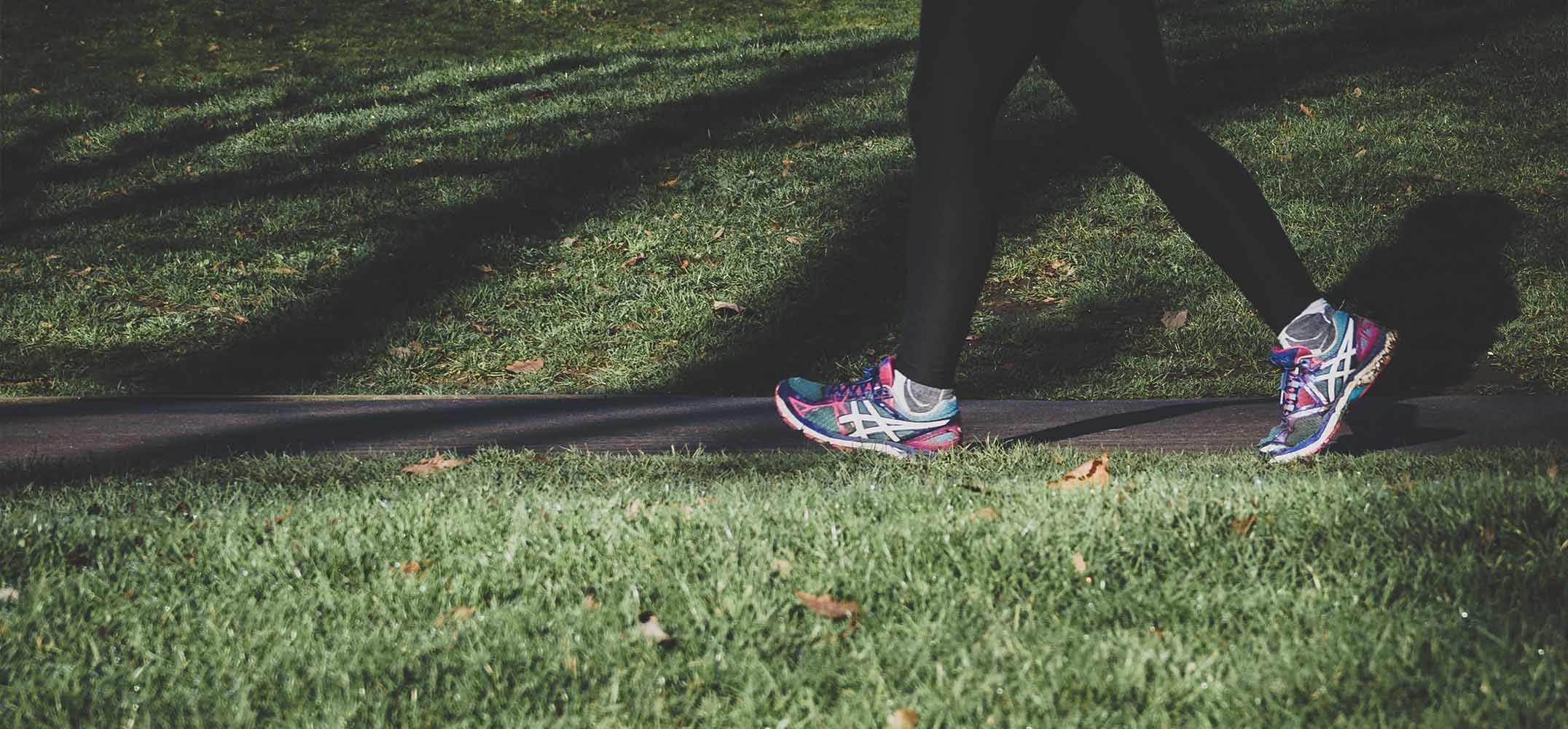
Many low-impact exercises offer the benefits of high-intensity workouts but are far easier on the body and generally don’t require special equipment beyond a good pair of shoes and comfortable workout clothes. Low-impact exercises include swimming, yoga, pilates, dancing, bicycling, and even some types of strength training. THE ADVANTAGES OF LOW-IMPACT EXERCISE ARE CLEAR Weight control Some people think only high-impact exercises will burn calories. In fact, low-impact workouts can be just as efficient. Reduced chance of injury Low-impact exercise puts less stress on your joints and muscles. Activities like swimming, for example, are often suggested to people trying to rebuild their strength after an injury. Improved flexibility Many low-impact exercises enhance flexibility, which helps to reduce stiffness and muscle pulls. Workouts involving yoga, swimming, and Pilates help strengthen your core and improve flexibility. Allow you to be more active Typical exercise programs encourage you to balance intense workouts with “active rest” days that allow your body to recover. Low-impact exercises put less stress on your body, reducing the need for rest days. You can remain consistently active. Mental health benefits Studies show that something as simple as walking for just one hour every day decreases the rate of depression, boosts your mood, gives you energy, and helps reduce anxiety. TYPES OF LOW-IMPACT EXERCISE Exercise walking The goal is to walk fast enough to elevate the heart rate and gently work the muscles. It can be done outdoors, on a treadmill, or in a shopping mall. Elliptical trainer or step machine These machines simulate the movements of jogging, running, and walking upstairs without the wear and tear to the body, providing aerobic benefits without the pain. Stationary bicycling. A stationary bike mimics the pedaling motion of a bicycle, providing aerobic exercise without the jostling impact of riding on uneven ground. You use a stationary bike as part of a spinning class or at home. Swimming and water aerobics. Exercising in the water combines added resistance and natural buoyancy to provide aerobic exercise with minimal impact on the spine. As Jim Rohn once said “Take care of your body. It’s the only place you have to live”.
Read more
Collagen Alternatives for Vegans
As we age, our natural collagen production slows down and decreases. Collagen is an animal-derived product, making it difficult for those following a plant-based lifestyle to choose the right supplements that provide similar benefits. Below we have listed the main preventative benefits of using collagen supplementation, and then suggested some plant-based supplement options that you could incorporate to reap similar benefits. Joint health Cartilage is a connective tissue, which is similar to a rubber band that protects our joints. One of the main components of cartilage is collagen. Science has shown that as we age, our natural collagen production decreases, resulting in age-related joint degradation,with sub-optimal cartilage health, this may lead to increased inflammation and joint disorders such as osteoarthritis. Sulphur is a major component in maintaining and strengthening joint tissue, notably cartilage, and is the third most abundant mineral in the human body. Methylsulfonylmethane (MSM) is a natural sulphur-containing compound found in green plants, animals, and the human body. MSM provides the body with essential sulphur and methyl groups that are used by the body during its healing and repair processes. This multi-functional mineral has also been shown to assist in reducing inflammation and pain, while preserving normal joint health and functioning. Bone density Just like our natural collagen production decreases with age, so too does our bone density. This reduction in bone mass can lead to an increased risk of bone fractures as well as conditions such as osteoporosis. Although collagen is the main organic matter that makes up the bone matrix, calcium is the main inorganic matter. While supplementing directly with collagen and calcium may seem to be the quick fix for this, there is a concern that excess calcium can result in the calcification of the arteries (you can read more about Sally-Ann’s perspective on this here). Rather, one should look at supplementing with Vitamin D3 and K2. Vitamin D3 assists with the absorption of calcium from the food we eat. Vitamin K2 can be thought of as the ‘traffic officer’ that sends this calcium to the bones for bone mineralisation. When taken in combination, Vitamin D3 and Vitamin K2 form the ideal l bone building combo as they are able to absorb and direct calcium to the bone matrix to assist with the development and maintenance of overall bone density. Heart health Collagen provides a structural framework for our arteries, it therefore assists with healthy blood flow from our heart to the rest of our body. Without this structural support in our arteries, they can begin to stiffen, become less flexible, and weaken. This could lead to more serious and life threatening issues, such as heart disease, strokes, or heart attacks.Therefore, it is important to look at supplementing with Vitamin C and Zinc, as both of these assist with promoting the absorption of collagen, as well as stimulate the body’s natural collagen production. Further to this, Coenzyme Q-10 (CoQ-10), is a fat-soluble, vitamin-like compound that has been shown to contribute to improving heart health, regulating blood sugar, and is recommended to be used with Statins (cholesterol lowering medication), as Statins can lead to secondary CoQ-10 depletion. Gut health Maintaining a strong and healthy digestive tract is important for our overall health as well as preventing a condition known as “leaky gut.” Leaky gut occurs when there is damage in the barrier that lines our intestines. This damage allows for food and waste particles to pass through the gut lining directly into the bloodstream, causing inflammation. This inflammation can then lead to symptoms such as stomach cramping, bloating and gas, as well as Irritable Bowel Syndrome (IBS) and, in some cases, food sensitivities. As we go about our daily activities, stress is placed on muscles and the metabolites in our body increase. L-glutamine supplementation helps reduce excessive inflammation and improves the health of the digestive system by strengthening the intestinal wall. L-glutamine also has anti-oxidative properties proving beneficial in reducing waist circumference and blood sugar levels. If you would like to further improve your digestive health, you can look at supplementing with a pre- and probiotic such as our Sally-Ann Creed® MaxiPrebiotic (MaxiFOS) and Sally-Ann Creed® MaxiProbiotic 20 (Maxibiotic 20). This will ensure that your good gut bacteria are operating at their optimum, providing you with even better nutrient absorption and overall well being. Muscle mass Collagen is also a large component of muscle tissue. As we age, our muscle mass, motor functions and muscular performance decreases. We tend to become less active and the combination of these factors has a downward-spiral effect on our overall mobility and well-being. Glutamine is the most abundant and versatile non-essential amino acid in the human body, promoting cell survival, maintenance, and division. L-glutamine supplementation can be thought of as the fuel that boosts our immune system and improves athlethic performance outcomes. It has been shown to assist in post-exercise muscle cell repair, promote muscle tissue maintenance and growth, and helps to burn fat, while possessing anti-inflammatory properties. In addition to this, magnesium is a mineral that assists with the functioning of the nervous system, improves muscle recovery, and promotes sleep. Supplementing with magnesium has been shown to assist in the optimal functioning of muscles and the nervous system and is essential for skeletal growth and development, while helping to maintain strong bones and teeth. Together, L-glutamine and Magnesium not only assists in creating an optimal environment for our muscles, but have many other benefits similar to that of collagen, such as bone density, gut and joint health benefits. With the above information, we hope that you can now narrow in on some key supplement options that target specific prevention concerns you may have. Collagen supplementation is an easy way to get all of the above benefits in one go, but following a plant-based lifestyle does not mean that one cannot reap similar benefits elsewhere – it is all about understanding your needs and strategically coupling the correct supplements to cater to these needs. Sources: J. McIntosch medically reviewed by C. Cobb. 2017. What is collagen, and why do people use it? Medical News Today online: https://www.medicalnewstoday.com M. Butawan, RL. Benjamin and RJ. Bloomer. 2017. Methylsulfonylmethane: Applications and Safety of a Novel Dietary Supplement. Nutrients Journal NCBI online: https://www.ncbi.nlm.nih.gov B.M. Thomson. 1998. Encyclopedia of Human Nutrition (Second Edition). Bone Matrix. Science Direct online: https://www.sciencedirect.com/topics/agricultural-and-biological-sciences/bone-matrix J. Hirano, Y. Ishii. 2002. Effects of vitamin K2, vitamin D, and calcium on the bone metabolism of rats in the growth phase. J Orthop Sci. Vol 7(3) pg. 364-369. National Library of Medicine online: https://pubmed.ncbi.nlm.nih.gov SA. Lanham-New. 2008. Importance of calcium, vitamin D and vitamin K for osteoporosis prevention and treatment. Proc Nutr Soc. Vol 67(2) pg. 163-76. National Library of Medicine online: https://pubmed.ncbi.nlm.nih.gov M. Li-ng, JF. Aloia, S. Pollack, BA. Cunha, M. Mikhail, J. Yeh. and N. Berbari. (2009). A randomized controlled trial of vitamin D3 supplementation for the prevention of symptomatic upper respiratory tract infections. Epidemiology and Infection. Cambridge University Press, 137(10), pp. 1396–1404. RC. Gupta. 2016. Nutraceuticals: Efficacy, safety and toxicity. Chapter 19: Application of ‘nano’ nutraceuticals in medicine. First Edition. p. 264 – 265 available online: https://books.google.co.za JR. Rapin and N. Wiernsperger. 2010. Possible links between intestinal permeability and food processing: a potential therapeutic niche for glutamine. Clinics. Volume 65. National Library of Nutrition online: https://www.ncbi.nlm.nih.gov RC. Gupta. 2016. Nutraceuticals: Efficacy, safety and toxicity. Chapter 61: Glutamine supplementation: hope, hype, or stay tuned?. First Edition. p 1027 -1036 available online: https://books.google.co.za U. Grober, J. Schmidt and K. Kisters. 2015. Magnesium in Prevention and Therapy. Nutrients 7(9), pages: 8199-8226 PubMed online: https://pubmed.ncbi.nlm.nih.gov
Read more
Speed up your healing – dump gluten
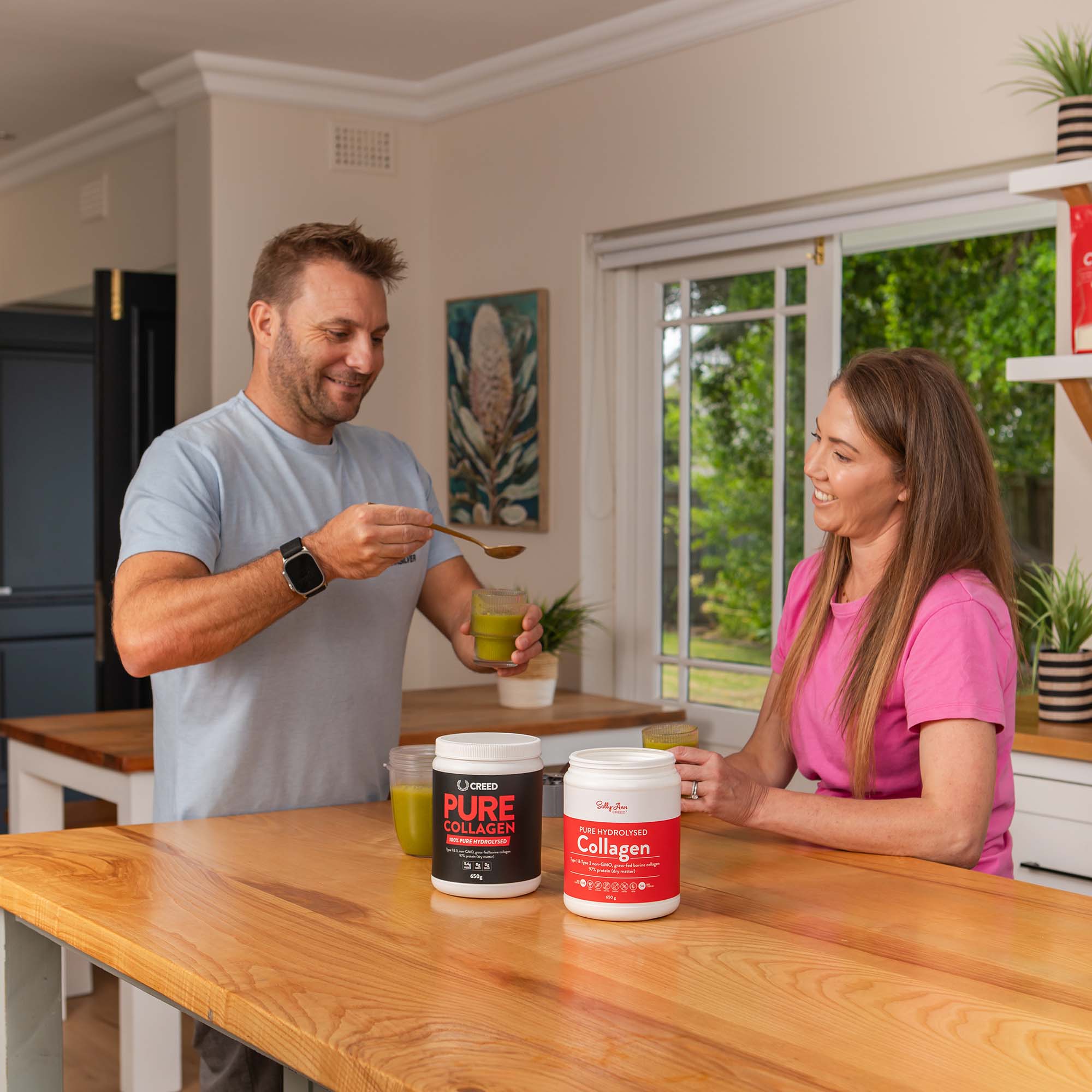
Lack of essential and bioavailable proteins are a major contributing factor to persistent illness especially in those with gluten sensitivity. Protein is the main ingredient your body uses to build immune antibodies as well as heal inflamed structural tissues and muscles. Protein hence helps speed up your healing. These functions are vital for the following reasons: Antibody production, essential to combat infection, chemical toxins and allergies. Research shows that antibody deficiency is a common phenomenon in those with gluten sensitivity. Lack of these vital proteins puts you at risk for multiple chronic health issues. Muscles are required for movement of the frame. As part of this process, muscle serves as a pumping system for your lymphatic vessels. These vessels are crucial because they help the body transport immune cells and antibodies. They also help remove damaging toxins. Research also shows that a large majority of those with gluten sensitivity have poor muscle to fat ratios. Gluten Destroys Muscle & Causes Protein Wasting One of the most common side effects of gluten is inflammation in the muscles and joints, as gluten proteins create an inflammatory reaction in these tissues that over time leads to many negative outcomes such as: Muscle pain Muscle atrophy (loss) Joint pain and arthritis Weight gain (increased visceral fat – especially belly fat) Weight loss (due to muscle atrophy) – the worst kind of weight loss Restricted mobility Increased risk for injury in those trying to exercise Gluten consumption leads to body protein disruption in several ways and prevents speeding up your healing: Inflammation – Gluten can cause the immune system to literally attack the muscle and joints leading to chronic pain and inflammation. A prolonged immune system attack contributes to chronic degradation of these tissues and subsequently atrophy of the muscle and arthritis in the joint. Hormone Release – To deal with this chronic damage, the body produces cortisol as an anti-inflammatory hormone. Increased cortisol leads to increased visceral fat (belly fat). Damage to the Stomach and GI Tract – Gluten can damage the specialized cells in your stomach and small intestines that secrete vital acid and digestive enzymes. Over time this damage makes it almost impossible to properly digest and break down dietary proteins from meats and vegetables. Many with gluten sensitivity have lost their ability to digest properly and develop protein and amino acid deficits. Gluten-Induced Gut Damage Can Make Meat Digestion a Challenge Many who embark on a gluten free diet still have inflamed and damaged gastrointestinal tracts. Some suffer with low acid production making it hard to digest dietary proteins. This is a big part of the “Catch 22″ in healing. To heal the gut, you need protein, but to digest the protein, you need a healthy and functional gut. The Critical Role of Protein and how it speeds up your healing Protein balance plays a major role body function. It is essential for proper maintenance of the immune system, the detoxification systems in the liver, antibody formation, muscle maintenance, tissue repair, digestive enzyme production, neurotransmitter (brain chemicals), and hormone production. Protein is responsible for building cellular receptors that help recognize hormones, regulate blood sugar, control our circadian rhythm, and control our metabolism. Too Many Carbs Excessive carbohydrate intake causes damage to important proteins in our bloodstream. This damage, often referred to as AGE (Advanced Glycation End products) is a major contributing factor to inflammation and chronic illness. Chronic inflammation leads to hormone changes that tax our body’s protein stores and our ability to heal and repair is minimized. The Problem with Most Protein Powders Unfortunately, most protein powders contain cheap and highly processed ingredients that is harder to digest and damaging to health. Others are full of artificial sweeteners and GMO chemicals like aspartame, sucralose, corn fructose, and maltodextrin. And forget the rice based proteins – they are devoid of nutrients, low in biologically valuable amino acids, have a high potential for arsenic contamination and most importantly contain a concentrated and very difficult to digest type of rice gluten. Other common protein options contain foods with severe allergenic potential. The most common include dairy, soy, and egg. All three of these protein replacements can have severe drawbacks. Dairy is usually a major problem for those with gluten sensitivity. Aside from it’ s allergic potential, most dairy proteins are heat processed and derived from GMO cows being fed GMO grains covered in chemical fertilizers and pesticides. These chemicals are known gut irritants and have been shown to alter the microbial gut balance and contribute to intestinal permeability (leaky gut). Soy proteins are high in phytates and tannins (compounds that inhibit mineral absorption – calcium, iron, zinc). Most soy proteins are also GMO and have been treated with chemical pesticides plus soy is a death-knell for the thyroid gland. Egg protein replacement powders are typically derived from chickens being fed diets high in GMO grain sources. The birds suffer from poor environmental conditions and those who are gluten sensitive often react to eggs from grain fed chickens. What’s the Solution? If you want a high quality protein without the drawbacks to help support your recovery and overall health, I recommend Pure Hydrolysed Collagen. Start with one scoop a day and progress to two scoops. My Pure Hydrolysed Collagen is non-GMO, grass-fed and pure, it has all you need to heal your gut. There are no carbs or calories, it won’t spike blood sugar/insulin, and is free of hormones and antibiotics. Mix it into water, coffee or tea once or twice a day, it will heal the gut in double quick time.
Read more
Cornonary artery calcification
I have been asked to repeat this post – hope it’s helpful. It’s been said that magnesium plays a part in over 600 metabolic processes in the human body and involves more than 350 enzymes. There’s just about nothing magnesium is not involved in. So it would stand to reason then that it is one of the most important minerals – if not the most important – we need to take, and to do so every single day. It has now been suggested that low magnesium intake is associated with future risk of hypertension, stroke and vascular calcification, yet not enough studies exist to tie it to coronary artery calcification. However in studies done on those with calcified arteries, they all exhibited extremely low levels of magnesium, so there may be a link. Of course there is always more to it than one simple thing, like smoking for example, which is known to harden the arteries, too little vitamin C intake, lack of collagen, poor diet, high sugar levels, too much alcohol and definitely taking a calcium supplement – these causes coronary artery calcium build up. Don’t bother trying to ‘test’ your magnesium though – serum magnesium only represents around 1% of magnesium stores. Magnesium is homeostatically controlled in the serum and measuring serum magnesium levels provides many false negatives. By the time an individual’s serum magnesium is low, they are extremely deficient in magnesium, as the body cannot maintain the serum magnesium levels. You can be pretty sure if you aren’t taking it daily, you’re bound to be short of it. Sadly there is this obsession with calcium – so SO bad for us! (Google “Death by Calcium” if you don’t believe me). THIS is what causes coronary artery calcification – and not cholesterol. Without sufficient magnesium, vitamin K2 and collagen, your arteries are an easy target for calcium to deposit itself in instead of bone. The other problem is that the ratio of calcium to magnesium is totally out of whack the way omega-6 is out of whack in relation to omega-3. We need that BALANCE. Only one thing is known to man for removing this calcified arterial plaque over time – vitamin K2. Having more magnesium in your diet also helps to balance out dietary calcium. So here are the nutrients which make all the difference to coronary artery calcification: Magnesium – I recommend my Magnesium Citrate Powder due to the ease of absorption (if you would prefer capsules use my Chelated Magnesium Premium) Vitamin K2 – prevents calcification and removes calcification from soft tissue – I have developed a very pure one called Vitamin K2 Premium Collagen – a powerful aid in arterial integrity – try my Pure Hydrolysed Premium Vitamin C – absolutely VITAL for the heart – 2-6 minimum Ester C daily or a teaspoon of Super-Cee or Scorbi-Cee in water daily. I also strongly recommend Vitamin D3 Premium in connection with vitamin K2
Read more
How to Lower Hypertension
How many people do you know suffering with this – it’s like an epidemic these days. A healthy blood pressure (BP) level should be around 120-130 over 80. Hypertension is a stealth condition as there are sometimes no obvious symptoms. For that reason it has been called “the silent killer”. I want to tell you first of all HOW to measure your blood pressure. Don’t go darting breathlessly into your doctor’s rooms, sit down and have your blood pressure taken. You have “white coat syndrome” to start with which immediately elevates it. Secondly you should have been sitting quietly and in a relaxed attitude for a good 15-20 minutes prior to the measure being taken. If you have it monitored regularly, always do it at the same time of the day, relax first and then have it done. Perhaps going to your chemist or getting your own home monitor would be more relaxing than the doctor but do monitor it if you are concerned. Hypertension doubles your risk of stroke, heart attack, dementia, kidney failure and blindness – nasty! So here are some ways to lower it or at least address it: Speak to your doctor about any medications you are taking which could possible artificially be elevating BP (cortisone does this and so do many other medications) Are you drinking too much coffee – coffee’s great but too much of a good thing will lead to elevated BP Are you drinking too much alcohol? Alcohol is linked to hypertension – I’ll leave it right there before you get irritated with me…. Are you on hormones? Again, chat to your doctor as often these can elevate BP Some antihistamines and anticonvulsants can do this – maybe your doctor could change your script Increase vegetable intake – don’t cut down on meat and fats which are very healthy, just make sure you are getting a decent amount of fresh vegetables every day. Try to have them at every meal, breakfast included (who said you can’t have veggies at breakfast? Pffft.) Eat more potassium-rich foods like sweet potato, avocado, banana, squash, leafy greens and the odd prune. Lose the seed oils and use olive oil which has been shown to have a healthy effect on BP Take a daily stroll – it’s not necessary to do an entire gym circuit each day, but exercise is important Good quality sleep is a wonderful healer, and some instances of high BP are due to too little sleep. You absolutely have to find a way to manage stress – easier said than done, but find a way Use cinnamon – this is an amazing way to not only lower blood pressure but blood sugar too. It needs to be organic Ceylon cinnamon to work (see my online store) and has other great benefits too. Such as fighting unhealthy gut bacteria and improving metabolic rate. In a study by the Journal of the American College of Nutrition in 2006, they discovered just ½ a teaspoon of cinnamon a day could be enough to lower blood pressure (I stress again organic, or it could be ‘cut’ with cornflour and be cassia which is not real cinnamon but a cheap imitation). You want pure, 100% organic Ceylon – I have an excellent one in my online store. If you eat oatmeal, add it to that, or smoothies, or coffee or sprinkle it onto anything. Really important – omega-3 fish oil – take this daily, and eat plenty of fatty fish too. Co-enzyme Q10 is known for the beneficial effect on blood pressure – take around 120mg a day – it’s heart healthy, gives energy and will help to control BP You really REALLY must stop sugar! And all high carb processed foods like breads and cereals. They just drive up insulin and blood sugar which in turn ramps up blood pressure. Take magnesium citrate – an amazing mineral for lowering BP, helping you sleep and relaxing you You might want to try more vitamin C too – according to Johns Hopkins Medicine, and a study published in Nutrition Journal, supplementing with vitamin C may help to reduce blood pressure. Head on over to my online store here for the above products Disclaimer: You can simply click on the name of each product mentioned above (in bold) and a hyperlink will take you directly to the product for an easy purchase. Originally published on https://www.facebook.com/SallyAnnCreedSA/ in 2020.
Read more
Anatomy of a laugh
ANATOMY OF A LAUGH When we laugh, we engage our entire body in the act. At least 15 different muscles in the face are called into action, along with our respiratory system and other muscle groups. But more importantly, laughter sends serotonin levels soaring in the brain, erasing mild depression in just a few minutes. Give happiness levels a boost The quickest way to feel better is to get moving. A brisk walk can get endorphins flowing, giving you the same feel-good boost as a shot of morphine, without the risk of drug addiction. Exercise helps you manage pain better and helps you sleep better Spread your happiness. Your happy emotions can affect others, make the people close to you happier – and make the people close to them happier. Surround yourself with positive people to remain positive too. Fake it until you make it. If you act happy, people see you as happy, and you see yourself through their eyes. You feel happy. Start with a smile to help you break free of the doldrums.
Read more
Berberine Complex for so much more than weight loss
Berberine is one of the most exciting natural products in current medical research and has nothing short of amazing properties. Other than for weight loss, it’s a powerful: Anti-viral Anti-inflammatory Anti-bacterial Berberine is most commonly taken for Weight Loss Powerful anti-ageing properties on skin Anti-inflammatory for skin and entire body High Blood Pressure Diabetes Dysglycaemia Reduces Insulin Levels High Cholesterol Polycystic Ovary Syndrome Some studies say it’s much better than metformin. AND you can take it WITH metformin if you wish – it seems to work synergistically for even better glucose control. It greatly improves muscle insulin sensitivity, and promotes blood glucose and fatty acid uptake into muscle cells. It also improves metabolism and mitochondrial function leading to a cascade of health benefits. So here are MORE new reasons people are taking it according to studies: Treating Fatty Liver Irritable Bowel Syndrome and SIBO Improves endothelial function – Heart Healthy Lowers cortisol (stress-reducing) Anti-depressant properties via increased serotonin production Who wouldn’t want to take it? Get it from https://sallyanncreed.co.za/shop – it’s called Berberine Complex Disclaimer: You can simply click on the name of each product mentioned above (in bold) and a hyperlink will take you directly to the product for an easy purchase. Originally published on https://www.facebook.com/SallyAnnCreedSA/ in 2020.
Read more