Articles

Magnesium Citrate vs Magnesium Chelate Premium
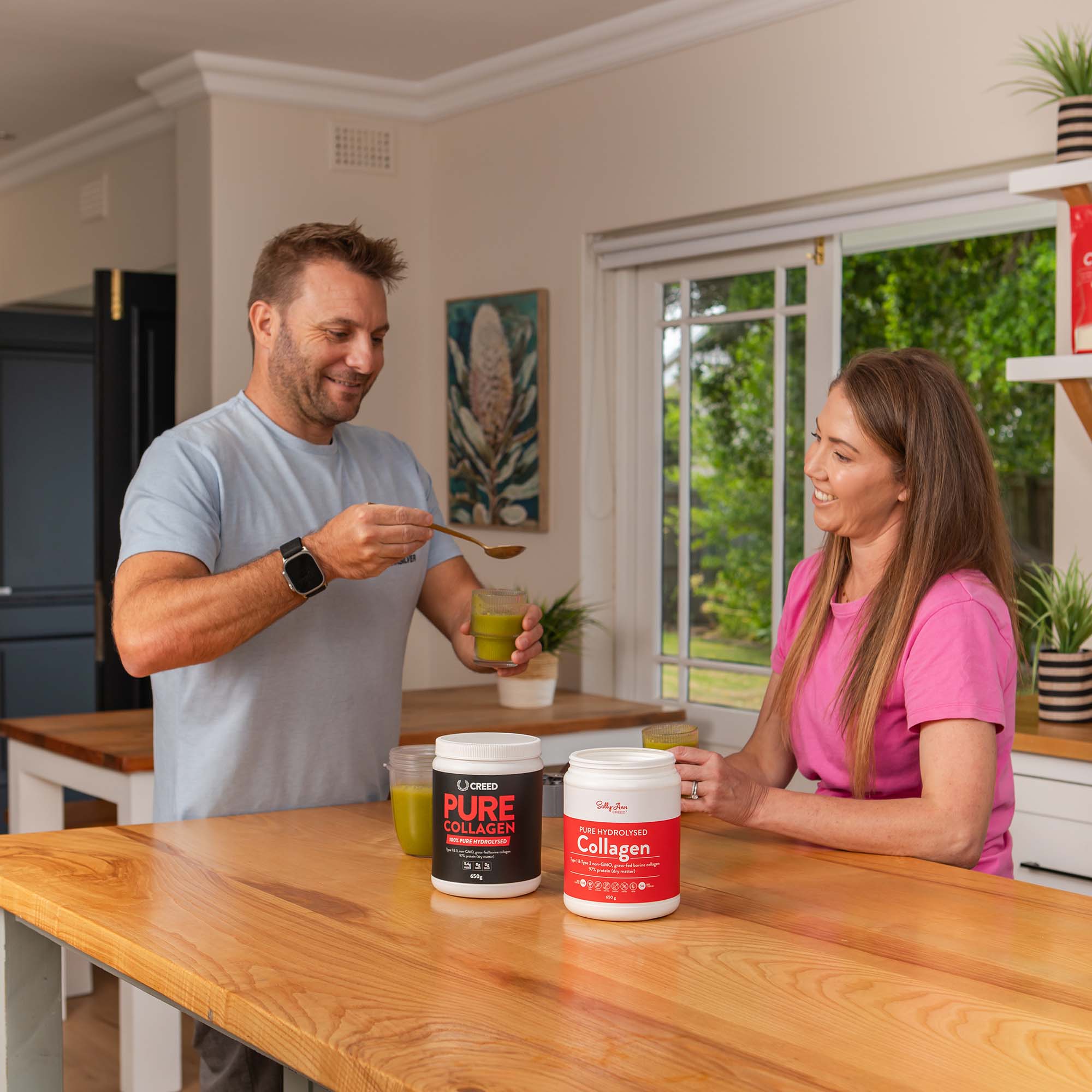
You’re probably wondering why we have two different kinds of oral magnesium – the powdered Magnesium Citrate vs Magnesium Chelate Premium. Apart from the fact that some people like powders and others like capsules, there are some subtle differences. Firstly, these two forms of magnesium are both known as “chelates”. In nature, elemental magnesium is always attached to another compound or ‘bonded’ to it – when magnesium is bonded to an organic compound such as an amino acid, it’s known as a chelate. Magnesium citrate is a chelate of magnesium and natural citric acid. Magnesium Chelated Premium is bonded to the amino acid glycine so it could also be called magnesium glycinate. Both these forms of magnesium are superbly absorbed, while some of the other forms are poorly absorbed. Magnesium is responsible for THOUSANDS of biochemical processes in your body, so we can all benefit from more magnesium. It is one of the most important minerals we can take, and it is also one of the safest. It is the 5th most common dietary mineral, and the second most common electrolyte in the body. Here are some of magnesium’s key roles: Energy production Nerve transmission Bone formation Heart rhythm Muscle contraction Blood sugar control Getting too little magnesium can cause health problems, including difficulty falling asleep, anxiety and fatigue. Of greater concern, long term magnesium deficiency has been linked to chronic health conditions such as diabetes and cancer. Getting enough magnesium through diet or supplementation can potentially cure, alleviate or prevent many common health issues. Here’s where magnesium can make a massive difference to your life, if you struggle with any of these areas: Insomnia – especially if diabetic (type 1 or 2) – improves sleep quality Headaches and migraines – very effective at alleviating/eliminating them Constipation – excellent treatment for this condition Anxiety – very effective if deficient Cramps – prevents and treats cramp of all kinds Joint pain – beneficial if deficient Weight loss – evidence suggests it balances blood sugar and therefore facilitates weight loss There are dozens of kinds of magnesium, but we stock three for their excellent properties: Magnesium Citrate Powder (powder) – very good for constipation, cramps, good absorption, safety, Chelated Magnesium Premium (capsules) – bonded to glycine noted for it’s calming effects especially if anxious Luxury Bath Salts – magnesium sulphate and sea salts to put into your bath or a foot bath, well absorbed through the skin for a calming effect, relaxation and sleep plus all the other beneficial properties of magnesium Sometimes it’s good to get magnesium any which way you can, and you may need it orally and topically to get enough. Magnesium is also vital for calcium absorption into the bone (BUT even more so is Vitamin D3 & Vitamin K2, so take these 3 TOGETHER for strong bones). Things which interfere with the uptake of magnesium: Proton Pump Inhibitors (PPIs) or antacids and medication for ulcers, gastritis, reflux, GERD etc. These severely inhibit magnesium, and if you are on any of these you need to aggressively address a magnesium deficiency – perhaps with several forms of magnesium, especially if you find you are suffering from headaches or insomnia. Low vitamin D status contributes to magnesium deficiency by reducing magnesium absorption. In turn, magnesium deficiency has been shown to reduce the effectiveness of vitamin D in performing some of its roles. Clearly these two MUST go together – and when taking vitamin D, vitamin K2 is paramount. Too much zinc can interfere with magnesium uptake – don’t overdo the zinc Too little protein from animal products in the diet (you should get more than 50 grams a day) can contribute to an inability to both absorb and retain magnesium. You need to get enough animal protein daily to make the most of your magnesium. We hope this has helped you! A great “strong bones, strong heart” formula then would be the following: 1. Magnesium Chelate Premium (or one of the other kinds of magnesium mentioned above) 2. Vitamin D3 – 1 per day anytime 3. Vitamin K2 Premium – 1 per day anytime (100ug MK-7) 4. Our Pure Hydrolysed Collagen powder – 2 tablespoons per day Add in one or more of the other magnesium forms to make sure you get enough magnesium – it is generally poorly absorbed, so we have to work hard at getting enough from our diets (mainly leafy greens), supplements and topical application. Go to our shop here for all these specialised supplements.
Read more
Can Vitamin D save your Life?
Yes, we believe vitamin D can save your life. Vitamin D is a true superstar which affects so much more than bones and teeth. The brain, immune system, hormones, cancer prevention and gene expression all rely to some extent on Vitamin D. In fact Vitamin D has been called “one of the simplest solutions to wide-ranging health problems”. Because almost every cell and tissue in the body has a receptor for Vitamin D. So it’s important to get enough, wouldn’t you say vitamin D can save your life? Vitamin D is made in the skin using cholesterol and sunlight, but how many of us get hours of daily sun on bare skin at noon? Studies show most people on this planet are deficient in the minimum RDA for Vitamin D, especially children (they use it quickly to build bones and teeth), and the elderly. You need to have a blood test annually if you are not sure. The preferred range is 50-70ng/ml, and it becomes harder for our bodies to produce it after 35 anyway. If you have heart disease or a history of cancer you want that up to 70-100 ng/ml. It is possible to overdose on D, but if you remain in these ranges and test annually, you will be fine. Overdosing takes a long time at high doses. Taking 1000iu a day will slowly get you to your right level, and you won’t overdose. Please note: Prescription Vitamin D is D2, not D3. D2 does not directly supply D3, and is given in much higher doses (50,000 iu weekly). When blood levels test normal, your doctor will take you OFF D2. But you’ll slip back to deficiency if not taking D3 on a regular basis. Foods which contain D3 Fatty fish such as wild (not farmed) salmon and sardines have roughly 400iu of D in a 90g serving. Liver and pastured egg yolk have a tiny bit – 40iu in 1 egg or 90g of liver. That’s a lot of liver, eggs and canned fish to get a dose of 1000 to 7,000 iu daily. A good supplement is so much easier. Cod liver oil has about 450iu per teaspoon. Mushrooms labelled as containing Vitamin D have been exposed to light and contain Vitamin D2 NOT D3. So it’s difficult to get from food. Absorption of all fat-soluble vitamins is decreased in those with intestinal inflammation such as Celiac, Crohn’s and Irritable Bowel Syndrome and other gut issues. NOTE: ALWAYS TAKE VITAMIN K2 WITH D. Never, never, take Vitamin D3 without K2. We have supplements in our online store with D3 and K2 at https://sallyanncreed.co.za/shop Ways Vitamin D can save your life: DNA repair and gene regulation. This is massive! Vitamin D impacts all the bad genes (turns them off) and all the good genes (turns them on), changing your entire future. One study showed a mere 2,000iu of vitamin D3 per day for a few months upregulated 291 different genes controlling 80 different metabolic processes. Imagine what you are missing out on if you don’t have enough D3? Prevents osteoporosis, hip fractures, arthritis and many types of pain. Studies show a sharp increase in all-cause mortality after a broken hip. Anything that stops us from exercising is harmful. Vitamin D is so important with Vitamin K2 for maintaining bone strength. Vitamin D plays a big role in the aches and pains of chronic fatigue and Fibromyalgia too. The immune system. Vitamin D3 supports the “killer cells” of the immune system, helping white blood cells kill infections. We get sick less often and get well faster. Vitamin D3 is also a potent immune modulator for the prevention and resolution of autoimmune diseases like Multiple Sclerosis and inflammatory bowel disease. Cancer. Vitamin D plays a role in most cancers. In one study, 70% of women with breast cancer were found to be vitamin D deficient. It has even been shown to prevent breast cancer cell growth and decrease the expression of cancer causing genes. It is essential after cancer treatment to track your Vitamin D twice annually and keep it at the top of the range or just slightly beyond – 75-100 ng/ml according to some experts. Maintains a healthy brain. Vitamin D affects production of serotonin which affects sleep, depression, PMS, weight, mood, digestion and more. It helps prevent Parkinson’s by enhancing the transmission of electricity to your neurons and by detoxifying your cells. Dementia, Alzheimer’s, memory and information processing are all affected by low D. Vitamin D activates and deactivates enzymes in the brain and the cerebrospinal fluid involved in neurotransmitter synthesis and nerve growth. Heart disease. People with insufficient vitamin D have an 80% greater risk of narrowing of the arteries according to a long-term study at Johns Hopkins. Vitamin D is important for reducing hypertension, atherosclerotic heart disease, heart attack, and stroke. One study showed Vitamin D deficiency increased the risk of heart attack by 50%. VERY important – Vitamin K2 plays a huge role here also. Don’t take D without K2, as the K2 prevents D from hardening the arteries or forming calcium deposits incorrectly anywhere in the body. Vitamin D plays many roles, but Vitamin K2 makes sure the calcium absorbed does NOT go to the arteries, but to the bones. It’s as important as D3. Diabetes & Weight Loss. Vitamin D stimulates insulin production and is important for Diabetes management and for weight loss. There’s almost no mental or physical function that D does not affect. You’ll find the excellently formulated vitamins – Vitamin D3 Premium and Vitamin K2 Premium at https://sallyanncreed.co.za/shop
Read more
Avoid nightshades before surgery
AVOID NIGHTSHADES BEFORE SURGERY Are you one of those people who seems to struggle for days to recover from anaesthesia? If so, you may find avoiding the nightshades will help you recover faster. Research suggests that nightshade vegetables (tomatoes, aubergine, bell peppers and potatoes) can delay recovery from anaesthesia. Who knew? The solanaceae family of plants inhibits two enzymes which help the body recover from anaesthetic drugs. To optimise recovery, omit these for a week prior to surgery. Of course anaesthesia is also very hard on the liver, so it’s a very good idea a week prior to surgery to take both our Pure Hydrolysed Collagen and Milk Thistle. These will both do damage control and help you in the recovery process. We sincerely hope nobody needs surgery, but if you do these are a couple of tips to help you. You can get these products at https://sallyanncreed.co.za/shop Disclaimer: You can simply click on the name of each product mentioned above (in bold) and a hyperlink will take you directly to the product for an easy purchase. Originally published on https://www.facebook.com/SallyAnnCreedSA/ in 2020.
Read more
CAN YOUR LIVER AFFECT YOUR THYROID?
Absolutely! Firstly, remember the inactive T4 hormone made by the thyroid needs to be converted by the liver. It is converted into the active form – T3. So if your liver is not in good nick, you may find your thyroid is somewhat sluggish. Improving liver & gut health is the first step to improving thyroid health. The thyroid gland affects metabolic rate and while the body provides glucose for energy from food – if you are exercising or haven’t eaten for a while – your liver is responsible for supplying the glucose. This glucose is needed for maintaining normal blood sugar levels from its glycogen stores. In order to make glycogen the liver needs the thyroid to ‘tell’ it to do so. First, the pituitary gland secretes thyroid stimulating hormone (TSH). This signals the thyroid to make T4 which then goes to the peripheral tissues such as l liver, kidneys and muscles. This is where it is converted to the active form of thyroid hormone called T3. Without enough T3 you won’t get that much glycogen. Which means you will experience low blood sugar (hypoglycemia) and very poor phase 2 detoxification by the liver. Disclaimer: You can simply click on the name of each product mentioned above (in bold) and a hyperlink will take you directly to the product for an easy purchase. Originally published on https://www.facebook.com/SallyAnnCreedSA/ in 2020.
Read more