Articles

The truth about creatine and heat
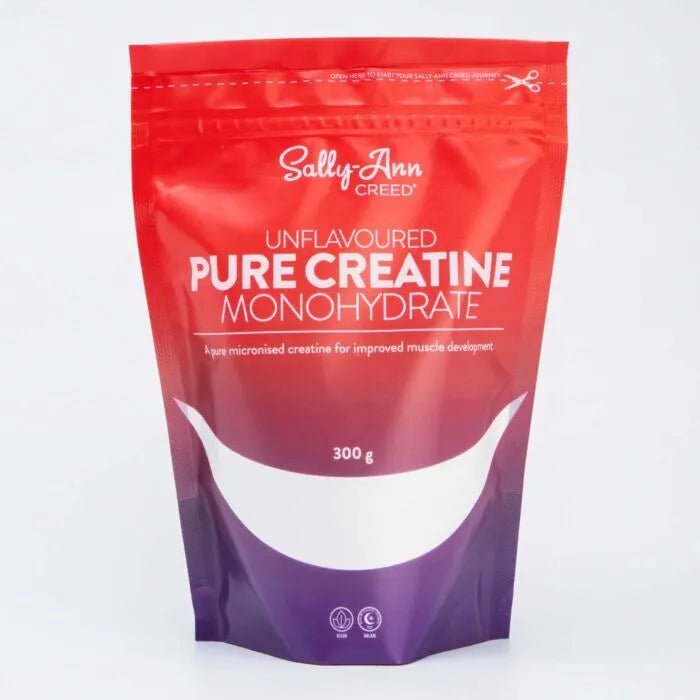
Creatine is one of the most studied, useful and safe supplements around, and creatine and heat is a critical part of those studies. If you want to learn more about the benefits of creatine, please see our blog here. It’s also incredibly easy to take daily, you can stir it into water, milk, smoothies, oats and yes, even coffee. As myth busters, we spend a lot of time talking with clients about supplement myths. One that is very common, is the idea that a hot drink, or even a hot warehouse, will convert creatine monohydrate into the inactive waste product creatinine. In this blog we will be focusing on two questions to help you: “Does heat destroy creatine?” “Do coffee/caffeine and creatine ‘cancel’ each other out?” 1. Creatine and heat Powder form (in the tub):Creatine is VERY heat stable in powder form. In fact, there is a study that looked at creatine powder for 3 years at temperatures above 40 degrees Celsius and there was no breakdown. Only trace amounts (0, 01%) were seen after 44 months at 60 degrees Celsius. In other words, even in very hot warehouses, your creatine is safe. Once mixed in a drink:In solution (added to a fluid), creatine slowly converts to creatinine. The rate depends on pH, temperature and time. A study looked at this and showed at 25 degrees Celsius for 3 days, the expected loss is about 4% at pH 5.5 (filter coffee, some herbal teas), 12% at pH 4.5 (strong black tea, tomato juice, yoghurt) and 21% at pH 3.5 (some fruit juices, sports drinks, kombucha and some soft drinks). At neutral pH (6.5-7.5) like water or milk, it’s relatively stable over those 3 days. The conversion stops at very low pH (< 2.5), which is why creatine isn’t degraded in your stomach and also at very high pH (> 12). Fresh coffee sits around pH 5 and starts out hot (60-85 degrees celsius), then cools quickly. From the graph above, meaningful losses take hours, not minutes, especially as the mug cools. So practically wise, adding creatine to hot coffee and drinking soon after mixing keeps losses trivial. If you plan to let it sit, use cool/neutral pH options (water or milk) instead. No studies, as of yet, have timed creatine in boiling coffee to the minute, but putting the equations together, if you have your creatine in warm/hot liquids in the first 10-15 minutes your loss is well under 5%, as your mug most likely cools below 60 before degradation is really accelerated. What we wouldn’t suggest is leaving your coffee there for an hour or more, you might lose double-digit percentages, and the coffee tastes awful by then anyway. 2. Creatine and caffeine: why the evidence looks “mixed” Does ingesting caffeine at the same time blunt creatine performance benefits? Like many concerns about creatine, it started with an old, small participant size study. In 1990s, 9 participants showed less effect on muscle performance with creatine supplementation when caffeine was added. However, muscle creatine levels increased. The study was not brilliant, it was small (n=9), all male and uses a very specific isokinetic lab test. The doses are hefty (creatine 30 to 40 g/day and caffeine 350-450 mg/day) and were taken together for 6 days, this isn’t how most people use them. Newer controlled work is far less dramatic. A randomised study comparing creatine alone vs creatine and caffeine tablets vs creatine and coffee during 5 days of loading, and found no significant performance differences among creatine groups. Systematic reviews have concluded that evidence of a consistent negative interaction is inconclusive and protocol-dependent. Some studies even show neutrality or even benefit of caffeine and creatine when programmed sensibly. In our opinion, the caffeine in coffee which ranges from 95mg in 1 cup filter, to 40-80mg in an espresso is not comparable to the 350-450mg caffeine tablet/supplement seen in studies anyways. So the bottom line, creatine is heat-stable and coffee-friendly. Stir it into your coffee and enjoy within 30 minutes. The “caffeine cancels creatine” idea is old and inconsistent. If you’re cautious, take your creatine any time with water or milk and keep your coffee for your collagen 😊. References: Trexler ET, Smith-Ryan AE, Roelofs EJ, Hirsch KR, Persky AM, Mock MG. Effects of Coffee and Caffeine Anhydrous Intake During Creatine Loading. J Strength Cond Res. 2016;30(5):1438-1446.https://pmc.ncbi.nlm.nih.gov/articles/PMC4808512/pdf/nihms-724283.pdf Kreider RB, Jäger R, Purpura M. Bioavailability, Efficacy, Safety, and Regulatory Status of Creatine and Related Compounds: A Critical Review. Nutrients. 2022; 14(5):1035.https://www.mdpi.com/2072-6643/14/5/1035 Trexler ET, Smith-Ryan AE, Roelofs EJ, Hirsch KR, Persky AM, Mock MG. Effects of Coffee and Caffeine Anhydrous Intake During Creatine Loading. J Strength Cond Res. 2016;30(5):1438-1446.https://pubmed.ncbi.nlm.nih.gov/26439785/ Jäger R, Purpura M, Shao A, Inoue T, Kreider RB. Analysis of the efficacy, safety, and regulatory status of novel forms of creatine. Amino Acids. 2011;40(5):1369-1383.https://pmc.ncbi.nlm.nih.gov/articles/PMC3080578/
Read more
What exactly is ADHD?
Attention-Deficit/Hyperactivity Disorder (ADHD) is a neurodevelopmental condition that affects both children and adults. It is characterised by a persistent pattern of inattention, hyperactivity and/or impulsivity that interferes with daily life. ADHD is not a behavioural problem or a parenting issue, it’s a brain-based condition with biological differences in brain function, size and activity. The understanding and naming of ADHD have evolved over time. Here’s a quick look at how our definition of ADHD has changed: And this is very important—although ADHD is still labelled a “disorder” in medical circles, at Sally-Ann Creed we prefer to think of it as a different brain wiring, not something broken, but something unique. Science backs this up, brain scans show clear differences in structure, size and function in those of us with ADHD compared to neurotypical brains. But ultimately, remember these aren’t flaws- they’re variations. Like a different operating system. The science? Frontal Lobe This area is responsible for decision-making, planning, emotional regulation and impulse control. In ADHD, these functions may be less consistent or harder to access, which can affect organisation and self-management. Prefrontal Cortex This plays a role in organising thoughts, focusing attention, managing emotions and understanding social cues. In ADHD, it may be slightly smaller or show reduced activity, contributing to difficulties with focus and emotional regulation. Basal Ganglia This region helps with motivation, habit formation and translating intention into action. In ADHD, it may function less efficiently, which can explain why individuals often struggle to initiate or follow through on tasks even when they know what needs to be done. Anterior Cingulate Cortex (ACC) Is involved in shifting attention, managing multiple tasks and learning from feedback. Reduced activity in this area can make it harder to adapt to change, manage competing demands or shift focus effectively. Cerebellum Though traditionally associated with coordination and movement, the cerebellum also supports attention, timing and certain cognitive functions. In ADHD, it may be smaller in size, potentially contributing to issues with focus, timing or working memory. Symptoms of ADHD can look different for everyone. According to the American Psychiatric Association’s Diagnostic and Statistical Manual, Fifth edition (DSM-5), there are nine signs linked to the inattention side of ADHD. To be diagnosed with ADHD, a person needs to show a certain number of these signs, depending on their age: Children 16 years and younger: Must show six or more symptoms of inattention and/or hyperactivity-impulsivity. Teens 17 and older, and adults: Must show five or more symptoms. A healthcare professional must make the diagnosis. This information is just to help you understand the criteria better. Neurotransmitters and ADHD Neurotransmitters are chemical messengers that help different parts of the brain and body communicate with each other. They play a vital role in regulating mood, focus, sleep, emotions and even how we react to stress. Some well-known neurotransmitters include serotonin (linked to mood and wellbeing), melatonin (involved in sleep), GABA (which helps calm the nervous system) and dopamine, which plays a key role in ADHD. Dopamine is especially important when it comes to attention and motivation. It’s often called the “feel-good” chemical because it’s involved in the brain’s reward system, helping us feel pleasure when we do something enjoyable. But it does much more than that. Dopamine also helps with motivation, drive, focus, attention, learning and memory and in people with ADHD, dopamine doesn’t always work as it should. Either there isn’t enough of it in certain parts of the brain, or it’s not being used effectively. This can make it harder to focus, stay motivated, or regulate emotions, all core challenges in ADHD. This is important to understand because it helps explain why certain nutrients and foods are recommended for ADHD. Many of the brain chemicals involved in attention, mood and focus ( like dopamine ) are made from nutrients we get through food. If the body doesn’t have enough of the right building blocks, these brain messengers can’t be produced or function properly. For example: Protein rich foods (like eggs, fish, chicken, nuts, seeds and legumes) provide amino acids which are needed to make neurotransmitters like dopamine. Omega-3 fatty acids (found in oily fish like salmon, flaxseeds and walnuts or our lovely Sally-Ann Creed Omegas) help brain cells communicate better and support attention and behaviour regulation. Iron, zinc, magnesium and vitamin B6 are also crucial for dopamine production and balance and low levels of these nutrients have been linked to ADHD symptoms. So, nutrition isn’t a cure for ADHD, but it can be a powerful support. Just like every system and organ in your body, your brain needs nutrients to work properly. Without them, you may experience issues like brain fog, mood swings, poor memory or difficulty concentrating- and that’s whether you have ADHD or not. For those with ADHD, not getting the right nutrients can make symptoms even more challenging. According to literature, there is still no specific “ADHD diet,” the best approach is to follow a healthy, balanced eating pattern. This means loading up on fruit, vegetables, whole grains when needed, healthy protein and healthy fats to nourish your brain and body. While research is still ongoing, some studies have shown that certain nutrients can support brain function and help ease symptoms of ADHD. On the flip side, missing key nutrients could make it harder to manage those symptoms. What we do know is that a healthy, diverse and balanced diet is associated with decreased ADHD symptoms. A systematic review supports this, indicating that healthy dietary patterns are linked to a decreased risk of ADHD, while unhealthy diets may increase this risk. Notably, adherence to the Mediterranean diet, which emphasises fruits, vegetables, whole grains when needed, legumes, fish and healthy fats like olive oil has been associated with a lower risk of ADHD symptoms. What else does science tell us? The main dietary recommendations that have been studied look at: 🧠 Reducing and avoiding sugar, especially sugar sweetened beverages We’ve all heard the age-old story- our children head off to a birthday party (or a visit to Granny’s house) and return home bouncing off the walls, thanks to a whirlwind of sugary treats and sweets. While sugar is often blamed for hyperactivity, research tells a bit more nuanced story. A large meta-analysis in the 1990s found no consistent link between sugar and changes in children’s behaviour or thinking skills. An interesting 2020 study showed that dietary sugar alone did not have a significant effect on ADHD symptoms, however sugar sweetened beverages were associated with 40% and higher risk of ADHD symptoms! One theory is that sugar causes a surge of dopamine (the brain’s feel-good chemical), particularly in areas of the brain involved in reward and attention. Over time, this could blunt dopamine sensitivity, which overlaps with what we see in ADHD. Plus, rapid sugar spikes can lead to blood sugar crashes and adrenaline surges, another possible route to hyperactivity. We don’t need to fear sugar as overly restrictive diets can make kids feel controlled, anxious around food or even see eating as a form of punishment. But we do want to be mindful of how much of it, and in what form, it’s entering our children’s diets or adult ADHD-er. Occasional treats are part of childhood, life and celebration, and they absolutely have their place. What matters more is the pattern of eating. Instead of focusing on removing sugar entirely, the aim is to reduce excess intake of added sugars, especially from sources like sugary drinks, sweetened cereals and processed snacks and to create a foundation of real, nourishing foods most of the time. It’s about balance, not banning. Teaching kids to enjoy a variety of whole foods, while also learning that sweets can be part of life in moderation, helps develop a healthy, sustainable relationship with food. 🧠 In certain cases doing an elimination diet In certain cases, elimination diets are explored to see if specific foods may be contributing to ADHD-related behaviours. The idea is simple: if behaviour noticeably improves during the elimination phase, and symptoms return when certain foods are reintroduced, those foods may be acting as triggers. This approach typically involves a strict, short-term elimination phase (around 2–5 weeks), where only a limited number of low-reactive foods are allowed. If there’s a significant improvement in behaviour, foods are reintroduced one at a time over many months to identify potential triggers. However, it’s important to approach this carefully and under professional guidance. Some research has found that some children may benefit from this approach in the short term, showing reduced ADHD symptoms and even fewer emotional outbursts or oppositional behaviours. However, it’s worth noting that some of these improvements may be due to parental expectations, more structured mealtimes, or the extra attention children receive during the process, not necessarily the foods themselves. That’s why elimination diets should always be done under professional guidance, ideally with a dietitian and a healthcare provider. Without this support, there’s a risk of cutting out too many foods, which can lead to nutritional deficiencies, increased mealtime stress and a poor relationship with food.Unless a child/adult ADHD-er has a confirmed allergy or intolerance, there’s rarely a need to strictly avoid specific foods. 🧠 Artificial food colours and additives Parents often notice that their child’s ADHD symptoms, especially hyperactivity, seem to get worse after eating foods with artificial colours. Dr Feingold, an American paediatrician and allergist, was one of the first to suggest in the 1970s that some children might be sensitive or allergic to these food colorings and synthetic flavours. Systematic reviews have found it challenging to give firm conclusions as some have shown a small significant adverse effect on ADHD in some children and in others showed a nonsignificant effect. 🧠 Micronutrient (vitamin and mineral) supplementation There is some evidence that ADHD may be associated with some nutrient deficiency risks. Magnesium: Children with ADHD have lower levels of magnesium than those who do not, magnesium deficiency can lead to symptoms such as reduced concentration, fatigue, mood swings (aggression) and anxiety. Magnesium may also help with symptoms of insomnia (battling with sleep) and anxiety, both of which are common in ADHD. Iron: Iron plays an essential part in production of dopamine and other neurotransmitters that play an important role in brain function and behaviour. Low iron levels may impact these brain chemicals and contribute to ADHD symptoms. Zinc: Some studies suggest that zinc might have a beneficial role in improving symptoms in some children with ADHD. Zinc is an important mineral that helps regulate chemical messengers in your brain. Vitamin D: Vitamin D plays a key role in brain development and function and some research suggests that low levels of vitamin D might be linked to an increased risk or severity of ADHD symptoms. 🧠 Omega 3 essential fatty acid supplementation An incredibly important factor to consider. Omega 3 has been reported to be lower in children with ADHD and this is vital because it has a huge role in brain function and structure. In fact the brain itself is made up of 70% of DHA (a type of omega 3). Some trials have shown that there is some improvement in symptoms and performance when supplementing with omega 3. If one is unable to get in 2-3 servings of fatty fish, it may be beneficial to include a good omega 3 supplement to get in brain healthy DHA and EPA. Behaviour tips and tricks ADHD affects and impacts nutrition by: forgetting to eat, having low energy or motivation to cook and prepare healthy meals, binge eating or eating for stimulation, decision overload or even suppressed appetite from medication. Some little behavioural tips are: Create a structured eating routine- set reminders for meal times, try to eat every 3-4 hours to prevent energy crashes or impulsive eating. When motivation is low, it will help to have meal plans to set up. Keep snacks accessible and meals easy- batch cook when energy is high and freeze meals for later, prepare grab-and-go options like boiled eggs, trail mix, yoghurt pots. Reduce decision making- plan meals ahead of time (create a weekly menu) or even rotate 3 to 5 go-to meals to minimise daily decisions. Work with your medication schedule- if appetite is suppressed during the day, ensure breakfast is nutrient-dense and have snacks readily available for when you or your child feels hungry again. Add protein and healthy fats to each meal- this is to help with energy, focus and blood sugar regulation. Parents and fellow ADHD-ers, please know that ADHD does not limit you or your future, if you are needing a reminder some ADHD individuals have gone on to be: The most decorated Olympian in history was diagnosed with ADHD at age 9. He credits swimming with giving him structure and focus (Michael Phelps) Founder of the Virgin Group, openly discusses having ADHD and dyslexia (Richard Branson) Actor and producer, has shared that he was diagnosed with ADHD (and dyslexia) as a child (Channing Tatum) Had incredible imaginations and produced incredible productions (Walt Disney) Become innovators and able to view from a whole new perspective (Albert Einstein)
Read more
What is Fluoride?
Fluoride is a natural mineral that is found in our teeth and bones as well as in some food (such as seafood, black tea, grape juice/wine and some grains) water and trace amounts in soil, air and plants. For example, the foods containing trace amounts of fluoride range from 0,01 to 0,17mg (NHIS). How much can you have? The Adequate Intake (intake at this level is assumed to ensure nutritional adequacy) is 3mg for females and 4mg for males over 18. (For under 18s) The Tolerable Upper Intake (maximum daily intake unlikely to cause adverse health effects) is 10mg for adults over 18. Fluoride and water In September 2000 water fluoridation became mandatory in South Africa. The South African National Standard (SANS 241:2015) for drinking water sets a limit of 1.5 mg/l for fluoride. It has been seen that when fluoride is added to a community’s water supply, tooth decay rate declines. What are the effects of fluoride? According to Position of the Academy of Nutrition and Dietetics Fluoride research of more than 65 years has shown that fluoride is safe and effective at the levels used for water fluoridation (0.7 to 1.2 mg/L). Fluoride in the mouth, has been shown to effectively: prevent tooth decay (which is an incredibly huge concern for quality of life) prevent cavities prevents the growth of harmful oral bacteria And this is why countries such as the USA (60%), and 30 other countries use fluoridation (for now anyway). According to South Africa Water Quality Guidelines, the effect of Fluoride on Aesthetics and Human Health: 1.5-3.5 mg/L: Early signs of dental mottling (white or brown spots). 4.0-6.0 mg/L: Risk of skeletal fluorosis (where your bones become brittle) with long-term use. >100 mg/L: Acute poisoning (nausea, vomiting, diarrhoea) >2000 mg/L: Lethal dose. And seeing this, it might scare us, however, how much fluoride is in water? Across various municipalities, fluoride levels in drinking water vary, but a study analysing samples from multiple sources found concentrations ranging from less than 0.1 mg/L to 4.6 mg/L, with the highest levels typically associated with borehole water. For example Rand Water, and City of Cape Town do not add additional fluoride to their drinking water supplies (0.1mg/L). According to SANBWA, “The great majority of South African bottled waters contain very little fluoride, with only one or two having fluoride up to 1 mg/L. As far as we (SANBWA) know, no South African bottled water is over the 1 mg/L level”. Toothpaste? A recent meta-analysis of nearly 100 randomised controlled trials of fluoride toothpaste involving more than 10,000 people found “high-certainty” evidence that toothpaste containing the typical amount of fluoride reduces tooth decay significantly more than non-fluoride toothpaste in both children and adults. A minimum concentration of fluoride of 1000ppm should be present in the formulation if cavities are to be inhibited according to the South African Dental Journal. Colgate states that they generally have 1100 ppm for over the counter (OTC) toothpastes and 225 ppm for OTC mouthwashes. A very interesting South African study showed that “the total fluoride concentration of all the toothpastes was lower than that declared by the manufacturers, with one in four having total soluble fluoride concentrations of less than 1000ppm.” Our opinion is that fluoride, when used appropriately, plays a valuable role in preventing tooth decay. While overexposure, especially from some borehole water, can pose risks, most drinking water in South Africa remains within safe limits. Since fluoride works best when applied directly to teeth, and the risks come from swallowing too much, we can safely benefit from fluoride by using toothpaste and mouthwashes, without relying on high levels in drinking water. As with most nutrients, balance is key. Use fluoride wisely, not fearfully.
Read more
Cortisol and Menopause
Known as the ‘stress hormone’, and involved in our bodies’ “fight, flight or freeze” response. Cortisol helps protect our bodies against “danger” during stress. In the caveman days this helped us get away from danger such as predators, it did this by increasing blood sugar levels, redirecting energy to muscles and suppressing non-essential functions (like digestion and immune response) to help with quick survival reactions. Nowadays, work, traffic and our busy schedules can be so stressful that our body feels as though we are chronically running away from “lions”. This chronic stress keeps cortisol levels high, leading to: Increased belly fat (as the body stores fat for “future emergencies”) Muscle loss (as the body breaks down protein for energy) Blood sugar imbalances (increasing cravings and insulin resistance) Poor sleep (cortisol should drop at night, but stress keeps it high) What about during menopause? During menopause, cortisol can have an even greater impact because of hormonal changes. When oestrogen and progesterone decline, the body becomes more sensitive to stress, causing higher cortisol levels. How can you lower your cortisol levels? 1. Practice mindful behaviours. Breathing exercises, meditation (this could look like praying for some or guided meditation for others), yoga or walks in nature. 2. Avoid overloading your schedule. Your body is more stress-sensitive now and taking the time to use techniques like the Eisenhower’s Urgent-Important Matrix, may help. See diagram below. 3. Prioritise sleep. Consider supplements such as magnesium glycinate (we have a great one—Chelated Magnesium Premium) and avoiding screen time an hour before bed. 4. Balance blood sugar. Eat protein and healthy fats with every meal to prevent crashes and reduce refined carbs and sugars, which spike cortisol. You can also consider supplements
Read more
Understanding your blood results
Chances are, if you have ever gone for your yearly check-up, that you have had the fright of your life when your doctor tells you that you have high cholesterol. We know that cholesterol levels can be confusing, and seeing all those different numbers on your blood test might feel overwhelming. That’s why our team has put together this quick summary table to help make sense of it all. Our goal is to help you understand what each type of cholesterol means and how it affects your health, without the stress. Understanding your blood results: Chances are, if you have ever gone for your yearly check-up, that you have had the fright of your life when your doctor tells you that you have high cholesterol. We know that cholesterol levels can be confusing, and seeing all those different numbers on your blood test might feel overwhelming. That’s why our team has put together this quick summary table to help make sense of it all. Our goal is to help you understand what each type of cholesterol means and how it affects your health, without the stress. NAME “NORMAL LEVELS” EXPLAINED Total Cholesterol 2.8-4.9mmol/L (usually want <5) This refers to the total amount of cholesterol in your blood, including LDL and HDL. While we generally have an aim, the balance of LDL and HDL is what matters most. LDL- low-density lipoprotein 1.5-2.9mmol/L (usually want <3) -Often considered the “bad cholesterol” however it is more complex as LDL cholesterol comes in different forms, and not all are equal. 💡Think of LDL like a delivery truck. It carries cholesterol to your cells. If there’s too much, the “parcels” can start piling up in your arteries, leading to blockages and increasing the risk of heart disease and stroke. HDL- high-density lipoprotein 1.2-1.9mmol/L (usually want >1 for men and >1.2 for women) -Often considered the “good cholesterol”. 💡Think of HDL like a rubbish truck. It carries excess cholesterol back to the liver to be removed. If we didn’t have rubbish trucks our “gargage” would build up, just like our cholesterol does with low HDL. Triglycerides 0.4-1.6mmol/L (usually want <1.7) -Type of fat found in your blood. After you eat, your body converts excess calories into triglycerides and stores them for energy. -While some triglycerides are normal, too much can be harmful. ApolA and apol little (a) Individual lab Apol (A) -Makes up around 70% of the protein in high density lipoprotein (HDL). -Higher ApoA levels are protective because they indicate that HDL is doing its job of cleaning up excess cholesterol and preventing artery blockages. Apol (little a) -Important for those with family history of heart disease. Linked to genetics. – In this case, the higher the Apol (little a) is linked to higher risk for heart disease. Opposite to Apol (big A). ApoB- apolipoprotein B Individual lab -A type of protein in LDL and very sticky -The more ApoB particles you have, the higher the risk of cholesterol building up in your arteries, which can lead to heart disease. -ApoB is considered a stronger predictor of heart attack than LDL-C. Homocysteine <10 µmol/L (usually want 5-10 µmol/L) -A high level of homocysteine is linked to heart disease. -It is also a good indicator of low vitamin B6, B12 and folate. NOTE: It’s important to note that everyone’s health goals and needs are unique, so ‘normal’ reference ranges can vary between individuals. Laboratory values may differ based on factors such as age, sex, genetics, and overall health, so it’s always best to interpret results in consultation with a healthcare professional.
Read more
Food and supplements for skin health
This week’s article on foods for your skin is inspired by two articles the office was reading this week. The first article from Cosmetics, a peer-reviewed journal and the second is a 15-year long 2020 study. In the long-term study, they looked at over 700 participants over 45 years of age, they found that those who had a diet higher in antioxidants had 10% less skin aging over 15 years compared to those who had much less antioxidant intake. We need to understand what factors affect skin health and aging, and these can include: Cell damage and DNA damage Inflammation Collagen breakdown Dehydration Poor immune system This had us all hooked on researching foods and supplements that could help with skin health and reduced aging, so here we go! Our summary of the science. Antioxidants. Antioxidants help fight against inflammation, UV damage, cell damage and immunity. Over 3000 foods were analysed for their antioxidant content. The highest? Artichokes, onions, garlic, asparagus, beet leaves, red cabbage, kale, peppers, broccoli and tomatoes. Dark purple, blue and red berries, dark chocolate, green tea leaves, coffee and olive oil were also listed as the highest antioxidant containing foods. Pecans, brazil nuts and walnuts. Rich in omega 3, vitamin E and antioxidants, these nuts can “reduce inflammation” and support skin repair (2024 article). Spices and herbs. Cloves, cinnamon, oregano, turmeric and thyme. Surpassing even fruit and vegetables in antioxidant content, adding more fresh and dried herbs and spices to your day is a great way to protect your skin against aging and microbial infection. Collagen. Two main benefits of collagen in the skin are skin elasticity and skin hydration. We all know that as we age, our bodies reduce the amount of collagen produced. Vitamin C and zinc are incredibly important for collagen synthesis in the human body. (see more from our blog post). Skin elasticity was improved by 22.7% and skin hydration by 13.8% after 12 weeks of hydrolysed collagen supplementation. (2024 clinical trial) Probiotics. At the end of the day our skin is an organ, and having a healthy guy impacts our skin greatly. Now this is getting very scientific but according to literature, Bifidobacterium lactis, Bifidobacterium longum, Lactobacillus casei, Lactobacillus rhamnosus, Lactobacillus acidophilus, Lactobacillus paracasei have all been shown to improve symptoms of skin moisture, dermetitis symptoms and skin smoothness. The VERY good news is that Sally-Ann Creed MaxiProbiotic contains all the above strains in billions of CFUs (2023, 2024). Bonus tip: “High glycemic index intake was positively associated with acne severity” Journal of American Academy of Dermatology 2022 Our skin has a 28 day cycle, so while starting with the tips above might not change your skin overnight, you are laying the foundation for clear, happy and healthy skin in the future.
Read more
Chocolate Macadamia Nuts
Really – there is nothing better than the deliciousness that you will experience in these air-roasted, chocolate-covered macadamia nuts. An earthy, natural and healthy dessert snack. When feeling like a sweet treat why compromise in health. There’s nothing quite like the combination of smooth, pure sugar-free chocolate and rich, buttery taste of macadamia nuts. Sally-Ann Creed’s Chocolate-Covered Macadamia Nuts are the perfect guilt-free indulgence for chocolate lovers everywhere. What Makes Macadamia Nuts So Special? Often referred to as the ‘queen of nuts’ and for good reason! Macadamia nuts are: Rich in healthy fats: macadamias are high in monounsaturated fats, which are heart-healthy and help reduce “bad” cholesterol levels. Did you know that they contain 82% monounsaturated fats! According to a 2023 study by Jones et al, macadamia nuts are unique in the fact that they are one of the few foods that naturally contain palmitoleic acid which is a rare fatty acid that has been linked to reduced fat production in the liver and improved insulin sensitivity. The study went on to say that supplementation of macadamia nuts in overweight and obese participants resulted in lower total cholesterol and LDL levels. Full of lovely nutrients: These nuts contain magnesium, manganese, and small amounts of protein and fibre, supporting overall well-being. Low in carbs: Perfect for those following low-carb or keto-friendly lifestyles. The Power of Dark Chocolate Antioxidants: Dark chocolate is packed with antioxidants and flavonoids, which help combat oxidative stress and inflammation. Low Sugar Content: Made with a mindful balance of sweetness, ensuring it satisfies your cravings without overloading on sugar. A Mood Boost: Chocolate contains compounds that promote the release of endorphins, making you feel happy and relaxed. And why are our Macadamia Chocolate Nuts so special? At Sally-Ann Creed, we’re committed to quality and health. Our chocolate-covered macadamia nuts are made with premium ingredients. We use only the finest macadamia nuts and high-quality chocolate. They’re carefully crafted with care to ensure the perfect balance of nut and chocolate in every bite. The best part is that they’re low GI! With only 0-0.9g of sugar per serving (depending on what flavour you chose), 1g protein and 18g of heart-healthy fats, they’re a treat that won’t cause sugar spikes. Our chocolate-covered macadamia nuts come in milk chocolate, white chocolate, mixed chocolate and dark chocolate.
Read more
The truth about Pirosil
When we hear the word ‘additive’, we immediately think ‘danger zone’! With growing consciousness around what we put into our bodies, labels that include ingredients such as additives, preservatives, colourants or anything with an ‘E’ followed by a bunch of numbers, are a definite no-no. At Sally-Ann Creed, we advocate natural, preservative-free products with zero additives. However, when absolutely necessary, there is one preservative that Sally-Ann opts for as it is known to be the ‘lesser of all evils’. This preservative is known as silicon dioxide. Silicon dioxide sounds ominous but actually appears in nature – it can be found in plants, the earth’s crust and frequently within animals and humans. In the Supplement and Food industries, it is most commonly used as an anti-caking or flow agent, as well as a shelf-life enhancer. In powdered blends that contain more than one ingredient, such as our Colla-Joint Plus, Collagel and Keto Sweet, each ingredient has a different particle size and varying hygroscopic levels. Environmental effects, such as changes in moisture and temperature levels, can adversely influence these products and convert them into a hard, compact mass. The addition of pirosil (our brand of silicon dioxide) helps prevent this from happening by modifying the surface characteristic of the particles to avoid caking, and allows the product to mix more evenly. Pirosil also helps to prolong the storage stability (shelf-life) of a ready packed product as it is able to absorb up to 3 times its weight in moisture, while retaining its ability to assist with the free flow of a product – without it, clumping can commence within a number of days making a product unviable for retail. So, what is Pirosil and why should one consider it as a better alternative to other preservatives? Silicon dioxide is found naturally around us, and produced for the Food and Supplement Industries via precipitation of silicate salts. The resultant white powder is a flavourless, odourless powder that is non-toxic to human beings and the environment, with no nutritional value and a neutral pH level. Research shows that silicon dioxide does not accumulate in the body, and is excreted via our kidneys. It has also shown to have no effect on genotoxicity. This means that it does not cause any damage to DNA in the form of gene mutations or chromosomal damage, which can lead to the potential of cancer-causing cells. We have sourced a GMO-free, WADA-substance-free (World Anti-doping Agency) silicon dioxide that is both Halaal and Kosher certified at source and suitable for vegans. The regulatory guidelines advise that the content of silicon dioxide should not exceed 2% of the total end product weight. We believe in transparency and have listed our products that contain Pirosil and their respective % content below: Collagel: 0.64% Colla-Joint Plus: 0.35% Keto Sweet: 0.59% Skinny Collagen Soup: 0.39% Where possible we always advocate that one opt for natural, additive-free products, but, when necessary, making an informed choice always comes out on top.
Read more
Celiac Disease
Surviving Celiac – one crumb at a time. Welcome to the world of celiac disease, where one bread crumb can turn your day around, faster than after your children visiting grannies sweet draw. What is celiac disease, how can we better manage it and what diet tips can we follow? Celiac disease, sometimes called celiac sprue or gluten-sensitive enteropathy, is an autoimmune disease, whereby the immune system attacks the small intestine causing damage and inflammation in reaction to ingesting gluten, a protein found in wheat, barley, and rye. Celiac disease and gluten intolerance are frequently mistaken for one another, despite being distinct conditions with very different underlying mechanisms. Gluten intolerance displays very similar symptoms, however it is not an immune response and does not cause as severe damage to the small intestine. When the body’s immune system overreacts to gluten in food, the reaction damages the tiny, hairlike projections (villi) that line the small intestine. Villi absorb vitamins, minerals, and other nutrients from the food you eat. If your villi are damaged, you can’t get enough nutrients, no matter how much you eat. The symptoms can range from: extreme abdominal pain weight loss diarrhoea painful bloating fatigue Left untreated, celiac disease can cause severe damage to the small intestine, leading to malnutrition, anaemia, growth issues in children, and bone disease. Treatment: Celiac disease is currently still incurable, however you can lead a vibrant, happy life by following the sole treatment of a lifelong gluten-free dietary intake. Gluten-free diet: Besides the most common culprits of foods containing gluten like bread, pasta, cereals, baked and prepared foods there are some unusual suspects such as sauces, spices, beer, gravies and bastings/crumbed products . It’s also important to note that with celiac disease, even the smallest cross-contamination is enough to cause symptoms and a flare-up, so ensuring you read the label is incredibly important. Be sure to look under labels under “Allergens” for a gluten free statement as this will indicate there is less than 20 ppm gluten in the product. You can safely enjoy a variety of foods that are naturally gluten-free, including fresh vegetables, unbattered proteins, plain tofu, and nuts. Here’s a quick guide: Fruits and Veg: All fresh vegetables Protein: All unbattered protein, legumes, beans, plain tofu, plain soy Dairy: Plain milk and yogurt products Fats: Nuts, seeds, avocado, butter, oils Carbohydrates: Polenta, rice, maize, corn, quinoa, millet, flax, rice flour, gluten-free muesli, popcorn Some foods require extra caution. Be aware of crumbed or battered vegetables, proteins, and certain dairy products. Here’s what to watch out for: Fruits and Veg: Crumbed vegetables or those made with contaminated sauces Protein: Battered proteins, crumbed proteins, some sausages, sushi with soy sauce Dairy: Milk and yogurt products with muesli or contaminated cereals Fats: Crumbed or battered fats and seeds Carbohydrates: Cereals, couscous, pasta, bulgur wheat, barley, orzo, rye, muffins, pastry, pizza, biscuits, pretzels, crackers Preventing cross-contamination is key to managing celiac disease. Some practical tips are: Separate Toasters and Pans: Use dedicated kitchen tools for gluten-free foods. Color-Coding: Designate specific cutting boards for gluten-free prep. Separate Oil: Never reuse oil from gluten-containing foods. Dining Out: Always ask how your food is prepared to ensure it’s safe. Vitamins and minerals can help. It’s important to monitor your nutrient intake carefully. Current guidelines recommend a gluten free diet with regular nutritional assessments and consultations with a healthcare provider as well as supplementation if deficiencies occur. Your doctor or dietitian might recommend that you take a combination of the following: Vitamin B-12 Vitamin D Vitamin K Zinc You can find all of these supplements in our online store – https://sallyanncreed.co.za/shop We’re here to support you on your gluten-free journey. If you have any questions about our product allergen lists or need suggestions, please reach out. We’re happy to help! References: ljada B, Zohni A, El-Matary W. The Gluten-Free Diet for Celiac Disease and Beyond. Nutrients. 2021; 13(11):3993. https://doi.org/10.3390/nu13113993 McDermid JM, Almond MA, Roberts KM, Germer EM, Geller MG, Taylor TA, Sinley RC, Handu D. Celiac Disease: An Academy of Nutrition and Dietetics Evidence-Based Nutrition Practice Guideline. J Acad Nutr Diet.2023;123(12):1793-1807.e4. doi:10.1016/j.jand.2023.07.018. Rondanelli M, Faliva MA, Gasparri C, et al. Micronutrients Dietary Supplementation Advices for Celiac Patients on Long-Term Gluten-Free Diet with Good Compliance: A Review. Medicina (Kaunas). 2019;55(7):337. Published 2019 Jul 3. doi:10.3390/medicina55070337
Read more
Protein Essentials- Finding your Perfect Intake
When we think of protein, often the first image that comes to mind is the classic bodybuilder eating a bowl of eggs and downing a protein shake. But protein and its benefits extend far beyond just the fitness enthusiast. It’s the building block for everything in our body. Essential for cell production and repair. Promotes satiety and helps you feel full. Supports a healthy immune system. Necessary for hormone production. Crucial for muscle recovery and generation. A cool fact: Protein has the highest “thermic effect,” meaning that our body uses more energy to break down protein into amino acids than it does for carbohydrates or fat. This can contribute to weight management and metabolic health. But what exactly is protein, and how much do you really need? Proteins are chains of amino acids cleverly connected by what we call α-peptide bonds. When we eat protein, our body breaks it down into smaller peptides and amino acids. Think of our Sally-Ann Protein Powder; this is a protein in a very broken-down form, making it easily digestible—protein peptides. Now here’s another fun fact: Out of the 20 amino acids found in proteins, NINE are considered essential for adult humans. These nine are leucine, valine, isoleucine, histidine, lysine, methionine, threonine, tryptophan, and phenylalanine. The term “essential” means our bodies can’t create them, so we rely on our diet to provide them. While many of us understand why protein is important, determining the right amount can be tricky. Science offers us some guidelines: Protein requirements are often estimated or calculated based on: Body weight Percentage of total caloric intake (10-35%) Age and specific health conditions Adults: Your body needs, at the very least, 0.8g/kg body weight/day. This is just to meet your basic nutritional requirements. Most adults will often require more than the allowance. How would you work this out? A 60 kg woman would need 48 g of protein a day, a 70 kg man would need 56 g. Now to give you a brief example- 30 g of meat gives us 7 g of protein. So this calculation does not show you how much meat to have, but how much basic PROTEIN you need. For maintenance of muscle: 1-1.2g/kg/day For regular exercise or acute illness/disease: 1.2-1.5g/kg/day For endurance athletes: 1.2-1.4g/kg/day For strength training athletes: 1.6-2.2g/kg/day Some studies even suggest that for some athletes one could reach up to 2.5g/kg/day. Example: A 40-year-old woman weighing 71 kg who exercises twice a week can use the 1.2 g/kg/day calculation and would therefore need 85g of protein a day. Check out the end of our article for a visual guide on what 30g of protein looks like. Your protein needs and requirements are highly individual. Those who are very physically active, pregnant or breastfeeding, elderly, or have certain medical conditions may need more protein. The recommended amount of protein varies depending on several factors, including activity level and fitness goals. There isn’t a one size fits all. Sources of 30g of protein: (USDA) Food Raw Weight Calories Chicken breast,raw, skinless, boiled 130 g 156 kcal Beef, fillet, raw 135 g 210 kcal Pork, fillet, raw 140 g 155 kcal Fish, hake 170 g 130 kcal Eggs, whole, large 4.5 320 kcal Tuna, can 167 g 130 kcal Milk, full fat 900 ml 540 kcal Yoghurt, full fat 850 g 519 kcal Beans, butter, canned 550 g 468 kcal Lentils, canned 350 g 577 kcal Peanut butter 130 g 776 kcal Tofu, firm 170 g 245 kcal Protein Powder, Sally Ann Creed 35 g 130 kcal Collagen, Pure Hydrolysed Sally Ann Creed 33 g 120 kcal It’s best for individuals to consult with a dietitian or doctor to determine their specific protein needs based on their unique lifestyle and health objectives. MEETING YOUR PROTEIN NEEDS Equally distributing your daily protein intake is another important consideration for everyone because it helps with satiety and fullness. To provide your body with the greatest chance of absorption we aim to distribute it throughout the day
Read more
Selenium
Selenium is an essential trace mineral, meaning that while it is only needed in small amounts, it’s still very important for human health. Selenium is found in soil, water and some food groups. It acts like an antioxidant and plays an important role in disease prevention. From supporting immune function to protecting against oxidative stress, selenium is a powerhouse nutrient that deserves a spot in your daily diet. Let’s explore what selenium does, why it’s important, and how you can ensure you’re getting enough. Selenium assists with the following health conditions: Thyroid: Selenium plays a role in thyroid hormones and their production, and is involved with normal thyroid function. Heart health: Selenium is a component of selenoproteins,which are important antioxidants. These can prevent damage to blood vessels by helping protect cells from oxidative stress. Anti-inflammatory (cognitive decline): Selenium deficiency is directly linked to cognitive decline Cancer/disease: Due to Selenium’s antioxidant properties, benefit with DNA repair, and effect on human immunity, it was hypothesized that selenium plays a role in prevention of certain cancers, although more research is needed to confirm this. Male fertility: selenium, may also play a role in sperm quality, because selenium reduces oxidative stress and that has been linked to male infertility. Recommended Intake: RDA Females Males 19-50 years 55mcg 55mcg 51+ years 55mcg 55mcg Pregnant or lactating women would need to discuss with suitable health care professionals. Food Sources: (USDA) Amount in Food (mcg) Brazil nuts (1 nut) 96 Tuna (canned, water 100g) 65.7 Brown rice (cooked, 1 cup) 11.7 Egg (whole, 1) 15.6 Beef, Kidney (cooked, 85g) 143 Cottage cheese (100g) 14.6 Mushrooms, portobello (grilled,100g) 21.9 Overall, selenium is vital for health, but it’s important to maintain the right balance. As with all things in life, too much or too little can have negative effects. More research is needed to fully understand how selenium influences various health conditions Toxicity: The upper limit for Selenium intake was 400 mcg daily. Brand new 2023, reviews have now suggested an upper limit of 255 mcg for all adults. What can toxicity symptoms look like? A garlic-like smell on the breath and a metallic taste in the mouth Brittle nails/decaying teeth Gastrointestinal problems, such as nausea Neurological anomalies Fatigue and irritability Skin lesions and rashes Hair loss In extreme cases, selenium overdose could lead to kidney failure, heart failure, and death. Use of selenium supplements People can get selenium through multivitamins and other dietary supplements. These may contain the mineral in different forms, including selenomethionine and sodium selenate. However, we encourage you to get your nutrients from food sources rather than supplements. Eating a varied and healthful diet is more important than concentrating on individual nutrients as the key to good health. References: Genchi G, Lauria G, Catalano A, Sinicropi MS, Carocci A. Biological Activity of Selenium and Its Impact on Human Health. Int J Mol Sci. 2023;24(3):2633. doi: 10.3390/ijms24032633. Institute of Medicine. Food and Nutrition Board. Dietary Reference Intakes: Vitamin C, Vitamin E, Selenium, and Carotenoids. Washington, DC: National Academy Press; 2000. Ventura M, Melo M, Carrilho F. Selenium and Thyroid Disease: From Pathophysiology to Treatment. Int J Endocrinol. 2017;2017:1297658. doi: 10.1155/2017/1297658. Rees K, Hartley L, Day C, Flowers N, Clarke A, et al. Selenium supplementation for the primary prevention of cardiovascular disease. Cochrane Database Syst Rev. 2013;2013 . doi: 10.1002/14651858.CD009671.pub2. Hadrup N, Ravn-Haren G. Acute human toxicity and mortality after selenium ingestion: A review. J Trace Elem Med Biol. 2020;58:126435. doi: 10.1016/j.jtemb.2019.126435. National Institute of Health: Selenium : Fact Sheet for Health Professionals Updated: April 15, 2024 https://ods.od.nih.gov/factsheets/Selenium-HealthProfessional/#en13 2021 Selenium may play a role in several aspects of human health, these include: Cardiovascular disease: Selenoproteins may affect heart health by preventing the oxidative modification of lipids, or body fats. This may reduce inflammation and the build-up of platelets. Cognitive decline: Selenium’s antioxidant activity may help reduce the risk of both age-related cognitive decline and impairments that result from conditions such as Alzheimer’s disease. Thyroid disorders: Selenium also has an important role in maintaining healthy thyroid function. Cancer: Selenium’s role in DNA repair means that it may play a role in cancer prevention. Foods sources Selenium is most often found in whole grains and animal products such as fish and eggs. The amount of selenium in grains and grain-based foods depends on the soil content where they grew. Brazil nuts Tuna Cooked brown rice Egg White bread Recommended intake The recommended dose for selenium is 55 mcg. During pregnancy, a person should consume 60 mcg, and while lactating, they should consume 70 mcg per day. Selenium deficiency is rare worldwide, and it often takes years to develop. It usually only occurs in regions with severely low selenium content in the soil, such as several regions in China. Toxicity The upper limit for the optimal level of selenium in the body is 400 mcg for adults. It is rare for anyone to overdose on selenium, especially from selenium in food. However, an overdose of highly concentrated supplements can have negative effects. These may include: A garlic-like smell on the breath and a metallic taste in the mouth Brittle nails Mottled or decaying teeth Gastrointestinal problems, such as nausea Neurological anomalies Fatigue and irritability Skin lesions and rashes Hair loss In extreme cases, selenium overdose could lead to kidney failure, heart failure, and death. Use of selenium supplements People can get selenium through multivitamins and other dietary supplements. These may contain the mineral in different forms, including selenomethionine and sodium selenate. However, we encourage you to get your nutrients from food sources rather than supplements. Eating a varied and healthful diet is more important than concentrating on individual nutrients as the key to good health.
Read more
5 Spices To Boost Your Immune System
Spices made from roots, leaves, flowers, stems, berries, bark and seeds have been used for centuries not only for colouring, flavouring and taste but for their medicinal properties as well. Before the invention of modern medicine, these plants were the only source of natural healing. With the increase of stress and demanding lifestyles, our immunity is often under stress- simple additions to your cooking and food could help boost your immune system- we have highlighted 5 immune boosting spices below. Turmeric (Curcumin) Curcumin found in turmeric works synergistically with the body’s natural defence cells, such as T and B cells, while also inhibiting various inflammatory responses. An earthy flavour, that can be used for poultry and seafood giving it a warm colour and accents its natural flavor. It also pairs well with rice, lentil, and vegetable dishes. Use with onion powder, cayenne, ginger and garlic to transform your dishes. For best absorption, take it with black pepper. Recommended dose: 400 mg – 600 mg of turmeric extract is the usual recommendation in studies, taken 2-3 times daily. The dosage for the whole root ranges from 1.5 to 3 grams per day or 1-3 grams per day of the dried, powdered root. Cinnamon (cinnamaldehyde) Cinnamon is packed with antioxidants, such as polyphenols and anti-bacterial properties which help neutralize free radicals and reduce oxidative stress. This supports the immune system by protecting cells from damage. Cinnamon can be used in desserts and savoury dishes for flavour in curries with its sweet but spicy aroma. Our favourite way is to add to our morning overnight oats or chia seed pots. Recommended dose: Used in studies with doses ranging from 1-4g/day. For safety, some studies suggest having a limit of 0.1 mg of coumarin per 1 kg of body weight. Cassia cinnamon contains about 1% coumarin which means 6-12 mg in one teaspoon. Ceylon (or true) cinnamon contains trace amounts of coumarin. As different capsules/spices contain different amounts of coumarin- having ½ tsp daily should be safe for long term use. Cayenne (capsaicin) Cayenne pepper can help clear congestion by thinning mucus, making it easier for the respiratory system to function. Improved respiratory health can help the body defend against colds, flu, and other respiratory infections. If you like a bit of heat in your food, add ½-1 tsp to your dishes. Did you know that one teaspoon of cayenne pepper provides 14% of the RDA for vitamin A and 2% of the RDA for vitamin C. Recommended dose: There are no specific daily recommended doses of cayenne pepper yet, however studies usually use around 2–6 mg of capsaicin per day. Cayenne pepper itself contains approximately 2.5 mg of capsaicin per gram. Ginger (gingerol) Ginger has natural antibacterial, antiviral, and antifungal effects, which can help the body fight off infections. It may inhibit the growth of harmful bacteria and viruses, supporting immune defences. Used in savoury and sweet dishes. Pumpkin dishes, spiced cookies or desserts, pickles, juices and to curries, stews and soups. Recommended dose: Studies frequently use 500mg/0.5g of ginger. One quarter-inch slice of fresh ginger is equal to 1 to 2 grams of powder. Oregano (Thymol) Carvacrol and thymol, the key active compounds in oregano, have strong antibacterial, antiviral, and antifungal properties. They help the immune system fight off pathogens by inhibiting the growth of harmful bacteria, fungi, and viruses. Lovely herb spice used in salad dressings, pasta dishes and mediterranean cooking for a lovely herby flavour. Recommended dose: There is no clinical evidence to recommend doses of oregano however 200mg seems to be a standard dose of emulsified oregano used in colds and flu treatment. You will find ALL these spices in organic or non-irradiated form in our online store here https://sallyanncreed.co.za/shop. References: Isbill J, Kandiah J, Kružliaková N. Opportunities for Health Promotion: Highlighting Herbs and Spices to Improve Immune Support and Well-being.Integr Med (Encinitas). 2020;19(5):30-42. Allegra A, Mirabile G, Ettari R, Pioggia G, Gangemi S. The Impact of Curcumin on Immune Response: An Immunomodulatory Strategy to Treat Sepsis. Int J Mol Sci. 2022 Nov 25;23(23):14710. doi: 10.3390/ijms232314710. PMID: 36499036; PMCID: PMC9738113. Moghadamtousi SZ, Kadir HA, Hassandarvish P, Tajik H, Abubakar S, Zandi K. A review on antibacterial, antiviral, and antifungal activity of curcumin. Biomed Res Int. 2014;2014:186864. doi:10.1155/2014/186864. Anh NH, Kim SJ, Long NP, et al. Ginger on Human Health: A Comprehensive Systematic Review of 109 Randomized Controlled Trials. Nutrients. 2020;12(1):157. Published 2020 Jan 6. doi:10.3390/nu12010157. Blahová J, Svobodová Z. Assessment of coumarin levels in ground cinnamon available in the Czech retail market. ScientificWorldJournal. 2012;2012:263851. doi:10.1100/2012/263851 Ester SO, Petersen KS, Kris-Etherton PM, Rogers CJ. Four weeks of spice consumption lowers plasma proinflammatory cytokines and alters the function of monocytes in adults at risk of cardiometabolic disease: secondary outcome analysis in a 3-period, randomized, crossover, controlled feeding trial. Am J Clin Nutr. 2022;115(1):61-72. doi:10.1093/ajcn/nqab331.
Read more