Articles

Magnesium Citrate vs Magnesium Chelate Premium
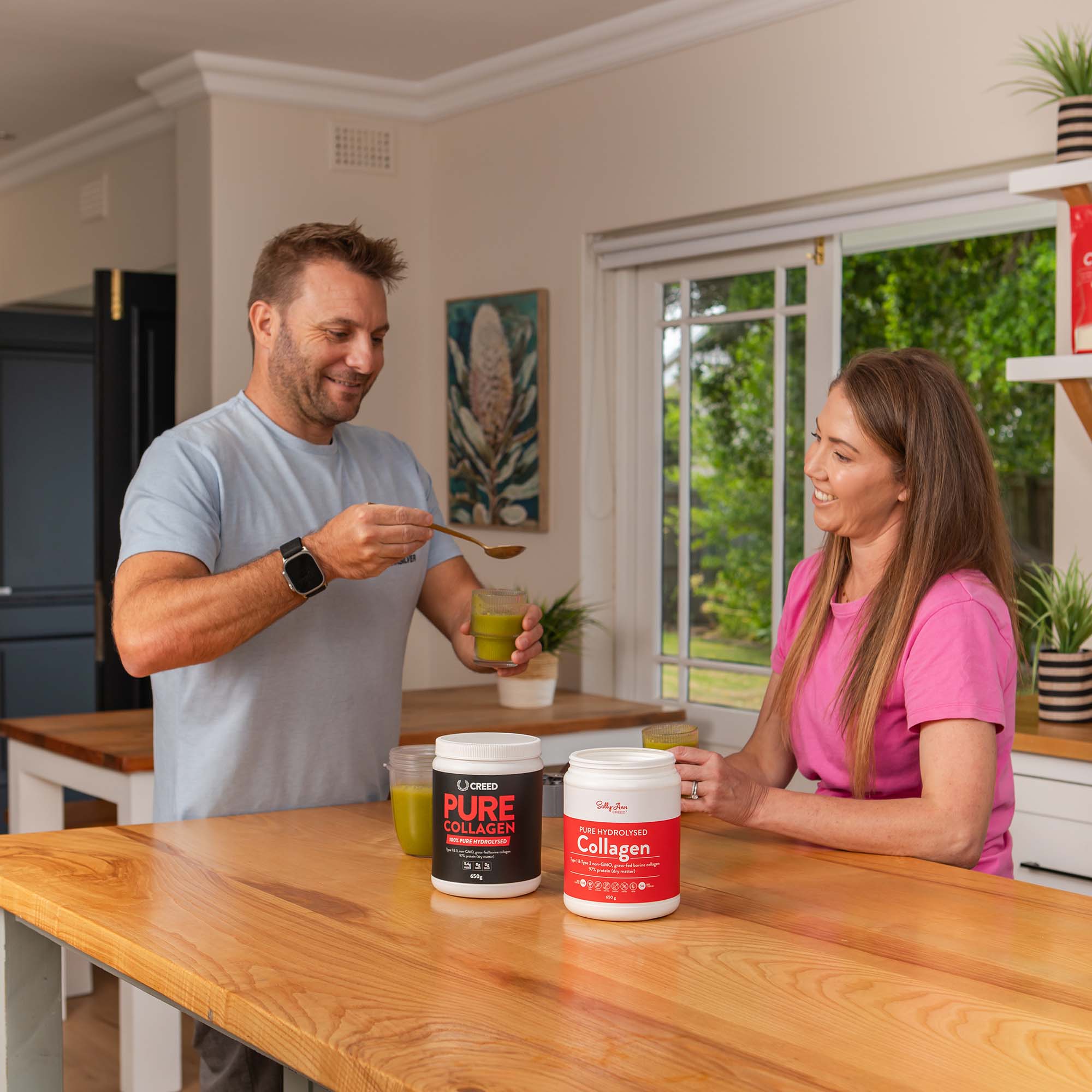
You’re probably wondering why we have two different kinds of oral magnesium – the powdered Magnesium Citrate vs Magnesium Chelate Premium. Apart from the fact that some people like powders and others like capsules, there are some subtle differences. Firstly, these two forms of magnesium are both known as “chelates”. In nature, elemental magnesium is always attached to another compound or ‘bonded’ to it – when magnesium is bonded to an organic compound such as an amino acid, it’s known as a chelate. Magnesium citrate is a chelate of magnesium and natural citric acid. Magnesium Chelated Premium is bonded to the amino acid glycine so it could also be called magnesium glycinate. Both these forms of magnesium are superbly absorbed, while some of the other forms are poorly absorbed. Magnesium is responsible for THOUSANDS of biochemical processes in your body, so we can all benefit from more magnesium. It is one of the most important minerals we can take, and it is also one of the safest. It is the 5th most common dietary mineral, and the second most common electrolyte in the body. Here are some of magnesium’s key roles: Energy production Nerve transmission Bone formation Heart rhythm Muscle contraction Blood sugar control Getting too little magnesium can cause health problems, including difficulty falling asleep, anxiety and fatigue. Of greater concern, long term magnesium deficiency has been linked to chronic health conditions such as diabetes and cancer. Getting enough magnesium through diet or supplementation can potentially cure, alleviate or prevent many common health issues. Here’s where magnesium can make a massive difference to your life, if you struggle with any of these areas: Insomnia – especially if diabetic (type 1 or 2) – improves sleep quality Headaches and migraines – very effective at alleviating/eliminating them Constipation – excellent treatment for this condition Anxiety – very effective if deficient Cramps – prevents and treats cramp of all kinds Joint pain – beneficial if deficient Weight loss – evidence suggests it balances blood sugar and therefore facilitates weight loss There are dozens of kinds of magnesium, but we stock three for their excellent properties: Magnesium Citrate Powder (powder) – very good for constipation, cramps, good absorption, safety, Chelated Magnesium Premium (capsules) – bonded to glycine noted for it’s calming effects especially if anxious Luxury Bath Salts – magnesium sulphate and sea salts to put into your bath or a foot bath, well absorbed through the skin for a calming effect, relaxation and sleep plus all the other beneficial properties of magnesium Sometimes it’s good to get magnesium any which way you can, and you may need it orally and topically to get enough. Magnesium is also vital for calcium absorption into the bone (BUT even more so is Vitamin D3 & Vitamin K2, so take these 3 TOGETHER for strong bones). Things which interfere with the uptake of magnesium: Proton Pump Inhibitors (PPIs) or antacids and medication for ulcers, gastritis, reflux, GERD etc. These severely inhibit magnesium, and if you are on any of these you need to aggressively address a magnesium deficiency – perhaps with several forms of magnesium, especially if you find you are suffering from headaches or insomnia. Low vitamin D status contributes to magnesium deficiency by reducing magnesium absorption. In turn, magnesium deficiency has been shown to reduce the effectiveness of vitamin D in performing some of its roles. Clearly these two MUST go together – and when taking vitamin D, vitamin K2 is paramount. Too much zinc can interfere with magnesium uptake – don’t overdo the zinc Too little protein from animal products in the diet (you should get more than 50 grams a day) can contribute to an inability to both absorb and retain magnesium. You need to get enough animal protein daily to make the most of your magnesium. We hope this has helped you! A great “strong bones, strong heart” formula then would be the following: 1. Magnesium Chelate Premium (or one of the other kinds of magnesium mentioned above) 2. Vitamin D3 – 1 per day anytime 3. Vitamin K2 Premium – 1 per day anytime (100ug MK-7) 4. Our Pure Hydrolysed Collagen powder – 2 tablespoons per day Add in one or more of the other magnesium forms to make sure you get enough magnesium – it is generally poorly absorbed, so we have to work hard at getting enough from our diets (mainly leafy greens), supplements and topical application. Go to our shop here for all these specialised supplements.
Read more
Can Vitamin D save your Life?
Yes, we believe vitamin D can save your life. Vitamin D is a true superstar which affects so much more than bones and teeth. The brain, immune system, hormones, cancer prevention and gene expression all rely to some extent on Vitamin D. In fact Vitamin D has been called “one of the simplest solutions to wide-ranging health problems”. Because almost every cell and tissue in the body has a receptor for Vitamin D. So it’s important to get enough, wouldn’t you say vitamin D can save your life? Vitamin D is made in the skin using cholesterol and sunlight, but how many of us get hours of daily sun on bare skin at noon? Studies show most people on this planet are deficient in the minimum RDA for Vitamin D, especially children (they use it quickly to build bones and teeth), and the elderly. You need to have a blood test annually if you are not sure. The preferred range is 50-70ng/ml, and it becomes harder for our bodies to produce it after 35 anyway. If you have heart disease or a history of cancer you want that up to 70-100 ng/ml. It is possible to overdose on D, but if you remain in these ranges and test annually, you will be fine. Overdosing takes a long time at high doses. Taking 1000iu a day will slowly get you to your right level, and you won’t overdose. Please note: Prescription Vitamin D is D2, not D3. D2 does not directly supply D3, and is given in much higher doses (50,000 iu weekly). When blood levels test normal, your doctor will take you OFF D2. But you’ll slip back to deficiency if not taking D3 on a regular basis. Foods which contain D3 Fatty fish such as wild (not farmed) salmon and sardines have roughly 400iu of D in a 90g serving. Liver and pastured egg yolk have a tiny bit – 40iu in 1 egg or 90g of liver. That’s a lot of liver, eggs and canned fish to get a dose of 1000 to 7,000 iu daily. A good supplement is so much easier. Cod liver oil has about 450iu per teaspoon. Mushrooms labelled as containing Vitamin D have been exposed to light and contain Vitamin D2 NOT D3. So it’s difficult to get from food. Absorption of all fat-soluble vitamins is decreased in those with intestinal inflammation such as Celiac, Crohn’s and Irritable Bowel Syndrome and other gut issues. NOTE: ALWAYS TAKE VITAMIN K2 WITH D. Never, never, take Vitamin D3 without K2. We have supplements in our online store with D3 and K2 at https://sallyanncreed.co.za/shop Ways Vitamin D can save your life: DNA repair and gene regulation. This is massive! Vitamin D impacts all the bad genes (turns them off) and all the good genes (turns them on), changing your entire future. One study showed a mere 2,000iu of vitamin D3 per day for a few months upregulated 291 different genes controlling 80 different metabolic processes. Imagine what you are missing out on if you don’t have enough D3? Prevents osteoporosis, hip fractures, arthritis and many types of pain. Studies show a sharp increase in all-cause mortality after a broken hip. Anything that stops us from exercising is harmful. Vitamin D is so important with Vitamin K2 for maintaining bone strength. Vitamin D plays a big role in the aches and pains of chronic fatigue and Fibromyalgia too. The immune system. Vitamin D3 supports the “killer cells” of the immune system, helping white blood cells kill infections. We get sick less often and get well faster. Vitamin D3 is also a potent immune modulator for the prevention and resolution of autoimmune diseases like Multiple Sclerosis and inflammatory bowel disease. Cancer. Vitamin D plays a role in most cancers. In one study, 70% of women with breast cancer were found to be vitamin D deficient. It has even been shown to prevent breast cancer cell growth and decrease the expression of cancer causing genes. It is essential after cancer treatment to track your Vitamin D twice annually and keep it at the top of the range or just slightly beyond – 75-100 ng/ml according to some experts. Maintains a healthy brain. Vitamin D affects production of serotonin which affects sleep, depression, PMS, weight, mood, digestion and more. It helps prevent Parkinson’s by enhancing the transmission of electricity to your neurons and by detoxifying your cells. Dementia, Alzheimer’s, memory and information processing are all affected by low D. Vitamin D activates and deactivates enzymes in the brain and the cerebrospinal fluid involved in neurotransmitter synthesis and nerve growth. Heart disease. People with insufficient vitamin D have an 80% greater risk of narrowing of the arteries according to a long-term study at Johns Hopkins. Vitamin D is important for reducing hypertension, atherosclerotic heart disease, heart attack, and stroke. One study showed Vitamin D deficiency increased the risk of heart attack by 50%. VERY important – Vitamin K2 plays a huge role here also. Don’t take D without K2, as the K2 prevents D from hardening the arteries or forming calcium deposits incorrectly anywhere in the body. Vitamin D plays many roles, but Vitamin K2 makes sure the calcium absorbed does NOT go to the arteries, but to the bones. It’s as important as D3. Diabetes & Weight Loss. Vitamin D stimulates insulin production and is important for Diabetes management and for weight loss. There’s almost no mental or physical function that D does not affect. You’ll find the excellently formulated vitamins – Vitamin D3 Premium and Vitamin K2 Premium at https://sallyanncreed.co.za/shop
Read more
The Problem with Soy
Are you using soy milk thinking it’s healthier than dairy, or perhaps taking isoflavones for menopausal symptoms – or even eating tofu as a “healthy” alternative to animal protein? Many people today perceive soy products to be healthy, but nothing couldn’t be further from the truth. The risks to your health associated with soy are significant and worth looking at closely if you are considering soy as a dietary addition. While this article could go on for the length of an entire book, I’ll cover just a few areas to give you a good idea of the dangers you face when consuming soy products. Hormone Health Soy certainly is not a healthy alternative to HRT by any stretch of the imagination either, in fact it may worsen your symptoms. At the end of a 2-year study (published in Aug 2011 Archives of Internal Medicine) showed no improvement in symptoms or bone loss. Even a very small amount of isoflavones have the ability to disrupt hormonal balance (around 1 cup of soymilk). In fact dietary estrogens in the form of soy foods were found to have the potential to disrupt the endocrine system with the effects in women similar to taking the breast cancer drug Tamoxifen (Proceedings of the Society for Experimental Biology and Medicine 1995 Jan;208(1):51-9). Thyroid Health A study done in 1999 found that just 2 tablespoons daily of roasted and pickled soybeans for 3 months (given to healthy adults receiving adequate iodine in their diet) was enough to cause thyroid suppression with the characteristic symptoms of malaise, constipation, sleepiness and even goiters (Nippon Naibunpi Gakkai Zasshi 1991, 767:622-629). It blocks the T4 to T3 conversion. Alternative to Animal Protein People eat soy to get ‘vegetable protein’ – but what they don’t realize is that the phytates in soy actually impede absorption of protein, deprive them of B12 and impede absorption of four key minerals: Calcium Magnesium Iron Zinc The phytates are deactivated when soy is fermented but how many people really eat it in the form of the traditional fermented form? Most ‘fermented’ soya is not made in the traditional method anyway. In the East very little soy is actually eaten and it’s all fermented in the ancient way. There is a dark side to soy too. In an excellent article entitled “The Ploy of Soy” by Sally Fallon and Mary G Enig, Ph.D., of the Weston A. Price Foundation – Fallon and Enig put the nutritional realities of soy consumption into perspective. Here are a few of the key points they make: Soybeans contain “antinutrients” that inhibit enzymes needed for protein digestion and amino acid uptake Soybeans contain hemaglutinin. A substance that promotes the clotting of red blood cells. Enzyme inhibitors are reduced in bean curd and tofu but not completely eliminated. When vegetarians substitute dairy products and meat with bean curd and tofu. they may risk serious mineral deficiencies. Kidney Stones Soy intake may also increase kidney stone risk. A 2001 study published in the Journal of Agricultural and Food Chemistry showed how soybeans, tofu, and commercially processed soy products contain extremely high levels of oxalate. This is a compound that binds with calcium in the kidneys. It also increases the risk of kidney stone development. Genetic Modification 91-98% of the world’s soy is genetically modified. The genetic modification is done to impart resistance to the toxic herbicide Roundup. While this is meant to increase farming efficiency and provide you with less expensive soy. The downside is that your soy is loaded with this toxic pesticide. This toxic pesticide has been fingered in many cancers especially kidney cancer. There is also concern that it may cause Parkinson’s Disease. Inflammation & Allergies It’s also inflammatory. Inflammation from a soy allergy can develop anywhere in the body where there’s soft tissue. The most common places, besides in the gastrointestinal tract, are in the nose, lungs and skin. You could experience nasal congestion, sneezing, a runny nose, postnasal drip and sinus pressure pain from nasal inflammation, according to the Cleveland Clinic. The lungs can swell, leading to asthma symptoms such as shortness of breath, chest tightness and wheezing. Hives, eczema and general itching are common skin inflammations from a soy allergy. Fattening Soy! Animals are fattened on corn and soy all over the world – it’s in the feed for every kind of animal, and is almost always genetically modified. If this fattens them, why would we think we’d not put on weight from soy? Soy is one of the most lucrative crops around. Sadly at the expense of other crops this awful bean is being grown instead of nourishing vegetables. As well as instead of putting animals back on the land. Over 350,000 farms in the United States produce soybeans. This accounts for over 50% of the world’s soybean production and $6.66 billion in soybean and product exports in 2000 (heaven knows what it is now…). Soy has a metabolic estrogenic effect in the body. If you’re male you may want to think twice before consuming processed or unfermented soy products, as these types of soy can be feminizing. Excess estrogen in men is a known cause for gynecomastia (fatty breasts in men), prostate enlargement and cancer. Women shouldn’t have excess estrogens circulating throughout the body either. Estrogen dominance is a known cause for PMS, breast cancer and other female disorders. If you can’t figure out why your stubborn fat and metabolic disorders increase the problem may well be the processed soy you are eating, perhaps without realising it. Whether it is soy milk, soy ice cream, veggie burgers, tofu or other processed soy based products, all overwhelmingly contribute to an excess of estrogen in the body. Bottom line soy is fattening for man and beast. Do You eat Soy? And in case you think you eat little or no soy – check the label. Surprise!! Soy is in everything today. From so-called health foods to cereals, breads, medications, meat products, protein bars and almost 100% of processed foods. You name it and you will probably find soy present. The only sure way to eliminate soy is to eliminate processed food completely and eat real food. It’s in everything from dog food to take-aways to baby food to vegetable oils. How to Recover from Being ‘Over-Soyed’ The gut will need healing if you have been exposed to a lot of soy. Eliminate all grains and all sources of soy. Introduce a lot of bone broths, sauerkraut, kimchi and other cultured foods, coconut oil and probiotic supplements.
Read more
The difference between a Probiotic and Prebiotic
Probiotic and Prebiotic? Trusting Your Gut In human intestines, there are many strains of two main species of friendly bacteria, Lactobacillus and Bifidobacterium. Probiotics and Prebiotics both help those friendly bacteria, but in different ways: What is the Difference between Probiotic and Prebiotic? The lining of our gut is covered in microscopic bacteria. Collectively, these organisms create a micro-ecosystem known as the microbiome. The microbiome plays an oversized role in our health. Therefore, what you feed your microbiome is what has the biggest impact on its health. And the healthier it is, the healthier you are. The key to a healthy microbiome is nourishing a balance among the bacteria. In order to do so, you can: Use Prebiotics to help the microbes already inhabiting your gut by giving them foods they like, and Use Probiotics to add living microbes directly to your system. Prebiotics are specialized plant fibers. They act like fertilizers that stimulate the growth of healthy bacteria in the gut. Prebiotics are found in many fruits and vegetables, especially those that contain complex carbohydrates, such as fiber and resistant starch. These carbs aren’t digestible by your body, so they pass through the digestive system to become food for the bacteria and other microbes. Whereas Probiotics are different in that they contain live organisms, usually specific strains of bacteria that directly add to the population of healthy microbes in your gut. Microbiota-loving foods such as: Fiber-rich foods: Fruits, vegetables and whole grains Potatoes Bananas Artichokes Are recommended to consume in conjunction with a prebiotic supplement. And fermented foods such as: Yoghurt Kombucha Tempeh Sauerkraut Contain live microbes just as a probiotic supplement does. So which should you take? Take both! Sources: Lyte M, et al. Resistant starch alters the microbiota-gut brain axis: Implications for dietary modulation of behavior. PLOS One. 2016;11:1.Quigley EM. Basic definitions and concepts: Organization of the gut microbiome. Gastroenterology Clinics of North America. 2017;9:2.Salonen A, et al. Impact of diet and individual variation on intestinal microbiota composition and fermentation products in obese men. ISME Journal. 2014;8:2218.Yatsunenko T, et al. Human gut microbiome viewed across age and geography. Nature. 2012;486:222., Rountree R. The human microbiome — Humans as super-organisms. Alternative and Complementary Therapies. 2011;17:70.Lynch SV, et al. Targeting gut flora to treat and prevent disease. The Journal of Family Practice. 2016;65:2369 (297 words).
Read more
Berberine Complex for so much more than weight loss
Berberine is one of the most exciting natural products in current medical research and has nothing short of amazing properties. Other than for weight loss, it’s a powerful: Anti-viral Anti-inflammatory Anti-bacterial Berberine is most commonly taken for Weight Loss Powerful anti-ageing properties on skin Anti-inflammatory for skin and entire body High Blood Pressure Diabetes Dysglycaemia Reduces Insulin Levels High Cholesterol Polycystic Ovary Syndrome Some studies say it’s much better than metformin. AND you can take it WITH metformin if you wish – it seems to work synergistically for even better glucose control. It greatly improves muscle insulin sensitivity, and promotes blood glucose and fatty acid uptake into muscle cells. It also improves metabolism and mitochondrial function leading to a cascade of health benefits. So here are MORE new reasons people are taking it according to studies: Treating Fatty Liver Irritable Bowel Syndrome and SIBO Improves endothelial function – Heart Healthy Lowers cortisol (stress-reducing) Anti-depressant properties via increased serotonin production Who wouldn’t want to take it? Get it from https://sallyanncreed.co.za/shop – it’s called Berberine Complex Disclaimer: You can simply click on the name of each product mentioned above (in bold) and a hyperlink will take you directly to the product for an easy purchase. Originally published on https://www.facebook.com/SallyAnnCreedSA/ in 2020.
Read more